Does Drinking More Water Help You Lose Weight: The Real Impact of Hydration on Metabolism and Appetite

Table of Contents
- Does Drinking More Water Help You Lose Weight: The Real Impact of Hydration on Metabolism and Appetite
- Does Drinking More Water Help Lose Weight? Viewing Through Metabolic Efficiency
- Fake Hunger and Appetite: How Does Water Regulate Them?
- Water Metabolism and Phlegm-Retainment (痰飮) from a Korean Medicine Perspective
- Is Mindlessly Drinking More Water Dangerous? Guidelines for Optimal Amount
- Practical Methods for Maximizing Diet Synergy with Efficient Hydration
- Frequently Asked Questions
Does Drinking More Water Help You Lose Weight: The Real Impact of Hydration on Metabolism and Appetite
When I consult with patients about dieting in the clinic, there's one question I hear really often. "Doctor, does drinking more water really help me lose weight?" Some patients diligently drink 4-5 liters of water daily, while others avoid it thinking that water intake actually causes bloating.
Honestly, when I first started studying this field, I also made the mistake of thinking, "If I drink more water, waste products will flush out and I'll lose weight." However, through various cases I've encountered in clinical practice, I've come to realize that water itself is not a magical 'diet pill' that burns fat. That said, water plays the most fundamental and powerful role as a 'catalyst' that determines our body's metabolic efficiency.
Today, I'll explain step by step how hydration regulates appetite and boosts metabolism, and what important points to consider from a Korean medicine perspective.
Does Drinking More Water Help Lose Weight? Viewing Through Metabolic Efficiency
Let me start with the conclusion: water doesn't directly break down fat, but it creates an environment that improves energy consumption efficiency and aids weight loss. All chemical reactions in our body, especially the 'hydrolysis' process that burns fat, absolutely require water molecules. When hydration is insufficient, the body lowers energy efficiency and enters 'energy-saving mode.'
To put it simply, water is like the 'coolant' and 'transport vehicle' that keeps our body factory running. Just as a machine overheats and stops when coolant runs low, when water is insufficient, metabolic rate slows down, meaning you burn fewer calories even with the same level of activity. Therefore, adequate hydration can be the easiest way to reawaken stagnant metabolism.
Fake Hunger and Appetite: How Does Water Regulate Them?
A significant portion of the hunger we feel is actually fake hunger where we mistake 'thirst' for 'hunger.' In the hypothalamus of the brain, thirst signals and hunger signals are located very close to each other. When the body lacks water, the brain sends a signal saying, "I need some energy!" but we interpret this as "I'm hungry," leading us to seek snacks.
This is why the habit of drinking a glass of water 30 minutes to 1 hour before meals is helpful. Once hydration is restored, the brain's misconception disappears, and the stomach gets a适度 of expansion, which helps prevent overeating during actual meals. Especially for those with strong food cravings or who constantly seek something to munch on, try slowly drinking a glass of water first.
Water Metabolism and Phlegm-Retainment (痰飮) from a Korean Medicine Perspective
In Korean medicine, what matters more than how much water you drink is fluid metabolism—how the water you drink is used within your body and how it is excreted. Patients who drink a lot of water but don't lose weight or even experience bloating can often be explained through the concept of phlegm-retention (痰飮).
Phlegm-retainment (痰飮) refers to a state where bodily fluids fail to circulate properly and become stagnant and sticky. Cases like drinking excessive tea water after alcohol, resulting in stagnant alcohol phlegm (酒痰) that doesn't get digested, are typical examples. In such a state where metabolic capacity has declined, blindly drinking more water can cause the water to not be used as energy but instead make the body heavier or trigger edema.
Therefore, rather than uncritical 'high-volume intake,' it's more important first to check your body's spleen deficiency (脾虛, digestive dysfunction) status and build the capacity to properly transport water.
Is Mindlessly Drinking More Water Dangerous? Guidelines for Optimal Amount
If you ask, "Then should I just drink 2-3 liters a day no matter what?" my answer is, "That could be dangerous." The optimal amount varies greatly depending on individual body size, activity level, and kidney function.
Excessive hydration can cause 'hyponatremia,' which lowers sodium concentration in the blood, leading to dizziness or even impaired consciousness in severe cases. Especially for those with weak kidney function or heart failure, drinking too much water can actually become poison.
The healthiest guideline is to check the color of your urine. A very light yellow indicates adequate hydration, but if it's so clear it looks like water, you're drinking too much. If it's close to dark brown, you're very dehydrated.
Practical Methods for Maximizing Diet Synergy with Efficient Hydration
What's more important than just increasing water intake is 'how' you drink it. My recommended practical guide is as follows:
A glass of lukewarm water immediately upon waking: This process clears the sticky blood accumulated overnight and activates dormant metabolic switches.
Intake 30 minutes before meals: Eliminates fake hunger and naturally helps control food intake.
Drink small amounts frequently: Rather than gulping down 500ml at once, drinking 150-200ml divided into portions increases absorption rate and doesn't strain the kidneys.
Lukewarm water over cold water: Too-cold water can temporarily lower the temperature of the digestive organs, slowing metabolic rate.
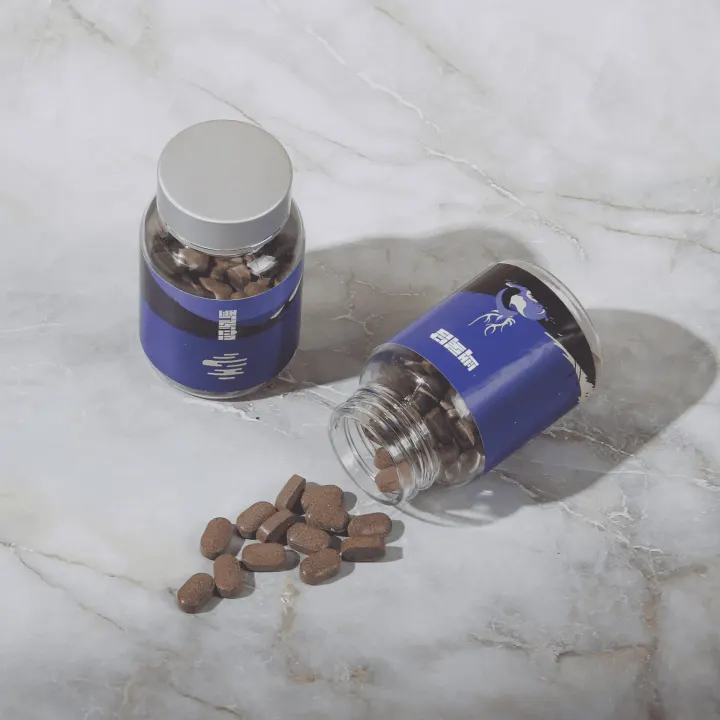
If despite these efforts your body continues to bloat and you feel metabolism has stalled, it may not be a simple water issue but rather that your metabolic regulation system itself has broken down. In such cases, getting supplementary support like Baekrokgam Gabjeong that helps with internal waste elimination and promotes metabolism can be a much more efficient choice.
Frequently Asked Questions
Q. Does drinking coffee or tea count toward daily water intake?
No, it doesn't. Caffeine beverages like coffee or green tea promote diuretic effects, actually pulling water out of the body. More water may be lost than consumed, so if you drink a cup of coffee, it's much more beneficial for metabolism to drink an additional one or two glasses of plain water.
Q. Is it true that some people have a body type where just drinking water causes weight gain?
Water itself doesn't actually turn into fat. However, as mentioned earlier, individuals in phlegm-retainment (痰飮) states or those with severely impaired metabolism may have water stagnating between cells, causing 'edema' that they perceive as weight gain. This is not a water problem but a problem of 'excretion capacity,' requiring treatment to improve circulation.
Q. I'm drinking so much water during my diet that I'm going to the bathroom too often. Is that okay?
Frequent urination may signal that water isn't being absorbed by the body but passing through directly. In such cases, reduce the amount drunk at once and develop the habit of drinking slowly, small amounts at a time. Additionally, proper mineral intake should accompany hydration so water can enter cells effectively.
Hydration is not the 'main character' of weight loss, but it's the most important 'supporting actor' that helps the main character shine. Listen to your body's signals and fill up with appropriate hydration. If you're curious about [specific methods for overcoming weight loss plateaus], checking out previous posts may also be helpful.