
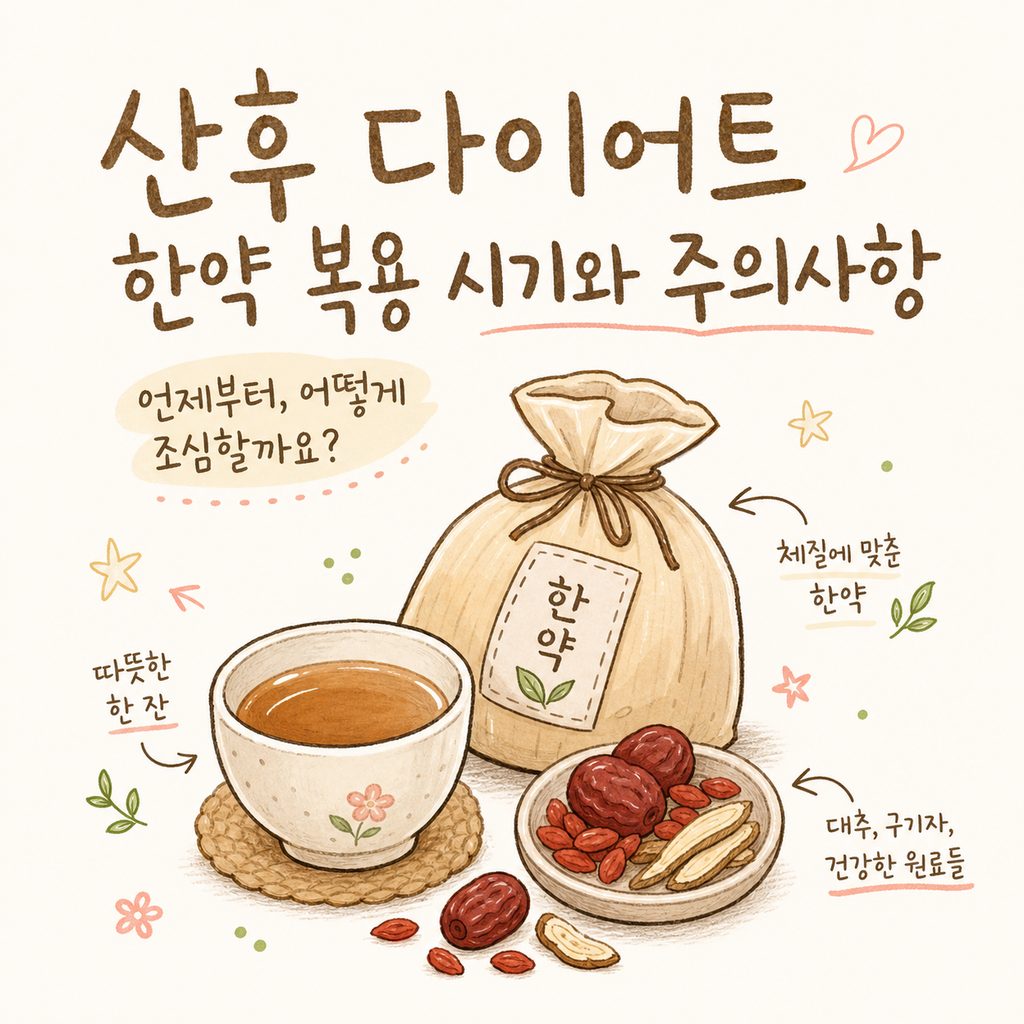
Postpartum Korean Medicine Diet: Timing and Safety

Table of Contents
Missing your pre-pregnancy self when looking in the mirror is a concern I hear often in my clinic. When your body feels heavy from childcare and your weight remains unchanged, it's natural to feel anxious.
Why Recovery Comes Before Starvation
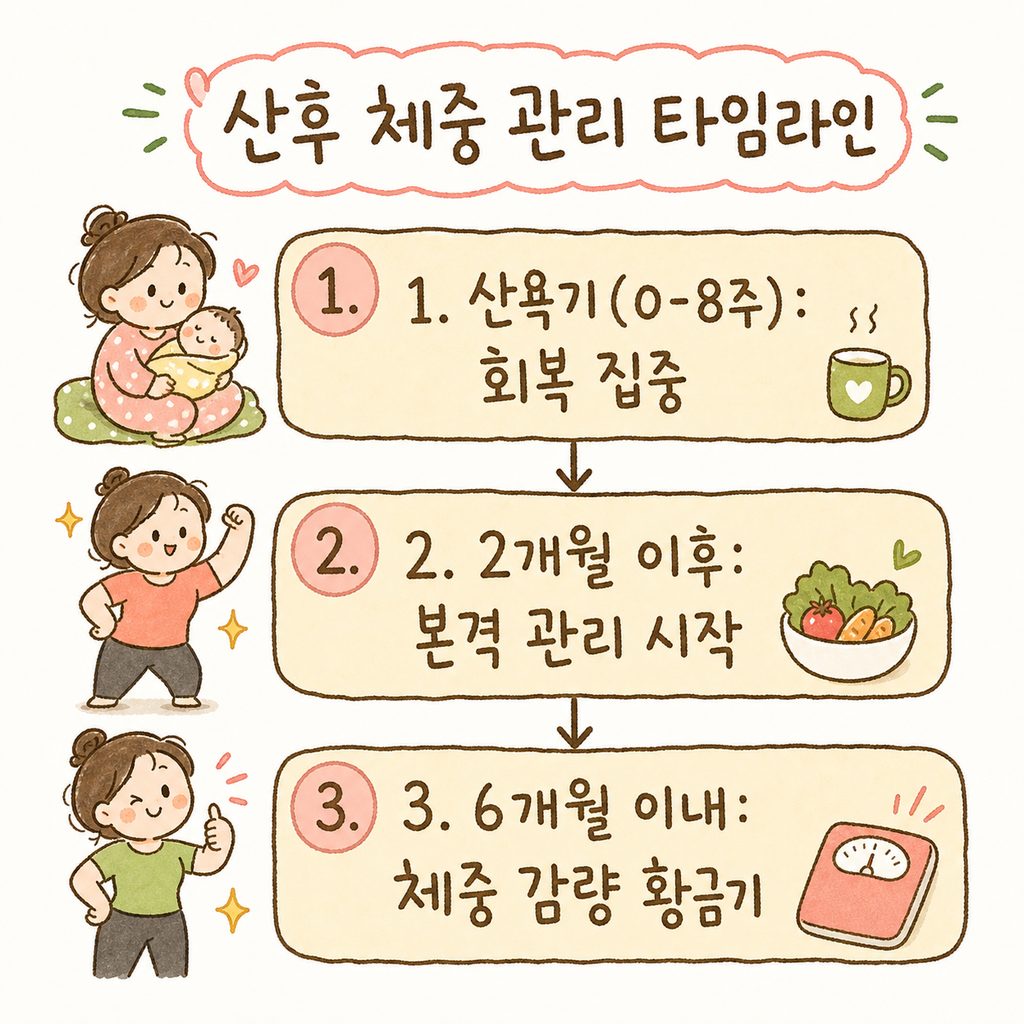
Immediately after childbirth, the process of returning your body to its original state is far more important than weight loss. In particular, during the puerperium—the recovery period for the uterus and joints, which usually lasts 6 to 8 weeks—herbal medicine for the purpose of a diet/weight management is not recommended. This is because hormonal changes are drastic and physical strength is significantly depleted; attempting to lose weight excessively during this time can actually harm your health.
Many patients I see in the clinic say they "want to lose weight quickly," but I advise them to focus on physical stamina and uterine recovery first. A diet/weight management started without a foundation of basic physical strength will quickly lead to exhaustion and, consequently, a high possibility of the yo-yo effect.
Finding the Golden Period for Weight Management
So, when is the right time to start serious management? Many Korean medicine clinics consider after 2 months postpartum to be the appropriate starting point. While it is best to start after finishing breastfeeding if possible, many begin between 3–6 months or 4–8 months postpartum depending on the situation.
The key point to remember is that the golden period for weight management is within 6 months after childbirth. It is efficient to set a goal of returning to your pre-pregnancy weight during this window. However, since everyone's recovery speed is different, you need the flexibility to delay the timing if your physical strength is judged to be too low.
Safety of Herbal Medicine While Breastfeeding
The biggest concern for breastfeeding mothers is whether the medicine will affect the baby. To put it simply, it is possible to prescribe herbal medicine using only ingredients that are safe even during breastfeeding.
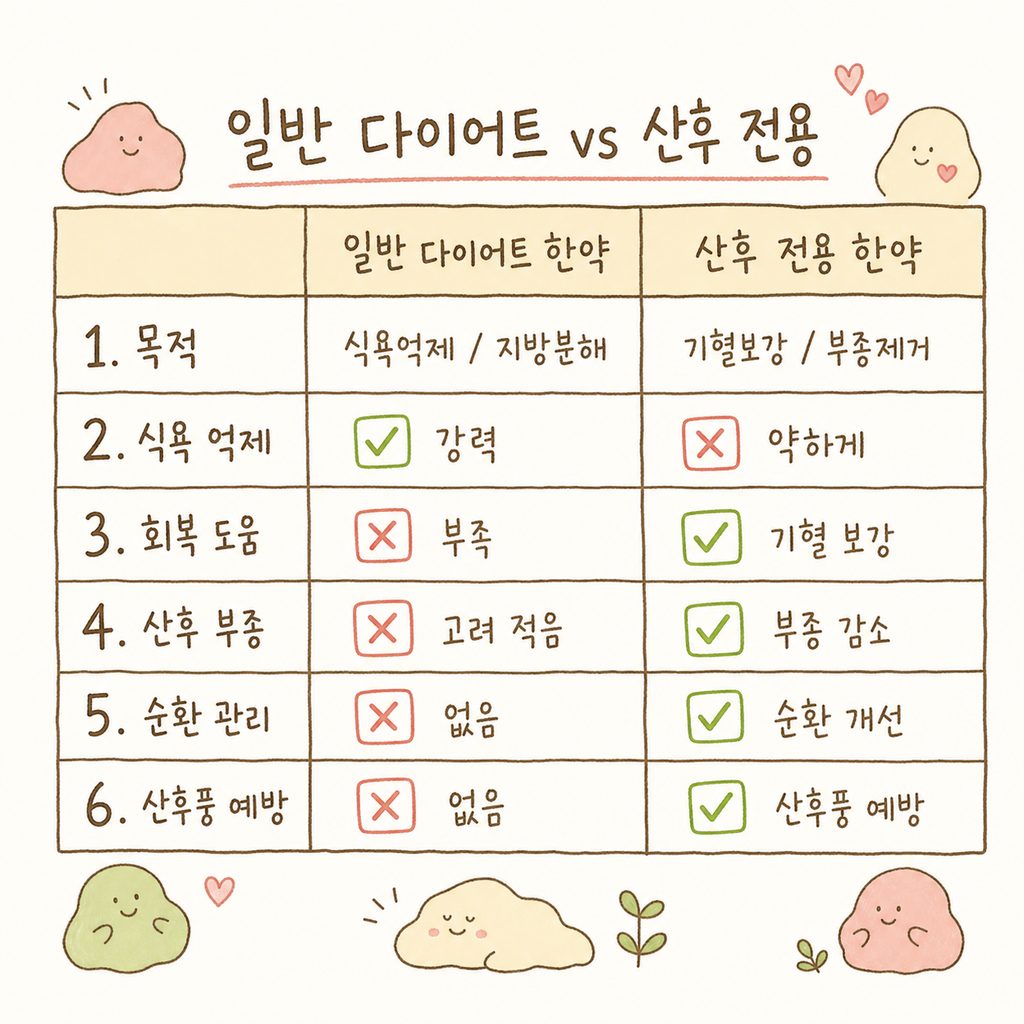
However, herbal medicine at this stage must have a different character than general diet drugs. Instead of strong appetite suppression, we use 'postpartum-specific' prescriptions centered on replenishing Qi and Blood, reducing edema, and improving circulation. The core approach is to help the body's metabolism and remove swelling without interfering with breastfeeding. Please remember that drug selection must be approached much more conservatively while nursing.
Why Postpartum Herbal Medicine is More Than Just a Diet Pill
The postpartum Korean herbal diet pill I prescribe is not simply a drug that burns fat. It is closer to a weight management medicine that simultaneously aims for Qi and Blood recovery, edema reduction, and the prevention of postpartum wind (Sanhupung).
After childbirth, joints become weak and waste products easily accumulate in the body. If you try to lose weight without properly addressing these issues, you may experience postpartum wind, characterized by aching and chilly joints. Therefore, in Korean medicine, we encourage weight to drop naturally by helping the body's circulation and filling the depleted Blood and Qi. Losing weight while taking care of your health is ultimately the fastest path.
Dietary Strategy Points for Immediate Action
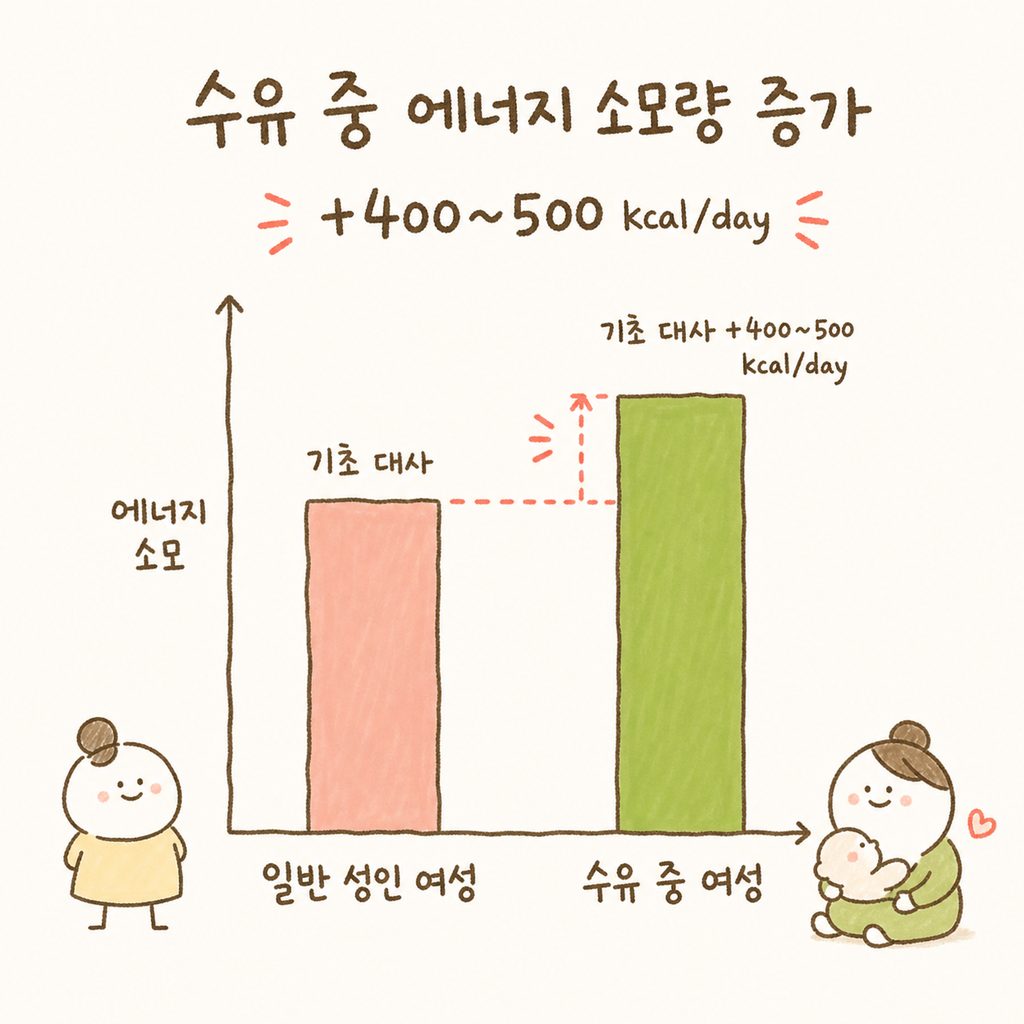
Even with the help of herbal medicine, daily management must be performed in parallel. In particular, those who are breastfeeding should not eat too little. According to research, energy expenditure during breastfeeding is known to increase by approximately 400–500 kcal/day.
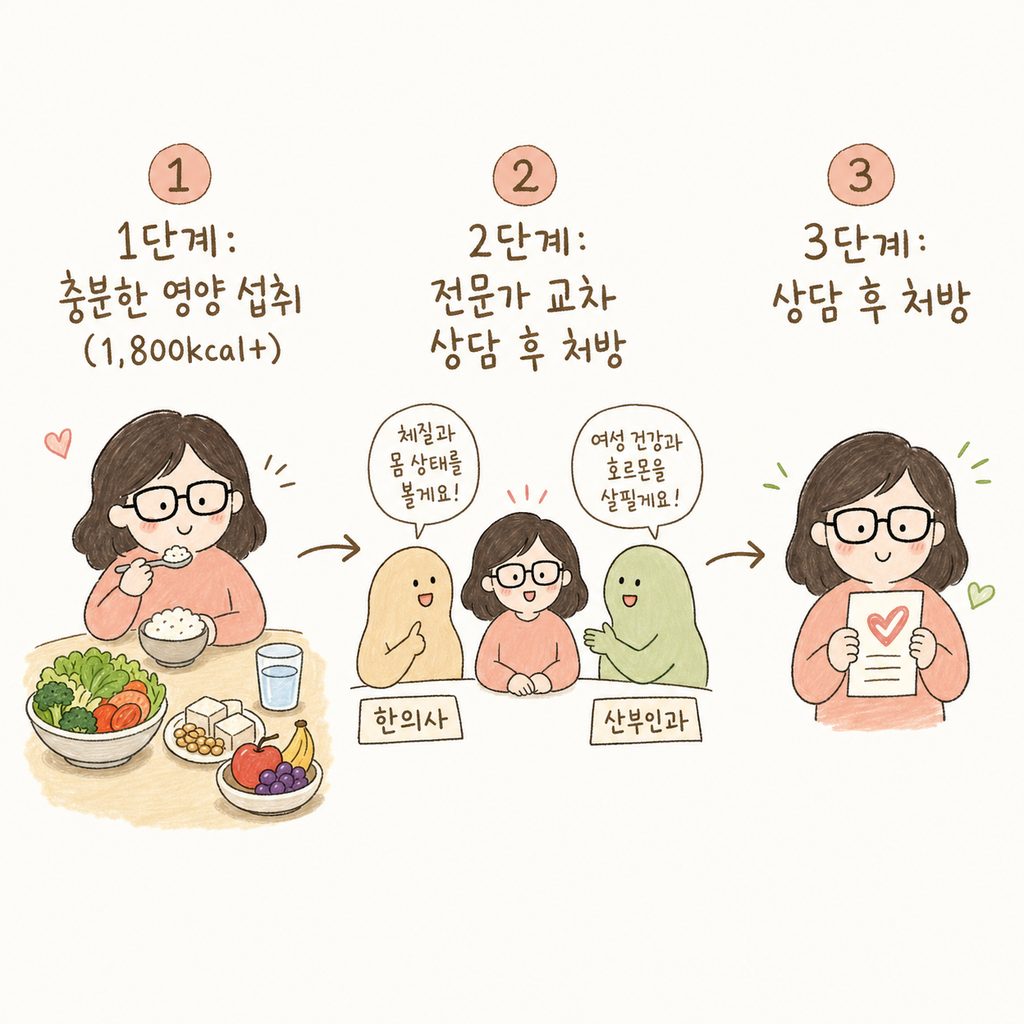
Therefore, if you are breastfeeding, establish a strategy to lose weight slowly while consuming at least 1,800–2,000 kcal/day. Rapid weight loss can not only reduce milk supply but also harm the mother's health. It is better to develop a habit of gradually removing swelling while maintaining a nutritious diet.
The Importance of Cross-Consultation with Experts
Finally, I would like to emphasize that it is safe to listen to the opinions of various experts when deciding on diet/weight management medication. In addition to a Korean medicine clinic, check your current physical condition and your baby's situation through cross-consultation with an OB-GYN or pediatrician.
Many believe that taking medicine is possible about two weeks after leaving the postpartum care center once wounds have healed, or around two months postpartum, but these are only general guidelines. Since your body's recovery speed is unique to you, I strongly recommend making a decision only after receiving an accurate diagnosis of your current state.
I know how exhausting it is to juggle both childcare and a diet/weight management. Do not rush. Weight loss is more effective only when your body has sufficiently recovered. With the Baekrok Gambi-jung program, you can expect more effective results by taking care of Qi and Blood recovery and weight management at the same time. Put aside your anxiety for a moment and start with care that treasures your body.