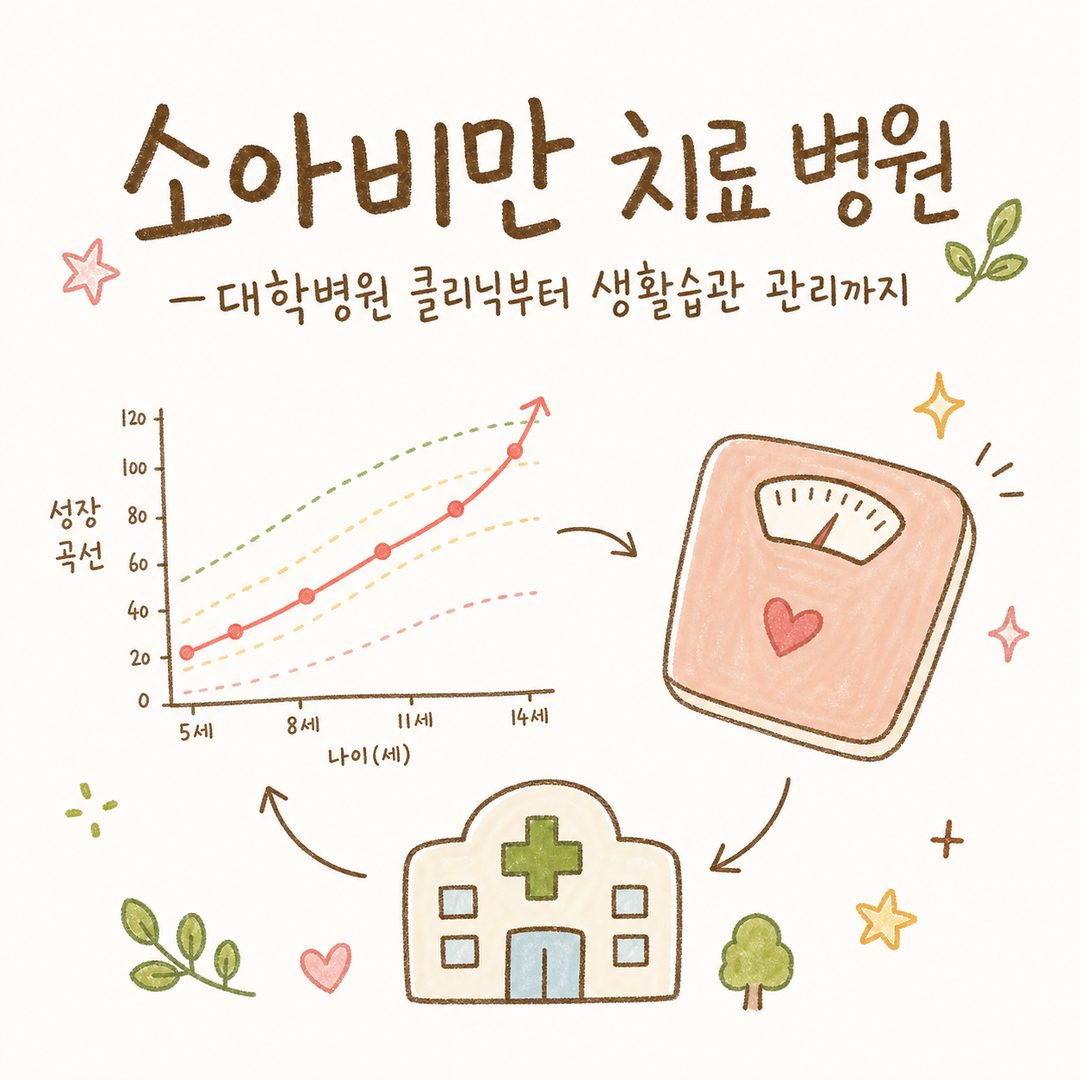
Childhood Obesity Hospitals: Clinics & Lifestyle Care

Table of Contents
Is your child's weight increasing significantly faster than their peers? You might feel overwhelmed and unsure where to start. In my clinic, the most common concern I hear from parents is, "I'm not sure if this is serious enough to visit a hospital."
Why Childhood Obesity Isn't Solved by Simple Dieting
Adult obesity and childhood obesity have different starting points. Because children are still growing, focusing solely on weight loss can actually hinder their development. According to data from the Pediatric Endocrinology department at Severance Children's Hospital, childhood obesity is defined as exceeding the standard weight for the same age and gender by 20% or more, or having a BMI at or above the 95th percentile. Seoul Asan Medical Center Children's Hospital classifies a BMI between the 85th and 95th percentiles as overweight, and at or above the 95th percentile as obese.
The weight number itself isn't the only issue. Looking at the items monitored by the Childhood Obesity Clinic at Seoul National University Children's Hospital, various comorbidities such as non-alcoholic fatty liver disease, metabolic syndrome, and dyslipidemia often follow. A child's weight is just a signal; the underlying metabolic issues are what truly need management. The longer you leave it thinking, "They're just a bit chubby," the more issues there are to address.
Which Hospital Should You Visit?
The principle is clear: it is safest to find a hospital that operates a dedicated obesity clinic within Pediatrics or Pediatric Endocrinology. Depending on your child's age and location, you can choose a tertiary university hospital or a pediatric clinic specializing in growth and obesity.
Here are some frequently mentioned institutions in the Seoul metropolitan area:
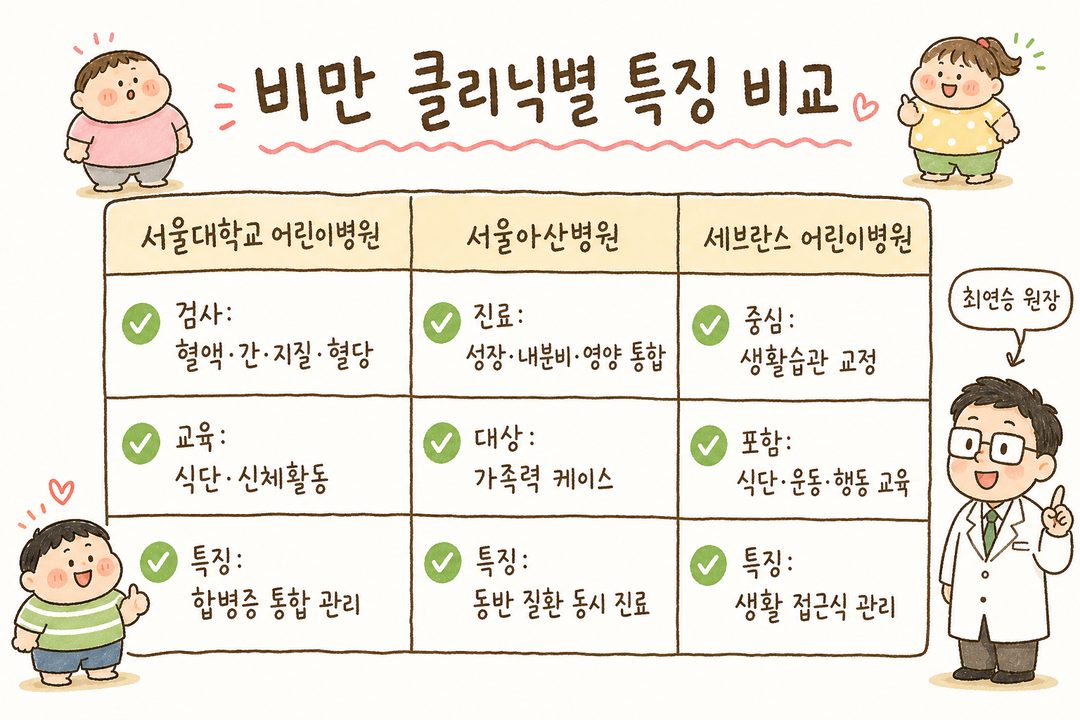
Seoul National University Children's Hospital Childhood Obesity Clinic: They conduct tests for obesity complications such as blood tests, liver function, lipids, and blood sugar, while providing diet and physical activity education for both the child and family.
Asan Medical Center Children's Hospital: Specialists in growth, endocrinology, and nutrition provide integrated care for both obesity and growth issues. They also treat cases with a family history of obesity or diabetes.
Severance Children's Hospital Pediatric Endocrinology: They focus on lifestyle modification, addressing diet, exercise, and behavioral changes together.
If a university hospital feels too burdensome initially, starting at a local pediatrician that handles growth and obesity is also fine. However, if the BMI exceeds the 95th percentile or if signals like snoring, leg pain, or abnormal liver enzymes appear, I recommend visiting a tertiary medical institution at least once.
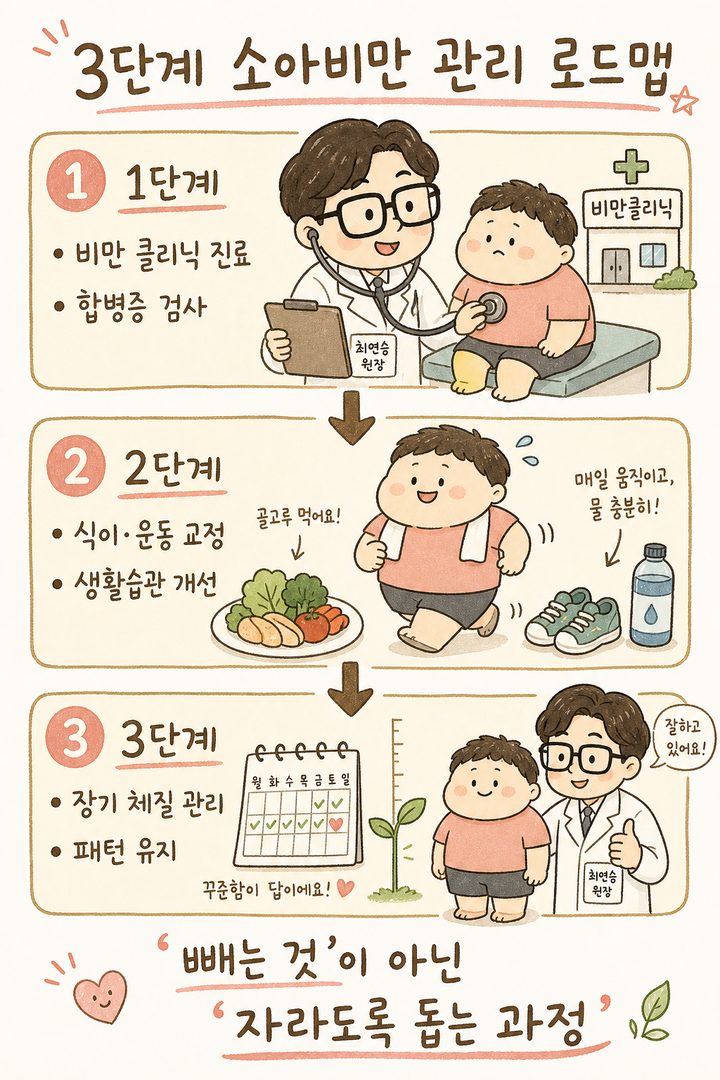
What Changes Can You Expect from Management?
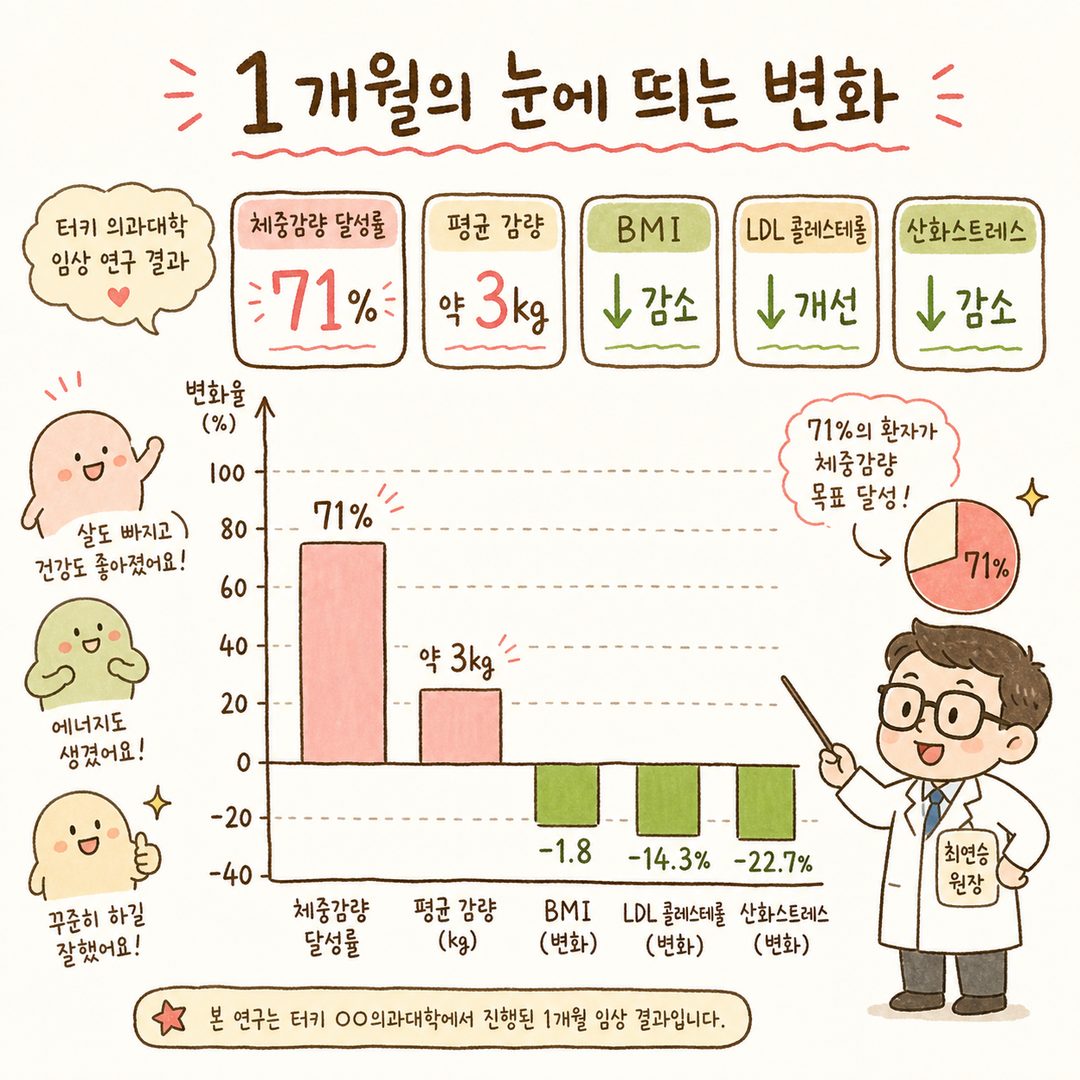
Noticeable changes can happen surprisingly fast. A study of 77 obese children at Eskişehir Osmangazi University in Turkey showed that the group applying exercise + diet + 5 types of probiotics saw 71% achieve an average weight loss of about 3kg in just one month, along with a reduction in BMI. This was accompanied by a decrease in LDL cholesterol and improvement in oxidative stress markers.
There is one important point to note here. This study doesn't suggest that "you lose weight just by taking probiotics." Rather, it shows that the magnitude of change increases when supplementary elements are added on top of a foundation of diet and exercise. No supplement can replace dietary and activity corrections. Therefore, the core of hospital treatment is not medicine or supplements, but the time spent looking into the child's and family's lifestyle.
How Baekrokdam Clinic Views Childhood Obesity
When we look at pediatric cases, the first thing we ask is not "How much do they eat?" but "How do they eat and how do they sleep?" Even with the same weight, a child prone to Sik-jeok (food stagnation), a child with Seup-dam (damp-phlegm), or a child with weak spleen and stomach function who fills up on snacks are all viewed differently. We must address both constitution and lifestyle patterns to sustain management long-term without strain.
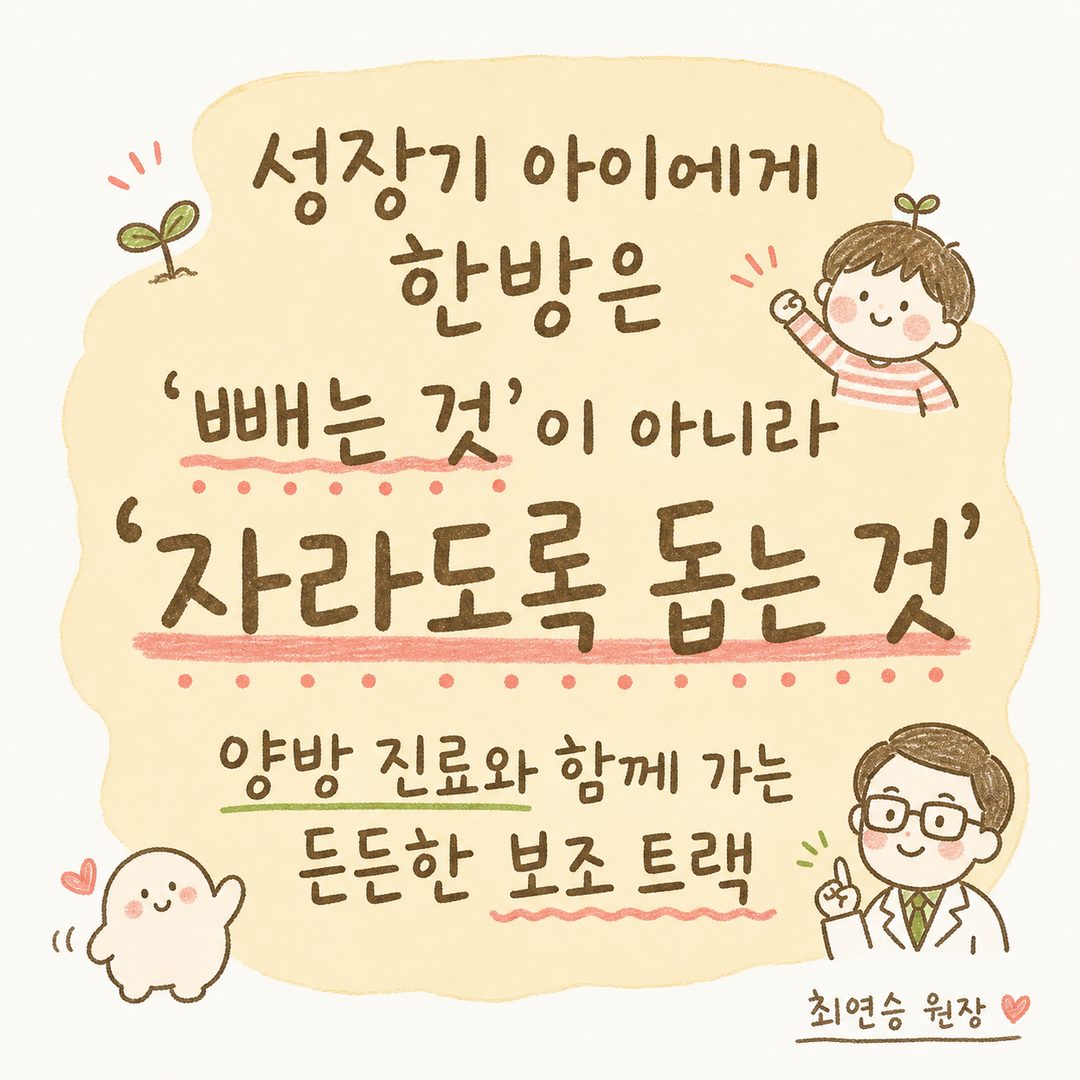
The strength of Korean medicine management for growing children is that it is not focused on "rapid weight loss." Even Western medical guidelines state that the goal of childhood obesity management is not simple weight loss, but maintaining normal growth and reaching an appropriate weight. Following this same logic, we approach it by soothing the spleen and stomach to help the child reduce snacking and improving their physical condition so they can increase activity. Think of it not as a conflict with Western medical treatment, but as a complementary track that runs alongside it.
Things You Can Start at Home Right Now
Even before booking an appointment, there are things you can adjust starting today. Here are the key points highlighted by the National Health Insurance Service and the Korea Disease Control and Prevention Agency:
Exercise: At least 60 minutes of physical activity daily is recommended. For prevention, aerobic exercise 3–5 times a week for 30–50 minutes is sufficient.
Screen Time: Aim for less than 2 hours a day total for TV, smartphones, and computers.
Sleep: Ensure 9+ hours for ages 6–12 and 8+ hours for ages 13 and up.
Meals: Instead of blindly reducing quantity, change the quality. Include at least two vegetable side dishes and drink water instead of soda.
Snacks: Shift toward healthier options like fruit, milk, yogurt, or small amounts of nuts instead of cookies.
Eating Habits: Eat regularly and slowly, and choose low-fat options when eating out.
Trying to follow all six of these at once will exhaust the whole family. Changing one thing per week is enough. You must give the child time to adapt to the changes for them to last.
What to Consider When Choosing Supplements
Many parents hesitate over probiotics, diet teas, and various functional foods. While studies like the one mentioned earlier report that specific strains can supplement weight and BMI reduction, long-term safety and efficacy require more research. Just remember that these are not treatments that replace diet and exercise therapy. Always add supplements only after consulting with your healthcare provider.
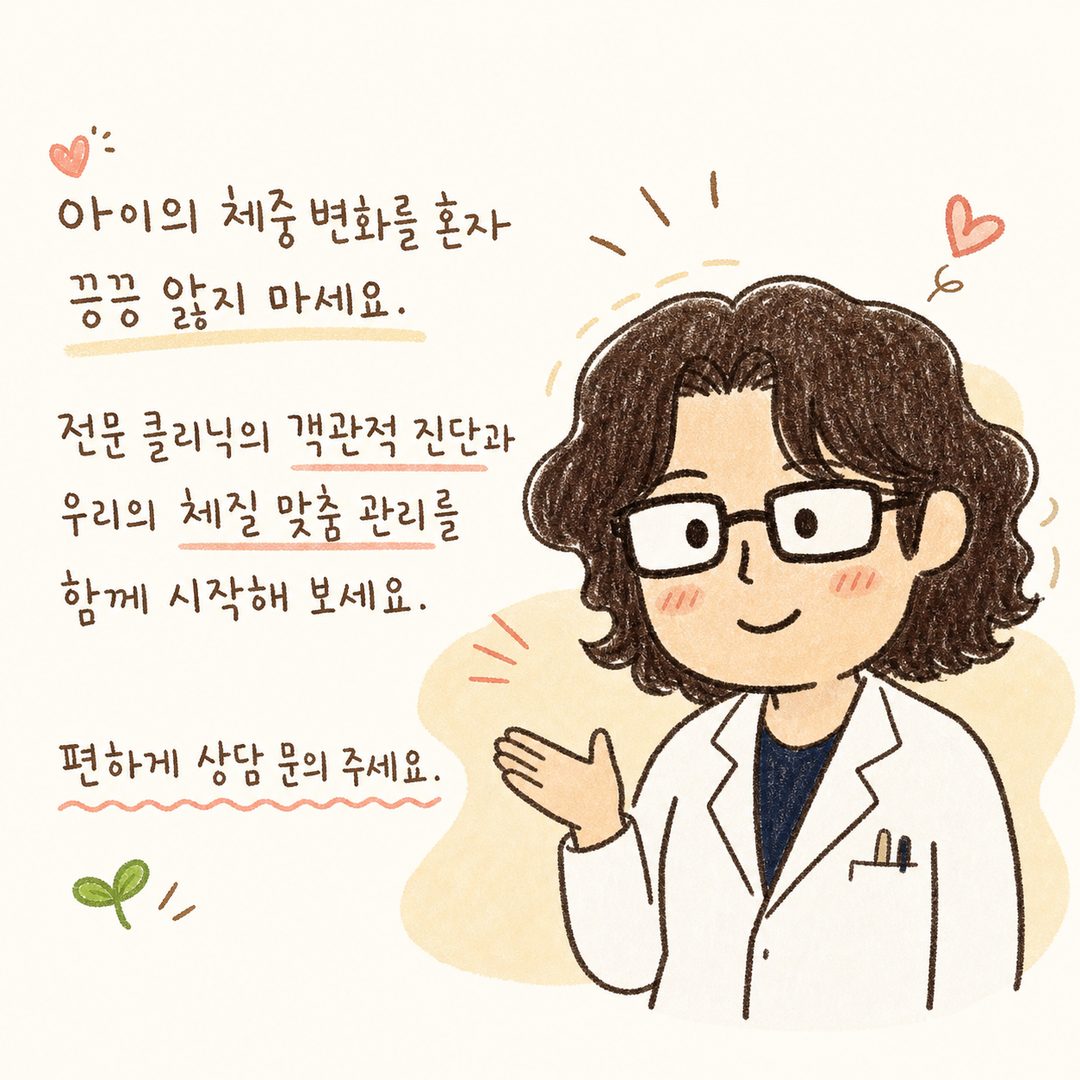
Don't struggle alone with your child's weight changes; I recommend getting an objective evaluation at a hospital with a dedicated obesity clinic. If you want to combine the complication screenings and family education of a Western clinic with the constitutional management of a Korean medicine diet, Baekrokdam Clinic can help tailor a plan to your child's constitution and lifestyle patterns. Please feel free to contact us for a consultation.