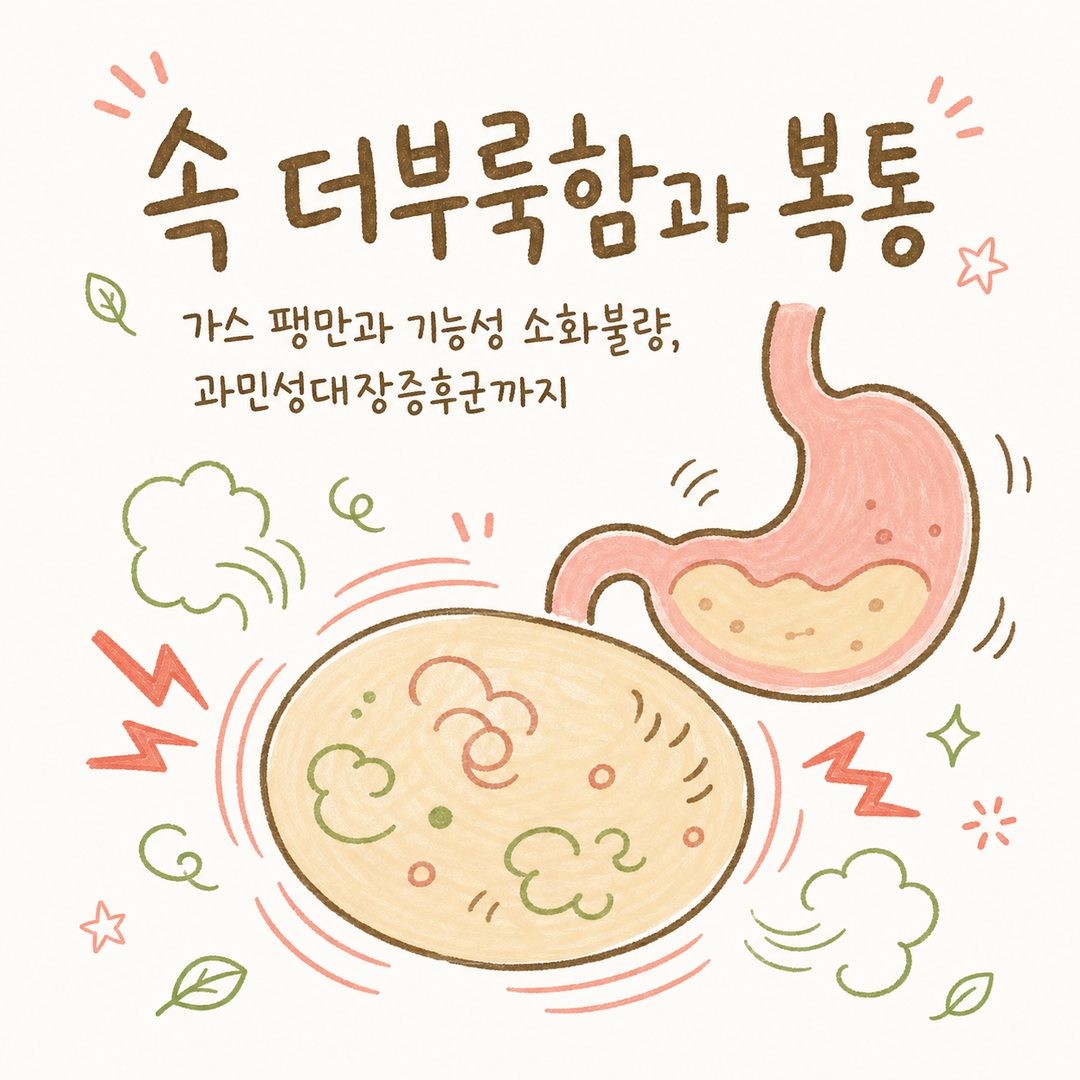
Bloating and Abdominal Pain: From Gas to IBS

Table of Contents
When a heavy, bloated feeling is accompanied by sharp abdominal pain after every meal, it’s easy to feel discouraged. I hear this complaint often in my clinic. It’s usually more than just simple indigestion; it’s a signal from your body.
Why Bloating and Abdominal Pain Occur Together
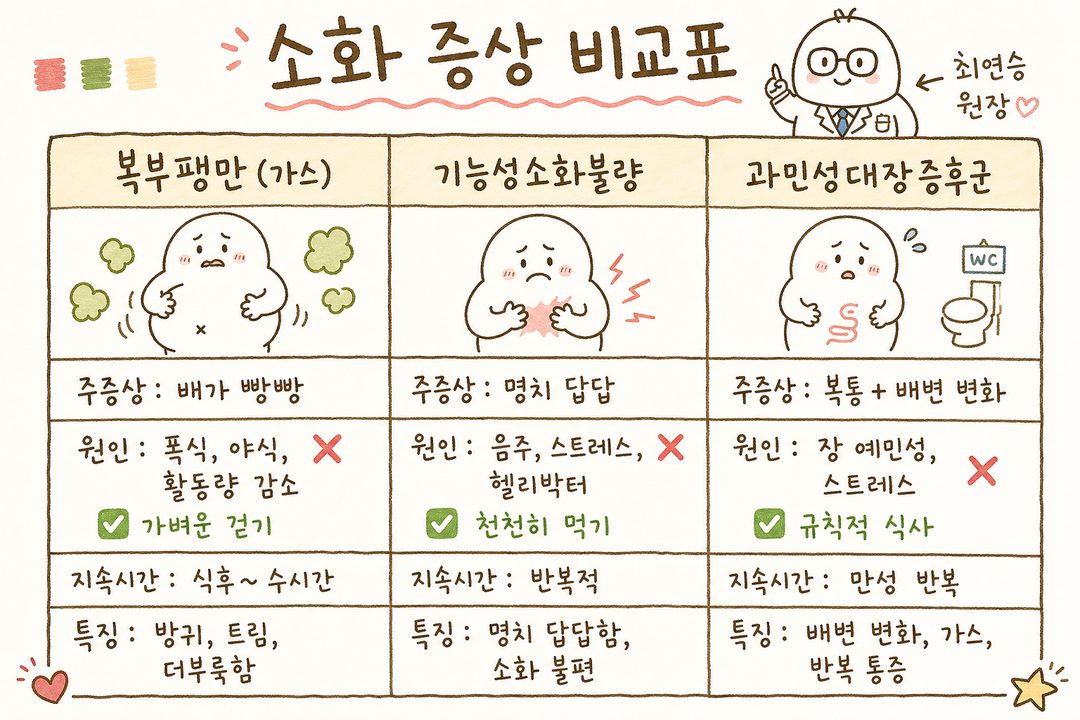
If bloating is accompanied by abdominal pain, there are often multiple overlapping possibilities rather than a single cause. Health data from Ewha Womans University Seoul Hospital suggests considering abdominal bloating (gas), functional dyspepsia, irritable bowel syndrome (IBS), constipation, and, in rare cases, stomach or intestinal diseases. When gas, gastric juice, intestinal fluid, or stool increases in the intestines, abdominal girth expands, leading to bloating, frequent flatulence, belching, and pain all at once.
Binge eating, overeating, lack of physical activity, obesity, and Westernized eating habits centered on greasy foods are common causes of gas distension. Working late, eating a late-night snack, and lying down immediately makes the next morning feel even heavier. Having experienced this myself, I truly empathize with my patients' stories.
Functional Dyspepsia is Surprisingly Common
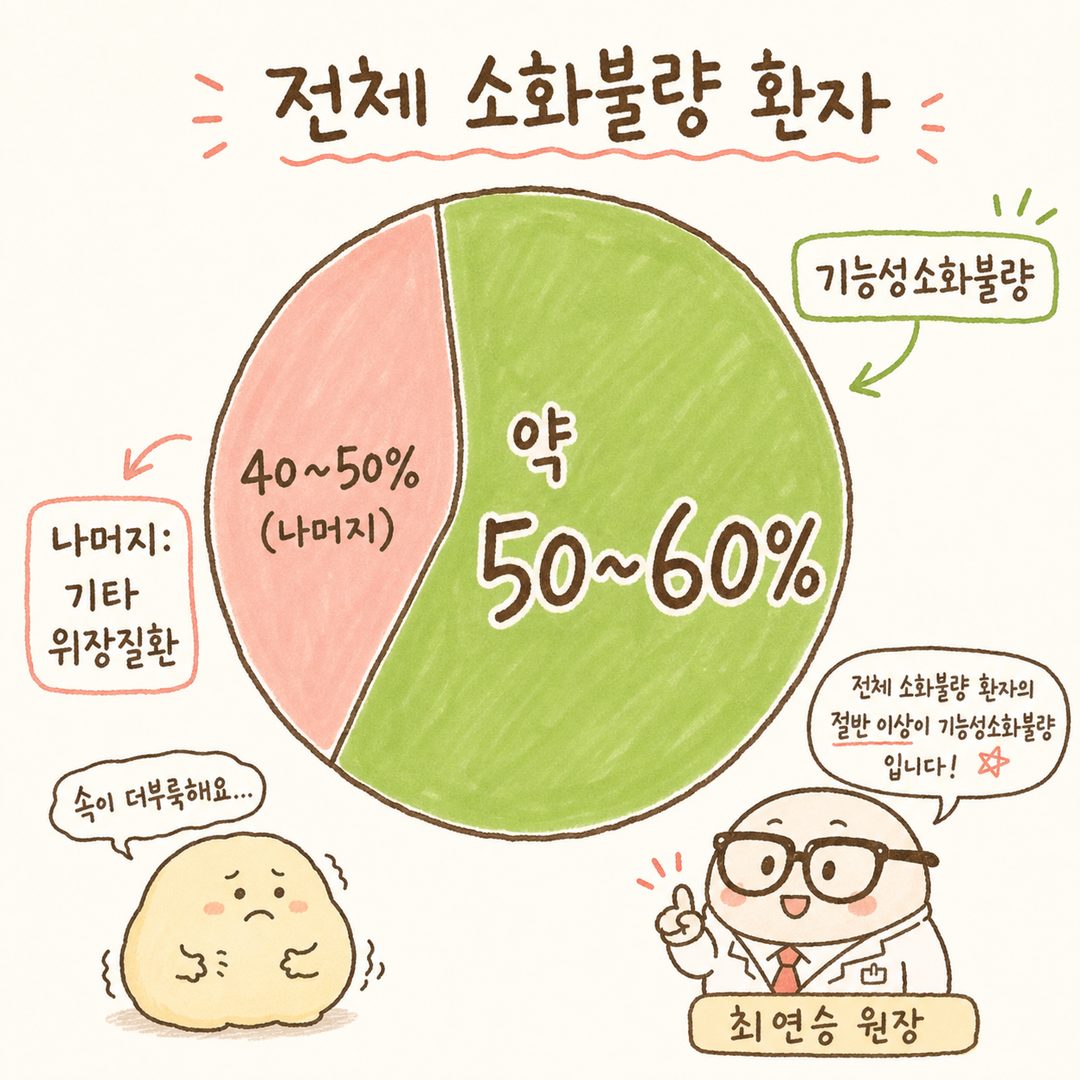
If you experience discomfort in the upper abdomen (epigastrium), feel full after eating very little, and have recurring heartburn or pain despite no major abnormalities on medical tests, functional dyspepsia is suspected. The diagnostic criterion is when these symptoms repeat for more than 3 months. One report indicates that about 50–60% of all dyspepsia patients are diagnosed with functional dyspepsia. It is more common than you might think.
The causes are hidden within daily habits that weaken stomach function. Factors such as alcohol, smoking, chronic stress, irritating foods, strong coffee, carbonated drinks, and H. pylori infection disrupt gastric motility and the mucosal environment, creating bloating and pain. Many people who say "medicine only works temporarily" fall into this category.
Changes in Bowel Habits: A Sign of IBS
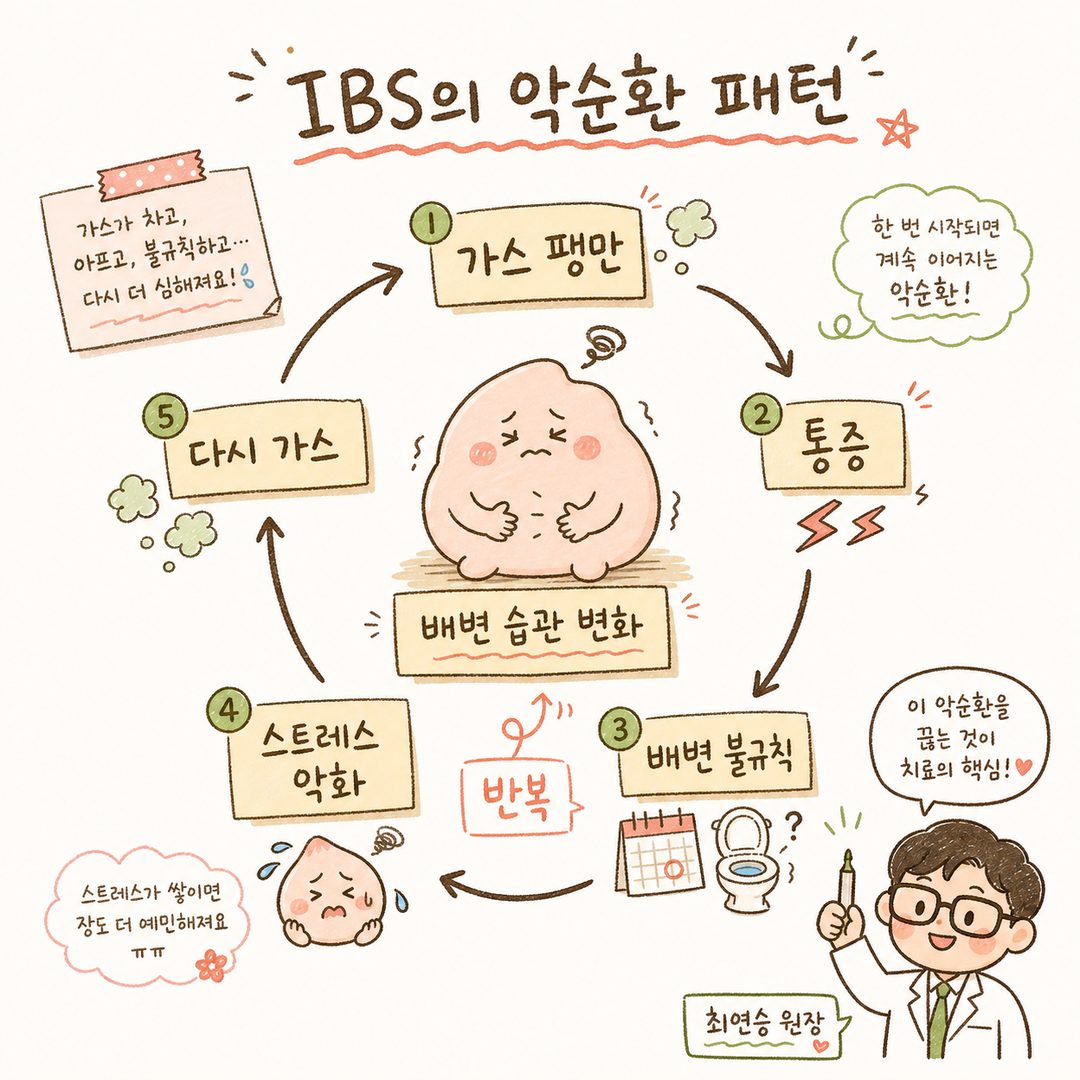
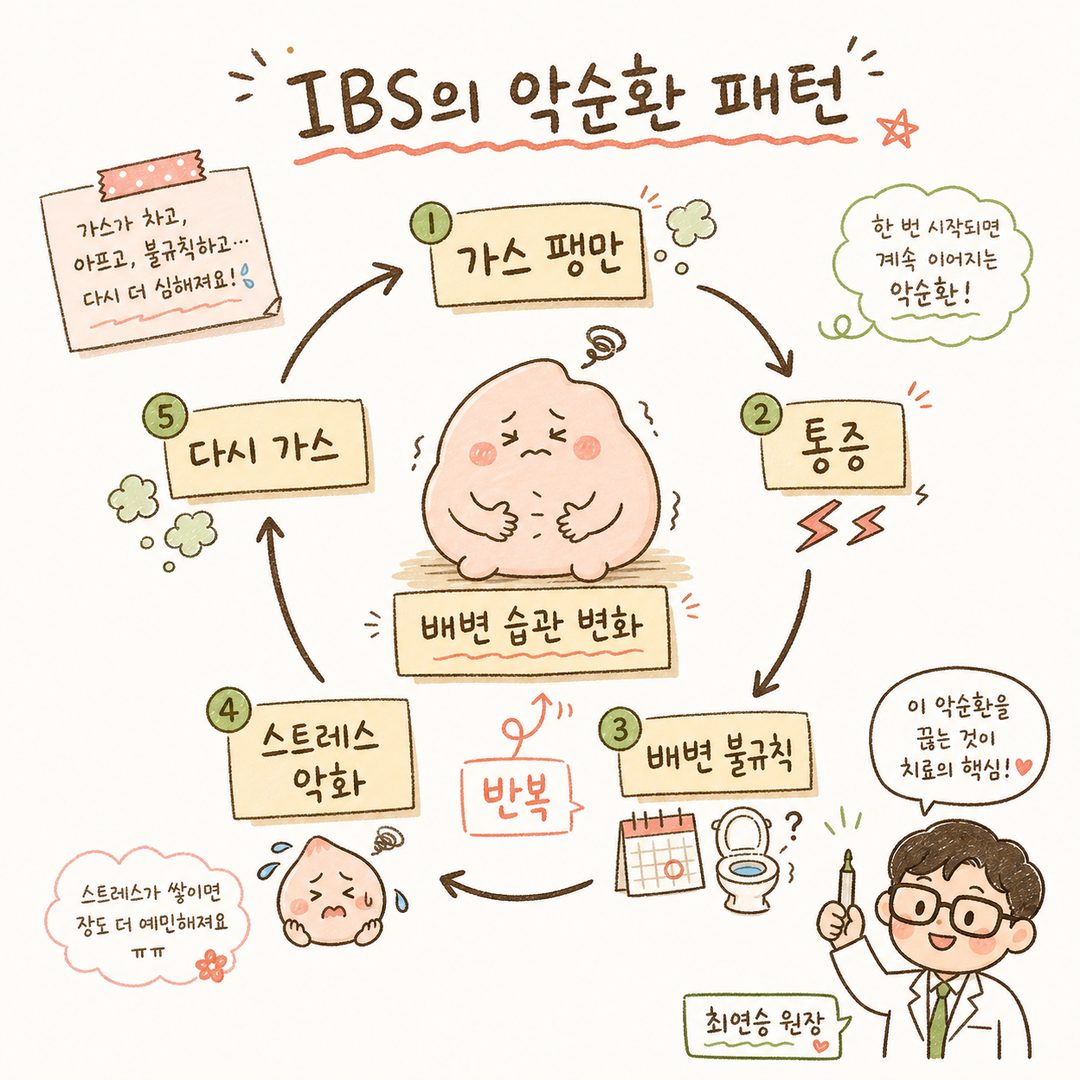
If chronic abdominal pain is repeated and accompanied by changes in bowel habits, such as diarrhea or constipation, Irritable Bowel Syndrome (IBS) is a strong possibility. It is characterized by gas buildup and a pattern where the abdomen feels temporarily better after a bowel movement but then bloats again. Many find it stressful as the urge often strikes right before meetings or going out.
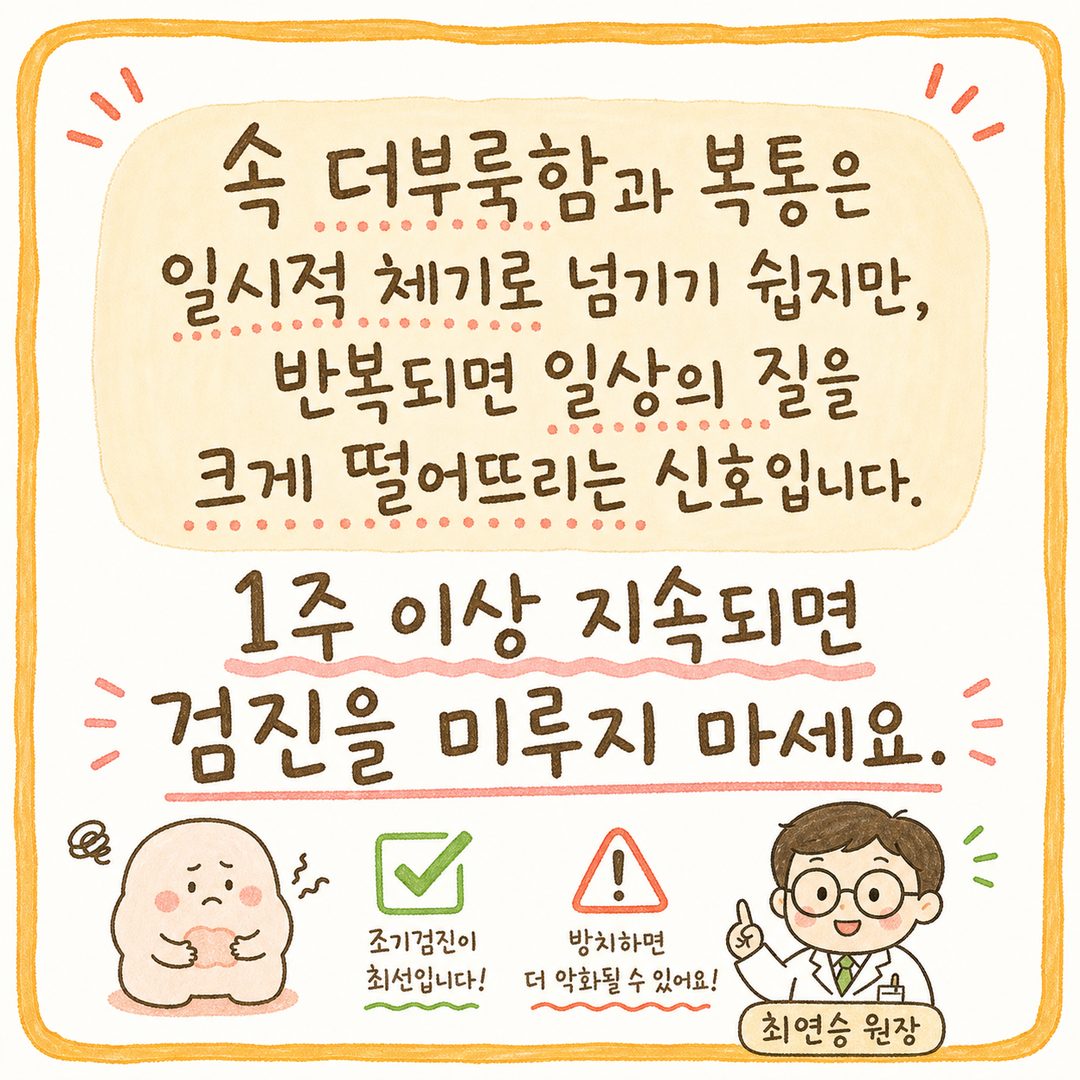
If nausea or vomiting is also present, gastric diseases like temporary indigestion, gastritis, or gastroesophageal reflux disease (GERD) should be considered first. If acid reflux and chest burning occur alongside bloating, reflux is likely. Sudden vomiting, abdominal pain, diarrhea, and fever occurring together could indicate acute gastroenteritis, so seek medical attention quickly. If symptoms repeat frequently or last more than 1 week, do not delay a check-up at an internal medicine or gastroenterology clinic.
The Perspective of Baekrokdam Korean Medicine Clinic
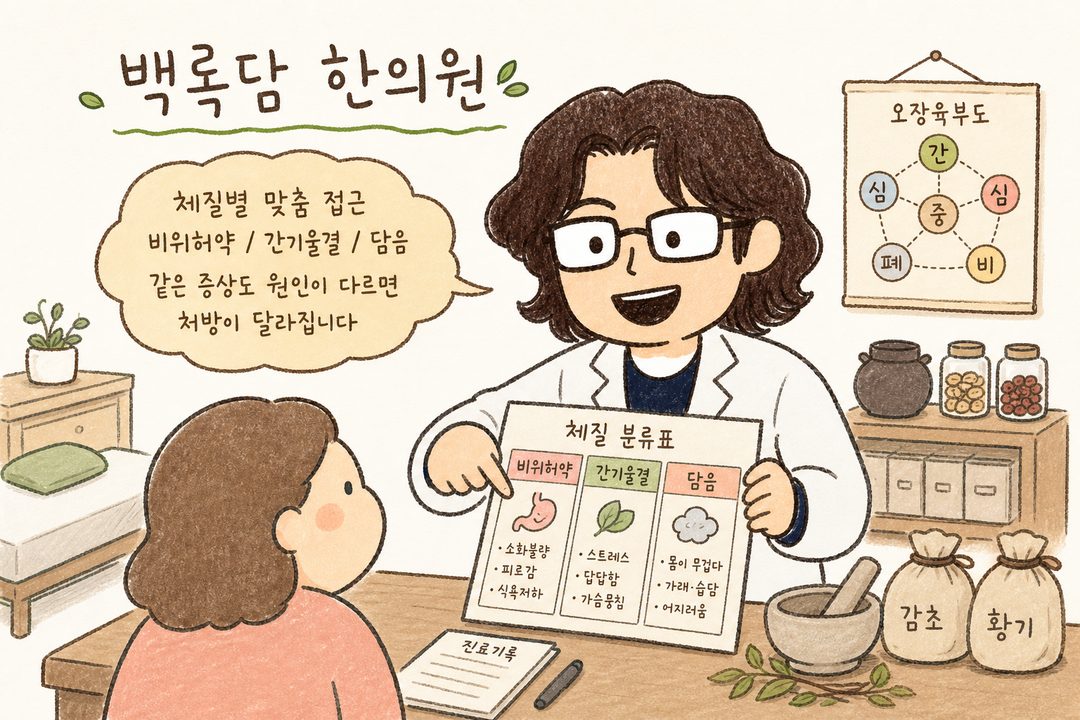
In Korean medicine, even the same bloating is viewed differently based on constitution and cause. The approach differs for those with weak stomach energy (Spleen-Stomach Qi Deficiency), those with blocked energy due to stress (Liver Qi Stagnation), or those feeling heavy due to accumulated "damp-phlegm" (Damyum). This is why we do not use the same prescription for someone with prominent gas, someone with epigastric stuffiness, and someone with irregular bowel movements.
At Baekrokdam Korean Medicine Clinic, we examine eating habits, sleep, stress, body type, and perform abdominal palpation to create a personalized prescription for each constitution. Rather than just temporarily suppressing symptoms, we focus on restoring gastric motility and managing the intestinal environment. In the same vein, we recommend conventional medical check-ups first if there are warning signs like sudden weight loss, bloody stools, or nocturnal pain.
Action Points You Can Start Today
Even small habits, rather than grand changes, can make your stomach feel much more comfortable. Try picking one and doing it for a week.
Reduce meal size to 70–80% of your usual amount and chew slowly and thoroughly.
Leave at least 2–3 hours between dinner and bedtime (avoid lying down immediately after eating).
Avoid greasy fried foods, excessive coffee/soda, and late-night snacks for just one week.
Help gastric motility with a light walk after meals (avoid sitting down immediately).
Warm your stomach with warm water or barley tea instead of cold drinks.
Practice deep abdominal breathing five times when stressed, and do short stretches before bed.
Many find that gas and bloating decrease with just these steps. However, if pain is frequent or bowel patterns remain irregular, it is safer to seek a check-up and consultation rather than enduring it alone.
Bloating and abdominal pain are easy to dismiss as "temporary indigestion," but if they recur, they are signals that significantly lower your quality of life. If dietary habits and stress management don't help, consider a Korean medicine approach tailored to your constitution. At Baekrokdam Korean Medicine Clinic, we offer personalized consultations for gastric function recovery and weight/body management, including Baekrok Gambi-jung. If you have long-standing bloating, feel free to inquire.