Herbal Appetite Suppressants: Ephedra & Job's Tears

Table of Contents
title: "Herbal Appetite Suppressants: Mechanisms of Ephedra & Job's Tears and Safe Usage Guidelines" ---
Many people search for appetite suppressants or herbal medicines when struggling with uncontrollable hunger. In my practice, I often hear questions like, "Can't we just take a pill to solve this?" Today, I'll explain the differences between herbal appetite suppressants used in Korean medicine and pharmaceutical appetite suppressants from pharmacies and hospitals, along with important precautions.
Appetite Suppressants Have Higher Barriers to Entry Than You Think
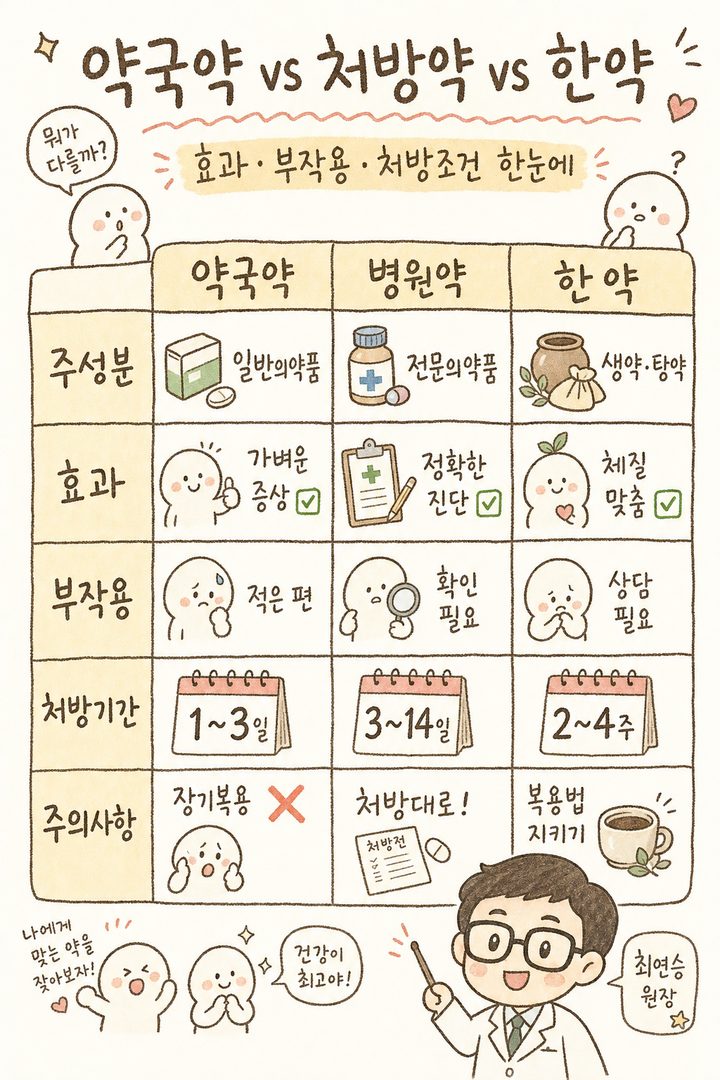
Many ask, "Can't I just buy an appetite suppressant at the pharmacy?" However, most strong appetite suppressants classified as medical drugs require a prescription. Key ingredients include phentermine, phendimetrazine, diethylpropion, and mazindol, mostly classified as psychotropic drugs.
Eligibility criteria are strict: only patients with BMI over 30 or BMI over 27 with risk factors like hypertension, diabetes, or hyperlipidemia qualify. Treatment duration is short—4 weeks minimum to under 3 months maximum. If weight loss is less than 5% during this period, the medication is discontinued or changed. Due to risks of dependency, insomnia, palpitations, blood pressure elevation, and anxiety, these should never be used without medical supervision.
Over-the-counter options include alginate or carboxymethylcellulose-based gastric expansion drugs or green tea extracts. Products like Mameide-jung work by expanding 200-300 times in the stomach when taken with water. However, those with risk of intestinal obstruction or gastrointestinal disorders should consult a pharmacist first.
How Herbal Medicine Regulates Appetite
Korean medicine approaches weight management differently, with three main mechanisms:
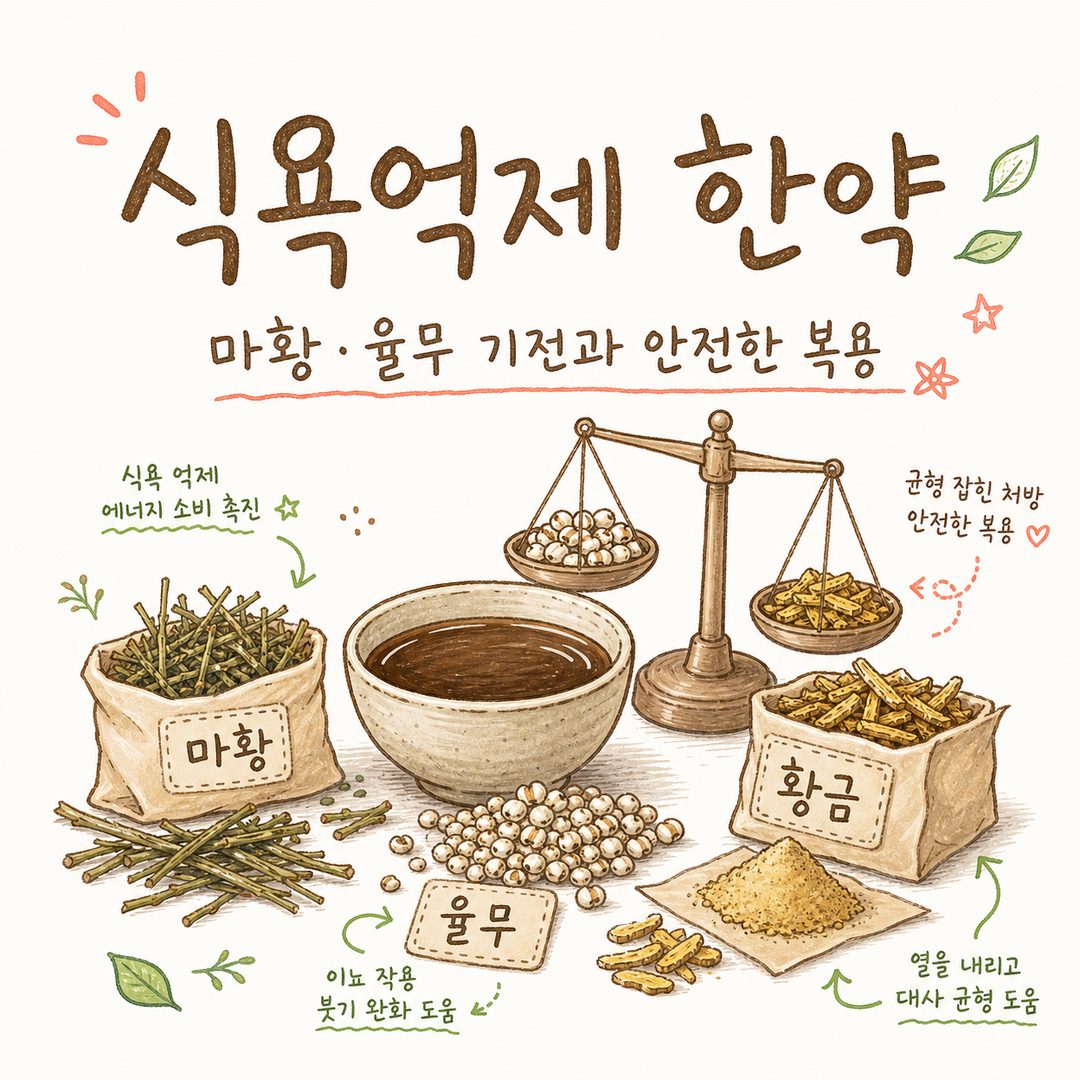
First, stimulating the sympathetic nervous system to reduce appetite and increase metabolism. The key herb is Ephedra (Ma-hwang), whose ephedrine component acts on the central nervous system to reduce hunger perception while increasing heart rate and metabolism, leading to higher calorie burn.
Second, regulating satiety through hormones. Job's Tears (Coix Seed/Yulmu) is the primary herb here. Research from Dongguk University (Journal of Korean Medicine for Obesity Research, Vol.16 No.1) shows that Job's Tears increases leptin secretion, reducing hunger. It also helps reduce water retention, making it essential in weight management formulas.
Third, supporting digestion and metabolism. Herbs like Rehmannia (Sookjihwang) and Scutellaria (Hwanggeum) help maintain energy levels during reduced food intake and calm stomach heat to control false hunger.
However, Ephedra-containing formulas may cause side effects like palpitations, insomnia, and menstrual irregularities. They should only be used short-term under professional supervision. The belief that "herbal diet pills are safe for long-term use" is potentially dangerous.

Baekrokdam's Perspective on Appetite
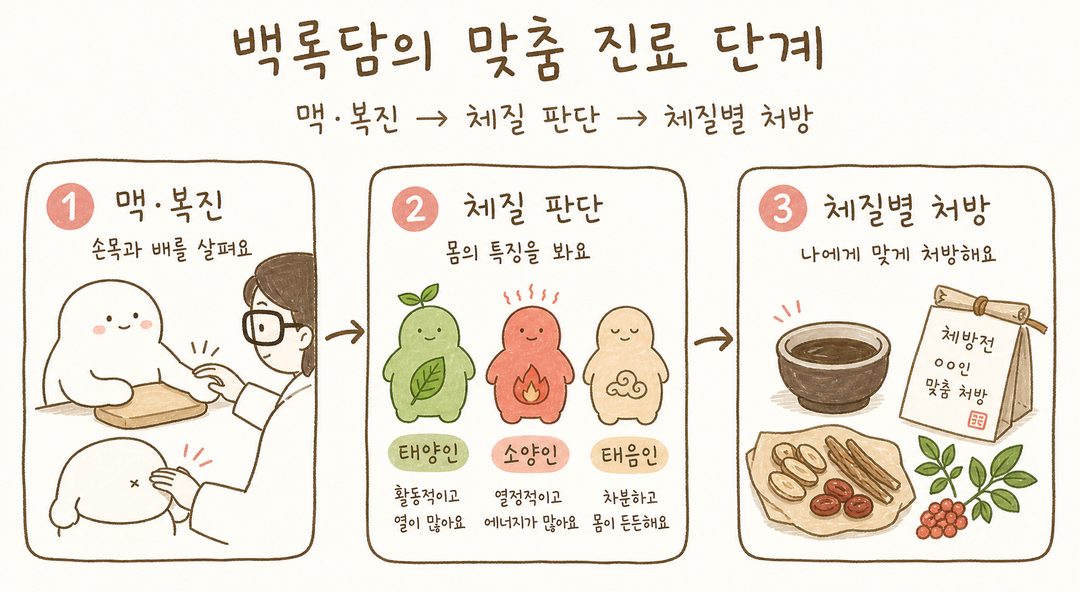
In my practice, I don't view appetite as something to simply suppress. Uncontrollable appetite involves complex factors including constitution, stress, hormonal balance, and sleep patterns. Even at the same weight, some patients experience intense hunger due to stomach heat (胃熱), while others with phlegm-fluid (痰飮) constitution struggle with false hunger.
At Baekrokdam, we don't prescribe based on keywords alone. We begin with pulse and abdominal diagnosis, assess lifestyle patterns, and adjust Ephedra ratios according to constitution. For patients with significant stomach heat, we add cooling herbs like Scutellaria. Sustainable results come from combining herbal treatment with dietary coaching.
Particularly for Ephedra-based formulas, we consider alternative prescriptions for patients with cardiovascular concerns, high blood pressure, hyperthyroidism, or during pregnancy/breastfeeding. Safety in herbal medicine begins with constitutional assessment.

Practical Tips for Appetite Control Without Medication
Here are effective strategies to manage appetite, whether used alone or alongside treatment:
Take 10-20 minutes per meal. Chewing slowly allows satiety signals to reach your brain.
Drink a glass of water before meals to partially fill your stomach (similar to gastric expansion drugs).
Include a palm-sized portion of protein per meal for lasting fullness.
When nighttime cravings hit, take a 30-minute walk to break the cycle. Appetite is closely tied to emotions, and environmental changes can be surprisingly effective.
Prioritize sufficient sleep. Sleep deprivation increases ghrelin, leading to intense hunger the next day.
These five practices can significantly smooth out appetite fluctuations within days. Herbal medicine works best when built upon this foundation.
Whether considering pharmaceutical or herbal appetite suppressants, the key is understanding why your body is sending such strong hunger signals. At Baekrokdam, our Baekrok Gambi-jung program customizes the ratio of key herbs like Ephedra and Job's Tears according to individual constitution, offering alternative formulations for those sensitive to Ephedra. If you're seeking to manage appetite safely without excessive reliance on medication, we invite you to visit a Baekrokdam clinic for a constitutional assessment.