
Herbal Appetite Suppressants: From Ephedra to Metabolism

Table of Contents
The most common thing I hear in my practice is, "Doctor, I can't stick to a diet because I lack willpower." But it's not just about willpower. It's much easier to avoid eating when you're less hungry, yet most diets just tell you to endure that hunger. Herbal appetite suppressants aim to address this very issue. As someone who has caved to late-night chicken cravings many times, I know how empty the advice to 'just resist' can feel.

What Are Herbal Appetite Suppressants?
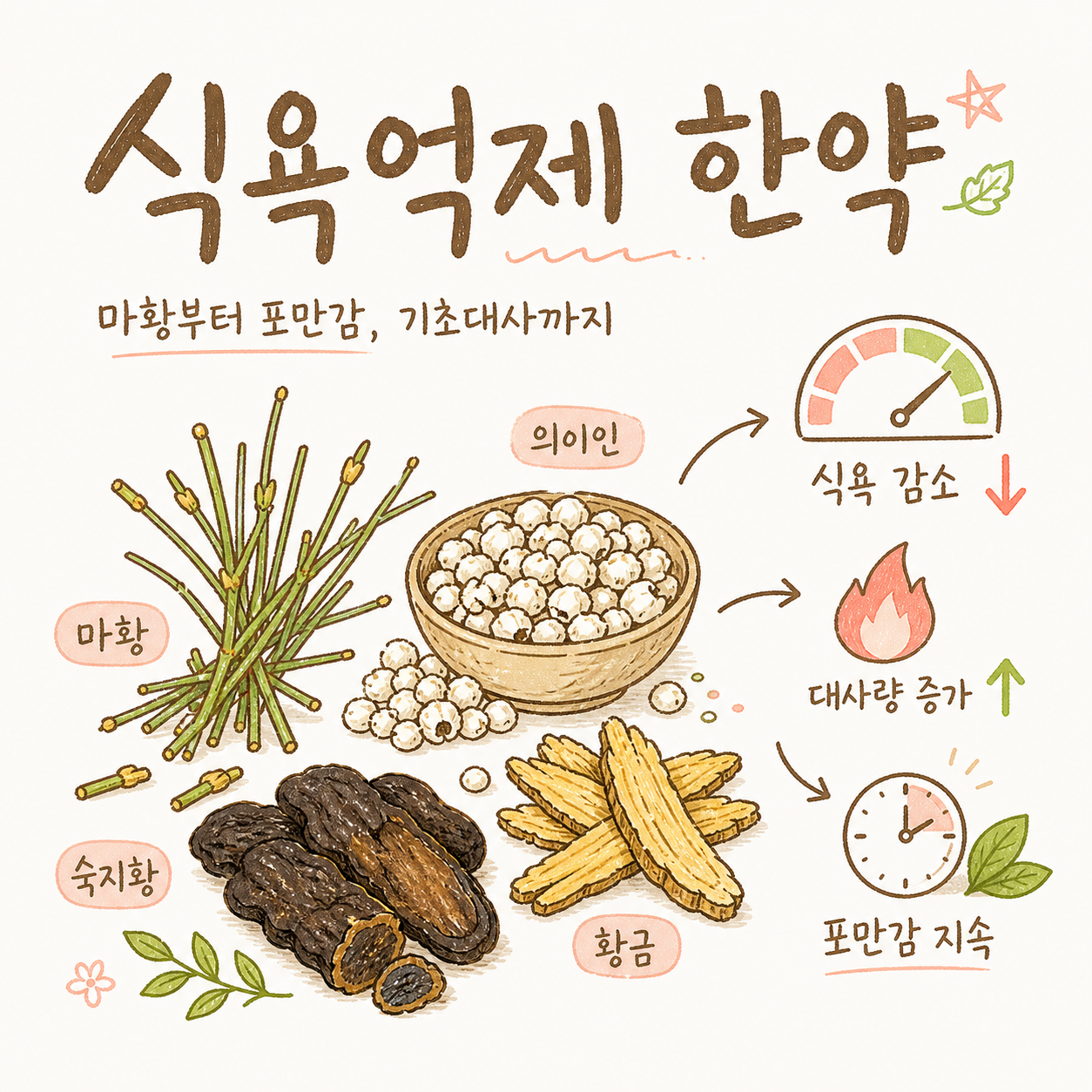
Herbal appetite suppressants are formulations using herbs like Ephedra (Ma-hwang), Coix seed (Yiyiren), Rehmannia (Sookjihwang), and Scutellaria (Hwanggeum) to regulate appetite while simultaneously enhancing satiety and basal metabolism. While often thought of simply as "appetite-reducing medicine," their scope is actually broader. They're designed to address autonomic nervous system function, hormone balance, and metabolism while reducing appetite and promoting fat burning.
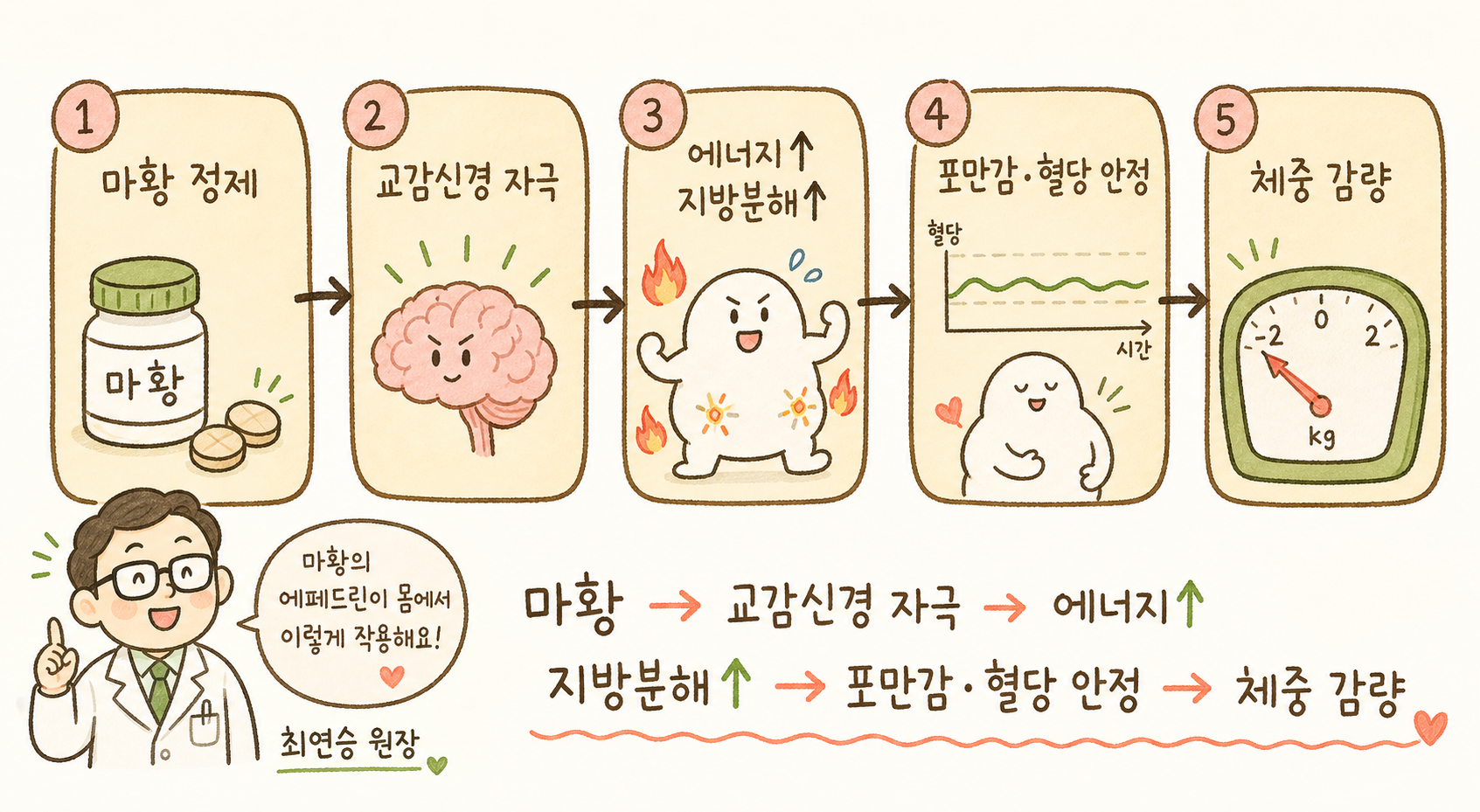
These formulations work in several ways. Herbs like Ephedra stimulate the sympathetic nervous system, reducing hunger sensations. They can also decrease blood flow and activity to the stomach, reducing appetite. Coix seed increases secretion of leptin, an appetite-suppressing hormone, helping to control hunger and prolong feelings of fullness.
How Did This Treatment Approach Develop?
Korean medicine weight management formulations weren't developed overnight. They were refined through careful consideration of how to address both appetite and metabolism simultaneously. According to Ilsan Good Samaritan Hospital data, Korean medicine weight management has three main goals: preventing excessive appetite suppression, increasing basal metabolic rate, and regulating lipid metabolism.
Ephedra plays a key role here. Its ephedrine content is known to increase energy expenditure and aid fat breakdown. Essentially, it helps you burn more even when consuming the same amount of food. Some formulations also aim to stabilize blood sugar levels to reduce binge eating and late-night snacking patterns. Rather than being just an appetite suppressant, these formulations work to adjust the body's entire process of receiving and utilizing food.
Essential Considerations Before Taking
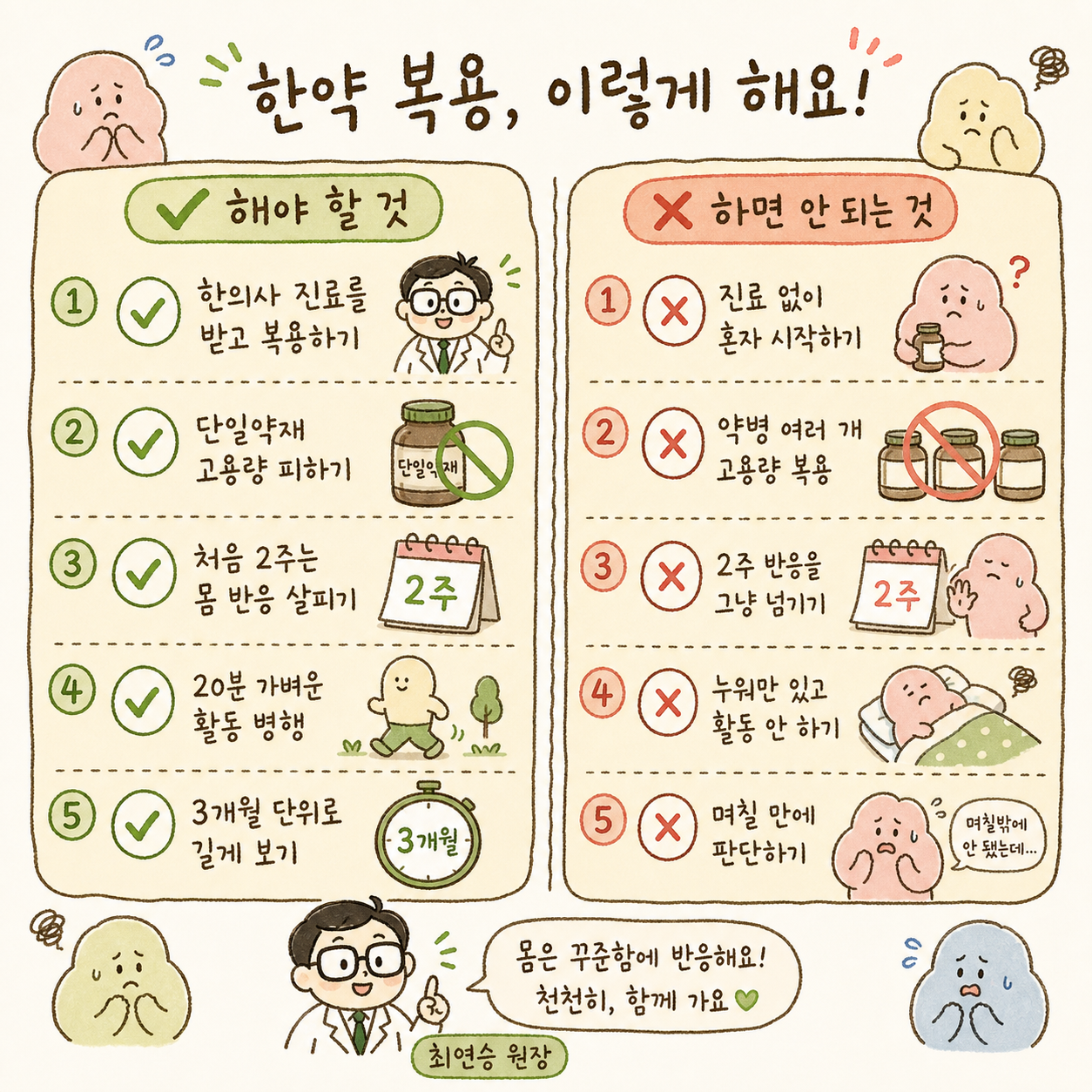
Despite their promising mechanisms, these are still medications. Keep these points in mind before starting:
Consult a Korean medicine doctor first. Formulations containing Ephedra may cause side effects like heart palpitations, insomnia, or menstrual irregularities. Reactions vary by constitution and existing conditions.
Avoid self-administering high doses of single herbs. Increasing Ephedra dosage on your own can amplify side effects.
Start with a 2-week trial period to observe your body's response. Adjust immediately if you experience noticeable heart palpitations or sleep issues.
Don't rely solely on medication. Adding light activities like 20 minutes of daily walking makes the process much smoother.
View the entire process as a 3-month journey. Expecting results within a week or two will only increase frustration.

Addressing Common Misconceptions
The most common misconception is that "taking herbal medicine alone will make you lose weight." Herbal appetite suppressants help you eat less; they don't make what you eat disappear. Results come when supported by proper diet and activity.
Another misconception is equating "appetite suppression" with "starving." The approach is actually the opposite. One of the treatment's goals is to prevent excessive appetite suppression, breaking the vicious cycle of extreme dieting followed by binge eating.
Be cautious of claims that "herbal medicine is natural, so it has no side effects." Ephedra is a potent herb that can cause palpitations and insomnia. The term 'natural' doesn't guarantee safety.

From a Weight Management Perspective: Is It Really Effective?
To be honest, herbal appetite suppressants can help reduce appetite and support weight loss. However, no medication in the world can guarantee that "you'll lose weight just by taking it." The same applies to herbal medicine.
The principle is simple: reduced appetite naturally leads to smaller portions and fewer late-night cravings. When combined with increased basal metabolism, you burn more calories. With less coming in and more going out, weight follows this balance. Even someone aiming to lose 5kg ultimately operates within this simple equation.
That's why I describe herbal medicine not as "magic" but as a "support system." It helps lower the biggest obstacle—hunger—for those struggling with willpower alone. During this period, you can build better eating and activity habits that remain even after stopping the medication.
While herbal appetite suppressants can be valuable tools when used properly, they're not universal solutions. Ephedra may suit some bodies but burden others. That's why I recommend consulting a professional before starting, rather than self-prescribing. If you'd like to begin with light appetite control through telemedicine, feel free to consult about our Baekrok Gambi-jung. Whatever path you choose, the fastest way forward is to work with your body rather than relying solely on medication.