Shelf Life of Korean Herbal Diet Medicine: Storage Tips

Table of Contents
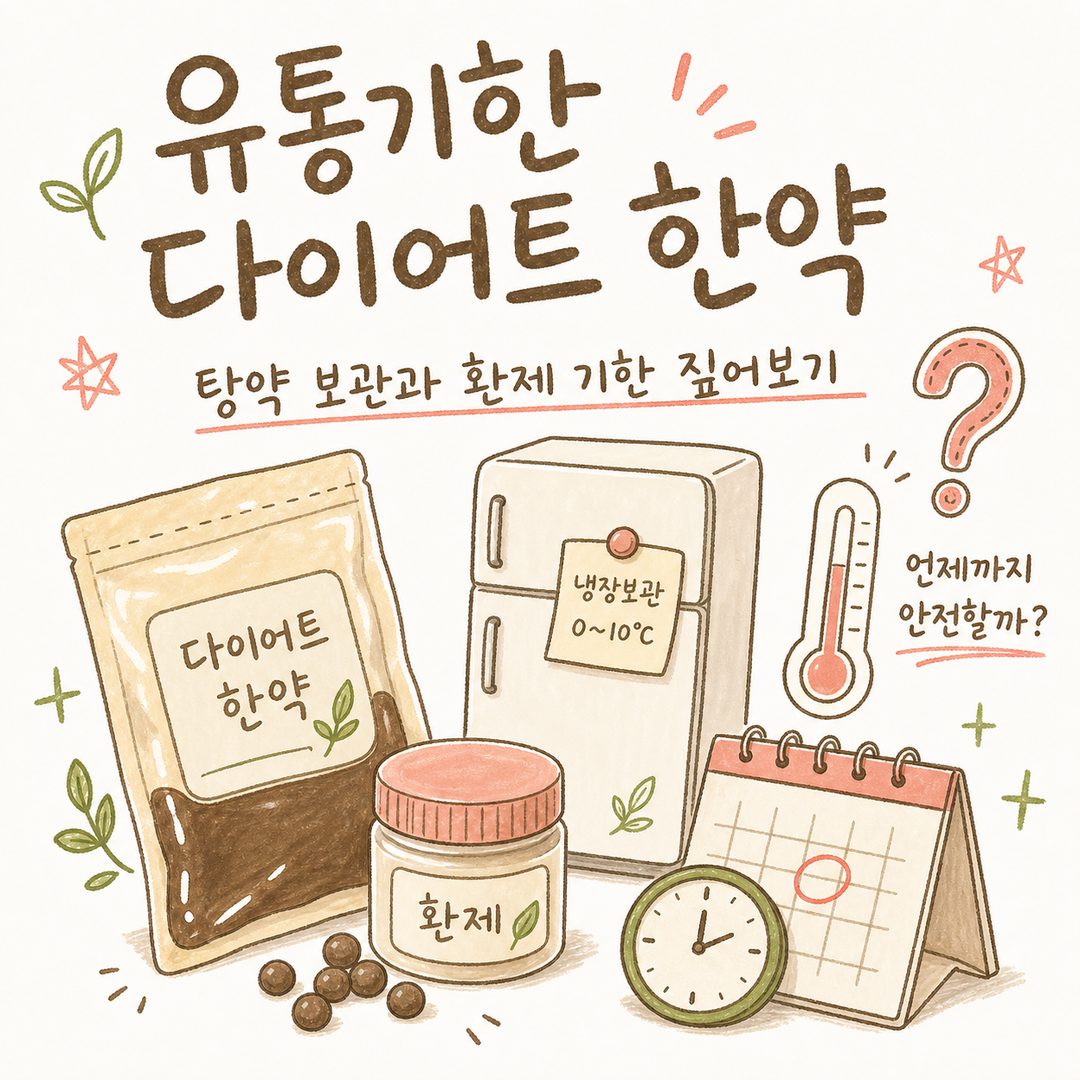
Have you ever hesitated before taking diet herbal medicine you found in the fridge, wondering, "Is this still okay to take?" This is one of the most common questions I hear in the clinic. You might notice a slight change in color or a pouch that looks a bit bloated, and it feels like a waste to throw away medicine that might still be fine. Today, I will explain the shelf life of diet herbal medicine step-by-step by formulation.
Why Does the Expiration Date Vary for Each Herbal Medicine?
The shelf life of diet herbal medicine varies significantly depending on the 'formulation' and 'storage conditions.' There aren't separate standards just because it's for weight management; the key factor is the moisture content within the medicine.
Pouch-type decoctions have high moisture content, posing the highest risk of spoilage. If left at room temperature during summer, they can spoil in just one day. Conversely, pills or capsules are made through a drying process, making it difficult for microorganisms to thrive. This is why the storage period can differ several times over for the same ingredients depending on their form.
Additionally, whether the package has been opened and the state of the vacuum seal also determine the lifespan. If the vacuum is lost or a microscopic hole appears in the pack, the printed expiration date becomes effectively meaningless. Before assuming it's safe because the date hasn't passed, you must first inspect the condition of the packaging.
How Long Can You Store Each Formulation?
Pouch decoctions are often the most confusing. Here is a summary:
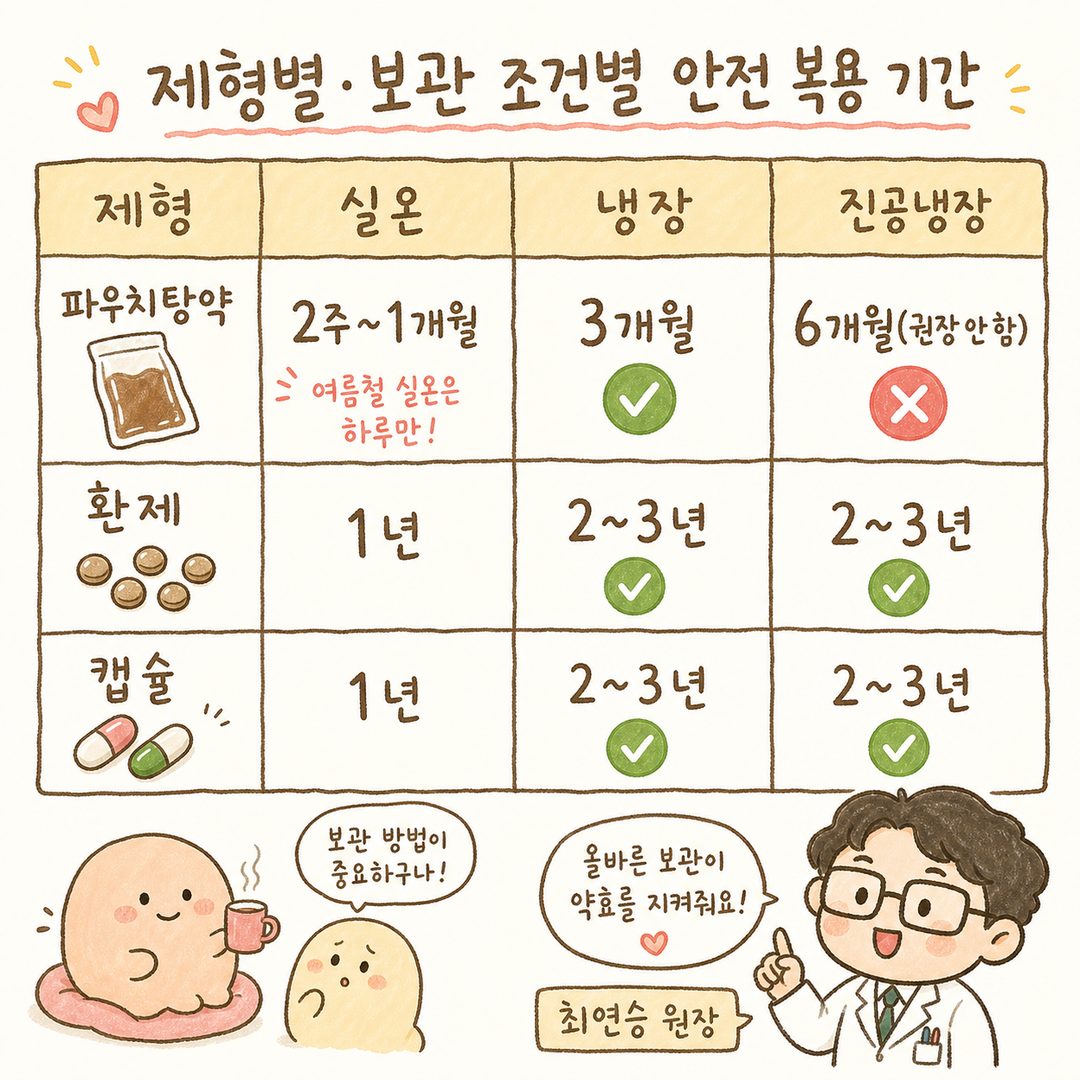
Room temperature: Generally recommended to consume within 2 weeks to 1 month (can spoil in a day during summer).
Refrigerated: Based on clinical experience, many experts agree there is no significant change for up to 3 months.
Vacuum-sealed + Refrigerated: Some places suggest up to 6 months, but consumption is generally not recommended after 6 months.
Average Korean Medicine Doctor's response: Approximately 3 to 4 months in the fridge is considered the safety limit.
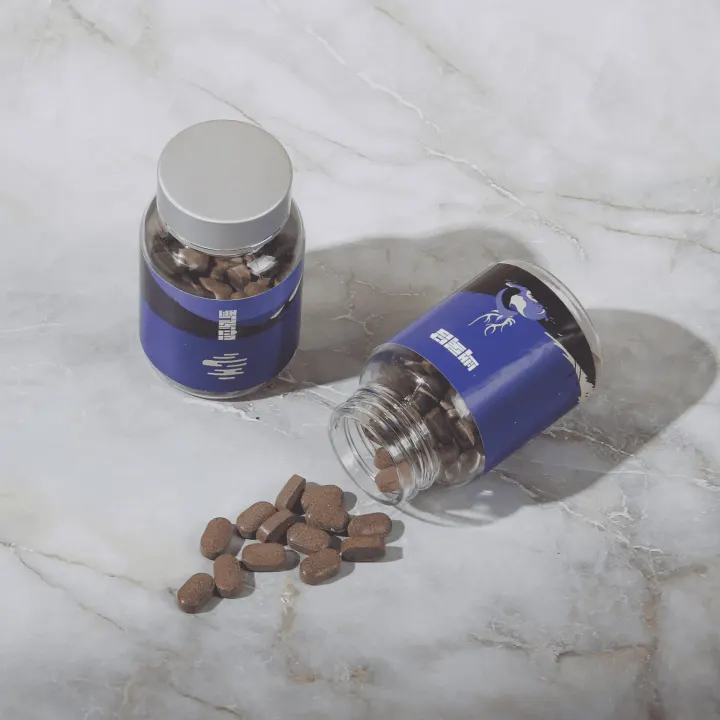
Korean herbal diet pills have a bit more leeway. Standard herbal pills usually last 1 to 2 years, and since diet pills are often manufactured for long-term storage, some can last 2 to 3 years if stored properly. Powders and capsules follow similar standards to pills.
However, remember that the date printed on the packaging and the guidance from your prescribing clinic are the top priorities. Even for the same type of pill, the safety limit changes depending on which herbs were used.
Common Real-Life Scenarios
I often see this in the clinic: patients who started a Korean medicine diet last year, stopped after a month or two due to social gatherings or travel, and then pull the medicine out of the fridge six months later, thinking, "Should I start again?"
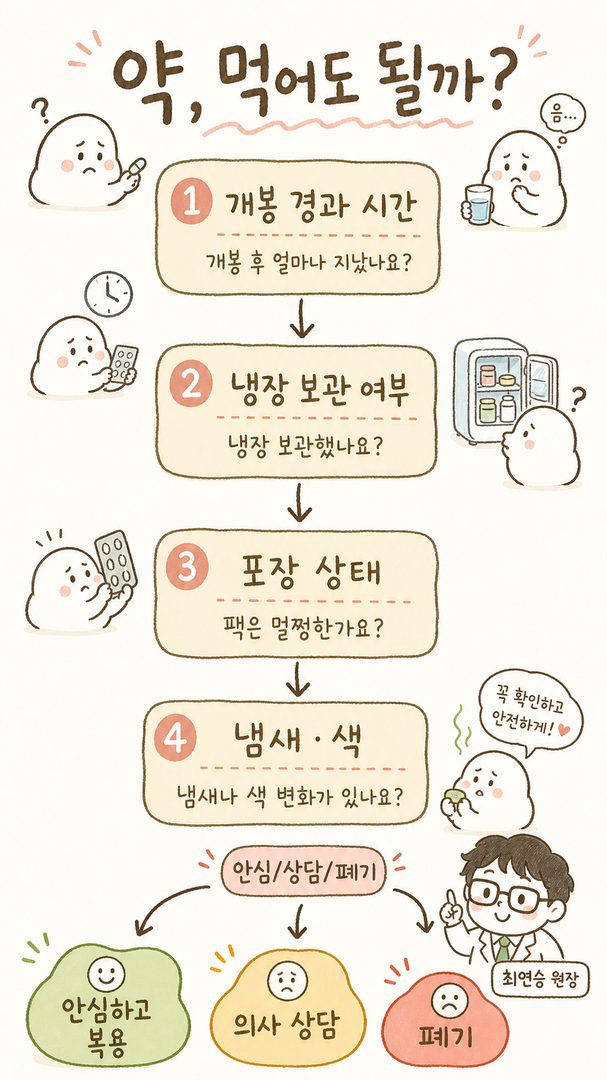
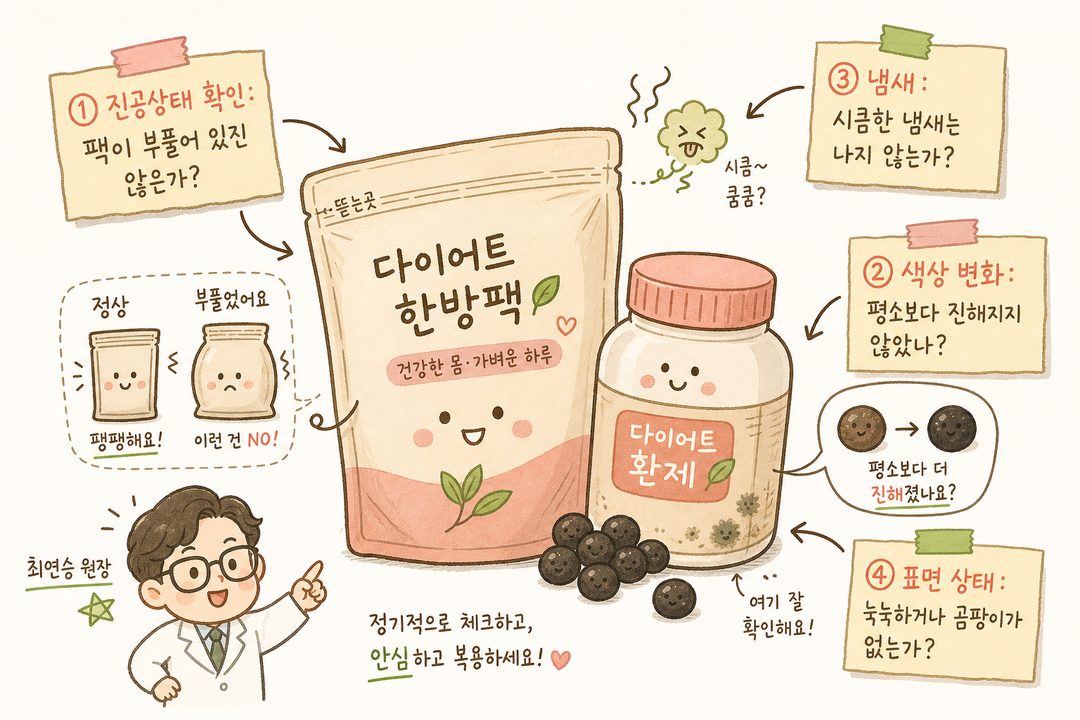
In such cases, the first things to check are whether the pack is bloated, if there is a sour smell, or if the color is darker than usual. If any of these apply, I recommend immediate disposal. Even if it looks fine on the outside, if it has been more than 3 months since it was dispensed, the efficacy has likely decreased. Taking spoiled medicine can cause indigestion or diarrhea, and you certainly cannot expect the intended weight management effects.
The same applies to pills. If they were kept on a humid kitchen shelf and the granules are sticking together or the surface feels damp, mold may have started to grow, so it is best not to take them. While getting a new prescription might seem like a hassle, it is much safer than consuming spoiled medicine.
How Korean Medicine Views Efficacy
In Traditional Korean Medicine, we believe that the 'Gimi (氣味)'—the inherent energy and flavor of the herbs—must be preserved for the medicine to fulfill its role. Over time, volatile components evaporate first, and the unique aroma and color of the herbs fade. This is why the body's reaction changes even if the medicine looks the same.
In particular, diet herbal medicine mainly contains ingredients that boost metabolism and manage appetite. These herbs tend to have a high proportion of volatile and aromatic components. When patients say, "The effect feels weaker," after taking old medicine, it is not just their imagination.
That is why I advise patients: "Even if the expiration date hasn't passed, please visit us if 3 months have gone by since your prescription." Your constitution may have changed in the meantime, or your prescription might need adjustment based on your current diet stage. There is nothing more unfortunate than missing out on results because you were trying to save medicine.
Storage Tips You Can Apply Today
Don't overthink it; just follow these simple rules:
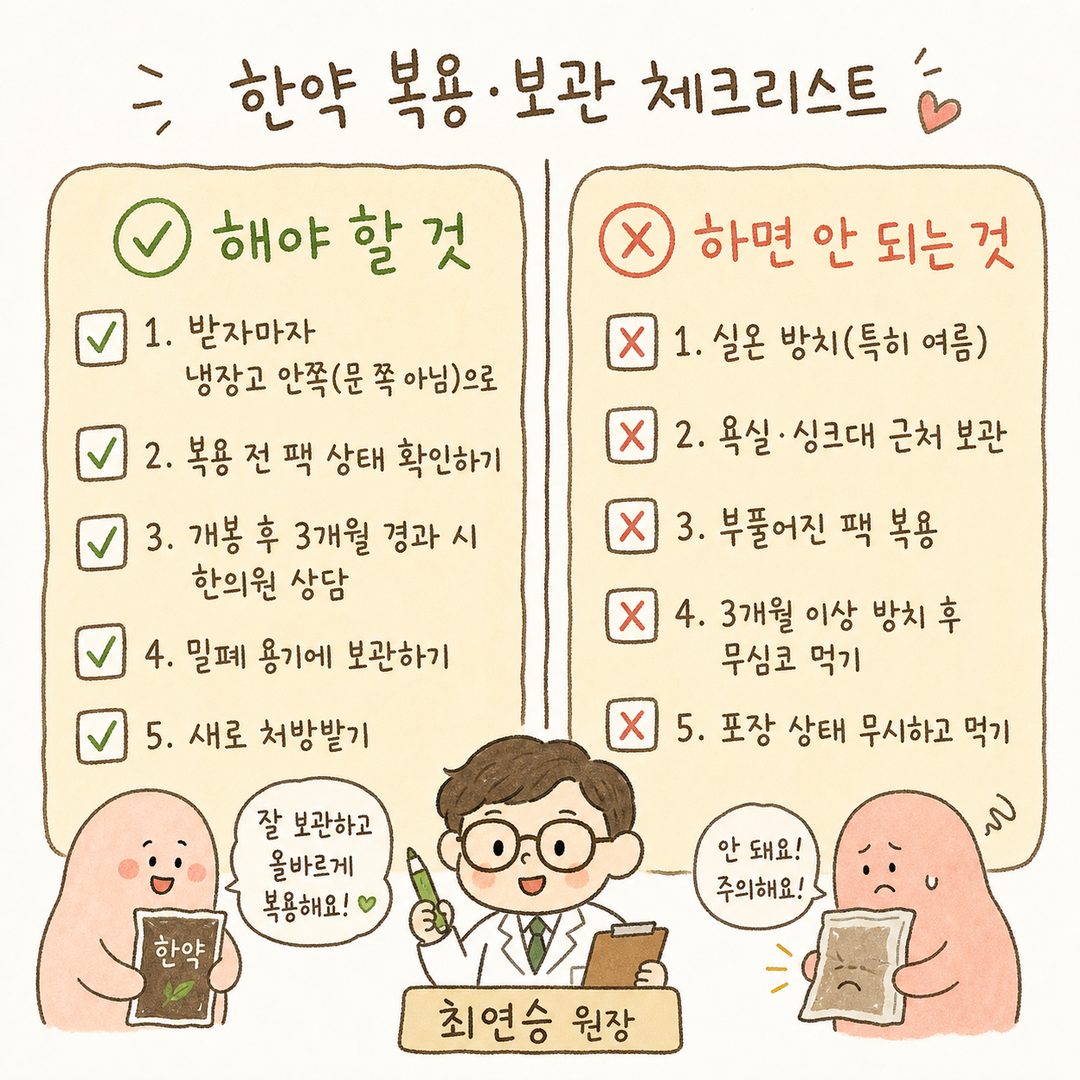
Pouch Decoctions: Put them in the back of the fridge (not the door) as soon as you receive them. Only leave out the portion you will drink that day at room temperature.
Pills/Capsules: Store in an airtight container in a cool, dry place away from moisture. Avoid bathrooms or areas near the sink.
Before taking: Always check if the pack is bloated or has a sour smell.
After 3 months: For medicine older than 3 months, consult your clinic before deciding to take it.
During menstruation: Most can be taken, but if your condition is lower than usual, stop briefly and consult medical staff.
Note on labeling: According to Ministry of Food and Drug Safety guidelines, food labeling will change to 'use-by dates' starting June 2026, but herbal medicines follow separate standards, so do not be confused.
A small habit can either preserve or diminish the efficacy of your medicine. Since consistency is vital in weight management, I hope you pay attention to storage to maintain the full effect of your initial prescription.
If you have diet herbal medicine in your fridge and are hesitating, don't worry alone—contact the clinic that prescribed it. At Baekrokdam Clinic, we prescribe Baekrok Gambi-jung tailored to your constitution and eating habits, and we are always available for consultation regarding storage or changes in your condition during your regimen. We will help you ensure that not a single pouch of medicine goes to waste.