Low-Carb, High-Fat Diet Menu — Exploring Carb Restriction and Unsaturated Fats

Table of Contents
A question I hear multiple times daily in the clinic: "Doctor, I want to switch to low-carb high-fat, but what should I actually eat every day?" You understand the theory, yet facing the kitchen counter feels overwhelming. Living in a food culture where rice and noodles are staples makes it even harder. I've wrestled with the same dilemma myself.
The core of low-carb high-fat isn't about eating lots of fat. It's about switching your body's energy source from glucose to ketone bodies. To do that, the first thing to adjust is your carbohydrate intake.
Start with 20~50 grams of carbs per day
Whether you achieve low-carb high-fat depends on how much you reduce carbohydrates. When you lower daily intake to 20-50 grams, your body's stored glucose gets depleted. That's when you enter 'ketosis'—the state where you burn fat for energy.
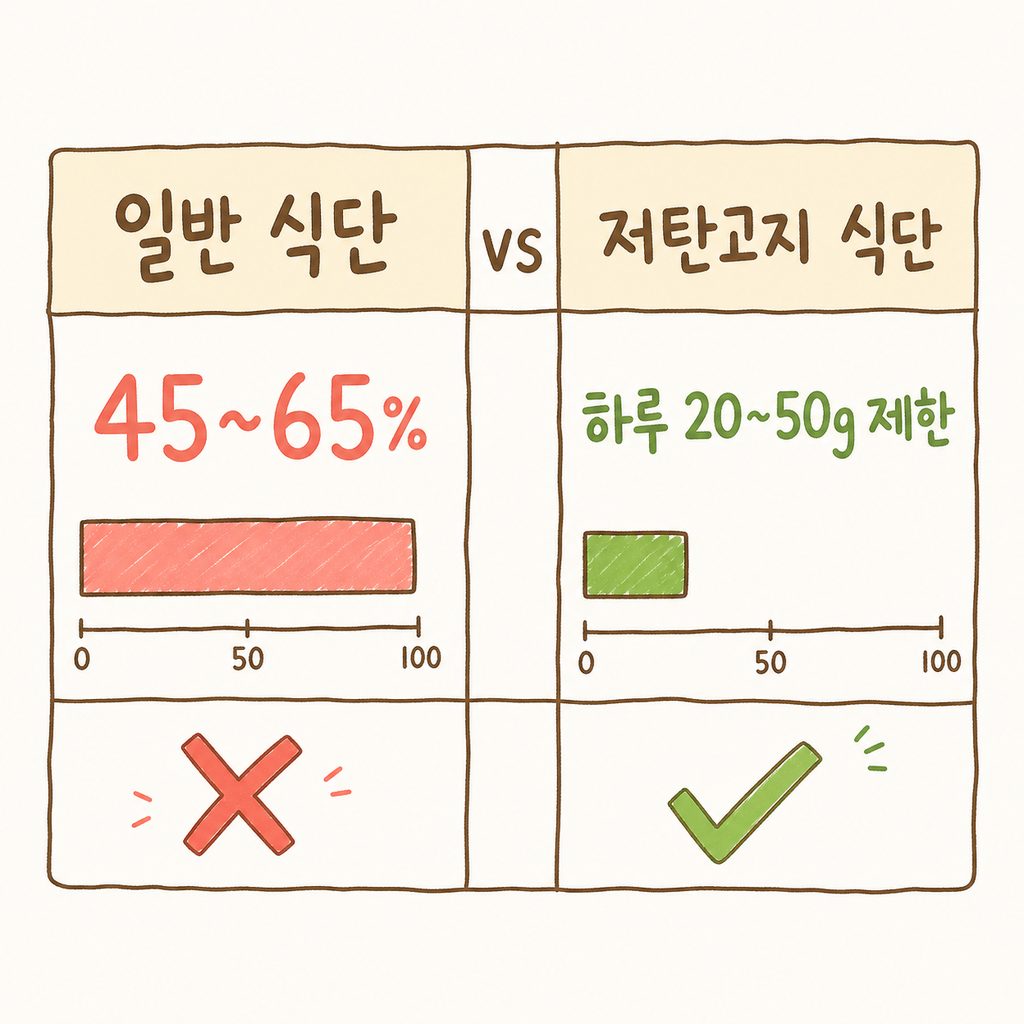
Standard dietary guidelines recommend filling 45-65% of total calories with carbohydrates. This diet drastically lowers that ratio. However, cutting too aggressively from the start will shock your body. Try gradually reducing your rice portions, giving your body time to learn how to use fat as fuel.
Protein needs appropriate ratios
Simply increasing fat doesn't mean you should arbitrarily increase protein. General nutrition guidelines recommend protein at 15-20% of total energy. Excess protein gets converted to glucose by your body, which can delay your entry into ketosis.
So when eating meat, instead of insisting on only lean cuts, try choosing cuts with moderate fat content. Rotating quality protein sources like fish and eggs also prevents nutritional imbalance.
Prioritize unsaturated fats
The most misunderstood area is 'fats.' It's not about blindly eating more pork belly or butter. Relying solely on foods high in saturated fats raises vascular health concerns. That's why I always emphasize unsaturated fat-focused consumption in the clinic.
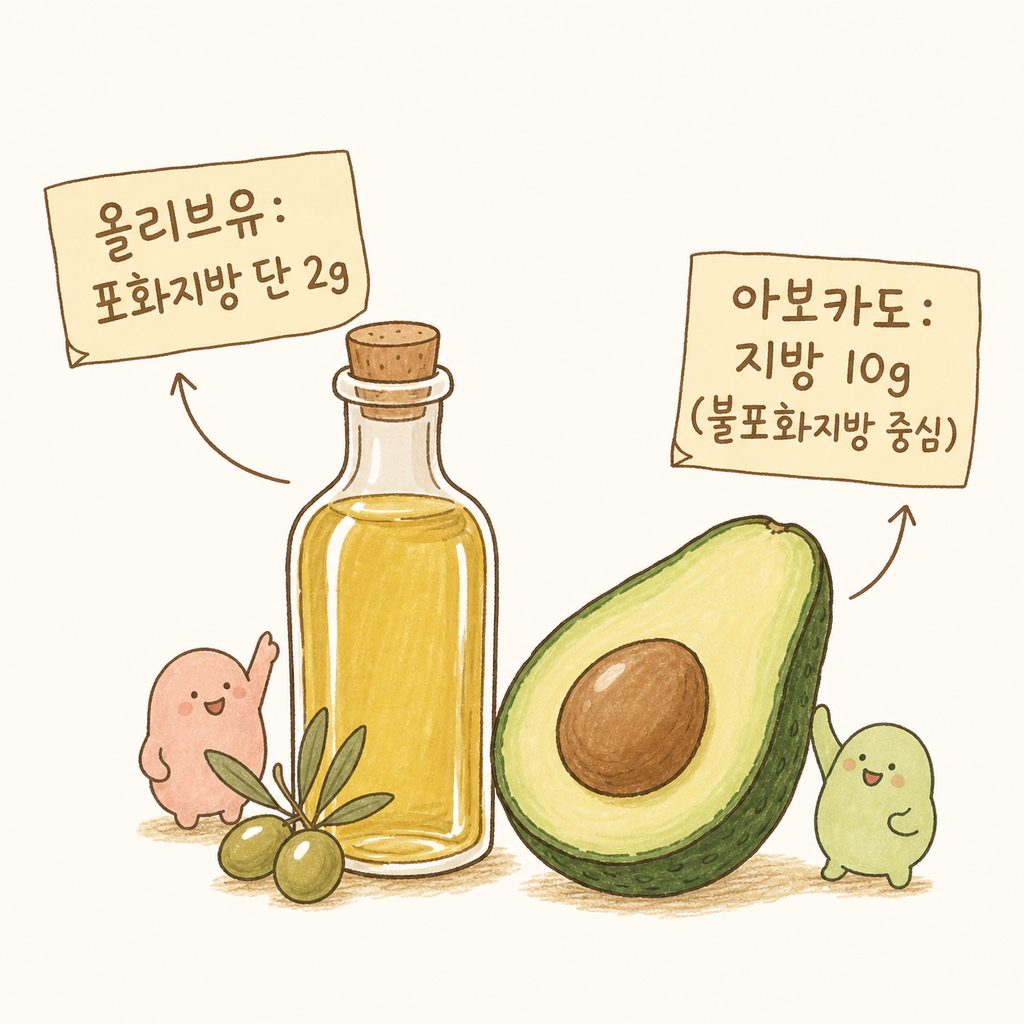
One tablespoon of olive oil contains about 13.5g of fat, but only 2g of that is saturated fat. Avocado is also an excellent choice. Half an avocado provides 1.3g protein and 10g fat, keeping you feeling full longer. Since this diet can have fat comprising up to 80% of total daily calories, your health depends on which fats you choose.
Keto Flu and Constipation: How Vegetables Help
Many people experience "sudden fatigue and headaches" in the early stages of dietary changes. This is called keto flu—a kind of adaptation symptom your body goes through when switching energy sources. During this period, constipation from insufficient dietary fiber often coincides.
The answer is to eat plenty of leafy greens. Low-carb vegetables like spinach, broccoli, and cauliflower provide satiety and protect your gut. Drink more water than usual and pair it with vegetables. Once the dizzy spells subside, continuing your diet becomes much easier.
Unhealthy vs. Healthy Low-Carb High-Fat
A common point of confusion: 'eating tons of meat' and 'low-carb high-fat' are entirely different things.
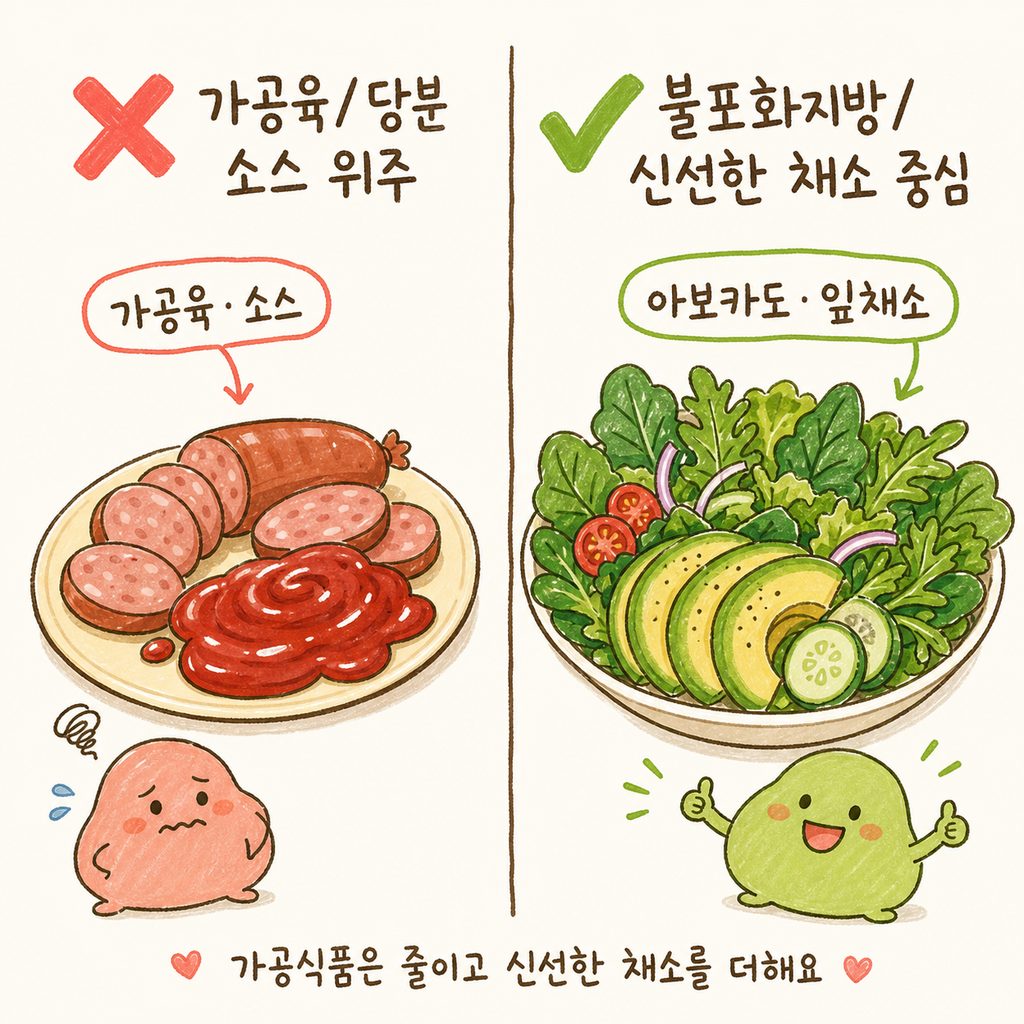
Avoid: Meals centered on processed meats, excessive saturated fat intake only, diets without vegetables, high-sugar sauces
Recommended: Unsaturated fats (olive oil, avocado), plenty of fresh leafy greens, appropriate protein amounts, unprocessed natural fats
The real goal is creating a body state that reduces blood sugar spikes and provides stable energy—not just weight loss itself.
3 Recommended Low-Carb High-Fat Combo Meals
I've selected combinations worth trying. The compositions are planned with nutritional成分 breakdowns.
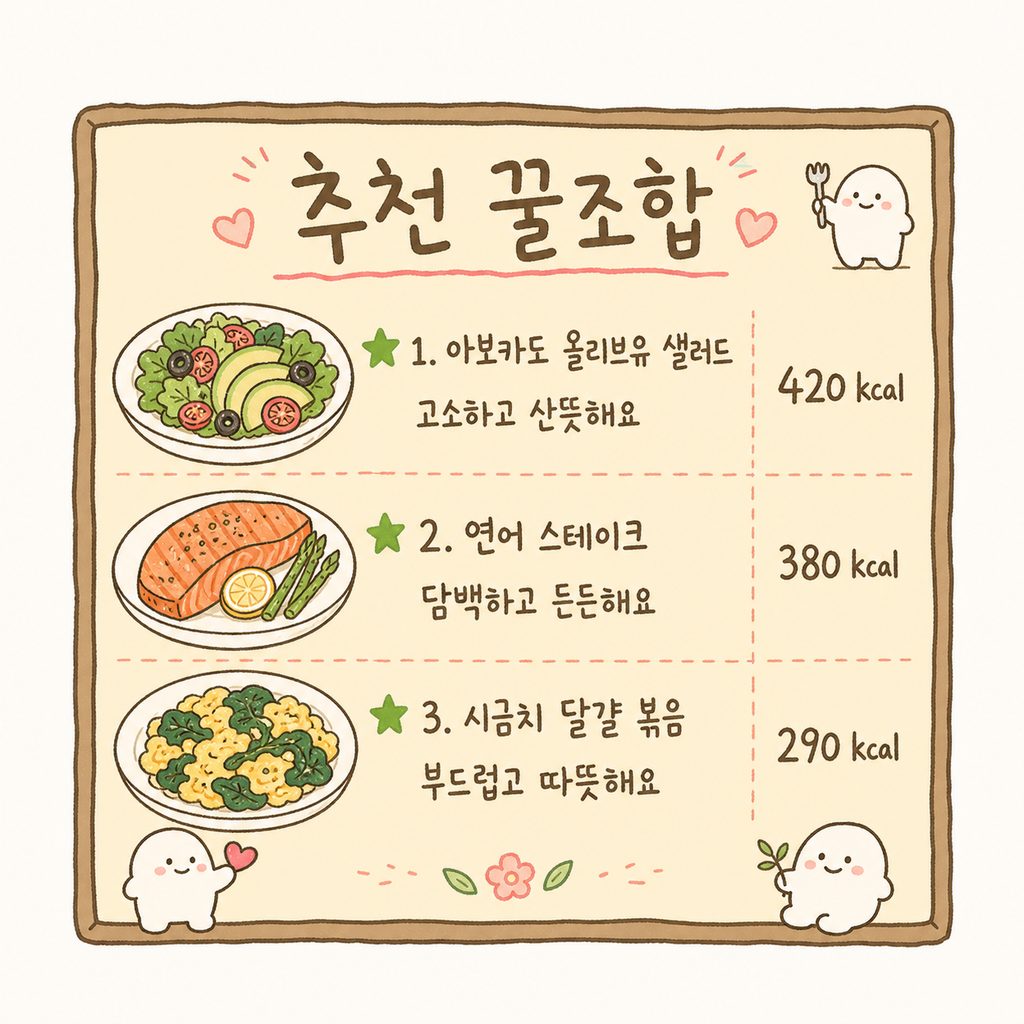
The first is avocado olive oil salad. Slice half an avocado into fresh leafy greens and drizzle generously with olive oil. It's the perfect combination of unsaturated fats.
The second is salmon steak with almond butter garnish. Salmon rich in omega-3, plus one tablespoon of almond butter (3.4g protein, 8g fat), captures both flavor and nutrition. Add roasted asparagus to supplement dietary fiber.
The last is spinach scrambled eggs. The protein from eggs, minerals from spinach, and quality cooking oils come together for a hearty meal. The tip is to season lightly with just salt and pepper to minimize sugar intake.
Changing your diet takes more energy than you'd expect. Trying to be perfect from the start easily leads to burnout. Observe your body's responses and adapt gradually.
Some of you may hit a plateau managing alone, or struggle with poor fat metabolism due to your constitution. In such cases, the Baekrokdam program can help support your metabolic flow for better results. Try the diet and see how your body responds—feel free to share during your next consultation.
References