
LCHF Diet: Recommended Foods, Carb Ratios, and Precautions

Table of Contents
"Doctor, can I really lose weight while eating as much pork belly as I want?" I often hear this question during diet consultations. Reducing carbs and increasing fats might seem counterintuitive, but it's a proven method when understood and practiced correctly.
How the LCHF Diet Reduces Weight
The core of the LCHF (Low Carb High Fat) diet is to switch the body's primary fuel source from glucose to fats and ketones. When you consume a lot of carbohydrates, the body burns glucose first. However, when the carbohydrate supply is restricted, the body begins to burn stored fat for energy.
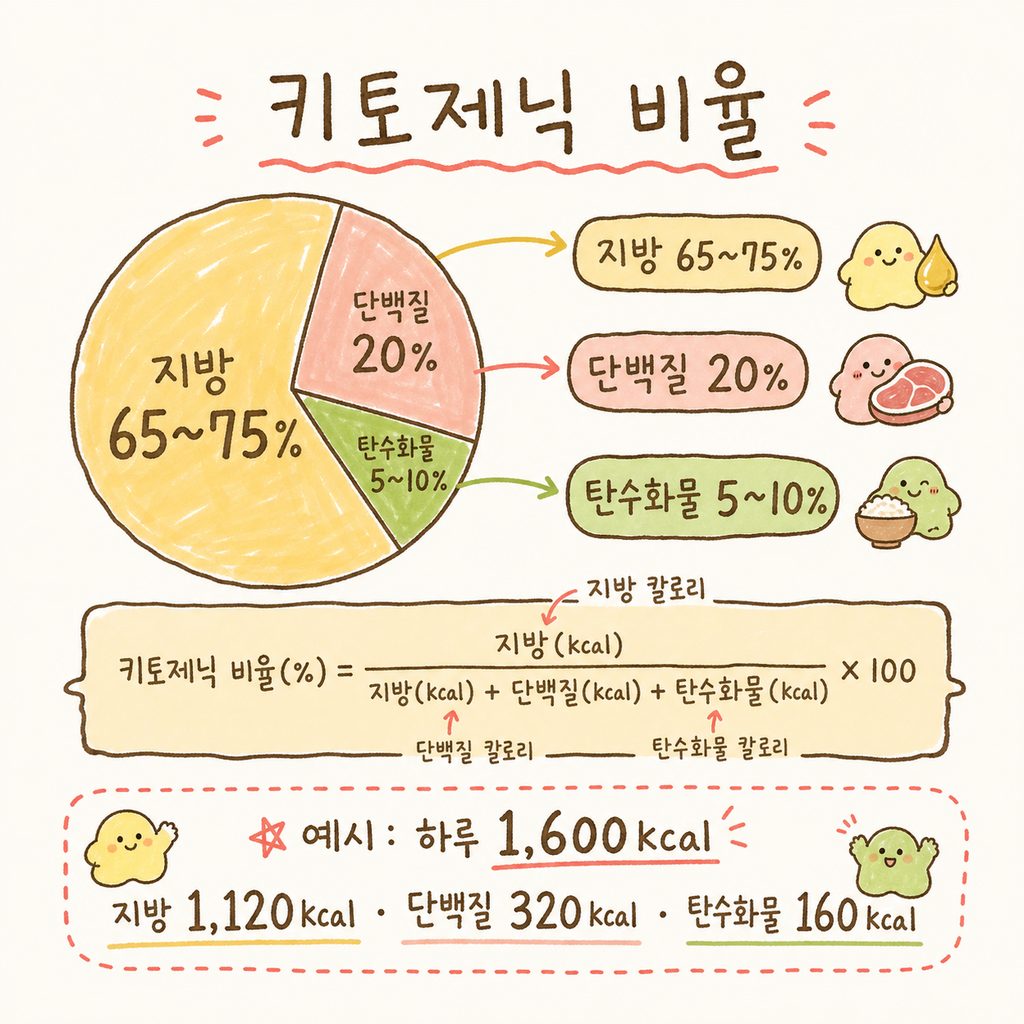
In a typical ketogenic diet, the macronutrient ratio for carbohydrates is kept very low, at 5–10% of total calories (less than 20–50g per day). Fats are increased to 65–75% or more, and protein is maintained at around 20%. In a more flexible low-carb diet, the daily carbohydrate limit might be set at under 120g. Reducing sugar intake this way lowers insulin secretion and promotes fat oxidation, creating favorable conditions for abdominal fat reduction and weight management.
Weight Loss Patterns Over Time
Research data shows that LCHF diets perform exceptionally well in the short term. In an RCT study tracking obese patients for one year, weight loss at 3 months was -6.8% for the low-carb group and -2.7% for the low-fat group. At 6 months, the difference remained clear at -7.0% and -3.2%, respectively.
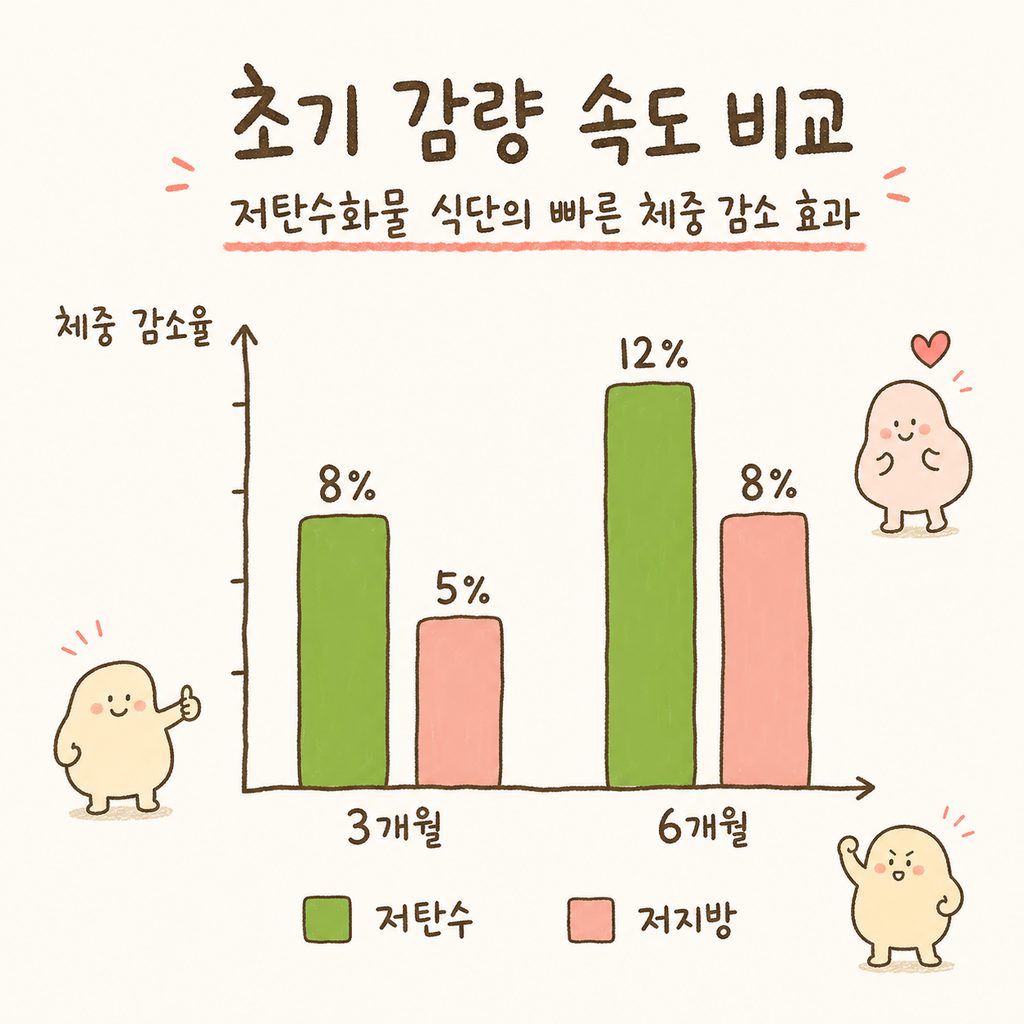
However, after 12 months, the story changes. The gap narrowed to -4.4% for low-carb and -2.5% for low-fat. A meta-analysis of Koreans also found that a low-carb diet (under 40% carbs) resulted in a loss of -8.73kg at 6 months and -7.25kg at 12 months, showing no statistically significant difference compared to a low-fat diet in the long run. However, very strict very-low-carb ketogenic diets did result in an average of 0.91kg more weight loss than low-fat diets. While the initial speed is fast, the success after one year depends not on the type of diet, but on how long you can consistently maintain it.
High-Fat Diets from a Korean Medicine Perspective
In a Korean medicine clinic, we don't just look at calories or nutrients; we examine the patient's constitution and metabolism. While it's true that LCHF is effective for improving blood sugar and reducing triglycerides, it isn't the right answer for everyone. Some patients complain of indigestion or extreme lethargy after starting a high-fat diet.
There is also ongoing academic debate regarding potential increases in LDL cholesterol and long-term cardiovascular safety. Therefore, during consultations, I first check for signs of "Phlegm-dampness" (Damyum) and the state of digestive function. If someone with low metabolic capacity suddenly starts a high-fat diet, their body may struggle to adapt, leading to "keto rash" or severe fatigue. A gradual approach that confirms compatibility with your body is essential.
Recommended Foods for LCHF
This is not a diet where you simply eat any fat. The key is to consume high-quality fats and sufficient minerals. Here are the food groups I recommend in my clinic:
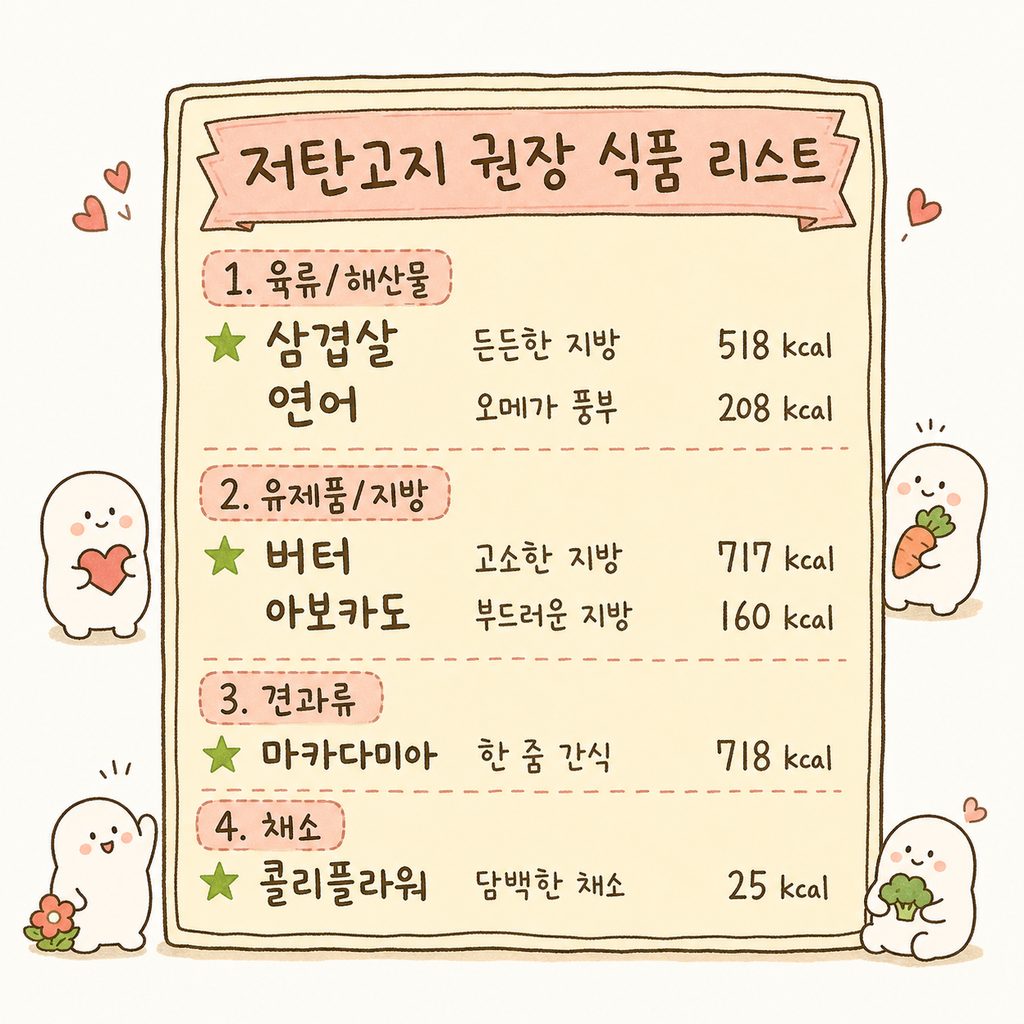
First, Meat and Seafood. Beef, pork (pork belly, jowl), duck, and chicken are great, as are foods with moderate fat like jokbal (pig's trotters), bossam (boiled pork), and bone broth. For fish, choose fatty varieties like salmon, mackerel, saury, and eel. Eggs are excellent, and organic or pasture-raised options are even better.
For Dairy and Fat Sources, unsweetened Greek yogurt and high-fat cheeses like cheddar, mozzarella, and brie are useful. Actively use butter, heavy cream, MCT oil, olive oil, avocado oil, and perilla oil. Avocados are a fantastic ingredient that provides both fiber and healthy fats.
Don't forget Nuts and Vegetables. Macadamias, pecans, Brazil nuts, almonds, and walnuts are good choices, and for seeds, I recommend chia and flaxseeds. Chia seeds contain about 9.6g of fiber per 28g, which helps prevent constipation. Cauliflower is a low-carb vegetable with about 2g of fiber per 100g, making it a great substitute for rice. Even on a low-carb diet, I recommend consuming 25–30g of dietary fiber daily.
Foods to Avoid and Key Tips
Conversely, there are foods you must reduce. Refined carbohydrates like rice, bread, rice cakes, and noodles should generally be avoided. Sugar, flour, fruit juices, and sauces loaded with sugar are also risky. Be cautious with starchy vegetables that you might otherwise think are healthy.
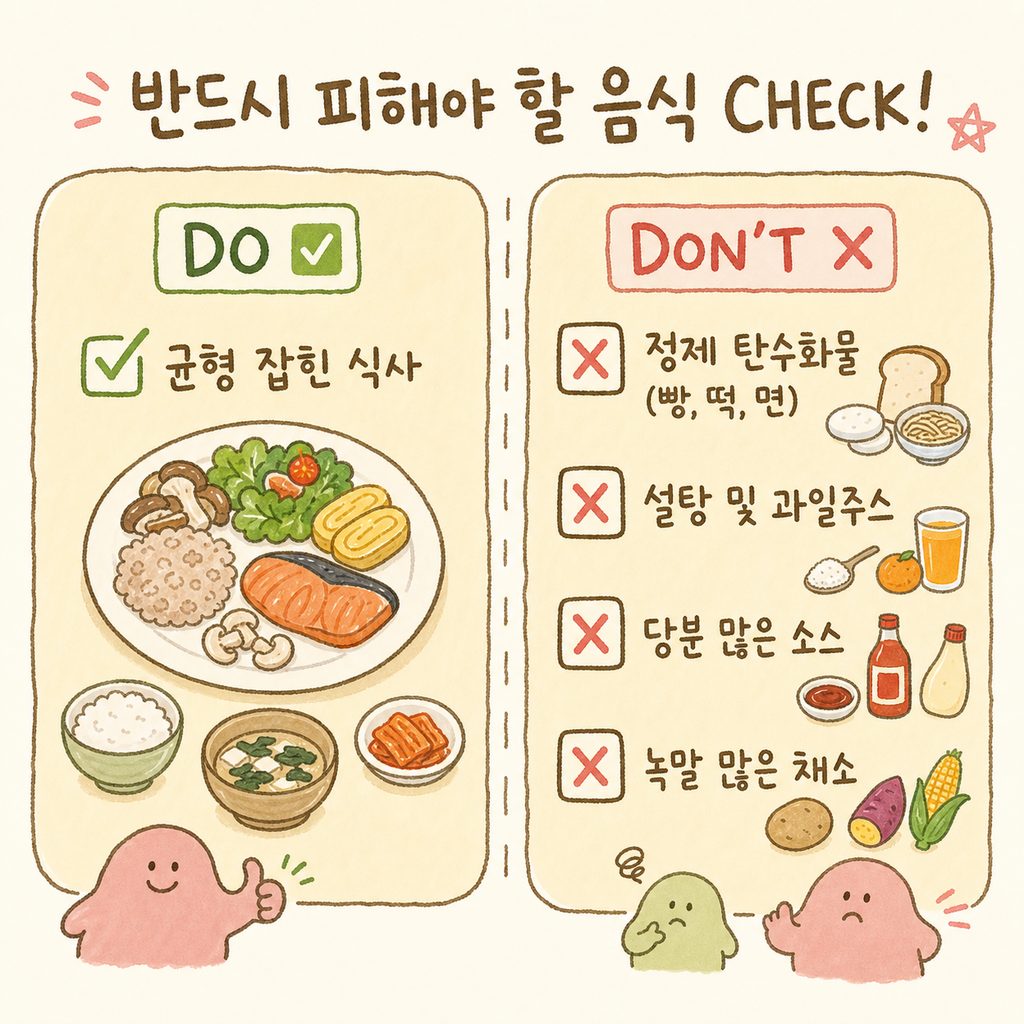
One point to remember: prioritize 'unsaturated fats.' Instead of relying solely on saturated fats, increase the proportion of unsaturated fatty acids from olive oil, blue-backed fish, and nuts to reduce the burden on your cardiovascular system. Also, make it a habit to eat plenty of leafy greens to prevent nutritional imbalances caused by overly strict restriction.
A Personalized Approach for Healthy Weight Loss
While LCHF is certainly an efficient tool, it is like a suit that fits some people but not others. Instead of blindly following a trending diet, you should first observe how your body reacts. If you experience dizziness or extreme fatigue during dietary changes, you need to find your own balance by adjusting carbohydrate intake.

If planning and maintaining a diet alone feels overwhelming, seeking professional help is a great strategy. With the Baekrok Gambi-jung program at Baekrokdam Korean Medicine Clinic, you can navigate the dietary adjustment period more easily through metabolism regulation tailored to your constitution and expect efficient results. Try planning your meals with the foods introduced today, and feel free to tell me how your body has changed during your next visit.
References