Daily Calorie Diet: Intake, Weight Loss Numbers & Tips

Table of Contents
- Why You Need to Cut 500 Calories Per Day
- How to Calculate Your Daily Caloric Needs
- Changing Your Calories Just by Choosing Beverages
- Small Habits to Extend Your Eating Time
- Psychological Factors Affecting Weight Loss
- The Relationship Between Metabolism and Sleep from a Korean Medicine Perspective
- References
People who open their diet app every day and sigh as they log everything they've eaten—I see them all the time in my clinic. I get dizzy too when I'm just staring at numbers. The moment you become chained to calories, weight management stops being enjoyable and becomes homework, and homework always leads to burnout.

Why You Need to Cut 500 Calories Per Day
It's easy to think the answer is simply eating less, but the starting point for healthy weight loss is determining your appropriate caloric intake. Generally, we consider the appropriate intake to be your total daily energy expenditure minus 500 calories.
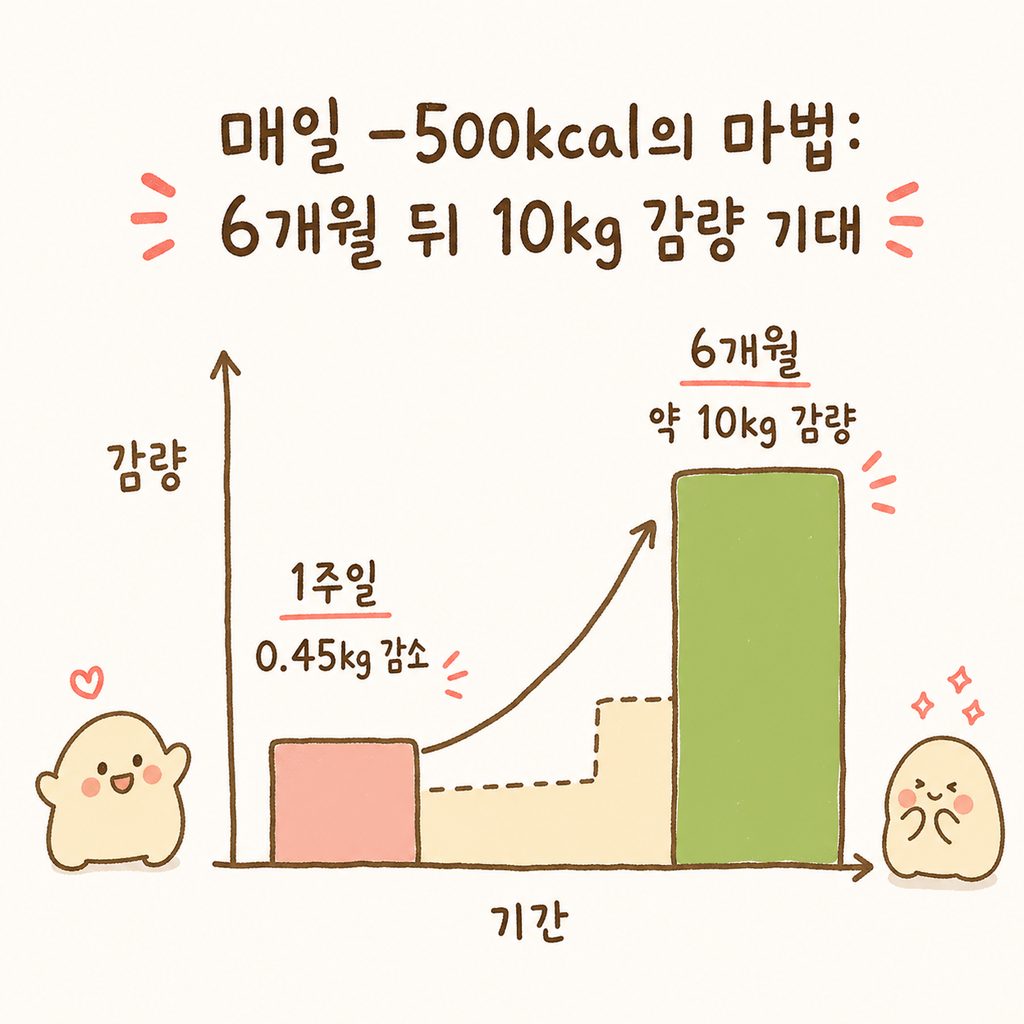
If you eat 500 fewer calories or move more every day, you'll burn a total of 3,500 calories per week. In terms of fat, that's 0.45kg eliminated or prevented from accumulating. If you maintain this habit for 6 months, losing close to 10kg is a very achievable goal.
How to Calculate Your Daily Caloric Needs
Since everyone's basal metabolism and activity levels differ, there's no single correct answer. Typically, women aim for 1,200–1,500 calories and men for 1,500–1,800 calories, but honestly, individual variation is significant.
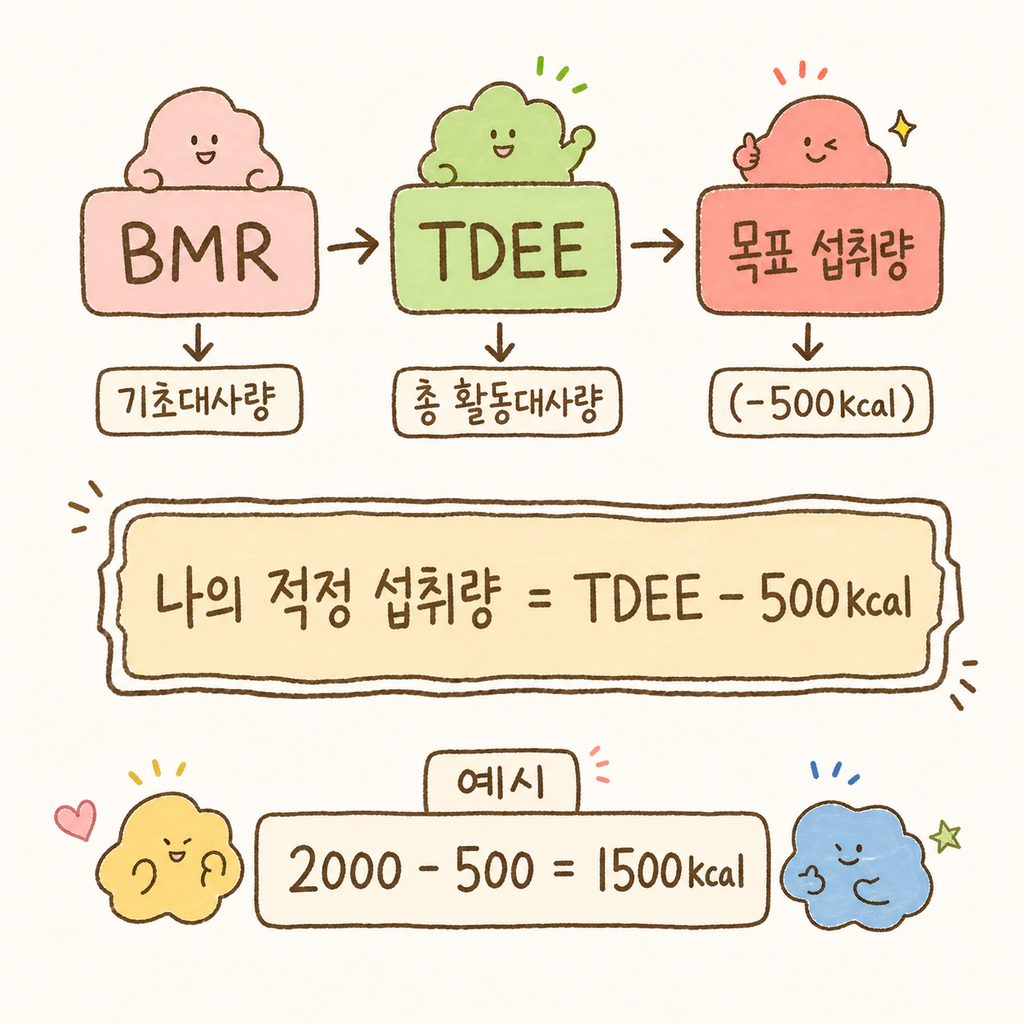
If you want exact numbers, start by calculating your BMR (Basal Metabolic Rate), then multiply by an activity factor to get your TDEE (Total Daily Energy Expenditure). Subtracting your target weight loss amount (e.g., 500 kcal) from this TDEE is the most reasonable approach. Rather than starving yourself, planning according to your own metabolism is the shortcut to preventing the yo-yo effect.
Changing Your Calories Just by Choosing Beverages
If you suddenly drastically reduce your food intake, compensatory psychology kicks in and often leads to binge eating. So here's what I recommend first. Cut out beverages containing liquid fructose.
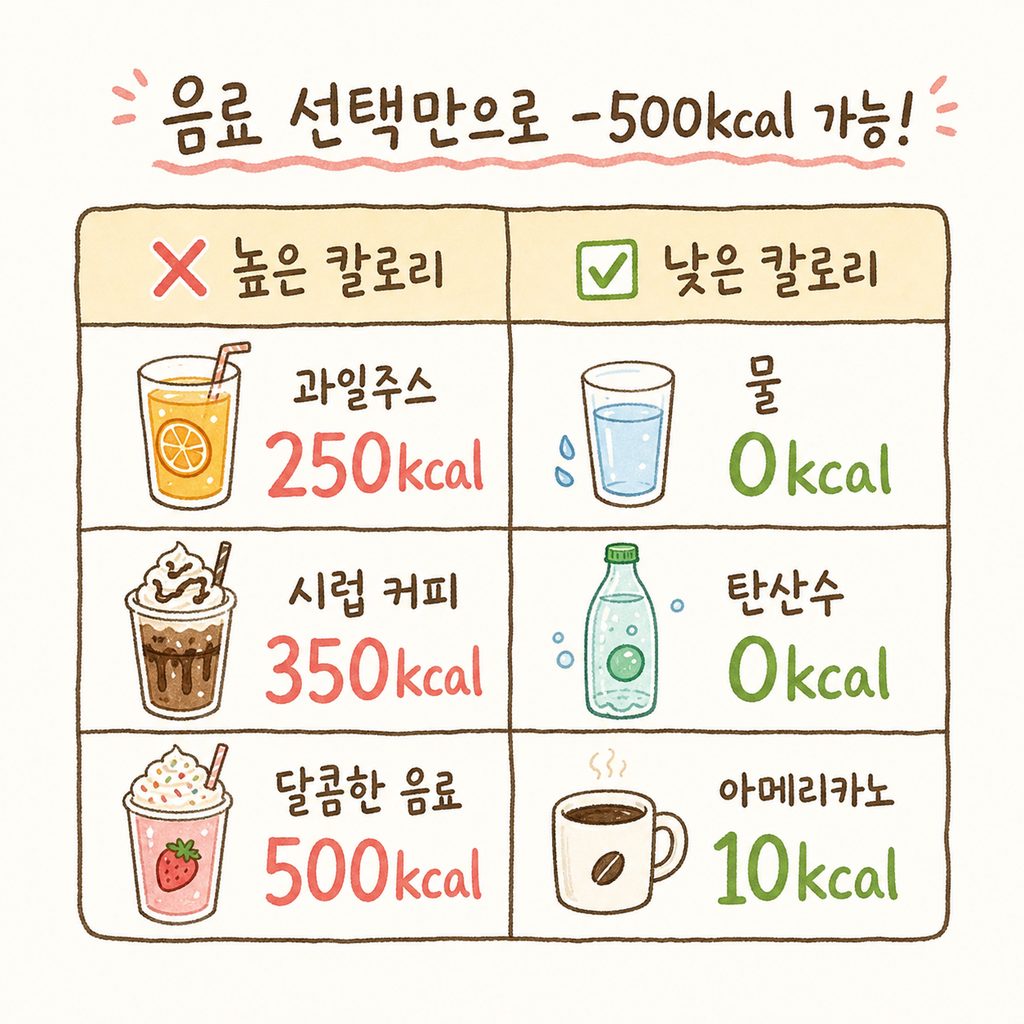
Start by building the habit of drinking water instead of sugary fruit juices. If plain water is too bland, lime-flavored sparkling water or zero-calorie beverages are fine too. Switch your coffee to an Americano without syrup, and green tea, black tea, or barley tea are also great alternatives. This way, you can easily cut 500 calories just from your daily beverage intake.
Small Habits to Extend Your Eating Time
What you eat is important, but how you eat matters just as much. Instead of rice, bread, or toast for breakfast, try a bowl of fiber-rich cereal. The satiety lasts longer, so you're less likely to overeat at lunch.
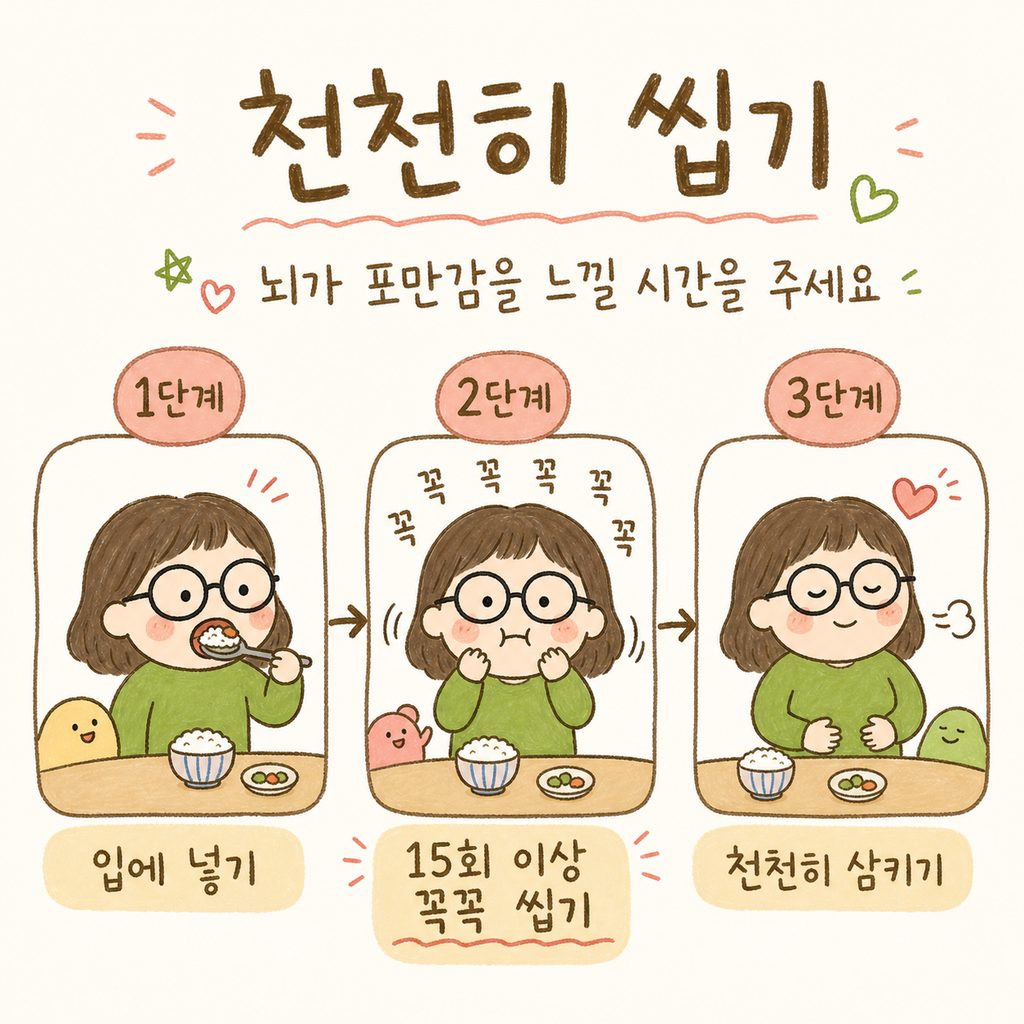
Increasing chewing frequency also helps. In one study, when people were observed chewing their food, the average was about 15 times. If you chew slower and more thoroughly than that, your brain has time to register fullness, so you naturally eat less.
Psychological Factors Affecting Weight Loss
If calorie restriction were just a math problem, wouldn't that be nice? In reality, psychological resistance and the effort to hold out significantly influence weight loss outcomes.
In one study, the group maintaining consistent calorie restriction ate only about 70% of their normal caloric intake. The psychological effort of continuously resisting food is estimated to contribute about 15% to weight loss results. The standard management group's weight reduction was only about 2kg. This tells us that along with managing the numbers, you need the right mindset to sustain it.
The Relationship Between Metabolism and Sleep from a Korean Medicine Perspective
In Korean medicine, we don't just look at the calorie numbers. We consider the metabolism capacity to burn those calories and your body constitution. This is exactly why some people gain weight easily while others don't, even eating the same foods.

Recent studies show that sleep duration and nutrient intake are closely intertwined with obesity and dyslipidemia. One study confirmed with 95% confidence intervals that sleep deprivation increases metabolic imbalance and obesity risk. When you're sleep-deprived, appetite-regulating hormones are the first to be disrupted, making calorie restriction twice as difficult. Getting enough sleep improves diet efficiency.
Instead of getting stressed out buried under numbers, try focusing on reviving your body's metabolism flow. Rather than extreme fasting, tailoring your diet and lifestyle habits to your body constitution is much healthier.
There will definitely be moments when managing calories and adjusting your diet alone becomes overwhelming. I understand that feeling well. In those times, the Baekrokdam Gambi-jung program can help boost your metabolism and make it much easier. Try the small tips I shared today first, and let me know how it goes at your next visit.
References
[1] Associations of daily sleep duration and dietary macronutrient consumption with obesity and dyslipidemia in Koreans: A cross-sectional study. (Medicine, 2016) — https://pubmed.ncbi.nlm.nih.gov/27828860/
References