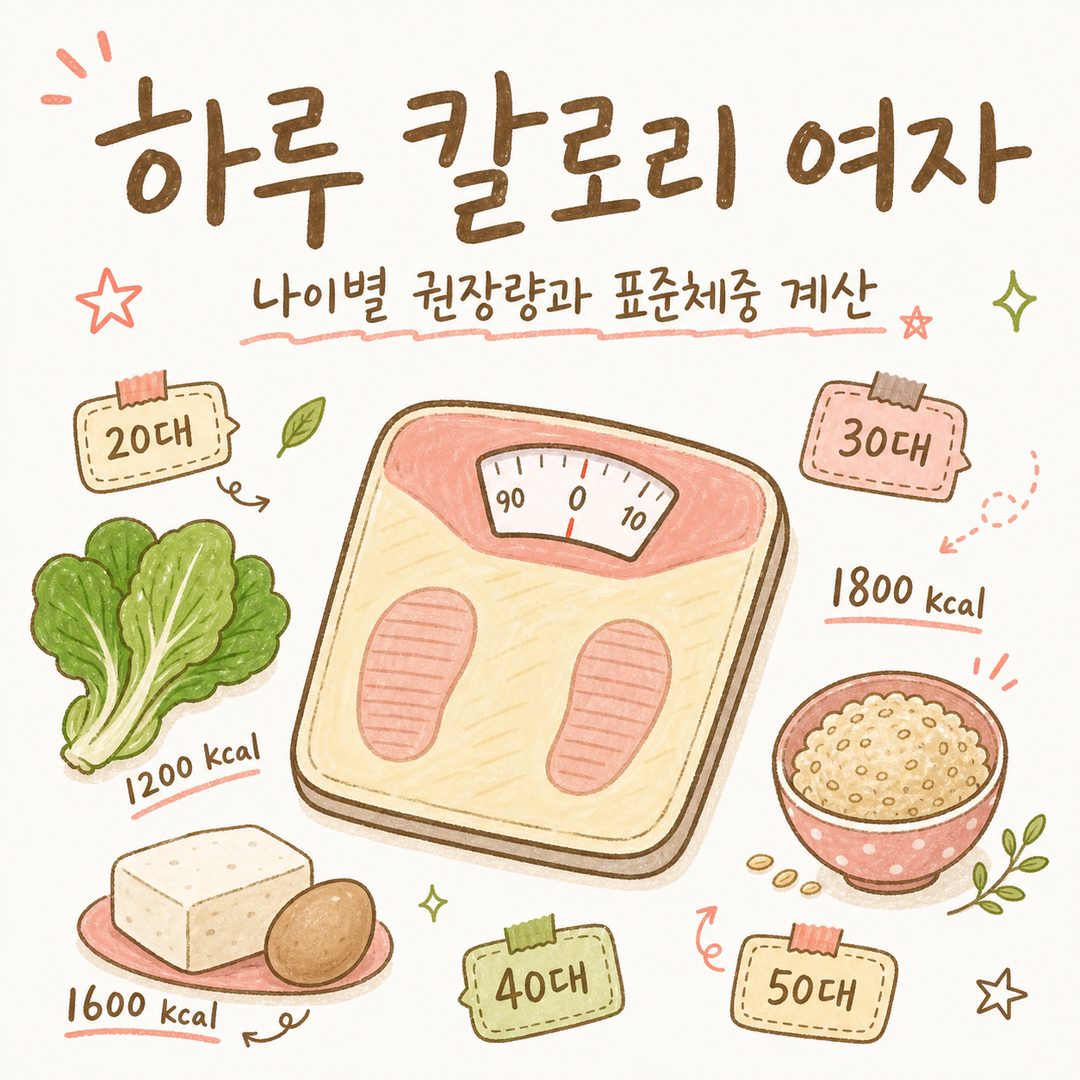
Women's Daily Calorie Needs by Age

Table of Contents
Many patients ask me, "Doctor, how many calories should I eat daily to lose weight?" As someone who has searched for the same answers, I understand this concern deeply.
Why Do Daily Calorie Recommendations Vary for Women?
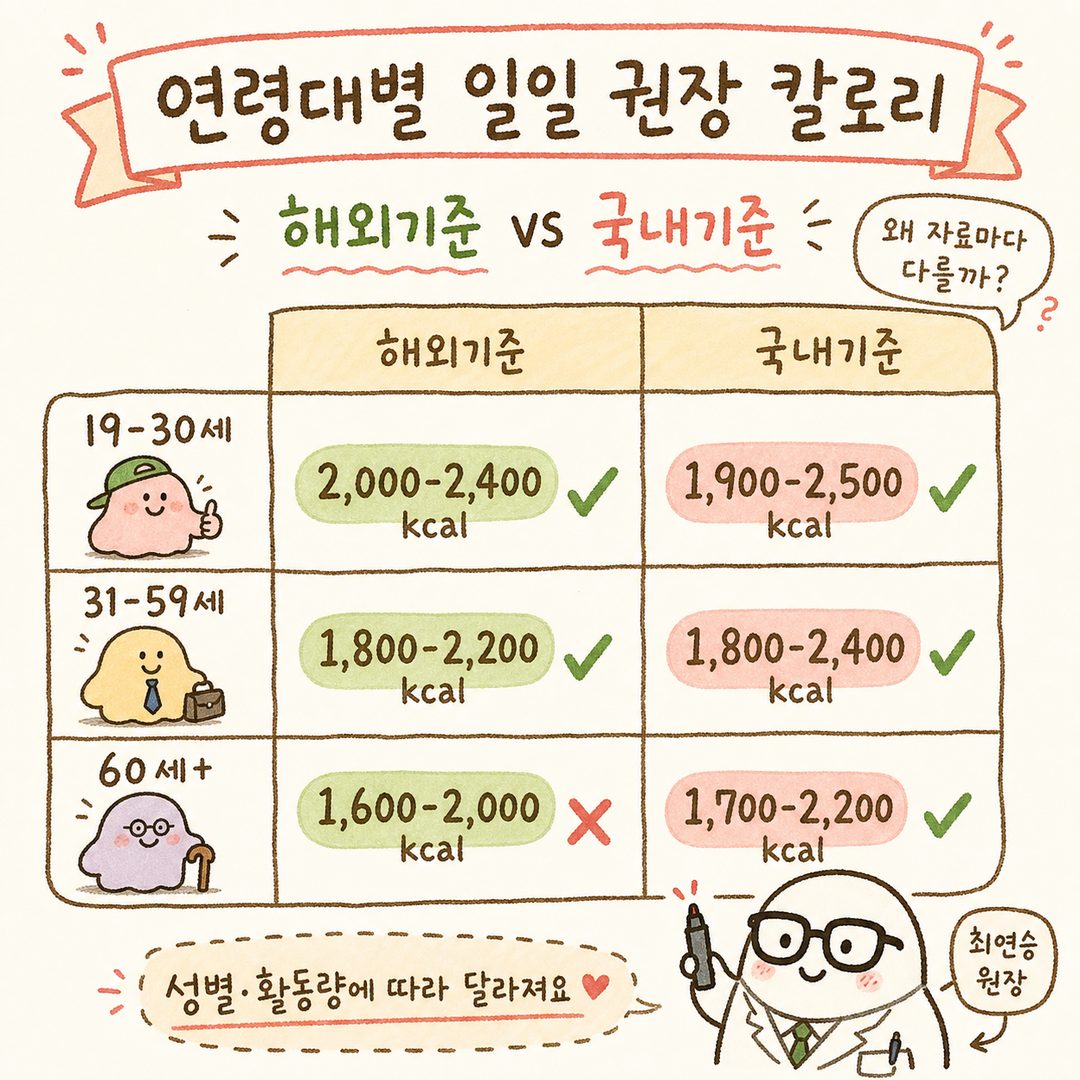
Many people get confused because different sources provide different numbers. To clarify, the recommended daily calorie intake for adult women typically ranges between 1,600-2,100kcal. Even with the same height and weight, factors like age and activity level affect energy needs, making it difficult to specify a single number.
International medical institutions recommend 2,000-2,400kcal for women aged 19-30, 1,800-2,200kcal for those 31-59, and 1,600-2,000kcal for those 60+. Korean health guidelines are more conservative: approximately 1,800kcal for women in their 10s-20s, 1,750kcal for 30s-40s, 1,650kcal for 50s-60s, and 1,500kcal for 70s. These variations reflect different perspectives on "average activity levels" versus "ideal activity levels" for Korean women. I always advise patients not to fixate on a single average number but to find a range that suits their individual circumstances.
Caloric Needs Change with Age
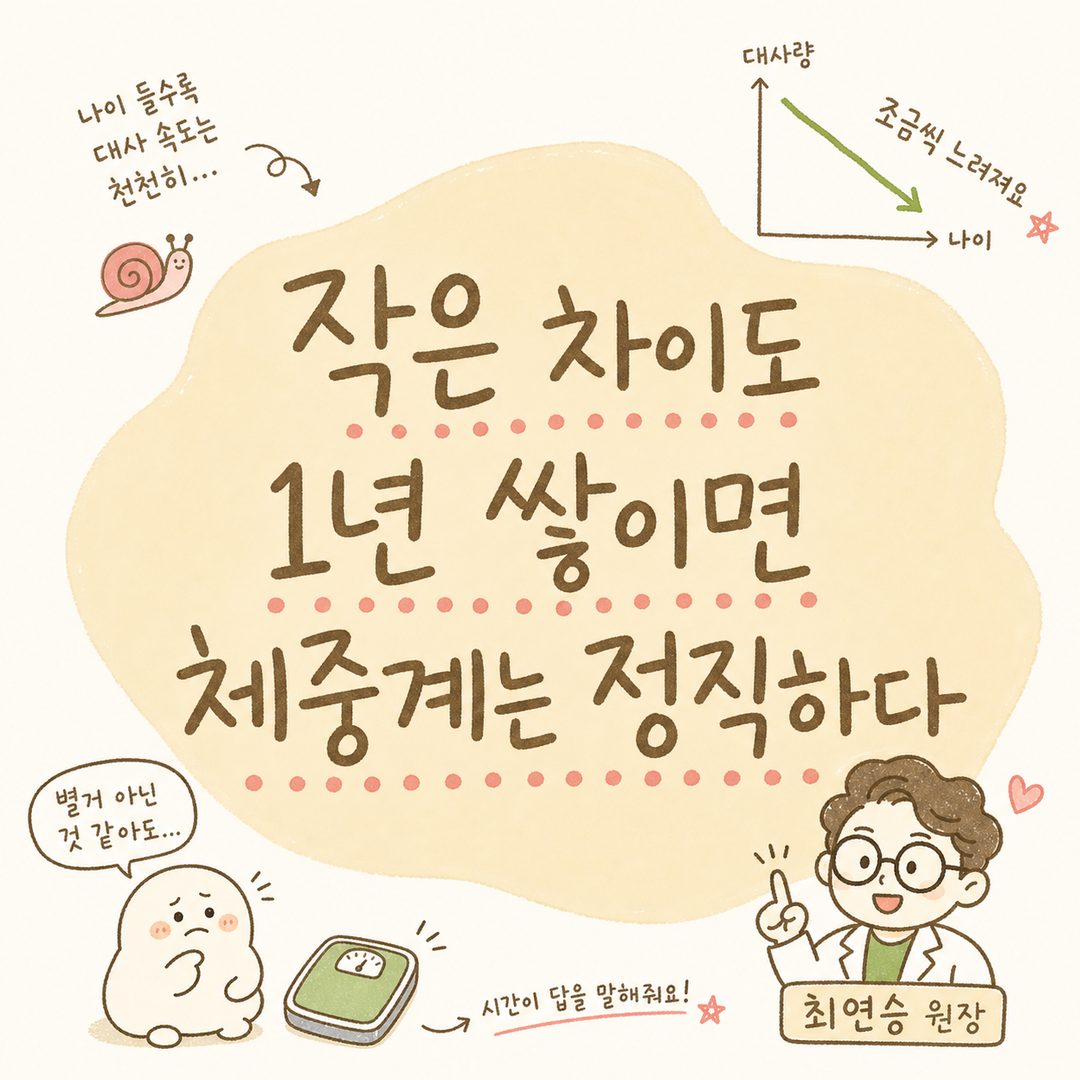
Many experience weight gain in their mid-30s despite eating the same 1,900kcal that maintained their weight in their late 20s. Based on comprehensive data: late teens to early 20s: approximately 2,000-2,100kcal/day, late 20s to 30s: 1,800-2,000kcal/day, 40s: 1,700-1,800kcal/day, 50s: 1,650-1,800kcal/day, and 60+: 1,500-1,700kcal/day.
Here's a common case from our clinic: A 38-year-old patient returning to work after maternity leave said, "I'm gaining weight even though I eat the same as before." Her daily intake was around 2,100kcal, but for her activity level and age, 1,800kcal was more appropriate. Even this small difference adds up over a year. As we age, our basal metabolic rate gradually decreases while sedentary time increases—a natural progression.
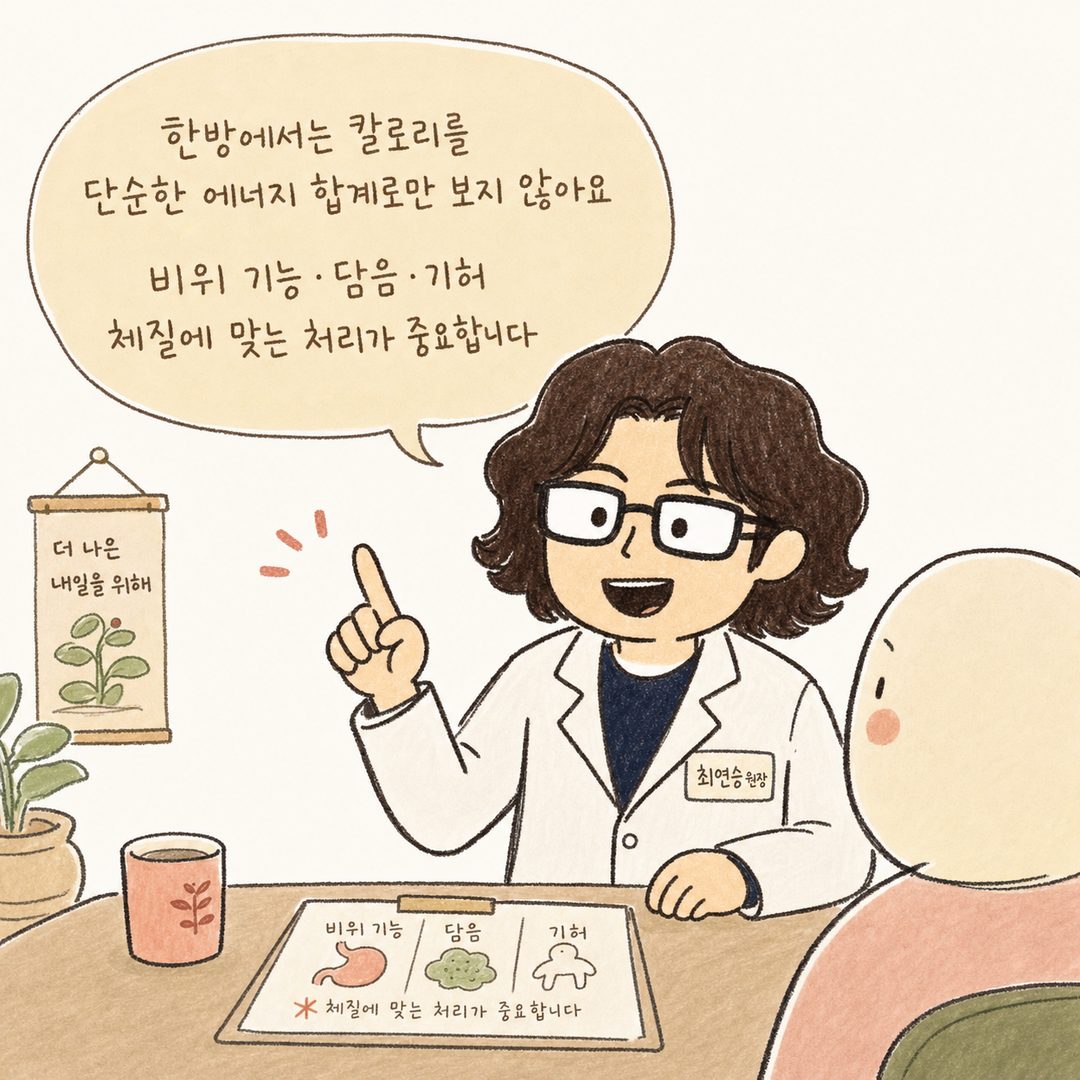
Baekrokdam's Korean Medicine Perspective
In Korean medicine, we don't view calories merely as "total energy intake." Even at 1,800kcal, patients with weak digestive function (脾胃) may experience digestive burden from the start. Those with phlegm-dampness (痰飮) constitution tend to accumulate excess from snacks, while those with qi deficiency (氣虛) may feel more fatigued even with less food. During consultations, we consider two aspects: 1) whether the calorie intake falls within the recommended range, and 2) whether the composition is suitable for the patient's constitution.
We often share the standard weight calculation method: Standard Weight (Women) = Height (m)² × 21. For example, someone 160cm tall would calculate 1.60² × 21 = approximately 53.8kg. Multiplying this by activity level gives a more personalized daily energy need than generic numbers like "2,000kcal for women."
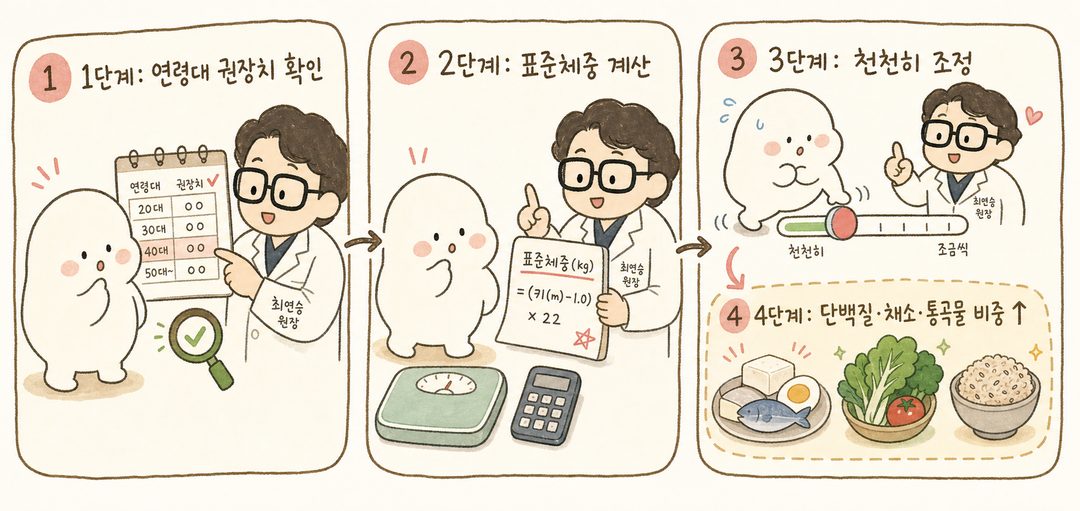
Practical Tips to Implement Today
Small habits last longer than elaborate diet plans. Here are some recommendations we often give patients:
First, check your age group's recommended calorie range. For women in their 30s, starting with 1,750-2,000kcal/day is generally safe.
Calculate your standard weight using the formula: Height (m)² × 21. Knowing the difference from your current weight clarifies your goal.
Don't suddenly drop to 1,200kcal for weight management. This triggers starvation mode and plateaus. Gradually adjust within the lower range.
Increase proportions of protein, vegetables, and whole grains. Same calories, but better satiety and digestion.
If pregnant, nursing, or managing health conditions, consult a clinic rather than following general guidelines.
Focusing solely on numbers can make eating stressful. Allowing flexibility—eating slightly more or less based on daily condition—actually helps maintain stable weight long-term.
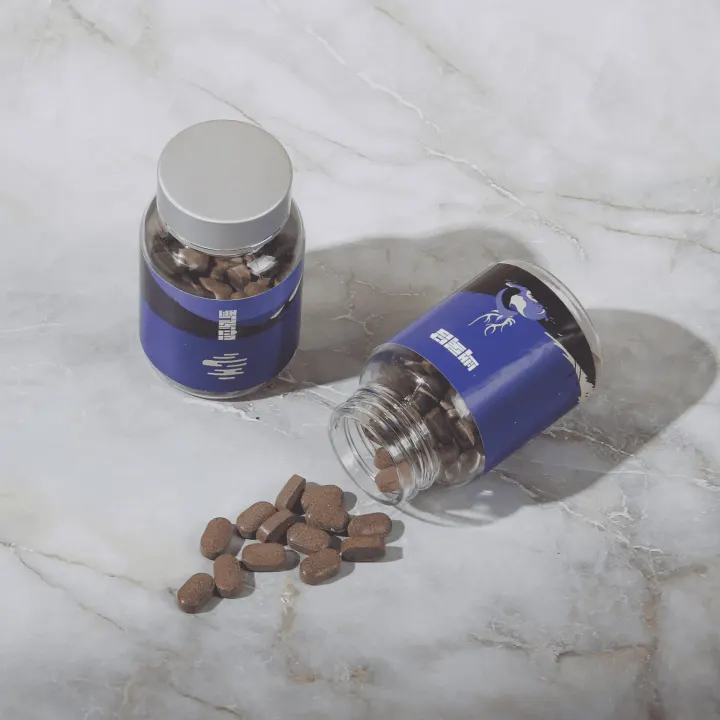
While calories matter, the same intake affects each body differently. Korean medicine explains these variations through constitutional patterns like digestive function, phlegm-dampness, and qi deficiency. If you're experiencing plateaus despite eating within range, or symptoms like edema and fatigue despite eating little, consider a consultation. At Baekrokdam Korean Medicine Clinic, we offer personalized approaches including Baekrok Gambi-jung and other constitutional treatments, combining dietary planning, lifestyle adjustments, and herbal prescriptions. If you've been struggling with numbers alone, please don't hesitate to reach out for a consultation.