Lower Body Obesity Criteria & Yoga for Cellulite & Edema

Table of Contents
The most common thing I hear in the clinic is, "Doctor, I'm thin on top, but I just can't lose weight in my legs." I truly empathize with that feeling of looking in the mirror and sighing while touching your thighs. Today, I'll explain the criteria for lower body obesity and share a simple lower body obesity yoga flow you can follow at home.
Lower Body Obesity: Why Is It So Hard to Lose?
Lower body obesity refers to a body type where the hips, thighs, and calves appear significantly thicker than the upper body, even if the person is not overall obese. In reality, there is no single, definitive numerical formula. We usually determine it by looking at the ratio of the lower body to the upper body along with accompanying symptoms.
There isn't just one cause. It is a complex interplay of genetics, hormones, posture, eating habits, constipation, and edema. In particular, high levels of estrogen (a female hormone) increase fat cells, and that fat tends to accumulate in the hips and thighs. This is why lower body obesity is more common in women. When the pelvis widens or becomes misaligned after pregnancy and childbirth, it can lead to saddlebags and fat on the sides of the hips. For those who sit for long periods at work, leg circulation decreases, often leading to chronic edema.
How to Check if You Have Lower Body Obesity
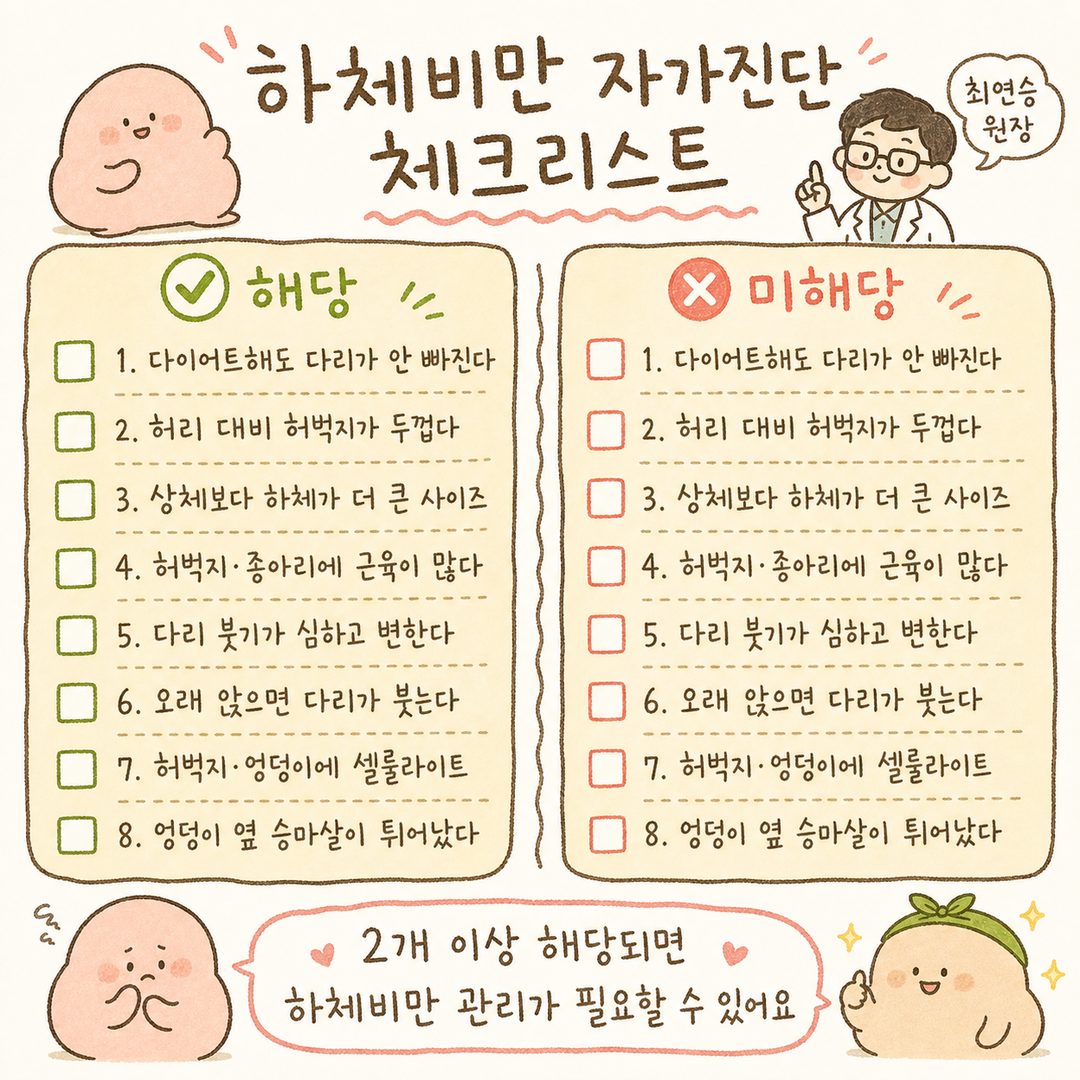
While the criteria can be subjective, there is a self-check list. If 2 to 3 or more of the following items apply to you, there is a high possibility of lower body obesity.
Even when you go on a diet/weight management program, you don't lose weight in your legs.
Your thighs are thick compared to your waist.
You wear a larger size for bottoms than for tops.
You have a lot of muscle in your thighs and calves.
You experience severe leg swelling, and your leg circumference or shoe fit changes between morning and night.
Your legs swell easily when sitting for long periods.
You have a lot of bumpy cellulite on your thighs and hips.
The saddlebag area on the sides of your hips protrudes.
When I check these with patients in the clinic, many say, "I just thought my legs were thick," only to realize, "Oh my, almost all of these apply to me."
Approaches Vary by Type
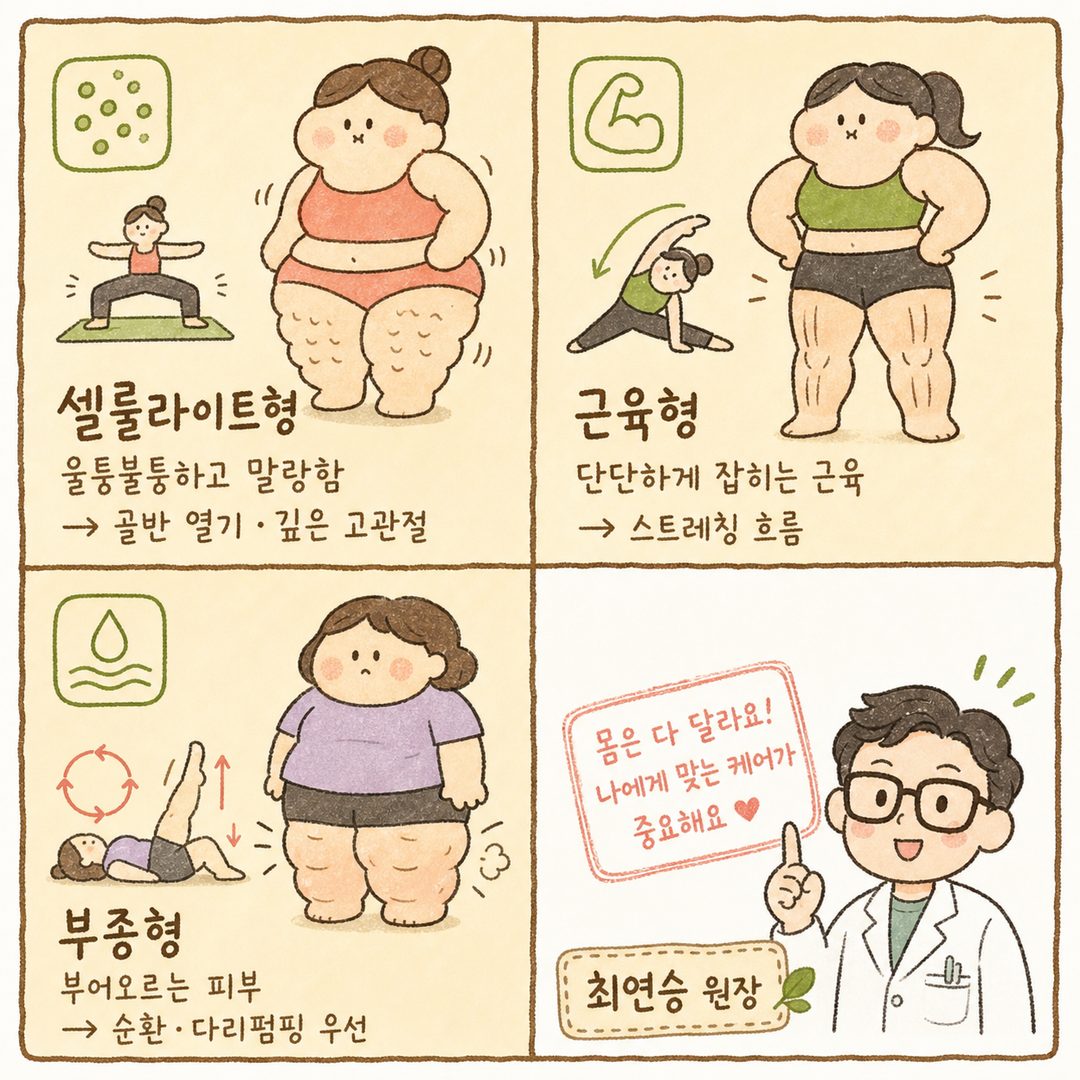
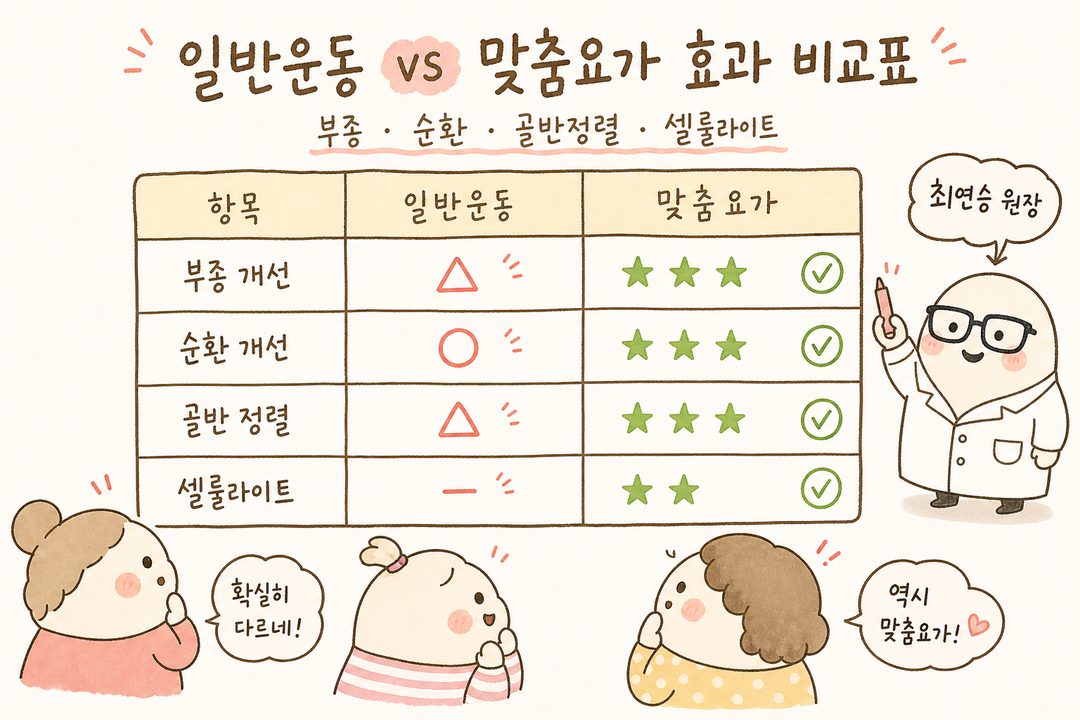
For lower body obesity, the same exercise can feel different depending on your type. The main types are the cellulite type (soft and bumpy to the touch), the muscular type (firm and solid), and the edema type (swelling so severe that shoes may not fit).
There is no single "correct" yoga flow. If edema is the primary issue, circulation-focused movements like lying down with leg raises or calf pumping should be the priority. If cellulite is prominent, you should focus on deep hip-opening poses and movements that improve pelvic alignment. For the muscular type, stretching-based flows that lengthen and release are better than adding more strength exercises like heavy squats.
How Baekrokdam Clinic Views This
In our clinic, we don't see lower body obesity simply as "leg fat." In Korean medicine, we look at Qi and blood circulation, dampness-water retention, spleen-stomach function, and pelvic misalignment together. Even with similarly thick legs, one person may have a pattern of coldness and frequent swelling, while another may have a higher proportion of constipation and waste accumulation.
When you come for a consultation, we first examine your body type. We touch the legs to gauge whether it is edema or fat and ask about eating patterns, sitting time, menstrual cycles, changes in swelling, and childbirth history. Even for the same lower body obesity, the direction of treatment differs: some focus on pelvic correction and circulation, while others focus on dietary habits and restoring spleen-stomach function. In the clinic, we combine herbal medicine, pharmacopuncture, Chuna, and lifestyle exercise guides tailored to your constitution and type.
Lower Body Obesity Yoga Flow to Start Today
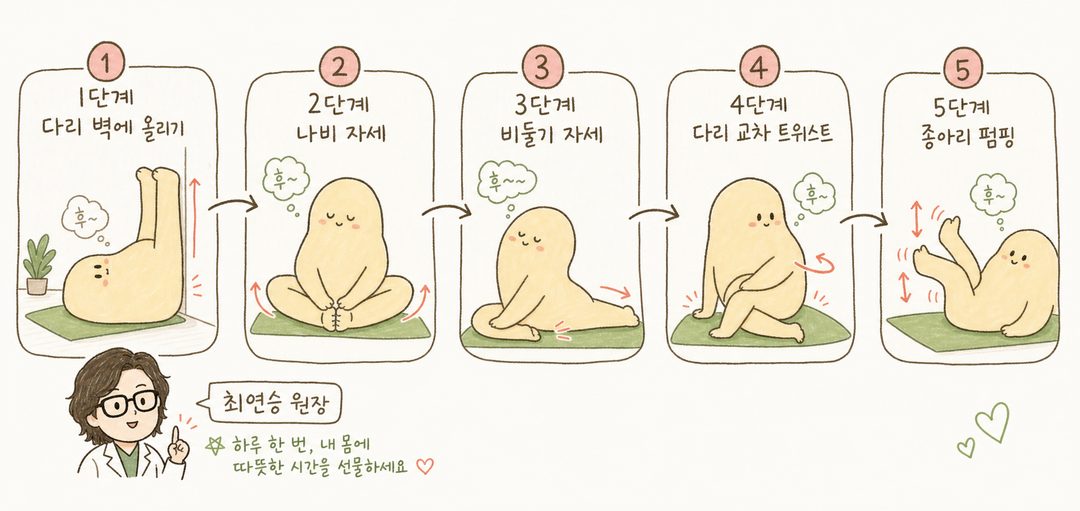
Here is a simple flow you can follow before bed or in the morning without much fuss.
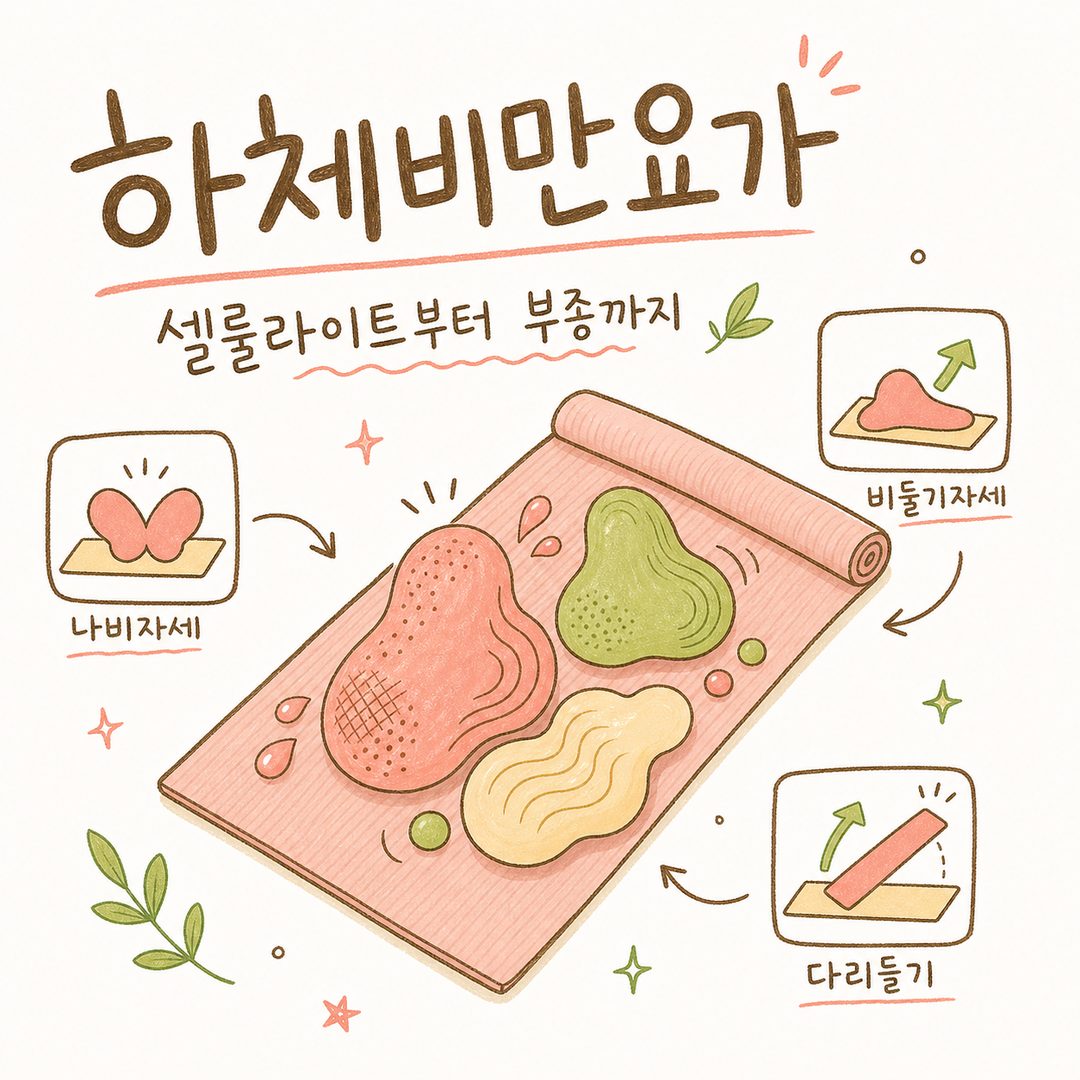
Legs Up the Wall: Place your hips against the wall and rest your legs upward. This releases circulation trapped in the calves and ankles.
Butterfly Pose: Press the soles of your feet together and let your knees drop to the sides to open the inner pelvis. This is a basic pose helpful for pelvic alignment.
Pigeon Pose: Fold one knee forward and extend the other leg back to stretch the outer hip. This is great for stimulating the saddlebag area.
Lying Spinal Twist: While lying down, cross one leg over to the opposite side to twist the waist and pelvis. This also helps with bowel movements.
Calf Pumping: Slowly flex and point your toes repeatedly. This is the first movement recommended for the edema-type lower body.
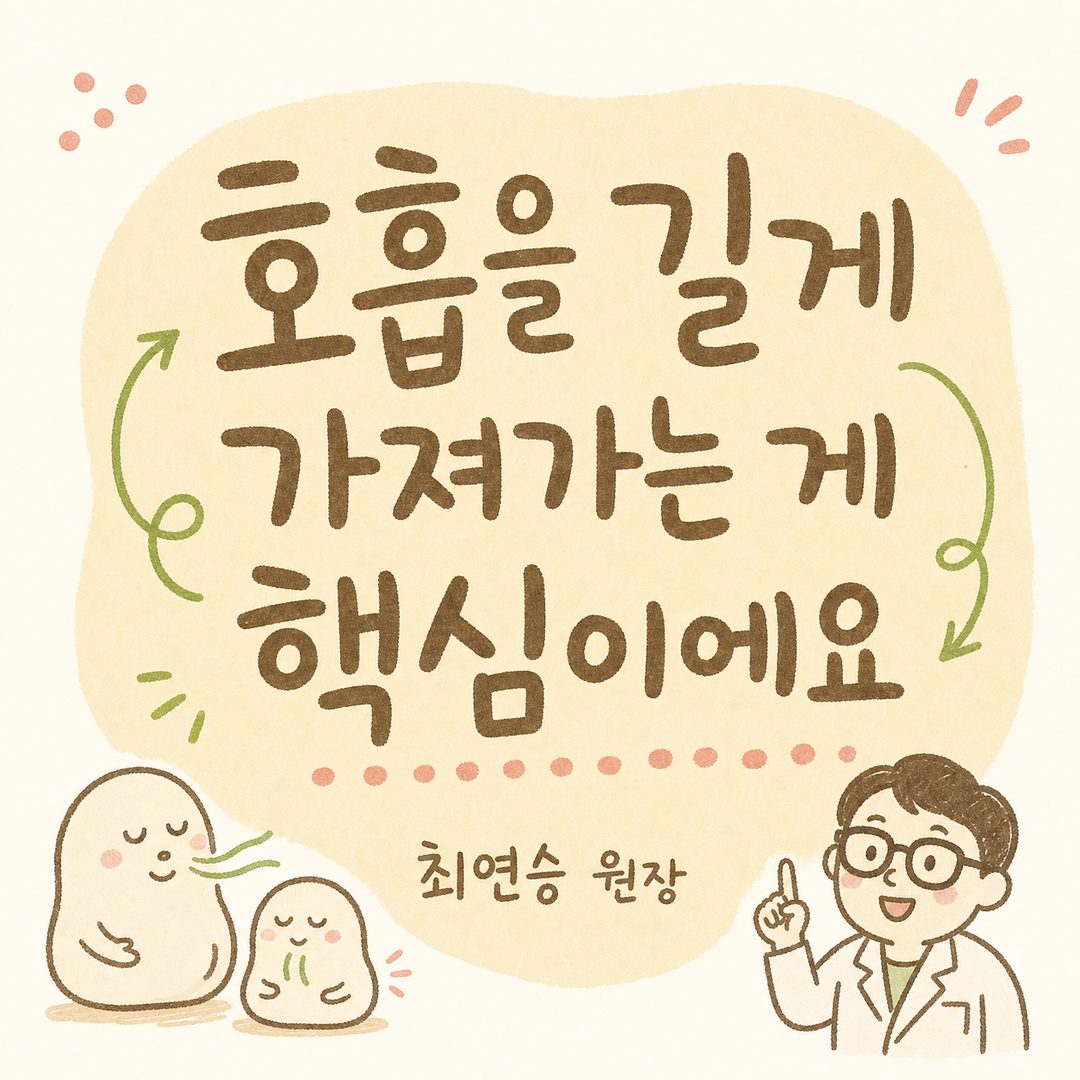
The key is to take long breaths. Rather than increasing the number of repetitions, staying in each pose long enough with deep breathing is much more helpful for circulation. If you experience pain, stop immediately, and if pain persists, seek medical advice.
Please also take care of your lifestyle habits. Avoid sitting in the same position for too long and stand up occasionally to loosen your calves. Salty foods and late-night snacks are the most common causes of next-day edema, so I recommend reducing them as much as possible.
Lower body obesity is a body type that wasn't formed in a day or two, so changes come slowly. However, if you set the right direction, your reflection in the mirror will definitely change. If you need to determine whether you are the cellulite, edema, or muscular type and require personalized constitutional care, feel free to contact the Baekrok Gambi-jung consultation room. We will look into it together and find the flow that fits you best.