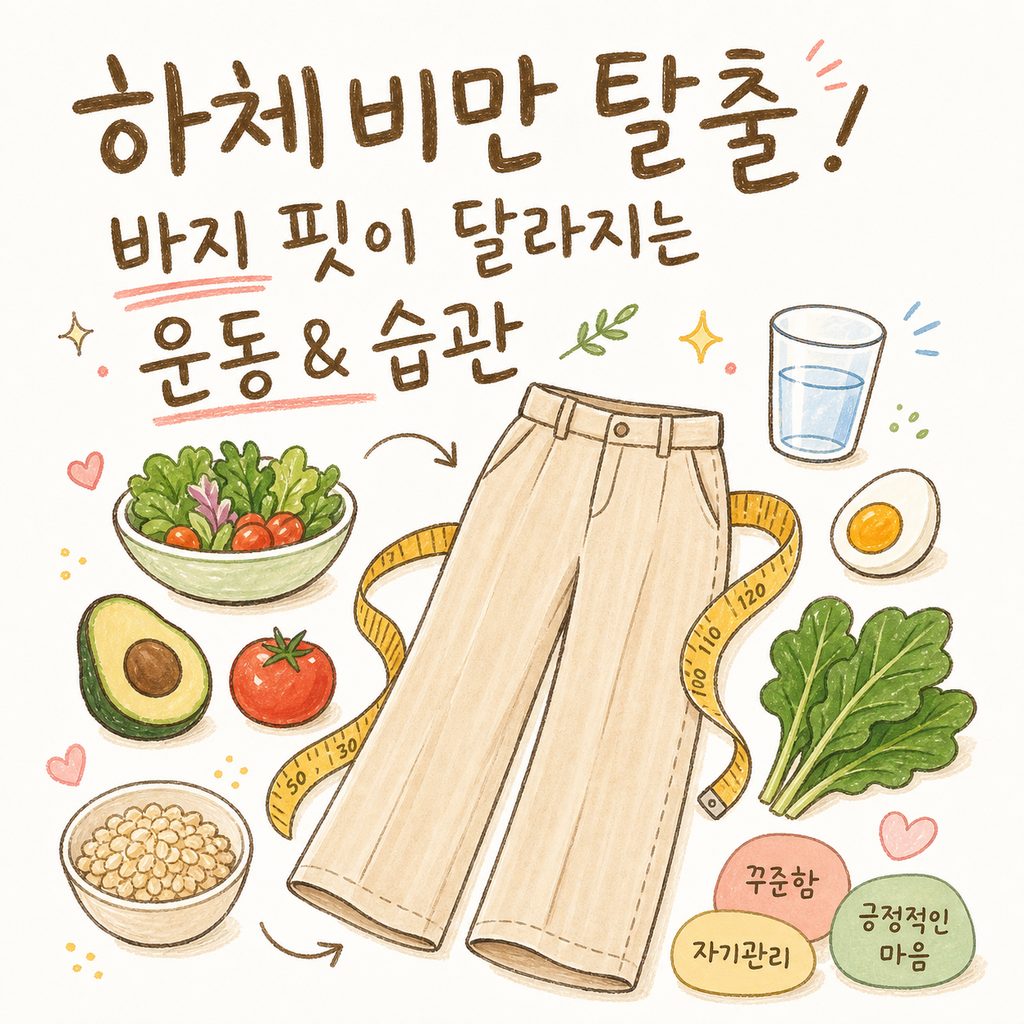
Lower Body Obesity: Exercises, Causes, and Pants Fit

Table of Contents
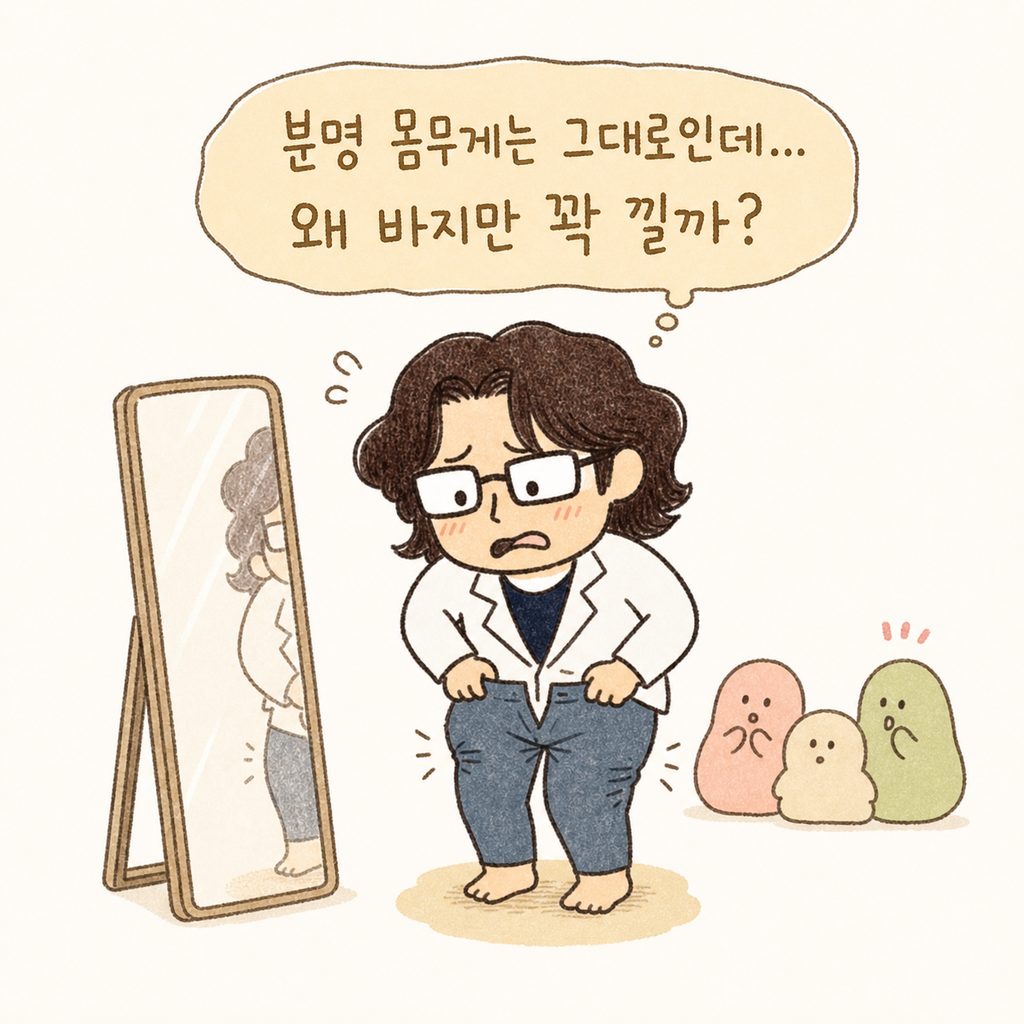
Have you ever felt frustrated because your thighs and calves feel tight in pants even though your weight hasn't changed? It can be stressful to choose clothes when your lower body stands out despite having a slim upper body.
The Real Reason for Lower Body Obesity
When speaking with patients in the clinic, I find many people believe the cause of lower body obesity is simply "gaining weight." However, in reality, it is very common for increased body fat and swelling (edema) to appear together.
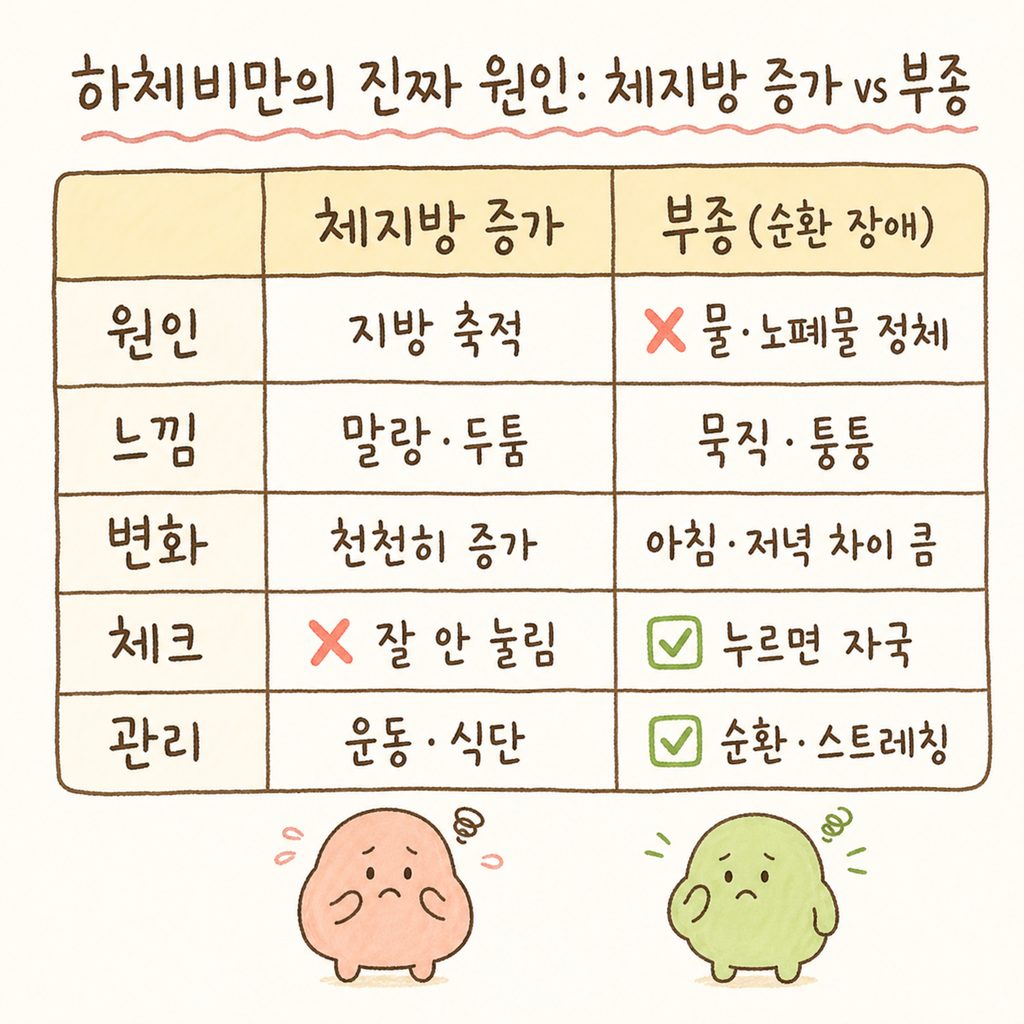
Habits such as sitting for long periods, enjoying salty foods, and a general lack of activity hinder the circulation of blood and lymph in the legs. When circulation drops like this, swelling worsens, eventually leading to thighs and calves looking thicker. Therefore, rather than a simple fasting diet, you can expect noticeable changes only when three things happen simultaneously: aerobic exercise to reduce body fat, strength training to build muscle, and lifestyle habits to reduce swelling.
The Process of Changing Your Pants Fit
Many people hope their pants size will decrease as soon as they start exercising, but it takes physical time for the body to change. Generally, noticeable changes in pants fit tend to appear after consistently combining exercise and dietary control for at least 4 to 8 weeks.
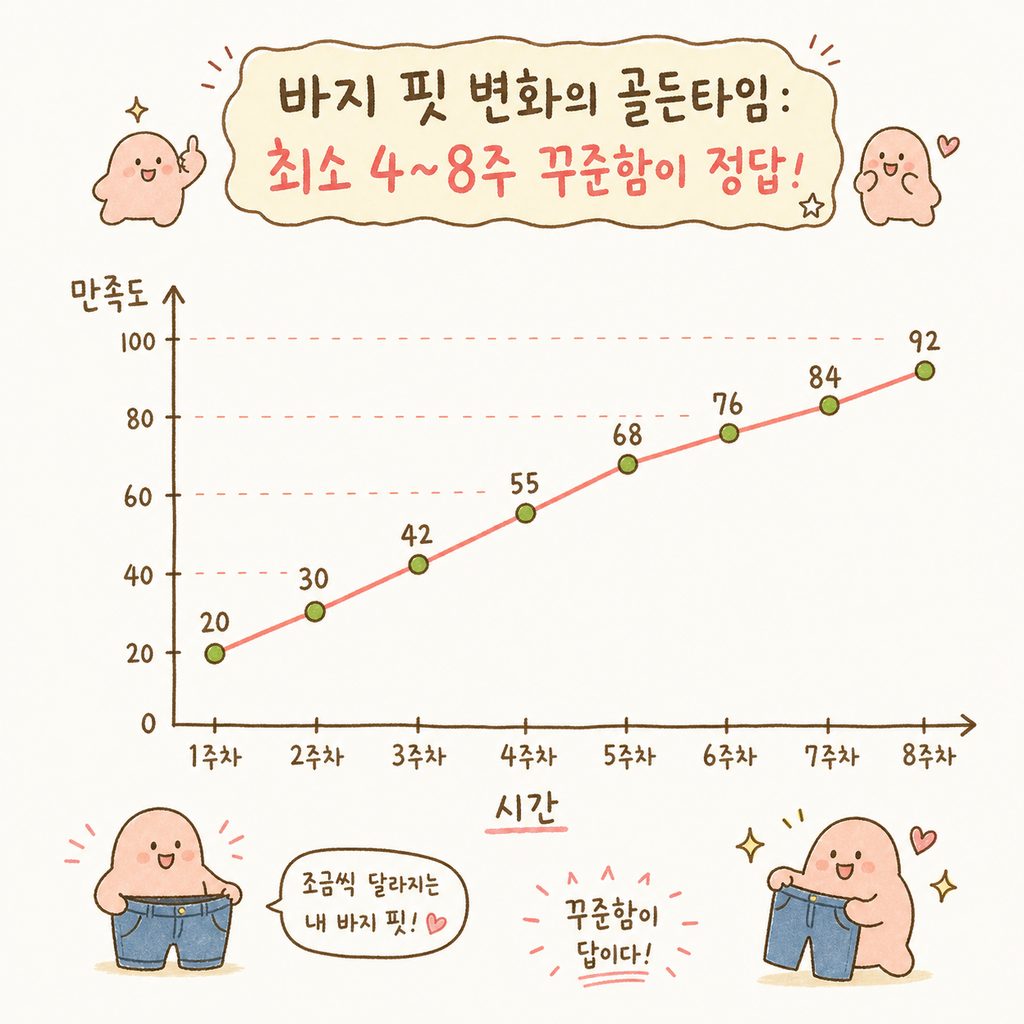
When you feel like giving up because progress seems slow, try using the power of recording. It is helpful to measure your thigh circumference every 2 weeks or take photos while wearing the same pair of pants. Keeping records through numbers or photos provides self-motivation, making it much easier to sustain the effort long-term.
Lower Body Circulation in Korean Medicine
In Korean medicine, lower body obesity is not viewed merely as a fat issue; it is approached from the perspective of "phlegm-dampness" (Dam-seup) or "blood stasis" (Eo-hyeol), where the circulation of Qi and Blood is stagnant. When waste products accumulate in the lower body and circulation fails, the body feels heavy and swells easily.
I also stretch whenever I have a break between consultations, but like my patients, I feel my legs getting heavy when lower body circulation stagnates. In such cases, rather than forcing intense exercise, it is important to start with light activities that clear the blocked flow. Aerobic exercises that aid systemic circulation, such as walking, jogging, or swimming, are a great help in reducing lower body edema.
Home Exercises You Can Do in Pants
If you don't have time to go to the gym, start with movements you can do at home while wearing comfortable pants. Here are some effective movements often recommended in health consultations.
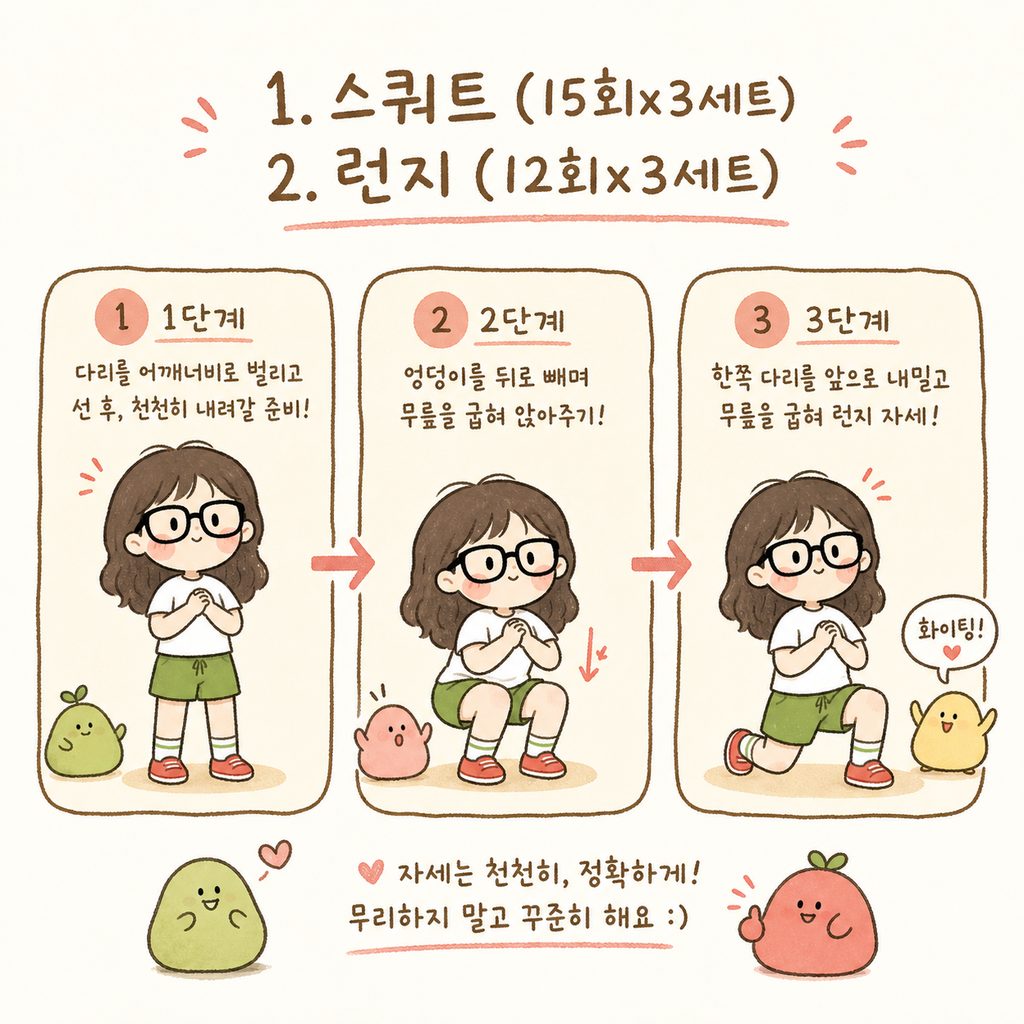
First is the squat. This involves standing with feet shoulder-width apart and sitting down by pushing your hips back, being careful not to let your knees go too far past your toes. I recommend 3 sets of 15 repetitions, 3 to 4 times a week. If you want to increase the intensity, try jump squats, where you jump up powerfully from the sitting position. This strongly stimulates the quadriceps, hamstrings, and glutes, making it effective for shaping the lower body line.
Next is the lunge. This movement involves stepping one foot forward and bending both knees. Try 3 sets of 12 repetitions, alternating sides. This exercise is advantageous for balancing the front and back of the thighs and glutes while correcting the hip line.
Diet and Habits in Daily Life
What you eat and your lifestyle habits are just as important as exercise. Instead of starving yourself, try to induce body fat loss by setting your total calorie intake about 10–20% lower than your Basal Metabolic Rate and Active Metabolic Rate. In particular, it is best to reduce refined carbohydrates like sugar, cookies, and sugary drinks while increasing protein intake.
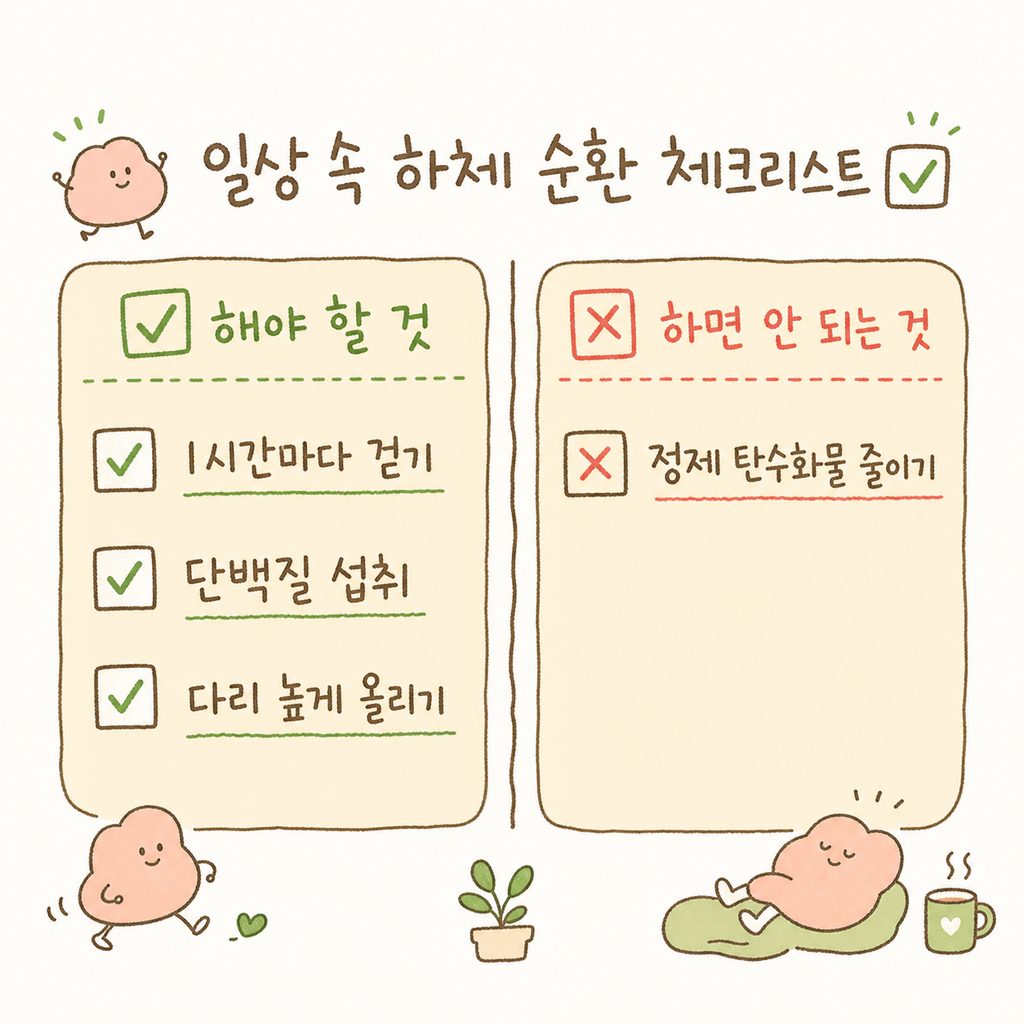
Take care of small habits in your daily life as well. Simply getting up once every hour to walk for 3 to 5 minutes or doing calf-pumping exercises by flexing your ankles can reduce swelling. The habit of leaning your legs high against a wall before sleep is also a great way to aid lower body circulation.
Tips for Choosing Pants to Complement Your Body Type
While you are shaping your lines through exercise, it is also important to choose pants that beautifully complement your current body type. If you are concerned about lower body obesity, I recommend high-waisted designs. Raising the waistline draws the eye upward, making the legs look much longer.
For the fit, straight or wide fits that have room in the thighs and calves are the most flattering. Choosing flowy materials that don't cling to the body, dark colors, or subtle patterns will make the thicker parts of the lower body less prominent. Conversely, low-rise waists, overly tight skinny jeans, or pants with many flashy decorations can emphasize the lower body and are best avoided.
Lower body management is not a homework assignment to be finished quickly, but a process of changing your body's circulation system. I hope you change your habits slowly with a heart that treasures your body rather than with a sense of urgency. If managing it alone feels overwhelming, try the Baekrok Gambi-jung program. You can expect more efficient results with an approach tailored to your constitution. Please try these tips and let me know what changes you've experienced during your next visit.