Lower Body Obesity — Causes, Management, and Yoga Poses

Table of Contents
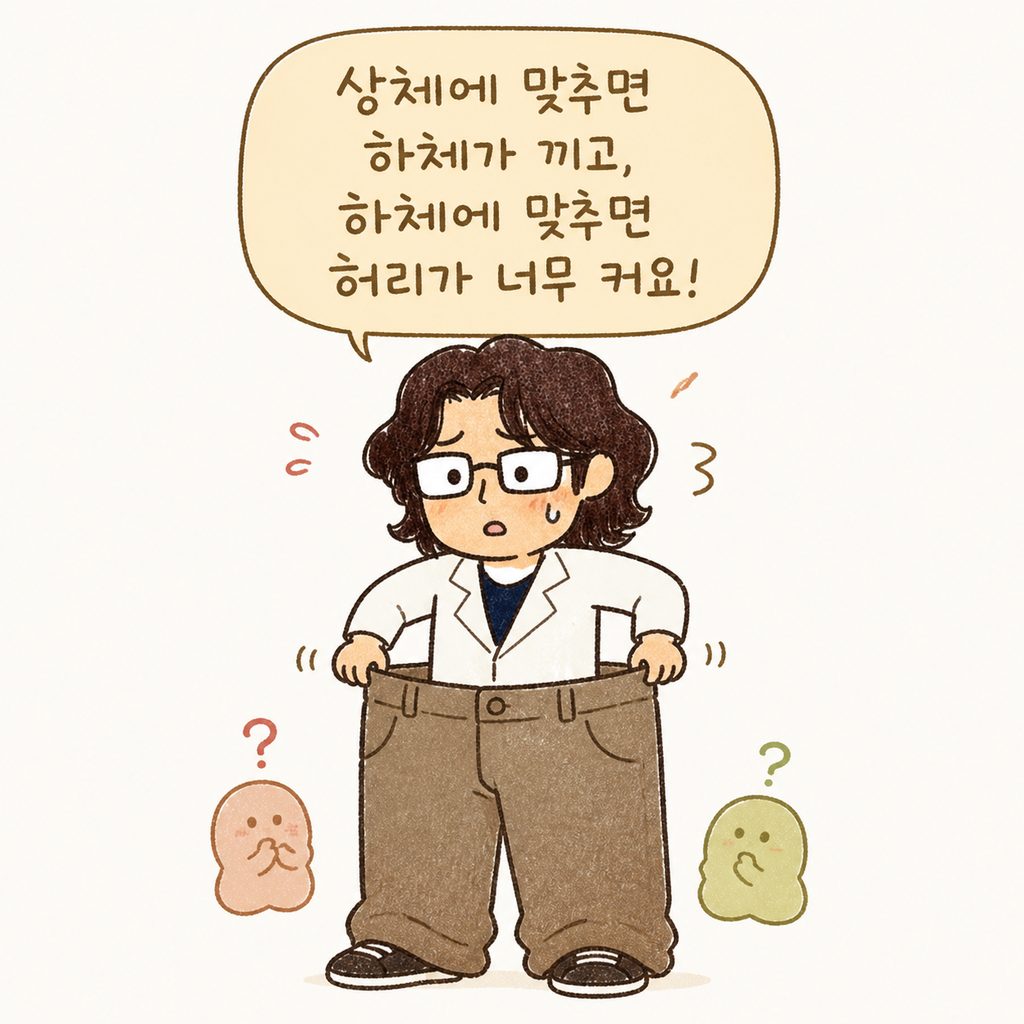
Many struggle to find pants that fit both their upper and lower body. Despite dedicated dieting and exercise, stubborn fat in the thighs and calves persists, causing frustration.
Why Fat Accumulates in the Lower Body
Many view lower body obesity as a simple issue of fat accumulation, but in reality, it's often the result of complex interactions between metabolic efficiency and lifestyle habits. Research analyzing Korean obesity patterns reveals fascinating insights.
One study used multivariate logistic regression analysis to calculate adjusted odds ratios (OR) with 95%[1] confidence intervals, examining the association between sleep duration and general as well as abdominal obesity. This demonstrates that obesity is not merely about eating less and moving more—it is closely tied to fundamental lifestyle rhythms like sleep and metabolic status. The tendency for fat to accumulate specifically in the lower body is often caused by systemic metabolic imbalance and poor circulation.
The Difference Between Healthy Legs and Obesity
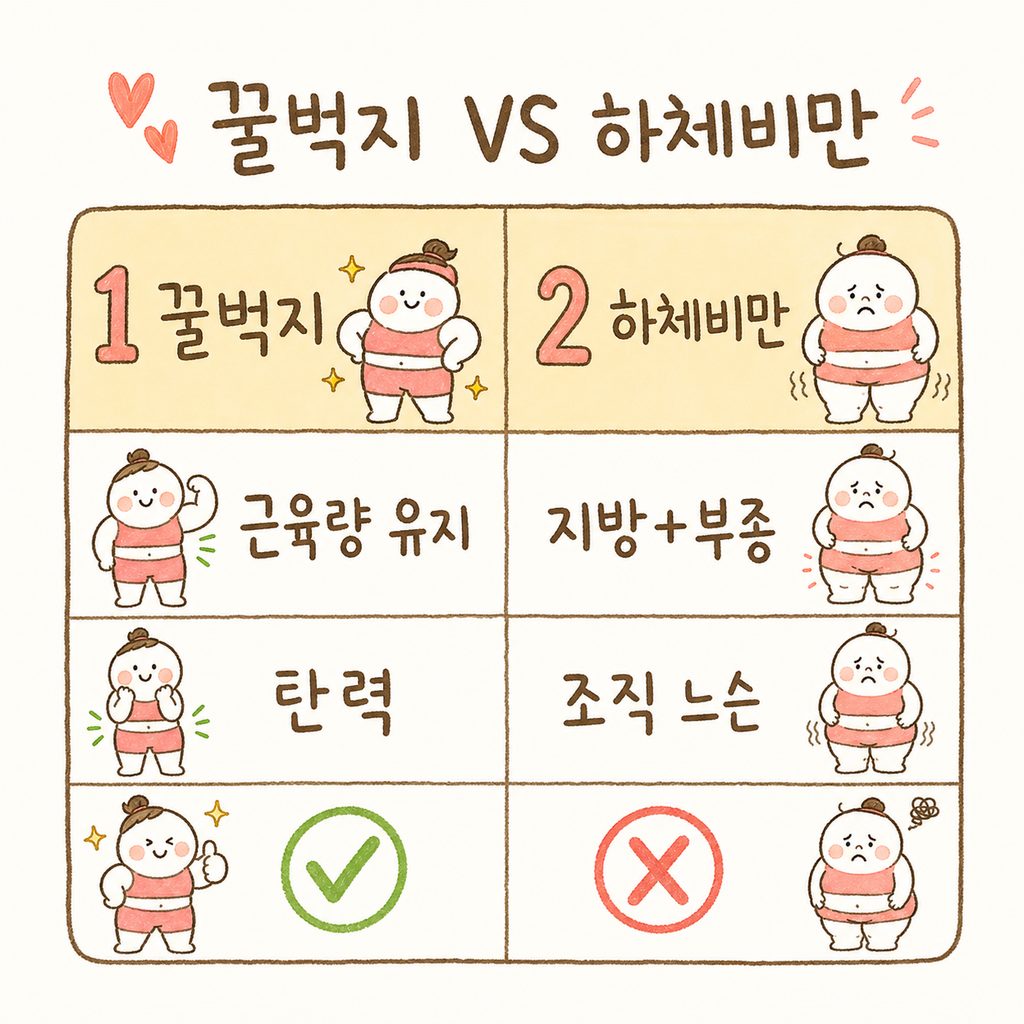
In clinical consultations, many patients confuse 'supple, toned legs' with 'lower body obesity.' Healthy, elastic legs maintain appropriate muscle mass, while lower body obesity refers to a state where fat and fluid retention are mixed, causing skin tissue to become loose.
Those troubled by having heavier lower bodies compared to their upper body often resort to extreme fasting or high-intensity cardio. However, exercising vigorously without proper circulation often leads to increased leg swelling or worsened fatigue. This indicates that addressing the stagnant flow in the lower body is more important than simply burning calories.
Lower Body Obesity from a Korean Medicine Perspective
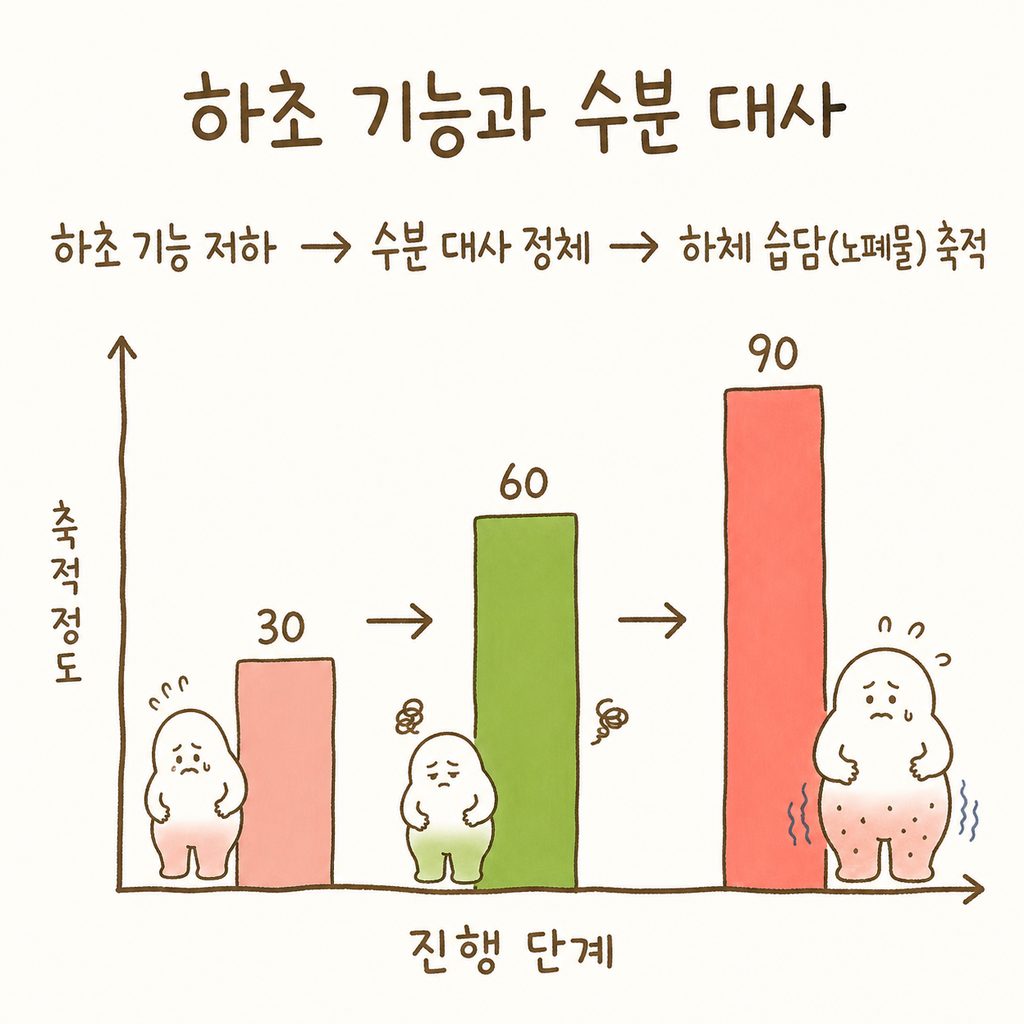
In Korean medicine, lower body obesity is approached not as simple weight gain, but from the perspective of stagnation in the flow of qi (energy) and blood. Specifically, when energy fails to descend properly toward the lower abdomen and legs, waste products called sipdam (dampness-phlegm) tend to accumulate.
Those who experience cold hands and feet, severe menstrual pain, or leg swelling by afternoon often complain of lower body obesity. This occurs because the function of the hijo (lower jiao) has declined, making fluid metabolism inefficient. Ultimately, effectively managing lower body fat requires not only reducing external fat but also removing internal cold and creating an environment that supports circulation.
Lower Body Circulation Points You Can Do Right Now
You don't need elaborate exercises—developing habits that release stuck Qi and blood in the lower body is beneficial. Here are two easy yoga poses I recommend in the clinic that you can do at home.
The first is the leg Qi-blood release pose. Lie down comfortably, hold one knee with both hands, and slowly pull it toward your chest. Hold this position for 20-30 seconds, then repeat on the other side. This is effective not only for increasing hip joint flexibility but also for relaxing thigh muscles and aiding blood circulation in the legs and abdomen. It particularly has positive effects on strengthening uterine health and reproductive function.
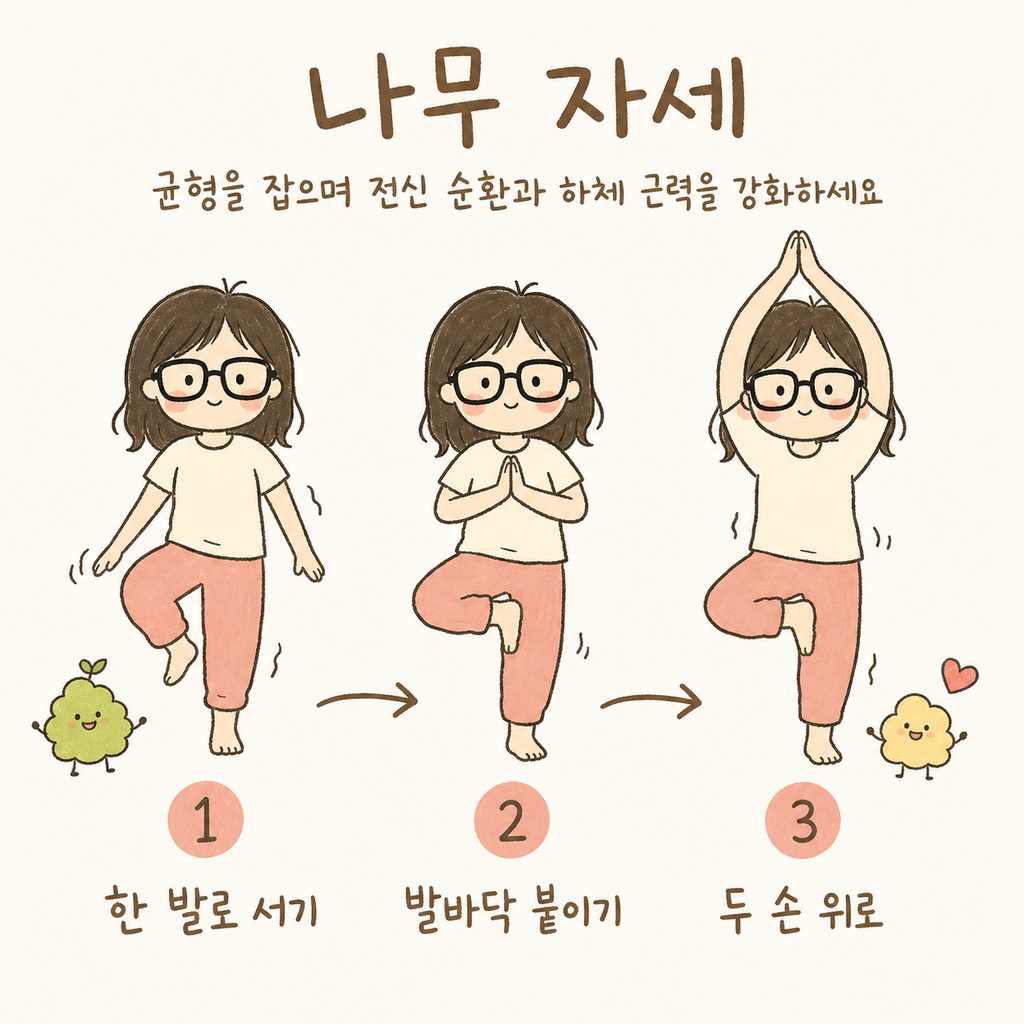
The second is the tree pose. Stand straight, bend your right leg, and press the sole of your foot against the inside of your left thigh. Balance on your left foot while extending both hands straight up above your head. This movement strengthens leg muscles while correcting rounded shoulders and opening the chest, helping to regulate the autonomic nervous system and restore overall body balance.
Closing: Creating a Healthy Lower Body Line
Lower body obesity is one of those concerns that is difficult to resolve quickly. However, if you understand your body's circulation status and consistently practice appropriate management methods, you will definitely notice changes. Rather than drastic fasting, try warming your lower body with foods of warm nature, and break up stagnant flow with the stretching techniques introduced here.
If you find self-management difficult or feel constitutional limitations, seeking professional help is also a good option. With the Baekrok Gambi-jung program, you can expect more effective results through metabolism improvement tailored to your individual constitution. Try the poses introduced today, and let me know how they worked for you at your next consultation.
References
[1] The association between sleep duration and general and abdominal obesity in Koreans: data from the Korean National Health and Nutrition Examination Survey, 2001 and 2005. (Obesity (Silver Spring, Md.), 2009) — https://pubmed.ncbi.nlm.nih.gov/19180067/
References