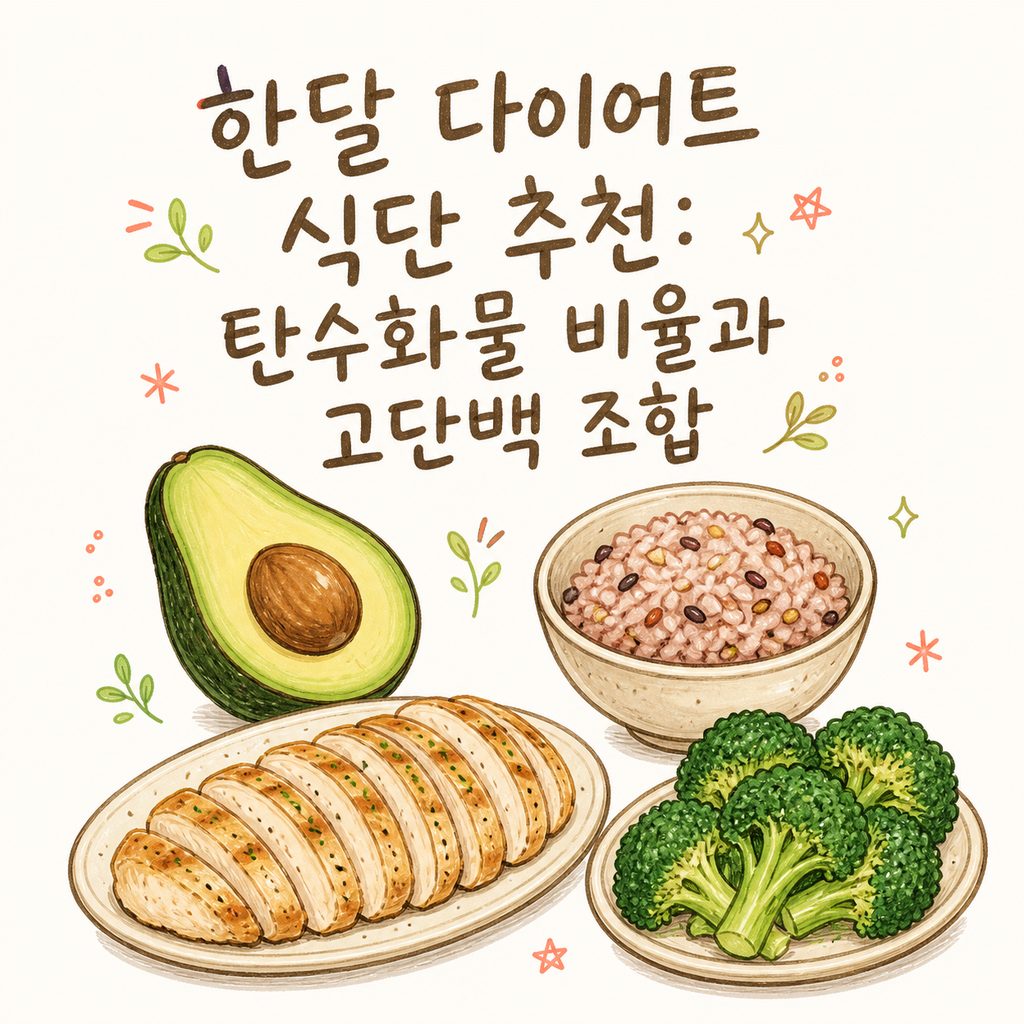
One-Month Diet Meal Plan: Carb Ratios and High-Protein Combos

Table of Contents
Deciding to start a diet is exciting, but the most daunting part is figuring out what to eat. In my clinic, I often see patients who jump into extreme methods like starving themselves or eating only chicken breast and sweet potatoes, only to give up after a few days and feel guilty about it. Even when I'm grabbing meals between consultations, I find myself thinking about how to healthily lose weight while still managing hunger.
Honestly, one month is the perfect amount of time for your body to adapt to new eating habits and reprogram your metabolism—while also being short enough that pushing too hard can lead to burnout. So today, I want to share a sustainable, evidence-based one-month meal planning approach that I frequently recommend to my patients.
Don't Cut Carbs Completely—Aim for About 30%
One supposed "diet rule" is to minimize carbohydrates as much as possible. However, going completely "zero carb" can be dangerous. According to the Korean Society for the Study of Obesity guidelines, you can safely achieve weight loss when carbohydrates make up about 30-50% of your meals.

This is significantly lower than the previous Ministry of Health and Welfare recommendation of 50-65%, but maintaining at least 30% is essential to keep your body functioning properly. When carb intake drops too low, your brain's energy supply diminishes, leading to poor concentration. In severe cases, it can even trigger rapid weight regain.
Quality matters more than quantity. Instead of high-GI foods like white flour products or white rice, choose whole grains or mixed grain rice with a lower glycemic index. Ingredients that slowly raise blood sugar help stabilize insulin secretion, creating a more favorable environment for fat burning.
Protein Ratio and the Importance of Breakfast
Protein is essential for preventing muscle loss and maintaining satiety. The obesity society recommends a protein intake of 20-30%. In particular, having a high-protein breakfast with eggs or fish helps trigger feelings of fullness, which significantly reduces the tendency to overeat at lunch.
There's an interesting research finding. A study on obese men with BMI ≥30kg/m² showed that a low-energy diet creating approximately 30% energy deficit improved metabolic markers and reduced the severity of sleep apnea. The key here is that this isn't about starving yourself—it's about planned energy restriction combined with proper nutrient distribution.
When choosing protein sources, opt for whole foods like chicken breast, white fish, tofu, and eggs rather than processed meats like ham or sausages. Additives and sugars in processed foods are major culprits that reduce diet effectiveness.
Vegetable Volume and Good Fats
One thing many people overlook when planning meals is "volume." Our brain only feels satisfied when the stomach is physically filled to a certain degree. This is where vegetables become incredibly useful. Place fiber-rich vegetables like lettuce, cucumber, and broccoli at the center of your meals to ensure volume and fullness.
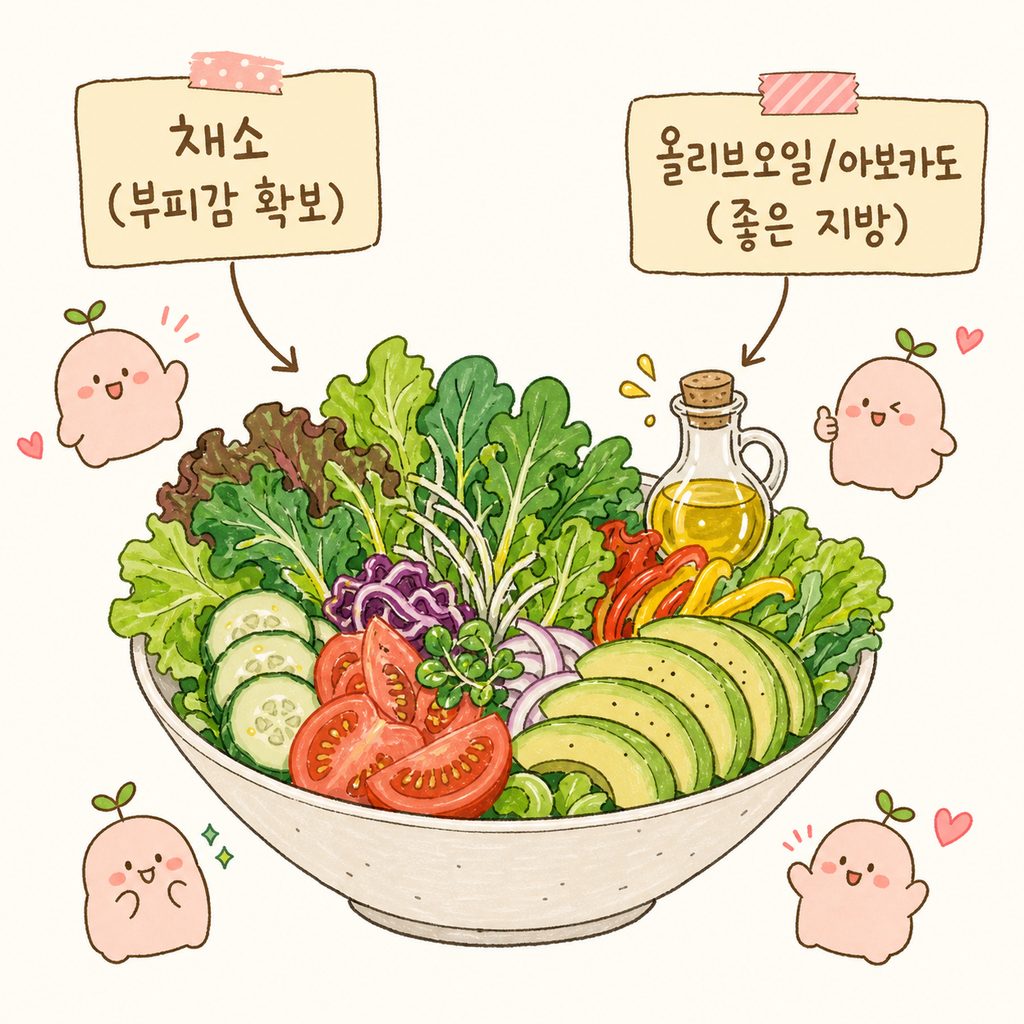
Adding "good fats" elevates your meal plan's completeness. Unsaturated fatty acids like olive oil or avocado help stabilize hormonal systems and fill the void that can come from low-carb eating.
The method I actually recommend is adding olive oil and vinegar to your salad, or having a small portion of avocado with two boiled eggs for breakfast. Avoiding fats entirely can actually lead to dry, dull skin or hair loss, so I highly recommend including appropriate amounts of quality fats.
Salt, Water, and Electrolyte Balance
When starting a low-carb diet, your body rapidly loses water, which can easily lead to electrolyte imbalance. This is precisely why many people suddenly feel weak or dizzy. In these situations, consuming an appropriate amount of salt can actually help.
Rather than an extreme no-salt diet, seasoning food properly enhances sustainability. In a low-carb state, electrolyte management becomes crucial—try drinking some salt water or seasoning your food adequately.
At the same time, you need to increase your water intake. Drinking plenty of water—at least 2L per day—helps with waste elimination and effectively curbs fake hunger pangs. Just developing a water-drinking habit alone can significantly reduce unnecessary snacking.
Common Mistakes vs. Healthy Approaches
Let me highlight the differences between the "lose weight fast, gain it back fast" diets many people try and the "healthy approach" I recommend.
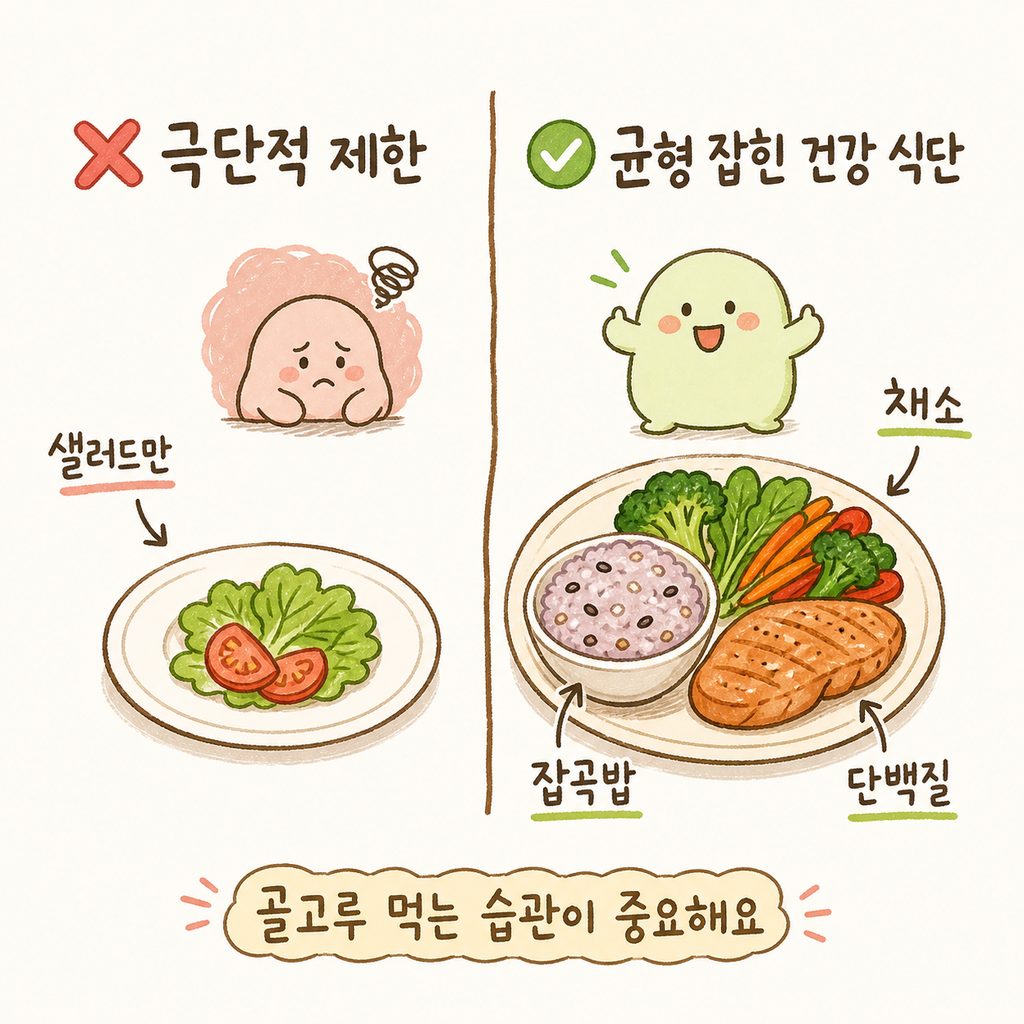
Common Mistakes (❌): Eating only one salad plate per day, attempting 0% carbs, stubbornly insisting on no-salt diets, replacing meals with protein shakes
Healthy Approach (✅): Maintaining 30-50% carbs (focusing on whole grains), high-protein breakfast, prioritizing vegetable-based volume, appropriate salt and water intake
The former may show rapid initial weight loss, but muscle mass decreases along with it, lowering basal metabolism. Ultimately, you'll experience the yo-yo effect of gaining weight easily even when eating slightly more. The latter promotes fat-focused weight loss while preserving your body's metabolic function.
Three Recommended Combos You Can Start Today
If figuring out daily menus feels stressful, try cycling through these three combinations.
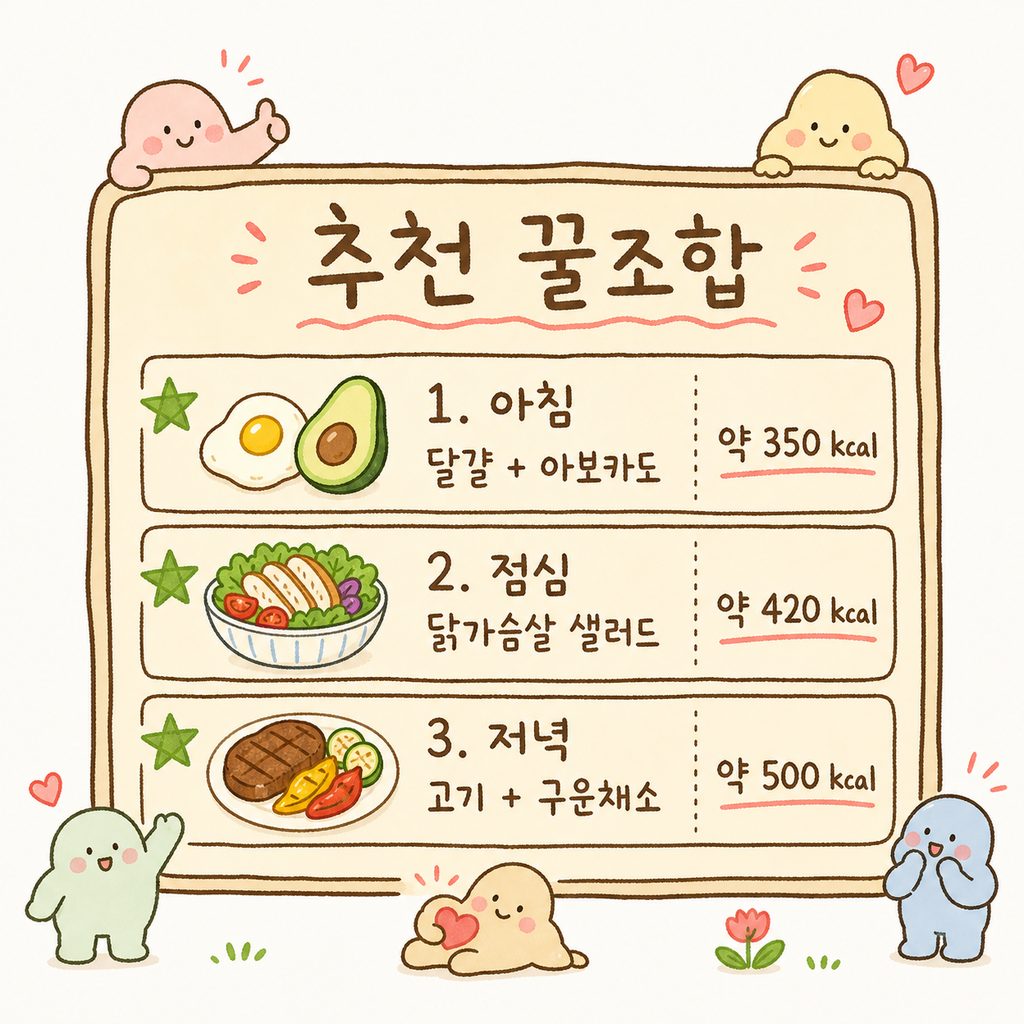

1. Hearty Breakfast Combo: Eggs + Avocado + Black Coffee Try two boiled eggs with a quarter of an avocado and a cup of black coffee. The combination of protein and healthy fats creates a meal where you'll barely feel hungry until lunch.
2. Light Lunch Combo: Chicken Breast + Lettuce/Cucumber Salad + Olive Oil Use olive oil and vinegar as your salad dressing for chicken breast salad. Simply avoiding the sugar found in commercial dressings goes a long way in blood sugar management.
3. Satisfying Dinner Combo: Beef/Pork Belly + Broccoli + Roasted Vegetables For dinner, stir-fry or roast beef or pork (like pork belly) with vegetables. However, the key is to add plenty of leafy vegetables for volume. Adding a bit of cheese can simultaneously boost flavor and satisfaction.
It's important to observe how your body responds to these principles over the month. Consider the first week as a period for shrinking your stomach size and letting your body adapt, then from the second week onward, focus more on actively inducing fat burning.
Sometimes meal planning alone can feel overwhelming, or if you have a体质 that makes appetite control particularly difficult, seeking professional help is also an option. Combining with the Baekrokdam Gambi-jung and Baekrok Gambi-hwan program can help support your metabolism for more efficient results.
Try applying the dietary methods I've shared today starting this week, one step at a time, and let me know how your body's condition changes—whether at your next consultation or in the comments. I support all of you in achieving healthy weight loss.
References
[1] One-month of a low-energy diet, with no additional effect of high-protein, reduces Obstructive Sleep Apnea severity and improve metabolic parameters in obese males. (Clinical Nutrition ESPEN, 2021) — https://pubmed.ncbi.nlm.nih.gov/33745625/
References