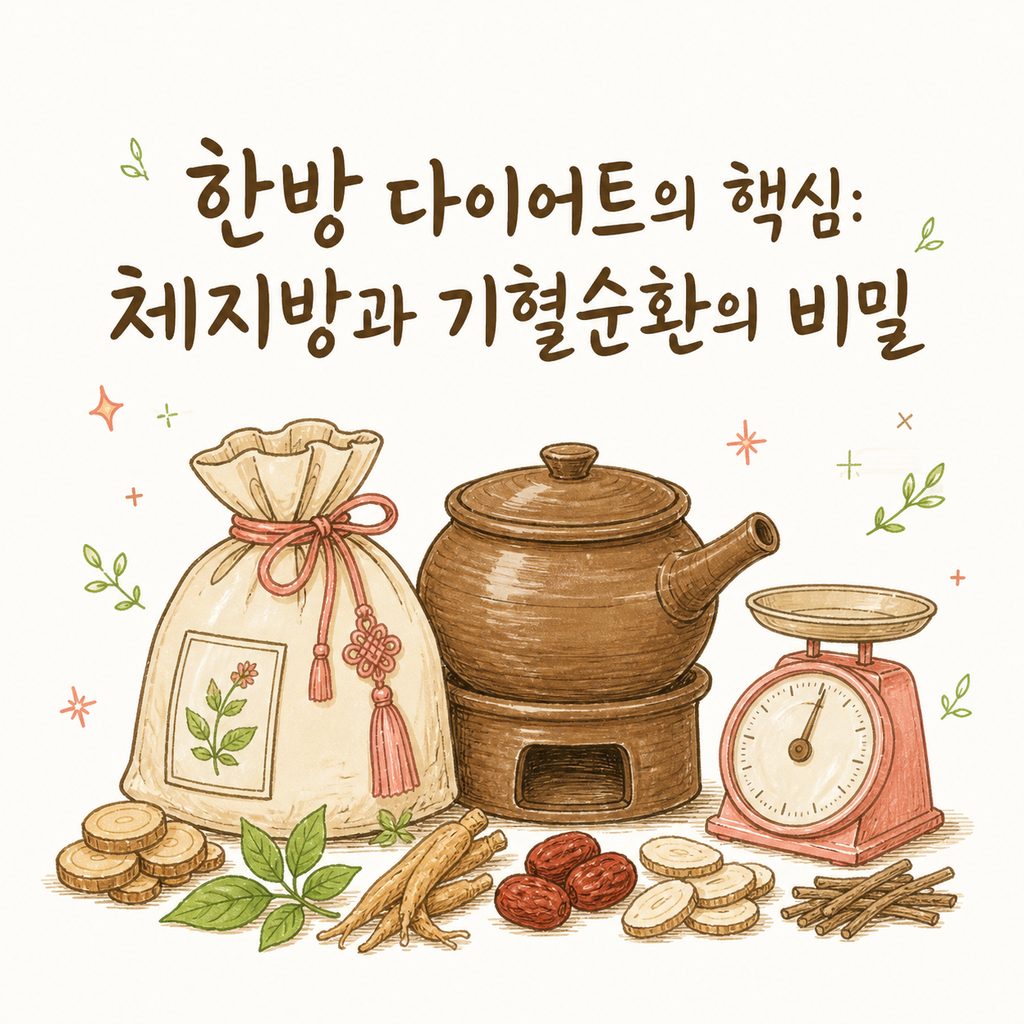
Korean Medicine Diet: Fat Loss Through Qi-Blood Circulation

Table of Contents
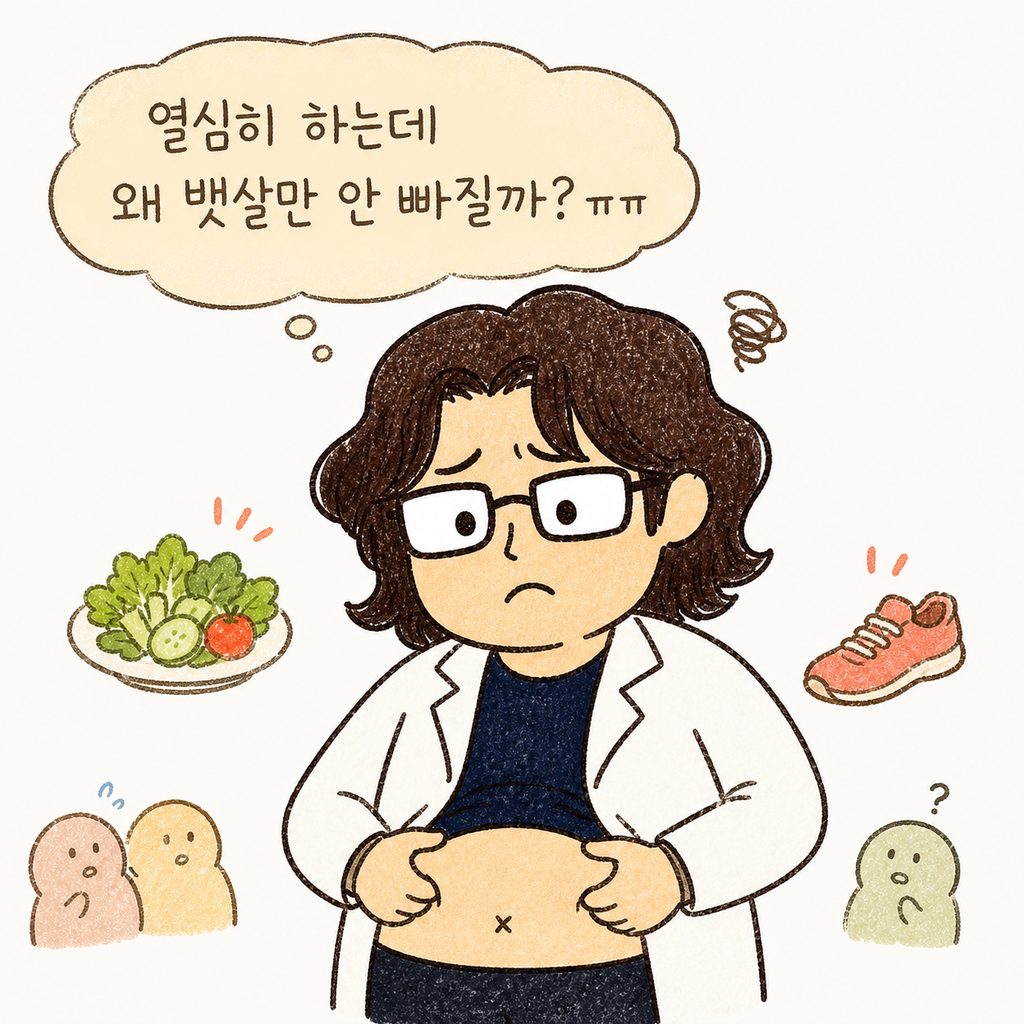
Many people feel frustrated when belly fat stubbornly refuses to budge despite strict dieting and daily exercise. When the scale doesn't move despite genuine effort, it's natural to feel mentally exhausted.
The Environmental Problem of Stubborn Fat
If weight isn't decreasing despite your best efforts, it's not just a calorie issue—you need to examine whether your body has created an environment where fat can actually be burned. This is because body fat doesn't simply disappear from starvation.
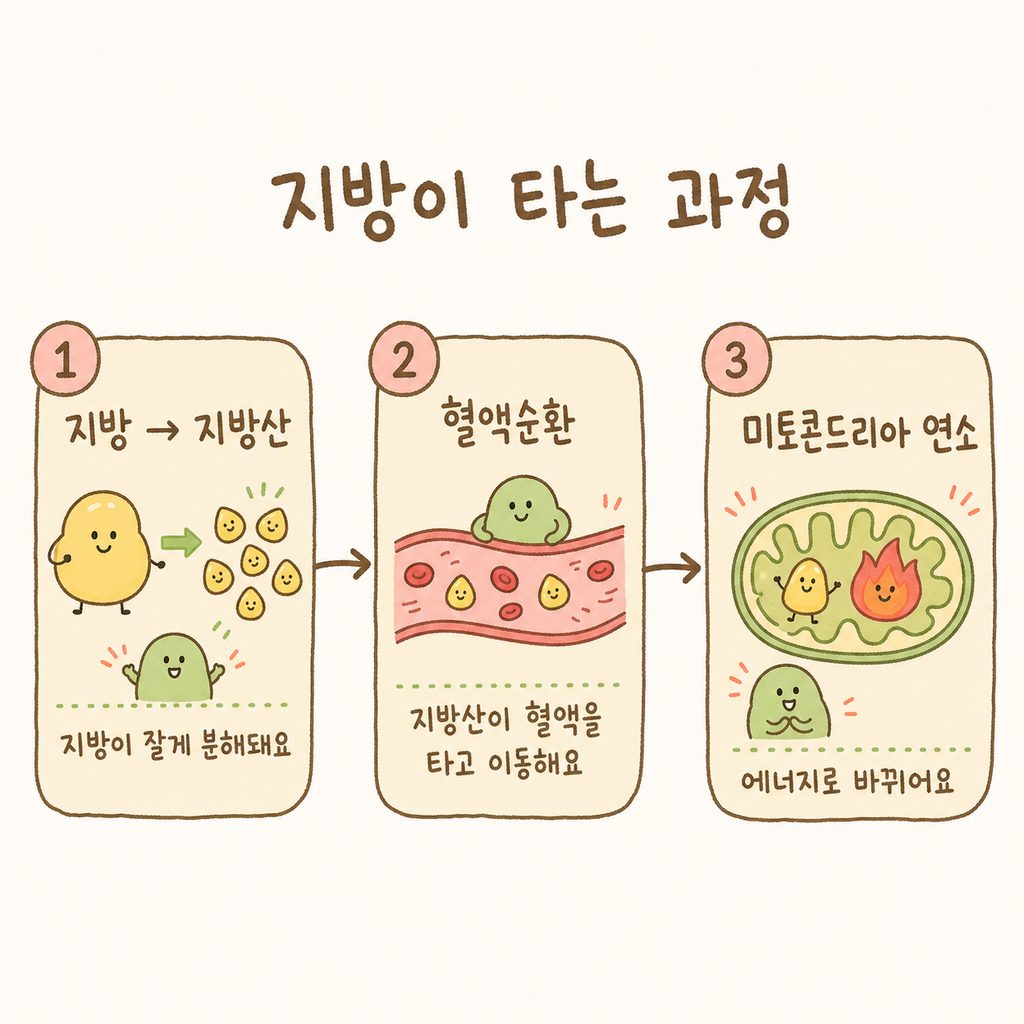
For fat to burn, it must first be broken down into fatty acids. These fatty acids travel through the bloodstream to the heart, then are burned inside the mitochondria of cells. In other words, if the road (blood circulation) to the fat-burning factory (mitochondria) is blocked, efficiency drops no matter how little you eat.
The Intimate Relationship Between Sleep and Hormones
One aspect many overlook is sleep. Insufficient sleep doesn't just leave you tired—it can disrupt hormonal balance. Specifically, the balance between two key appetite-regulating hormones, ghrelin and leptin, becomes disrupted.
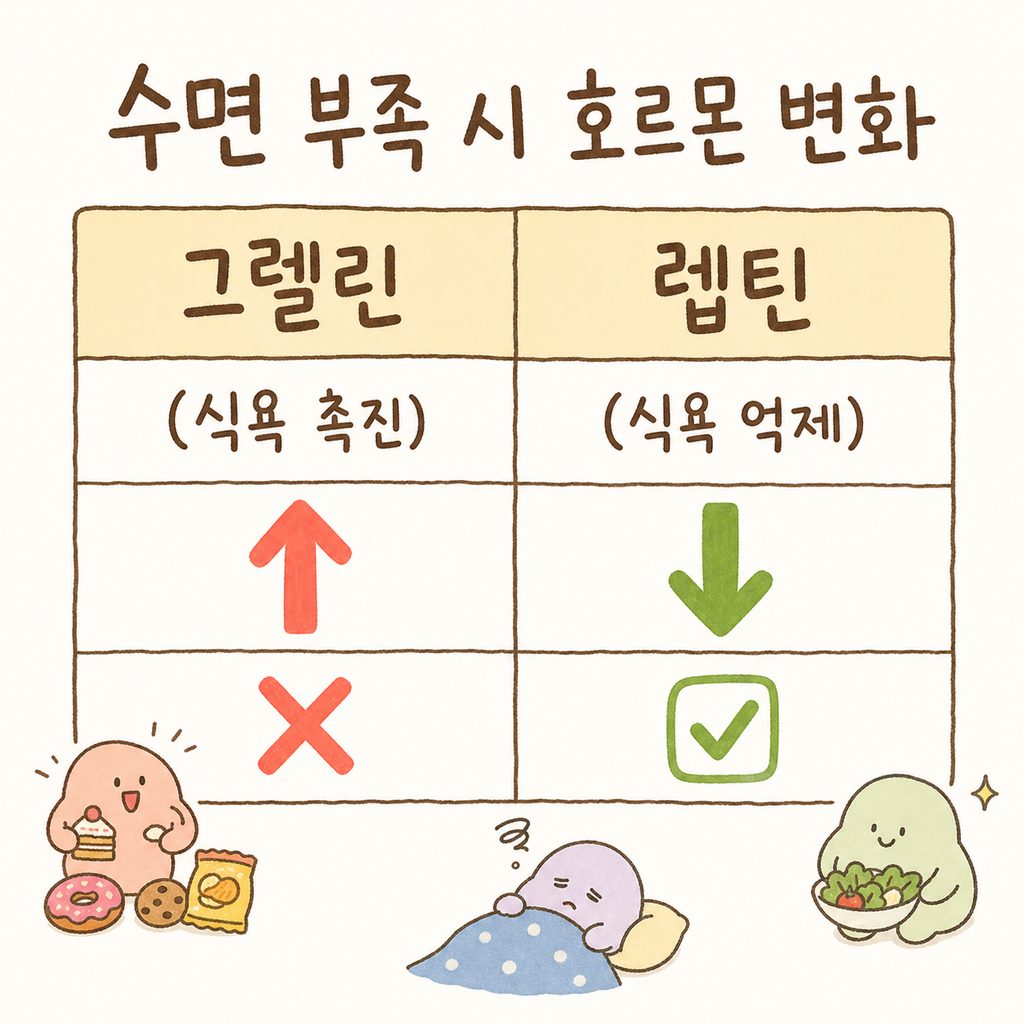
Ghrelin, which stimulates appetite, increases while leptin, which suppresses appetite, decreases—making you crave snacks. Additionally, on days when you're sleep-deprived and fatigued, blood sugar tends to spike more dramatically even when eating the same foods. When overall metabolic function isn't smooth, it creates an environment where lower abdominal fat easily accumulates.
Understanding Obesity Causes in Traditional Korean Medicine
Modern medicine primarily views obesity as resulting from energy excess due to excessive nutrient intake. In contrast, Traditional Korean Medicine focuses on a state where waste products fail to properly exit the body and accumulate internally, leading to impaired Qi-blood circulation.
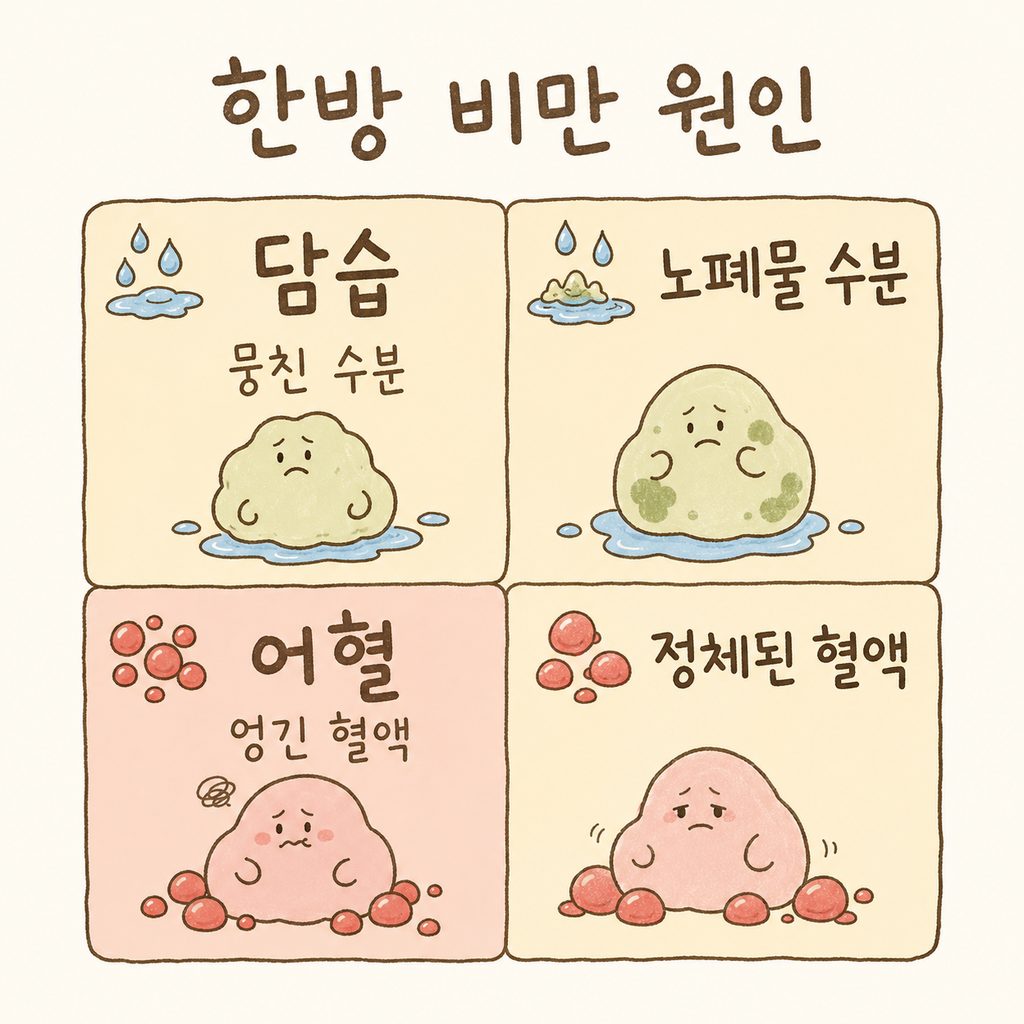
When moisture and body fat that aren't used or eliminated remain in the body, they become waste products. The congealed moisture is called Phlegm-Dampness (痰濕), and when this adheres to blood, it's called Blood Stasis (瘀血). These Phlegm-Dampness and Blood Stasis interfere with Qi-blood circulation, transforming the body into an obesity-prone constitution. Ultimately, when digestive function declines or circulation is blocked by stress, excess calories create secondary waste products—a vicious cycle repeats.
The Korean Medicine Diet Approach
Korean medicine diet focuses not simply on reducing weight, but on helping the body return to a healthy state so fat is naturally lost. Various Korean medicine treatments are systematically utilized for this purpose.
Korean herbal medicine is used to regulate appetite and promote metabolism, while acupuncture, pharmacopuncture, moxibustion, and cupping help activate stagnant Qi-blood circulation. Chuna manipulation and massage for body contouring may also be incorporated. Since each person's constitution and obesity type differs, some may focus on removing Phlegm-Dampness while others take an approach of strengthening vital energy to boost metabolism. Think of it as the process of unblocking the stagnant areas in your body so fat can properly travel to the mitochondria.
Lifestyle Habits You Can Start Implementing Now
Let me share two key practice points I always emphasize to patients in the clinic.
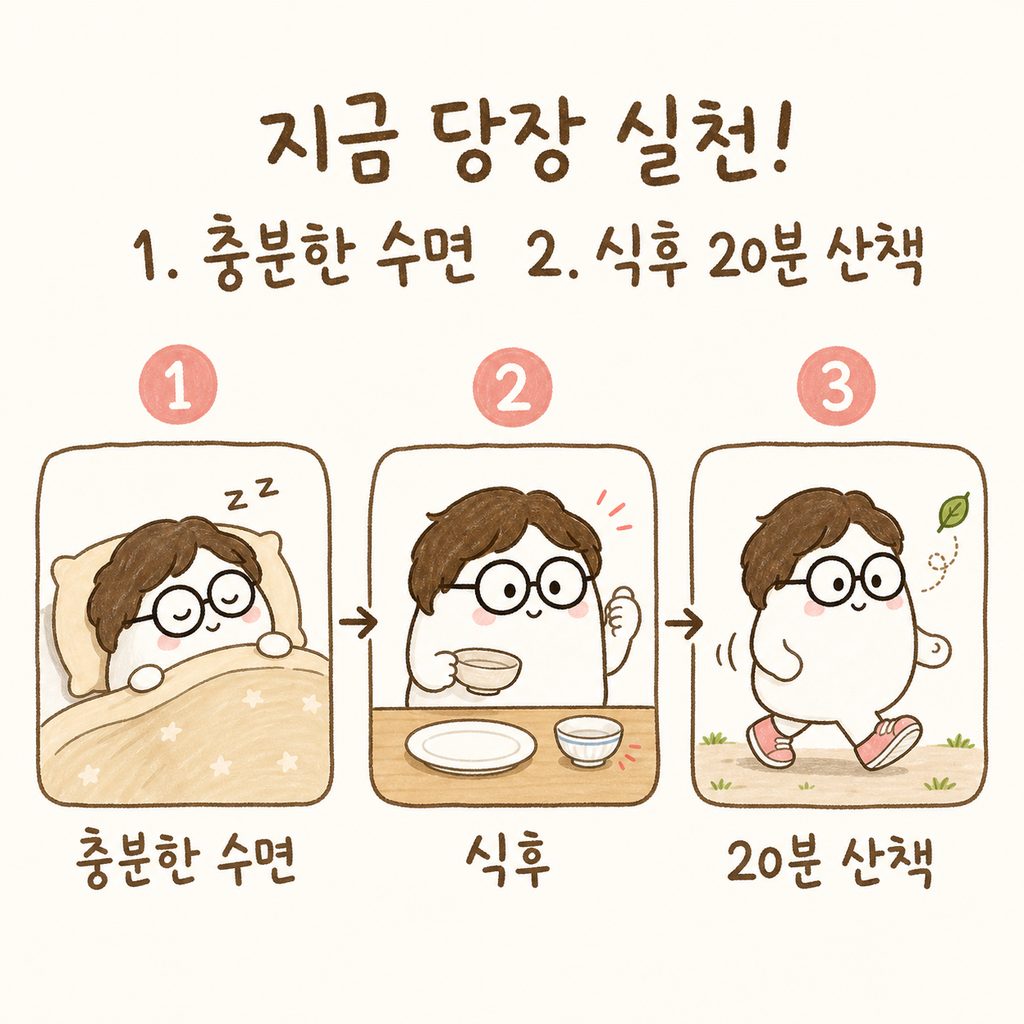
First is ensuring adequate sleep. As mentioned earlier, sufficient sleep is essential for balancing ghrelin and leptin. Simply sleeping well reduces phantom hunger, making diet management much easier.
Second is light walking after meals. After finishing a meal, try taking a 20-30 minute light walk. This habit helps digestion and prevents rapid blood sugar spikes, greatly helping to prevent body fat accumulation. It doesn't need to be strenuous—even a short post-meal walk as a routine makes a difference.
Starting Point for Healthy Weight Loss
Diet/weight management isn't just about reducing numbers—it's a process of optimizing your body's metabolic environment. Rather than restrictive fasting or excessive exercise, it's important to first examine your body's circulation status.
If managing diet and exercise alone feels overwhelming, or if you're experiencing a plateau due to constitutional limitations, seeking professional help is also a great option. With the Baekrokdam program, you can expect more efficient results through prescriptions tailored to your individual constitution.
Try starting with the sleep and post-meal walking tips I shared today, one step at a time. If you have any questions, feel free to ask during your next consultation. Let's find a healthy path together.
References