Thigh Fat Loss: Body Fat, Strength, and Diet Tips

Table of Contents
It’s most bothersome when your inner thighs touch or your jeans feel tight in the mirror. In the clinic, I often hear patients say, "I've lost weight everywhere else, but my thighs stay the same."
Why Do Thighs Gain Weight So Easily?
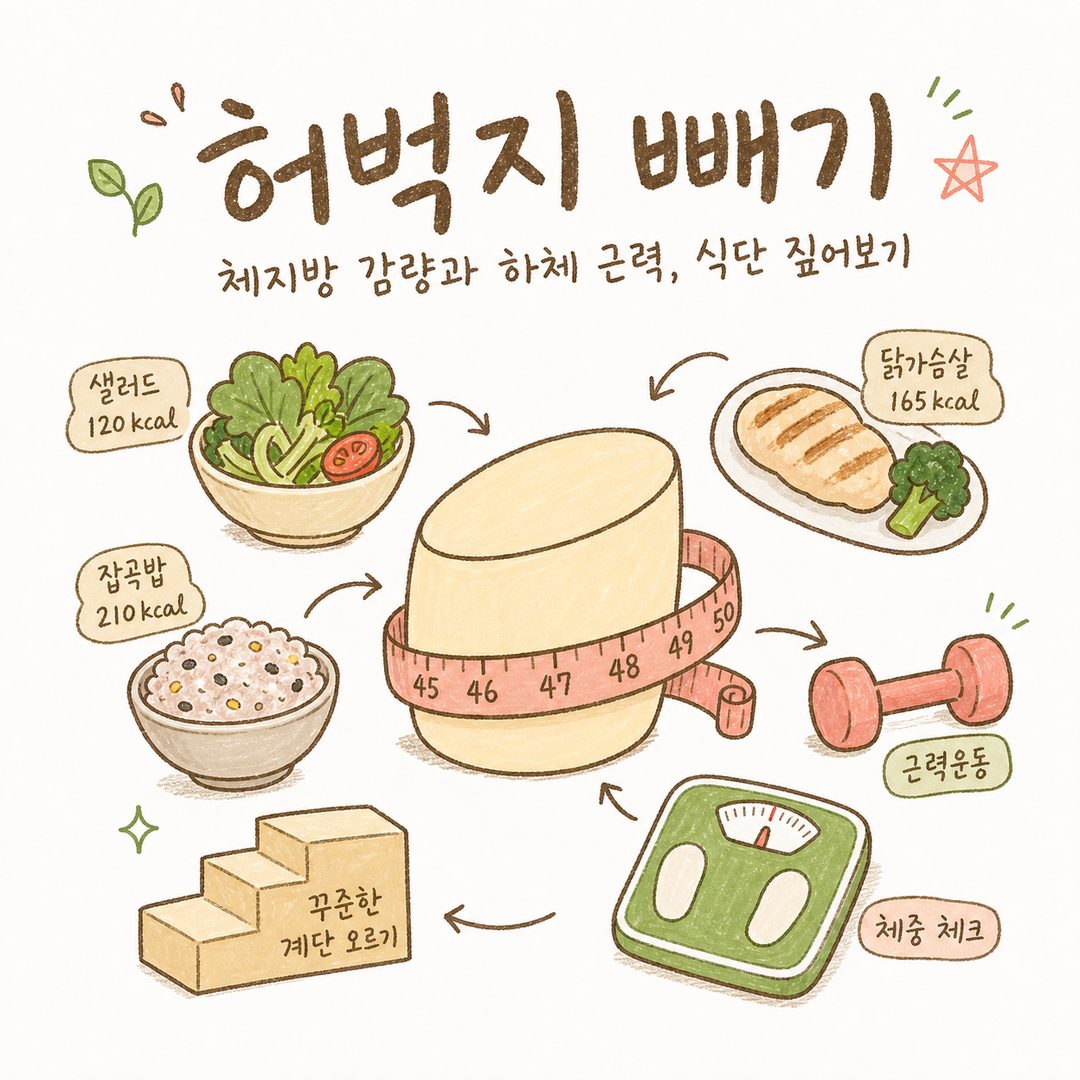
Our bodies have predetermined areas for fat storage based on genetics and hormones. Women, in particular, tend to accumulate body fat in the thighs, hips, and abdomen first. Unfortunately, the idea of "spot reduction"—losing weight only in the thighs—has little scientific basis. Health experts recommend a combination of systemic body fat reduction + lower body strength training + lifestyle modification rather than focusing on partial weight loss.
Factors like sitting for long periods, wearing tight pants, and high heels can further decrease blood and lymphatic circulation. This leads to edema and cellulite, making thighs look thicker than their actual fat content. If you only repeat squats without creating a calorie deficit (intake ≤ expenditure), the circumference is unlikely to change significantly.
Start with Your Diet
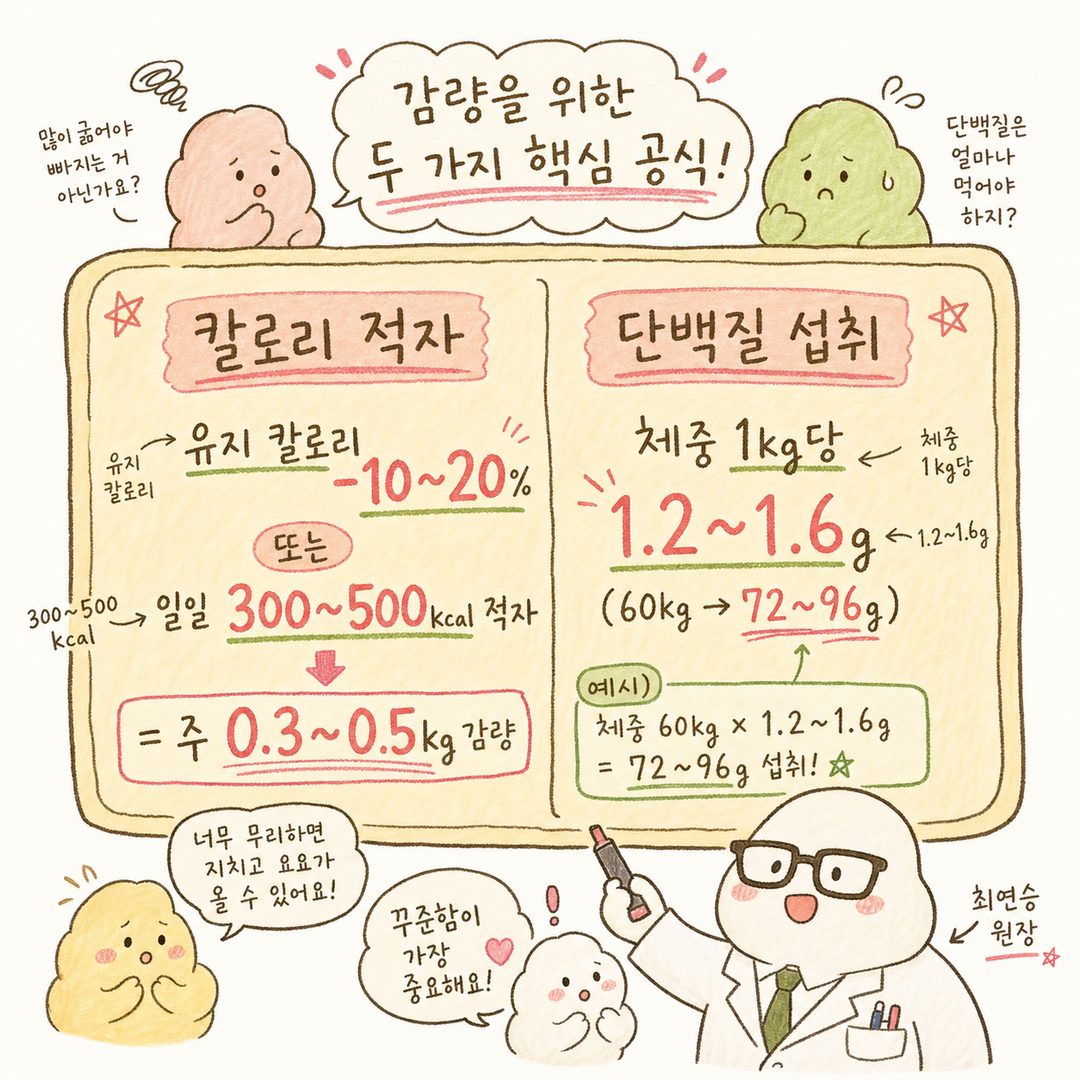
The starting point is slightly reducing your total intake. A general recommendation is about 10-20% below your maintenance calories. For example, if your maintenance level is 2,000 kcal, aim for 1,600–1,800 kcal. Another standard is creating a daily deficit of 300–500 kcal, which is known to result in a weight loss of about 0.3–0.5 kg per week. Starving yourself too aggressively can lead to muscle loss, making the thighs appear saggy.
What you reduce and increase is also vital.
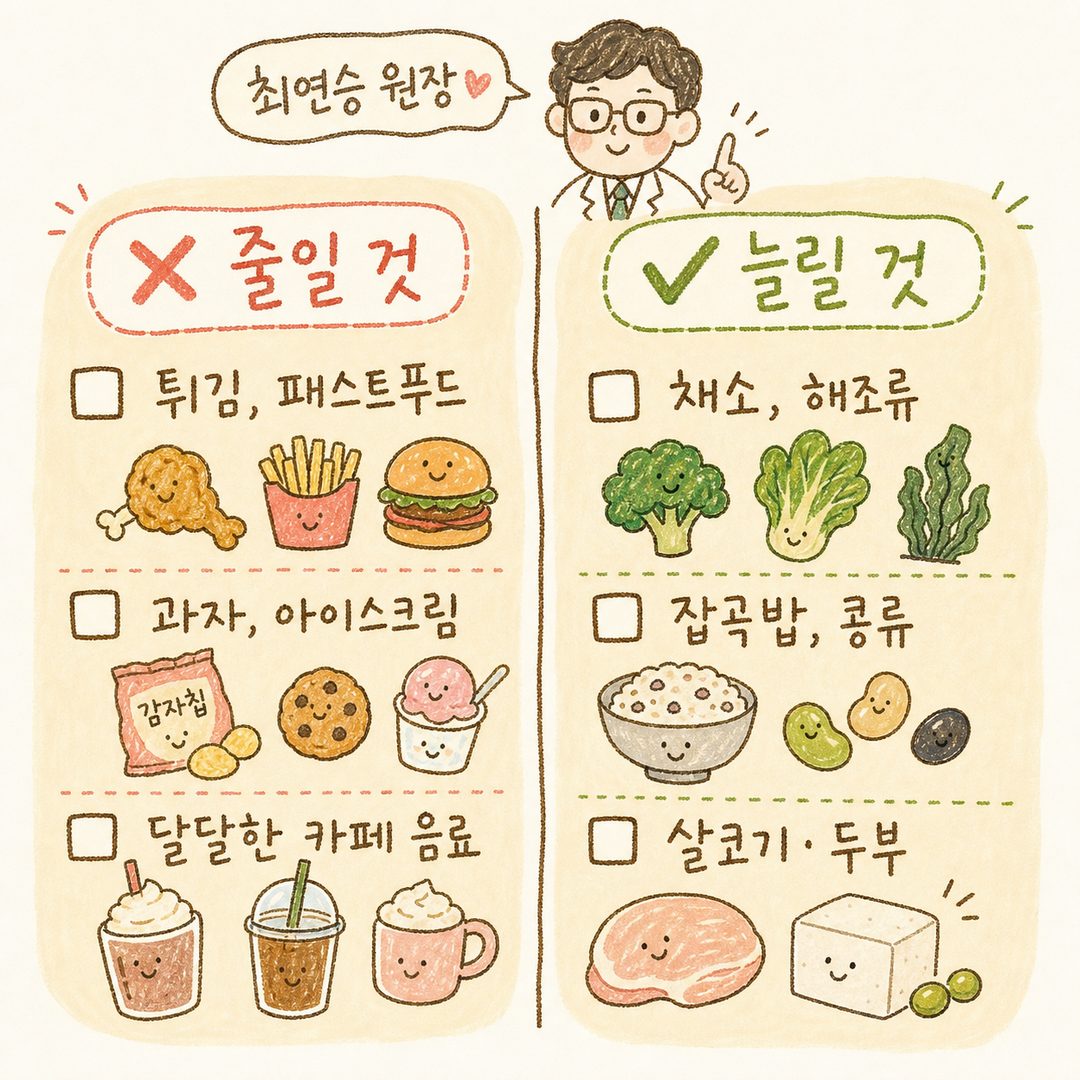
Reduce: Fried foods, fast food, bread high in cream/butter, snacks, ice cream, and sugary cafe drinks.
Increase: Vegetables, seaweed, whole grains, legumes, 10–15 nuts, and proteins like lean meat and tofu.
Protein intake is recommended at about 1.2–1.6g per 1kg of body weight daily. For someone weighing 60kg, this is approximately 72–96g. If you have kidney disease, be sure to consult your doctor to adjust this figure. A standard meal framework consists of one bowl of multi-grain rice (2/3 bowl for women) with three vegetable side dishes + one protein side dish.
Combine Cardio and Lower Body Strength Training
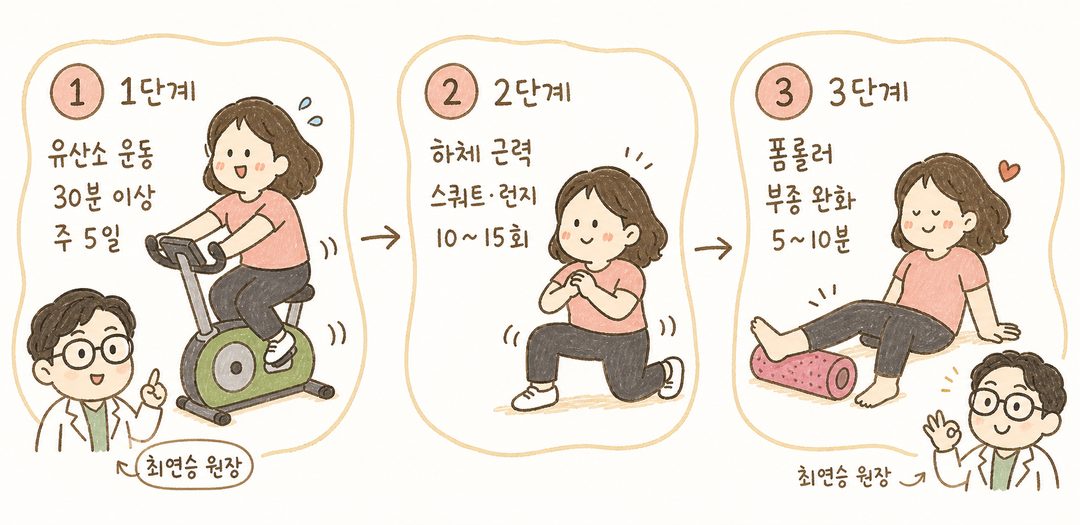
Cardio is the key to burning body fat. The general recommendation is at least 30 minutes of moderate exercise, 5 days a week. Fat-burning efficiency increases when you exercise for more than 15 minutes continuously. Activities that heavily engage the lower body, such as brisk walking, cycling, and stair climbing, are more direct in reducing thigh circumference.
Adding strength training helps define the lines as the fat disappears. Consistently performing movements like squats, lunges, and hip thrusts for 10–15 reps per set will noticeably change how your clothes fit after a month. Finally, using a foam roller for 5–10 minutes to release the front and back of the thighs can help alleviate edema.
What Kind of Changes Can You Expect?
In clinical practice, those who start both diet and exercise usually see a reduction in edema within 2 to 4 weeks, which refines the calf and thigh lines. This is followed by the actual body fat reduction phase, typically dropping by around 0.5 kg per week. Since results vary based on initial body fat percentage, sleep, and stress, look at how your clothes fit rather than just the numbers.
Conversely, if there is little change after two months, it is likely due to one of three things: an insufficient calorie deficit, "hidden" calories from late-night snacks, or continued consumption of salty foods and prolonged sitting that worsen edema.
How Baekrokdam Korean Medicine Clinic Approaches This
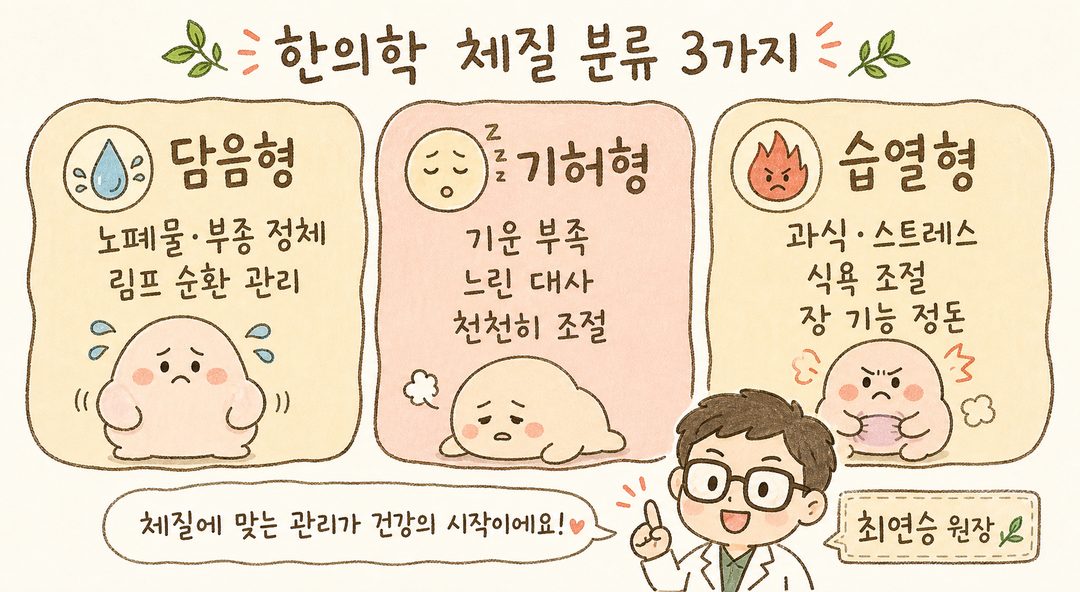
In Korean medicine, we don't group everyone with stubborn thigh fat into a single category. We generally classify them into Phlegm-Dampness type (stagnation of waste and edema), Qi Deficiency type (slow metabolism due to lack of energy), and Damp-Heat type (excessive heat from overeating and stress), and approach each differently.
Even with the same thigh circumference, the Phlegm-Dampness type prioritizes prescriptions that reduce edema and manage lymphatic circulation. The Qi Deficiency type requires a slow adjustment of food intake while boosting physical strength to minimize the yo-yo effect. For the Damp-Heat type, appetite control and regulating intestinal function are key. While the general framework of diet and exercise remains the same, the role of a Korean medicine diet is to adjust the intensity and sequence according to your constitution.
Action Points You Can Start Today
A few small habits can change your month more than a grand plan.
Don't skip meals; eat three regular meals. Starving often leads to overeating at the next meal.
Replace sugary and carbonated drinks with water or tea. This reduces hidden calories first.
Move your body for at least 15 minutes at a time, 4–6 days a week. This includes walking during your commute.
Lightly stretch the inner and back thighs for 5–10 minutes before bed. Edema will be much better the next day.
Get enough sleep. Lack of sleep disrupts appetite hormones, making you crave sugary foods.
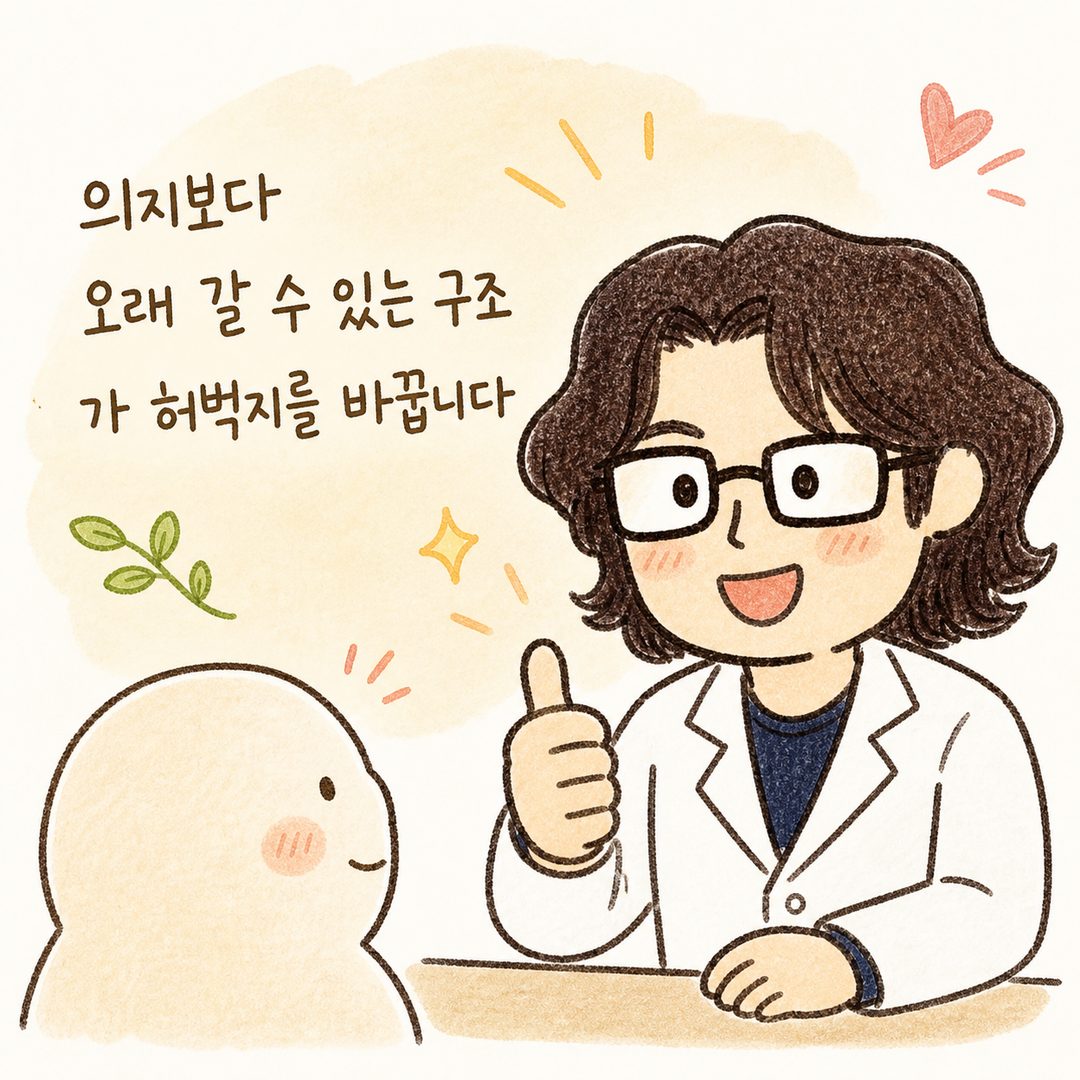
In the clinic, those who create a "sustainable structure" rather than relying solely on willpower are the ones who eventually transform their thigh lines. If you've hit a plateau while trying on your own or want to start by accurately identifying your constitution, consider a consultation for Baekrok Gambi-jung. We will guide you through everything from constitutional diagnosis to adjusting diet and exercise intensity, and herbal prescriptions.