Diet for Women in Their 20s — A Strategic Approach to Correcting a Collapsed Metabolic Rhythm

Table of Contents
- Diet for Women in Their 20s — A Strategic Approach to Correcting a Collapsed Metabolic Rhythm
- Why Does Dieting with Less Food Show No Results for Women in Their 20s?
- What Are the Traditional Korean Medicine Causes of Metabolic Decline?
- What Are the Exercise and Metabolic Management Methods for Efficient Weight Loss?
- What Are the Criteria for Overcoming Plateaus in Diet for Women in Their 20s?
- Frequently Asked Questions
Diet for Women in Their 20s — A Strategic Approach to Correcting a Collapsed Metabolic Rhythm
When I meet women in their 20s in the clinic, the most common thing I hear is, "Doctor, I really don't eat much, so why isn't the weight coming off?" Or concerns like, "Before, just fasting for a few days would make me lose weight quickly, but now it doesn't budge at all." In truth, the 20s is the period when metabolic capacity is at its peak throughout the life cycle. However, if you're experiencing a plateau or difficulty with weight loss, it's often not a matter of willpower—it's because you're misreading the metabolic signals your body is sending.
I also went through some "stupid weight loss methods" in my younger days, like fasting indiscriminately or following trendy diets, so I understand that frustration well. But through treating countless cases clinically, I've realized that diet for women in their 20s isn't simply about "calorie counting"—it's a battle over how to flip the metabolic switch.
Why Does Dieting with Less Food Show No Results for Women in Their 20s?
Many people expect the scale to respond immediately when they reduce their food intake. But our bodies are much smarter than we think. When intake suddenly decreases, the body recognizes this as an "emergency" and goes through a process called Metabolic Adaptation, where it lowers basal metabolic rate to conserve energy.
Particularly from a Traditional Korean Medicine perspective, excessive fasting results in Spleen Deficiency (脾虛), which weakens the digestive system's transport and transformation functions. As the ability to absorb and distribute energy decreases, the body actually transforms into a constitution that easilybloats and gains weight even from small amounts of food. It may appear that you're eating less on the surface, but internally, you've entered "maintenance mode" where energy isn't being burned efficiently. When sleep deprivation or severe stress is added to this, cortisol hormone is secreted, causing abdominal fat to cling even more stubbornly.
What Are the Traditional Korean Medicine Causes of Metabolic Decline?
It's often not just a calorie problem, but rather that the internal flow of the body is blocked. What I focus on are Phlegm-Dampness (痰飮) and Liver Depression (肝鬱).
Phlegm-Dampness (痰飮) refers to metabolic waste products caused by impaired fluid metabolism in the body. Spicy and salty stimulating foods that many young women enjoy—mala tang, or beverages high in high-fructose corn syrup—accumulate dampness (濕) and phlegm (痰) in the body. When waste products accumulate like this, qi and blood circulation becomes blocked, metabolism slows, and even when exercising, sweat doesn't come out easily or the body feels heavy.
Additionally, stress from job hunting or workplace creates a state of Liver Depression (肝鬱). When qi fails to flow smoothly and becomes stagnant, appetite regulation ability is disrupted, and it's easy to fall into the trap of "bing eating-fasting" where false hunger strikes. In this state, if you fast indiscriminately, the body activates an even more severe defense mechanism, sabotaging weight loss efforts.
What Are the Exercise and Metabolic Management Methods for Efficient Weight Loss?
Rather than running aimlessly or starving, a gradual approach that reactivates your body's metabolic switch is needed.
Preserving Muscle Mass and Protecting Basal Metabolic Rate: Fasting diets burn muscle before fat. This ultimately leads to a decline in basal metabolic rate. It's important to incorporate light strength training and maintain protein intake.
Opening the Pathways of Circulation: For those with constitutions that don't sweat easily, light cardio to generate internal heat is needed to eliminate Phlegm-Dampness (痰飮).
Restoring Rhythm: Irregular meal times make the body anxious. Supplying quality nutrients at set times sends the signal to the brain: "You don't need to starve anymore."
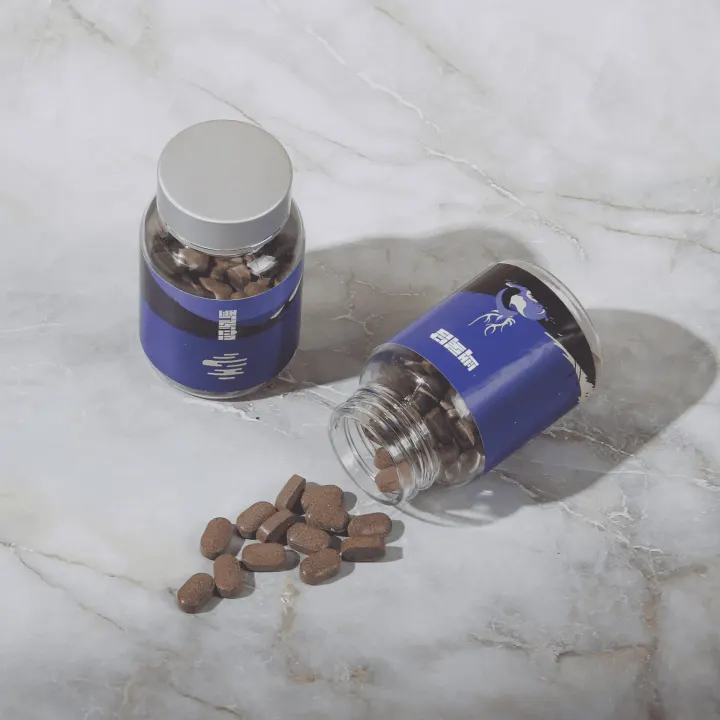
If it's difficult to establish this rhythm on your own, or if your metabolism has already slowed too much and the plateau is prolonged, receiving辅助 support can be an option. Recently, GLP-1 analogs like semaglutide have gained attention, but these directly intervene with hormones. In contrast, Traditional Korean Medicine approaches focus on unblocking stagnant qi and activating metabolism. Prescriptions like Baekrok Gambijeong that we prescribe, in tablet form, help regulate unnecessary appetite and improve metabolic efficiency, supporting natural weight loss.
What Are the Criteria for Overcoming Plateaus in Diet for Women in Their 20s?
The most dangerous choice when hitting a plateau is "eating less and exercising harder." When metabolic rate has already decreased, increasing intensity puts the body under greater stress, ultimately leading to burnout or the yo-yo effect.
At this time, you should look at "condition" rather than "numbers."
Does your body feel light when you wake up in the morning?
Do you not experience sudden waves of drowsiness after meals?
Are bowel movements and urination smooth?
If weight remains the same but your body composition is changing, that's a very positive signal that fat is being lost and muscle is being built. Cutting food intake further due to impatience at this point can undo all the metabolic recovery efforts you've built up. Giving your body time to adapt slowly is actually the fastest path.
Frequently Asked Questions
Q. Do I have to completely cut out foods like mala tang or tteokbokki to lose weight?
No. If you 'demonize' specific foods and ban them completely, binge eating due to psychological backlash will eventually follow. What matters is frequency and combination. If you have mala tang, reduce refined carbohydrate sources like glass noodles or cellophane noodles, and instead compose your meal mainly of vegetables and meat. Then, if you lightly adjust at the next meal, you can sufficiently maintain your diet progress.
Q. Do appetite suppressants really work faster? Are there side effects?
Appetite suppressants are effective at suppressing immediate hunger. However, if you depend only on medication without addressing the underlying causes—metabolic decline or Liver Depression (肝鬱)—there's a high possibility that suppressed appetite will explode the moment you stop taking the medication, leading to the yo-yo effect. Additionally, side effects like insomnia and heart palpitations may occur. Therefore, rather than simply enduring hunger, normalizing metabolic function to naturally regulate appetite is a much healthier and sustainable approach.
Diet for women in their 20s isn't simply a process of reducing body weight—it's a process of laying the foundation for metabolic health that you'll carry for a lifetime. Rather than extreme fasting, I encourage you to listen to your body's signals and slowly find your rhythm. If you need more specific metabolic checkups or assistance, please check through [View Baekrok Gambijeong Details].