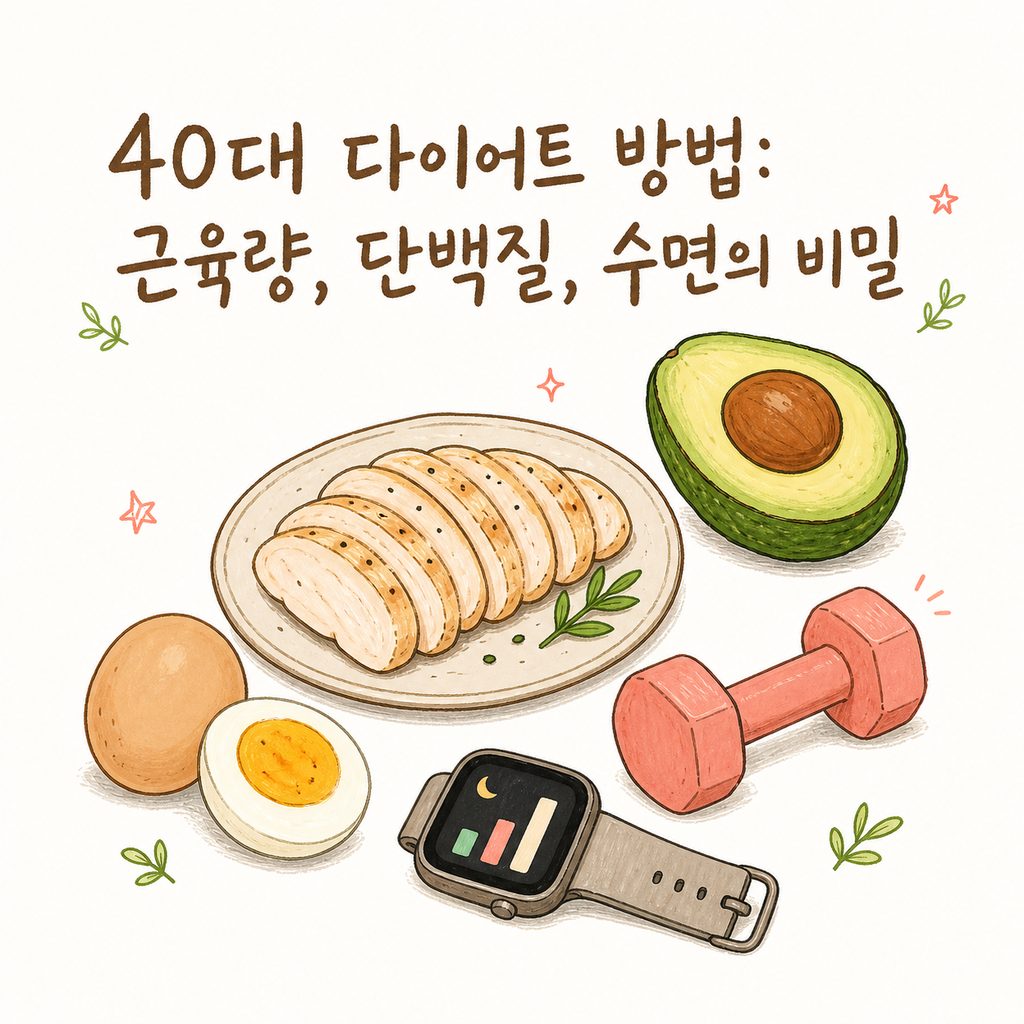
Diet Methods for Your 40s: Muscle Mass, Protein & Sleep

Table of Contents
- Physiological Reasons Weight Loss Becomes Harder with Age
- A More Effective Weight Loss Strategy Than Simple Fasting
- Protein Intake: Timing Matters More Than Quantity
- Why Sleep Deprivation Increases Obesity Risk
- The Core of Middle-Aged Weight Management: Strength Training
- Small Calorie Adjustments You Can Practice Daily
- References
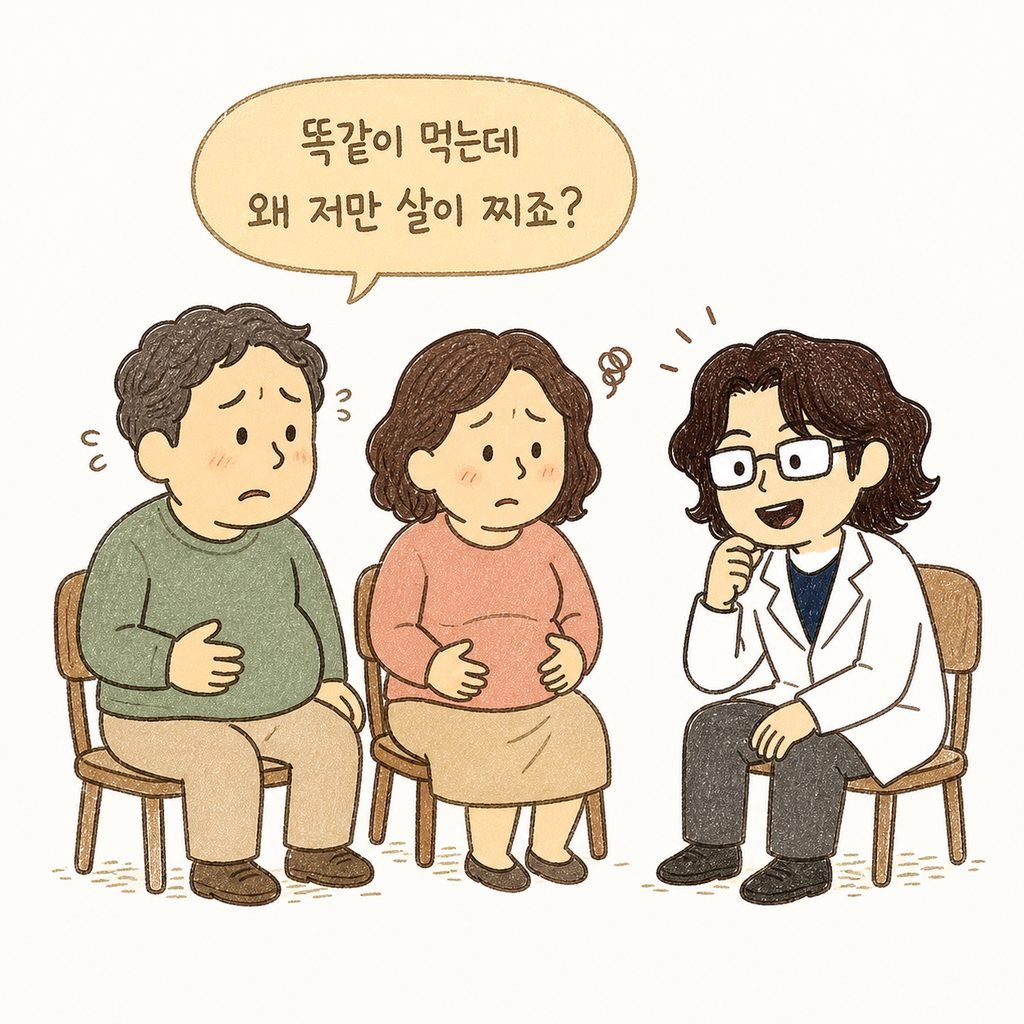
"Doctor, I'm eating the same as before, so why am I gaining weight?" This is the most common complaint I hear from patients in their 40s during consultations. In your 20s and 30s, just adjusting your diet for a few days would quickly reduce your weight. But now, even eating less yields slow results, and many struggle with what's commonly called "middle-aged belly fat" – the stubborn abdominal obesity that comes with age.
Physiological Reasons Weight Loss Becomes Harder with Age
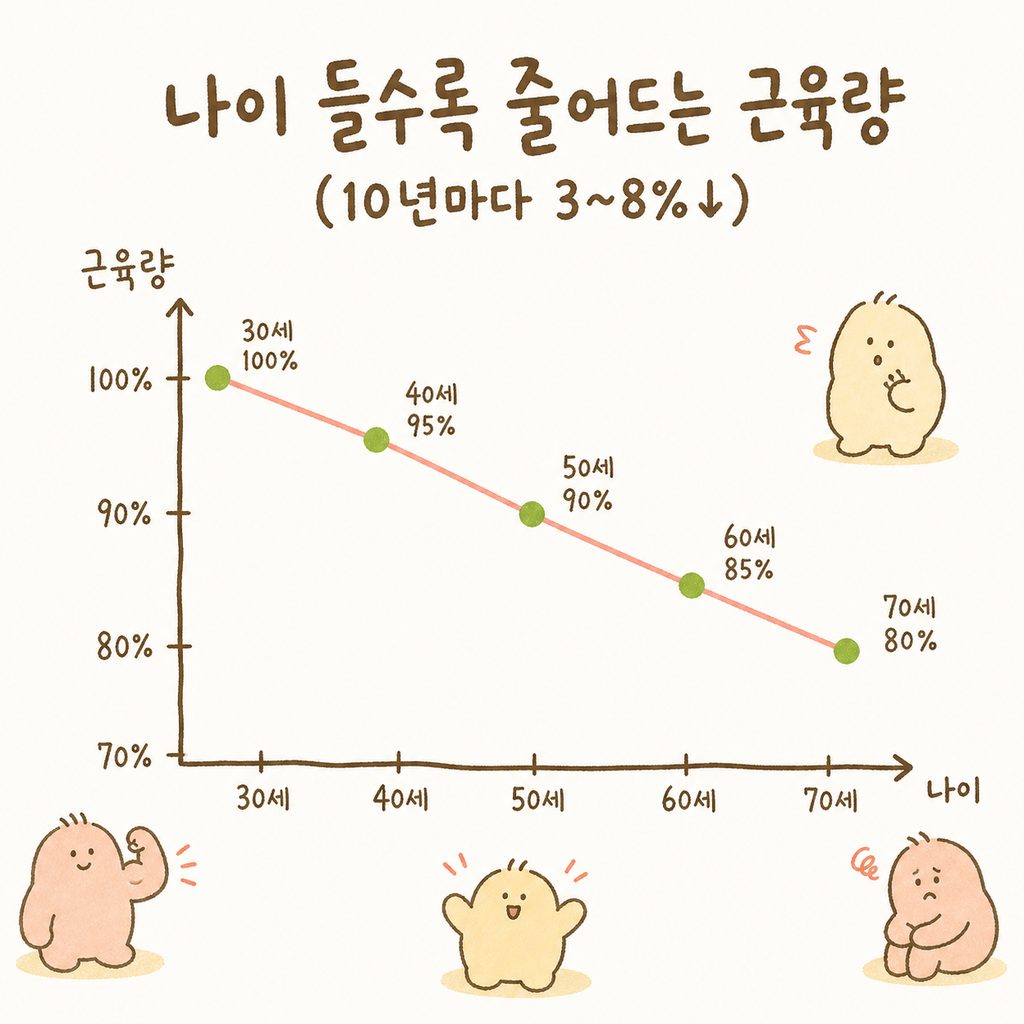
When we age, it's not simply a lack of willpower that causes weight gain. The systems within our bodies change. The biggest cause is the decrease in muscle mass. Generally, after turning 30, muscle mass begins to decrease by approximately 3~8% every decade. If you have underlying conditions like arthritis, the rate of decrease can be even greater.
Muscles burn far more calories at rest than fat does. In other words, losing muscle means the scale of your body's "calorie-burning factory" has shrunk. Even if you eat the same amount as when you were younger, you have less energy to burn, so excess calories are directly stored as weight. Hormonal changes compound this issue. For men, testosterone levels begin to decline around age 40, tending to decrease by 1~2% annually, which further slows metabolism.
A More Effective Weight Loss Strategy Than Simple Fasting
Many people choose "eating less" as their first method for losing weight. However, after your 40s, there are limits to simply eating less. You can easily fall into a vicious cycle where you lose more muscle, lowering your metabolism even further.
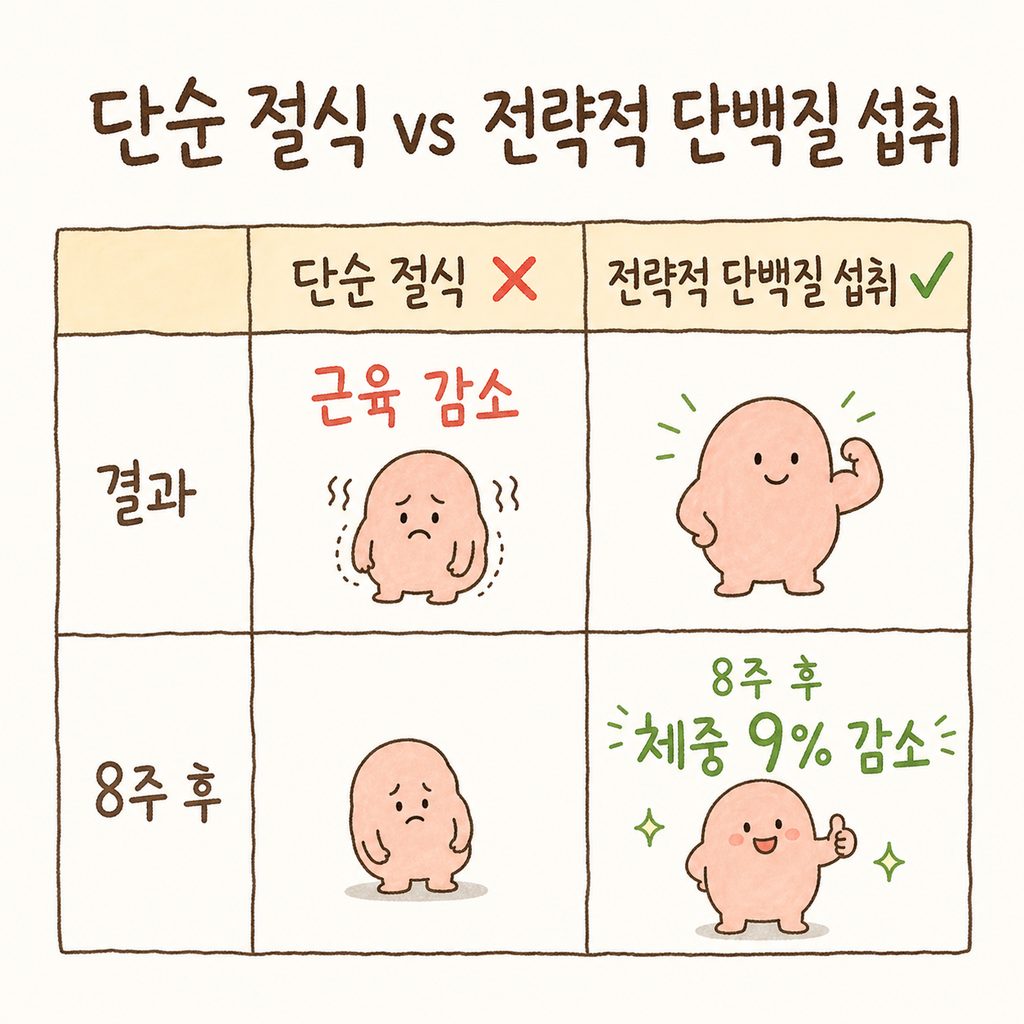
Research published in the scientific journal Nature shows interesting results. Adjusting protein ratio and intake timing showed greater changes than simply reducing food intake. Participants who only changed their protein intake timing and ratio experienced an average body weight decrease of approximately 9% in just 8 weeks. Rather than forced fasting, what and when you eat is the key to successful middle-aged weight management.
Protein Intake: Timing Matters More Than Quantity
So how should you eat protein? Many people concentrate their protein intake at dinner with meat or fish, but this is an inefficient method. There's a limit to how much protein your body can process at once.
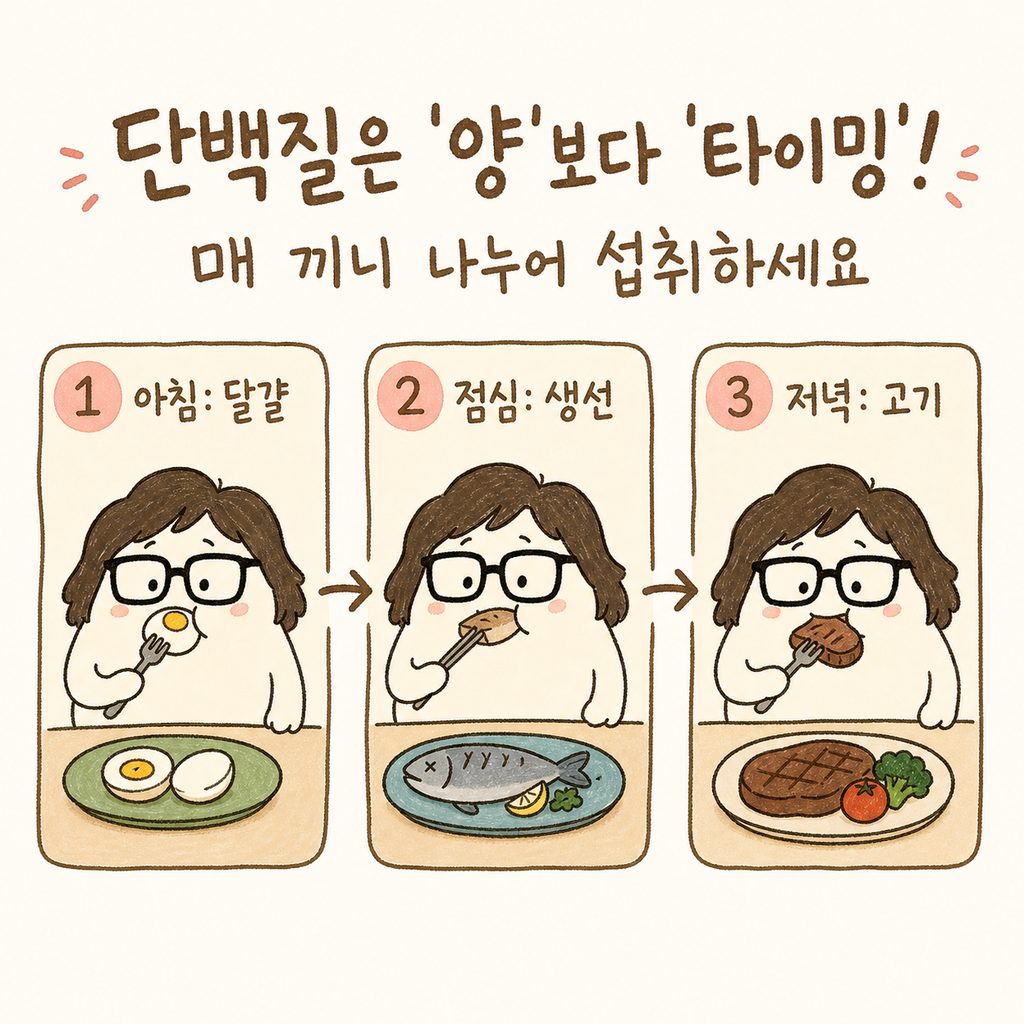
The most recommended method is to distribute protein evenly across breakfast, lunch, and dinner. In particular, try moving some of your evening protein intake to breakfast. Getting sufficient protein in the morning creates a more favorable environment not only for weight loss but also for muscle preservation. The recommended intake is approximately 1.2~1.6g per 1kg of body weight daily. Spreading protein across meals also helps maintain satiety longer, which can prevent unnecessary overeating.
Why Sleep Deprivation Increases Obesity Risk
Sleep is just as important as diet and exercise. When checking patients' lifestyle habits during consultations, I find quite a few with irregular or absolutely insufficient sleep. When you're sleep-deprived, the balance of appetite-regulating hormones is disrupted, making you crave high-calorie foods.
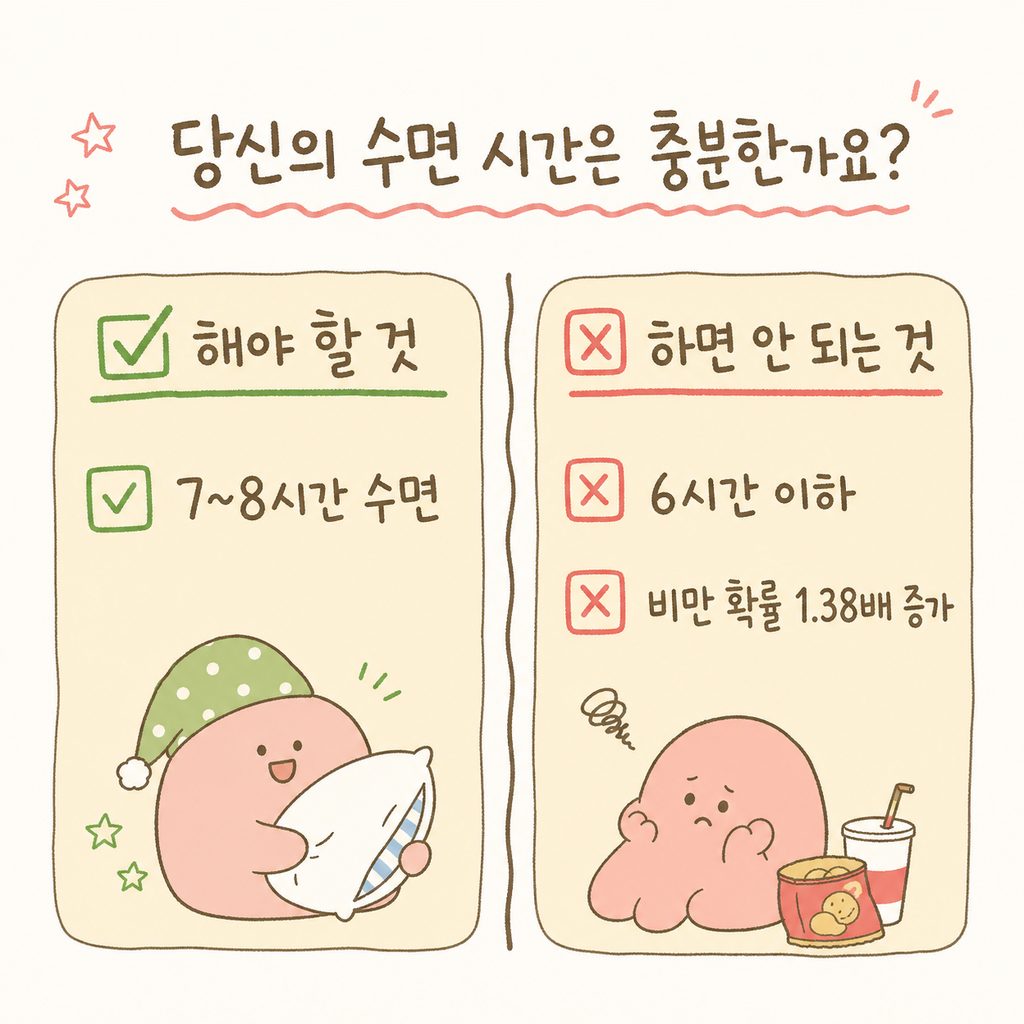
According to actual research findings, sleep duration showed a negative correlation with BMI, waist circumference, and body fat percentage. A meta-analysis examining the relationship between short sleep and obesity found that people sleeping less than 6 hours had a 1.38 times higher risk of obesity compared to those sleeping 7-8 hours[1]. If you want to lose weight, it's essential to ensure sufficient sleep time so your body can recover—not just eating less and moving more.
The Core of Middle-Aged Weight Management: Strength Training
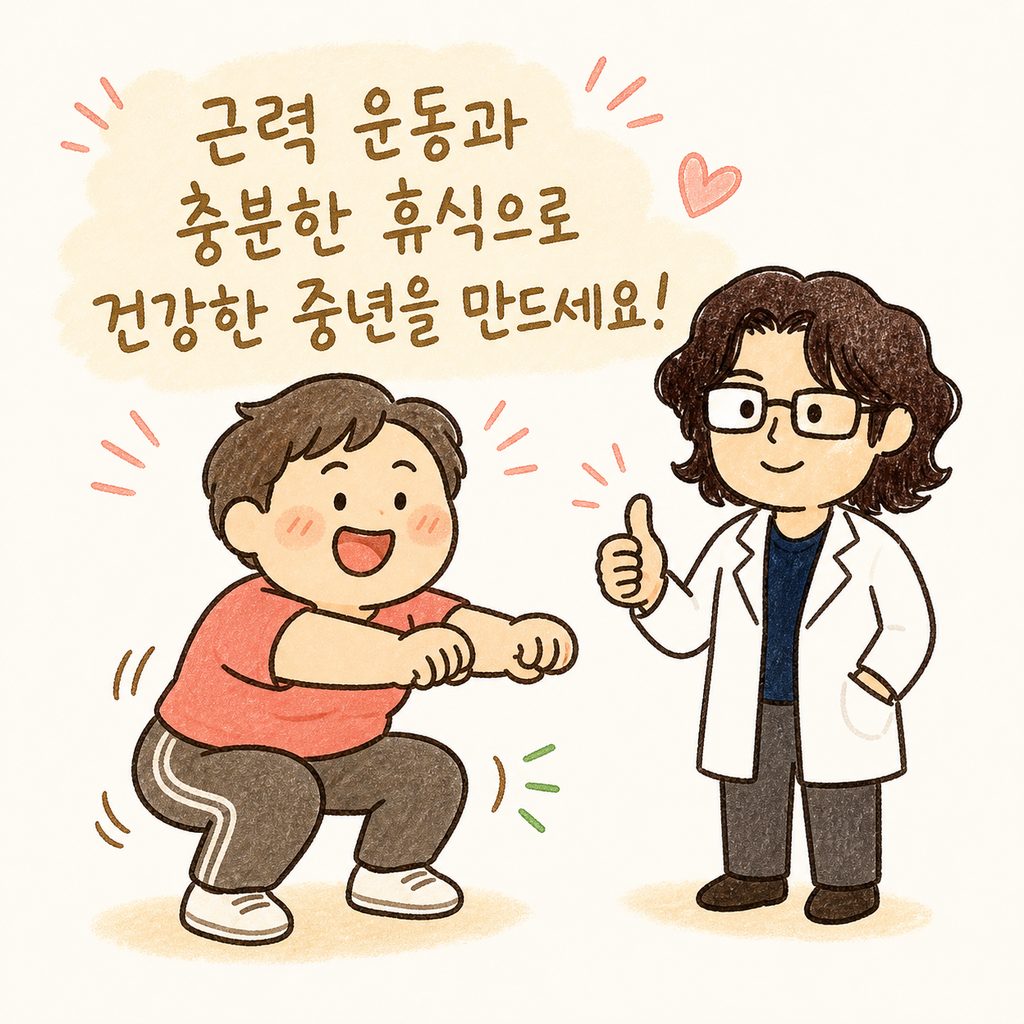
Cardiovascular exercise is good, but after your 40s, strength training must be incorporated. As mentioned earlier, maintaining or increasing your decreasing muscle mass is necessary to restore your basal metabolic rate.
Experts advise regular strength training at least 2-3 times per week. Building up the thigh muscles, which comprise 60-70% of our body's total muscle mass, is particularly important. Well-developed lower body muscles not only greatly help prevent diabetes but also improve overall energy expenditure efficiency, helping transform your body into one that gains weight less easily. Start with simple movements like squats or lunges.
Small Calorie Adjustments You Can Practice Daily
What matters more than grand plans is sustainable small habits. If you suddenly change your entire diet, you'll likely give up quickly due to stress. I recommend changing just one small thing at a time.
For example, try replacing your daily cola with water, or slightly reduce the amount of snacks you habitually eat. Reducing your daily calorie intake by approximately 500kcal can help you feel changes in your body. Rather than setting unrealistic goals, focusing on small choices you can actually implement today is the secret to successful middle-aged weight management.
Your body changing as you age is a natural process. However, your weight management strategy must change along with those changes. Accurately understand your body's condition and take care of appropriate protein intake, strength training, and adequate rest.
If managing your diet and exercise alone feels overwhelming, or if you're experiencing difficulties due to hitting a plateau, try the Baekrokdam program. Considering your individual constitution and metabolism status, we can help you achieve more effective results. Try implementing the points discussed today, and please be sure to share how it went at your next consultation.
References
[1] Human brain and placental choline acetyltransferase: purification and properties. (Biochemistry, 1975) — https://pubmed.ncbi.nlm.nih.gov/40/
References