
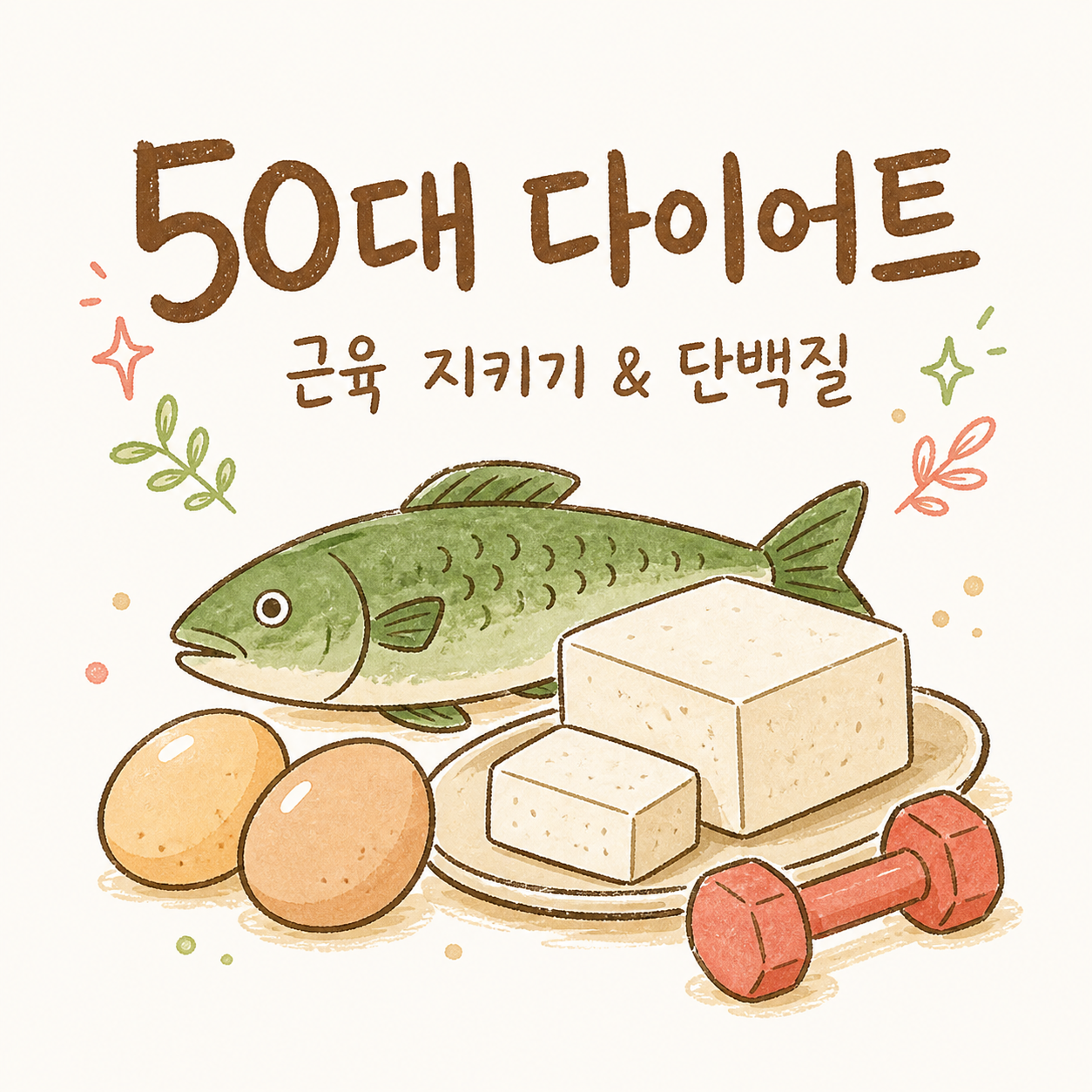
Weight Management in Your 50s: Muscle, Protein & Strength

Table of Contents
Remember when skipping one meal made your pants loose? Now it feels like even water makes you gain weight. In my practice, I often hear patients in their 50s say, 'Doctor, I barely eat—why is this happening?' As someone in the same age group, I understand the frustration. Let me be clear: weight management in your 50s is a completely different game from your 20s.
Understanding Weight Management in Your 50s
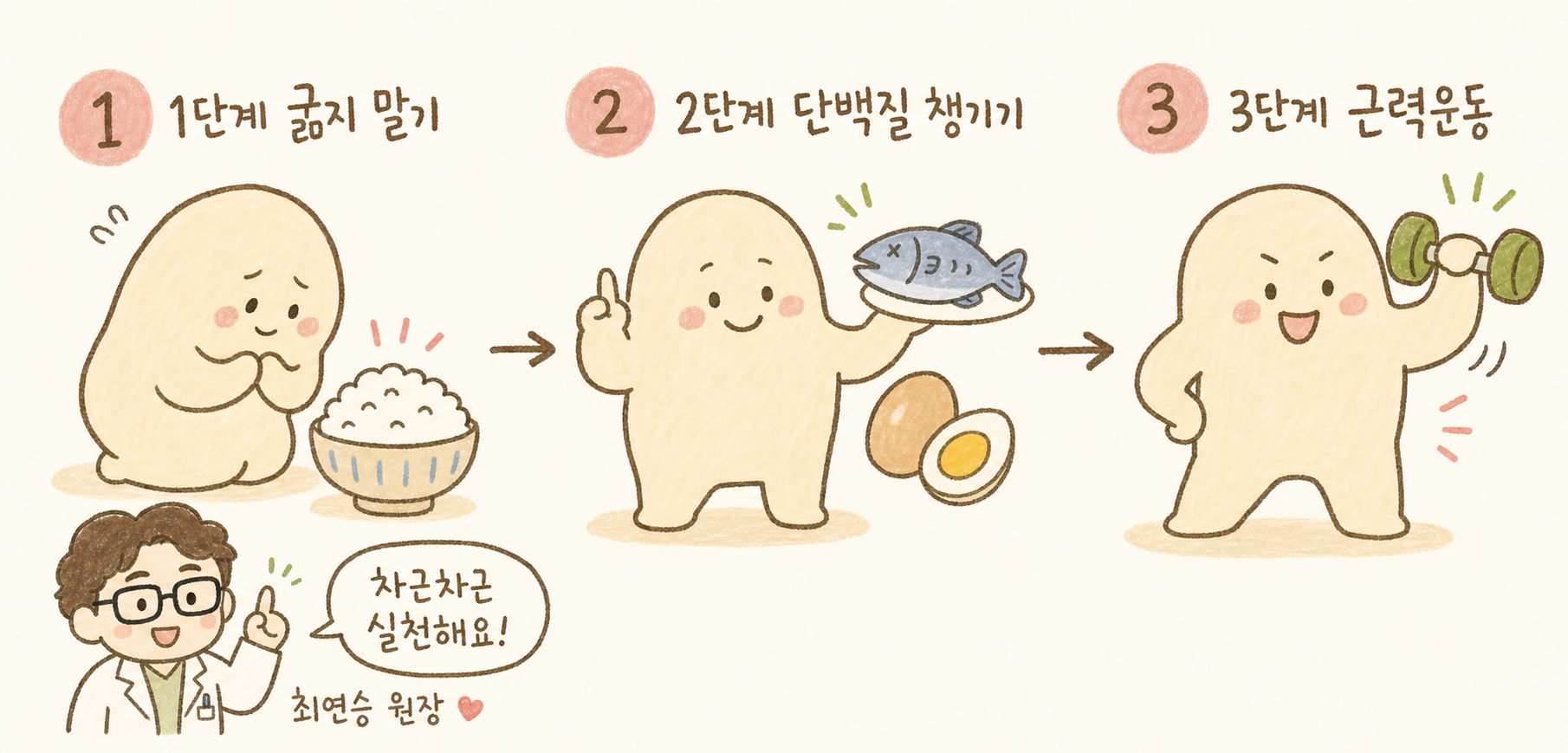
Weight management in your 50s focuses less on the number on the scale and more on preserving muscle mass and function. Rather than simply eating less to see the number drop, this approach emphasizes increasing protein intake, strength training, and daily activity levels.
In simple terms, it's less about 'eating less' and more about 'building a functional body.' Instead of obsessing over the scale, the real goal is maintaining a body that can climb stairs without getting winded and easily carry heavy grocery bags.
Why Weight Gain Increases in Your 50s
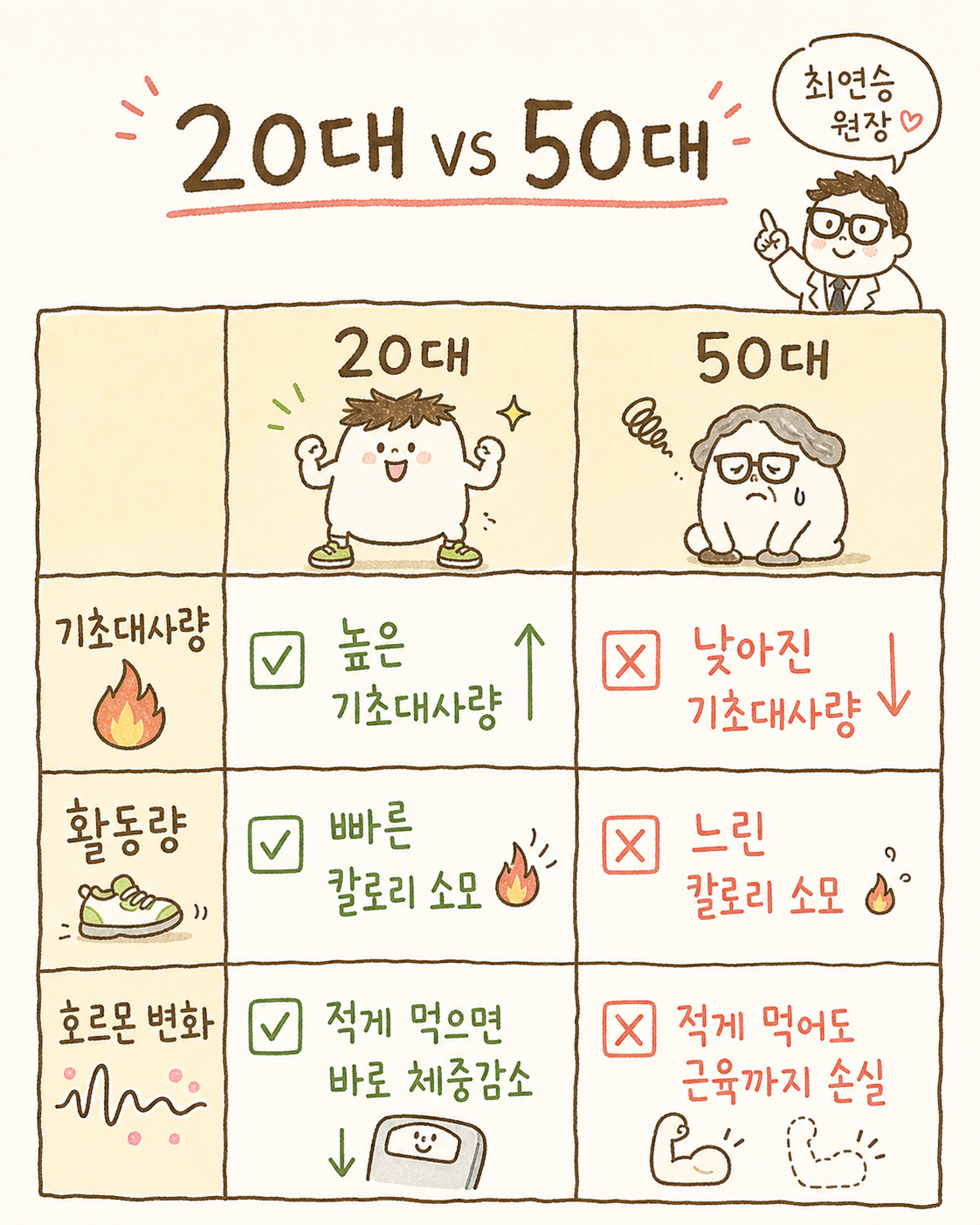
It might feel unfair, but the reasons are clear. First, muscle mass decreases, lowering your basal metabolic rate. Starting in your 40s-50s, you gradually lose muscle each year, which reduces the energy your body uses at rest. This means you'll gain weight more easily even if you eat the same as before.
Second, hormonal changes and decreased activity levels play a major role. For those over 50, these factors often contribute more to obesity than diet alone. If you're eating less but not losing weight, it's not about willpower—your body's environment has changed.
Third, prolonged sitting takes its toll. Extended periods of inactivity increase risks not just for obesity but also cardiovascular disease, diabetes, and weight gain. That's why the 'lose weight quickly by eating less' approach that worked in your 20s-30s is less effective now. You need to view this as a long-term lifestyle transformation.
Essential Rules to Follow
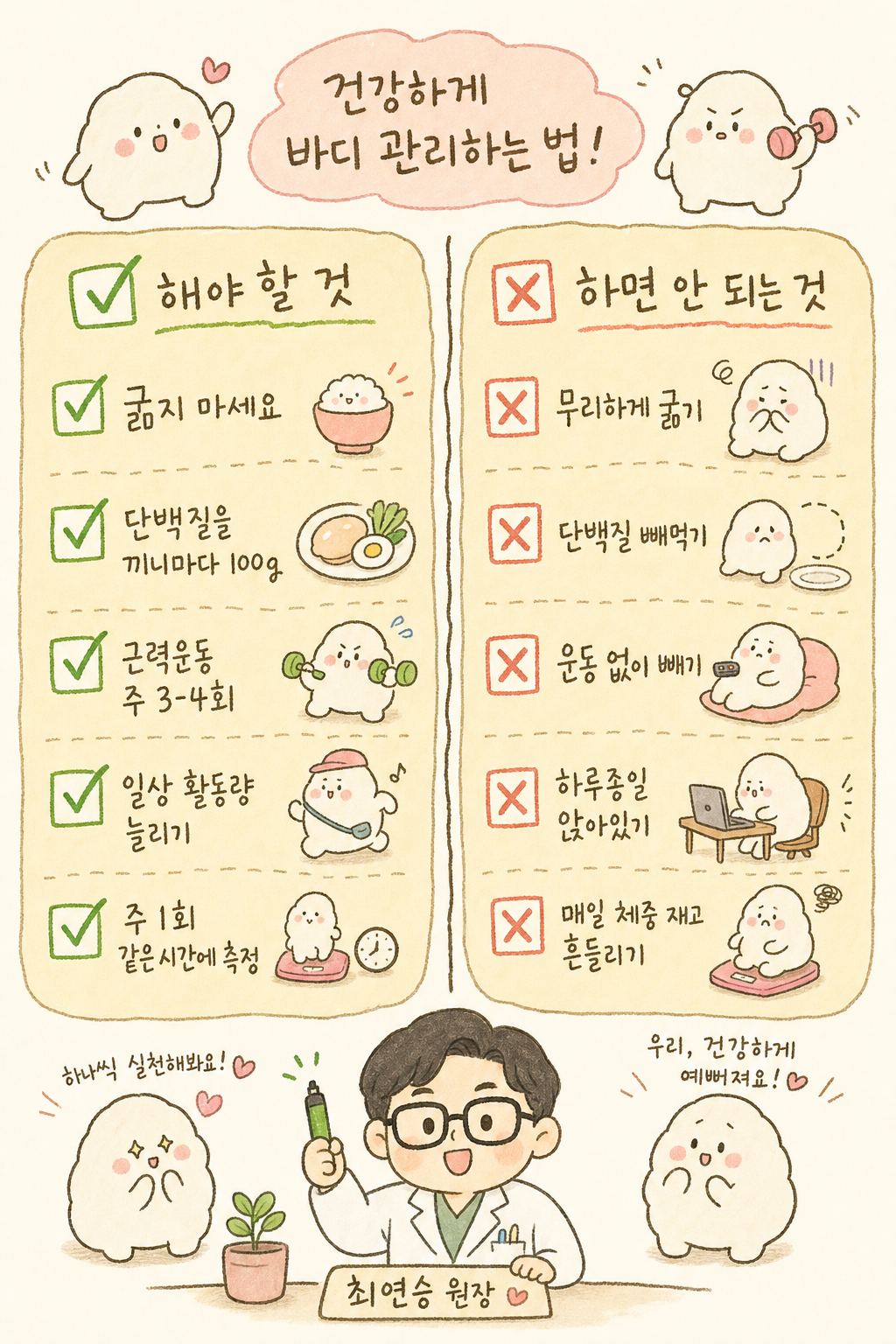
Here's the basic checklist I give my patients:
Don't skip meals. Fasting in your 50s burns muscle first, further lowering your metabolic rate—exactly what you want to avoid.
Include protein in every meal. Aim for about 100g of lean meat, fish, or tofu per meal as a visual guide.
Add strength training. No need for anything elaborate—start with 30 minutes at home doing squats or light dumbbell exercises.
Increase daily activity. Break up sitting time by intentionally walking or taking stairs at least 5 times a week.
Weigh yourself weekly. Daily weigh-ins can be discouraging due to normal fluctuations. Once a week at the same time is more reliable and less stressful.
Quality matters too. If you're at a normal weight, focus on developing healthy eating habits and nutritional balance rather than cutting calories. If you're overweight or obese, combine reduced caloric intake with improved diet quality.
Common Misconceptions
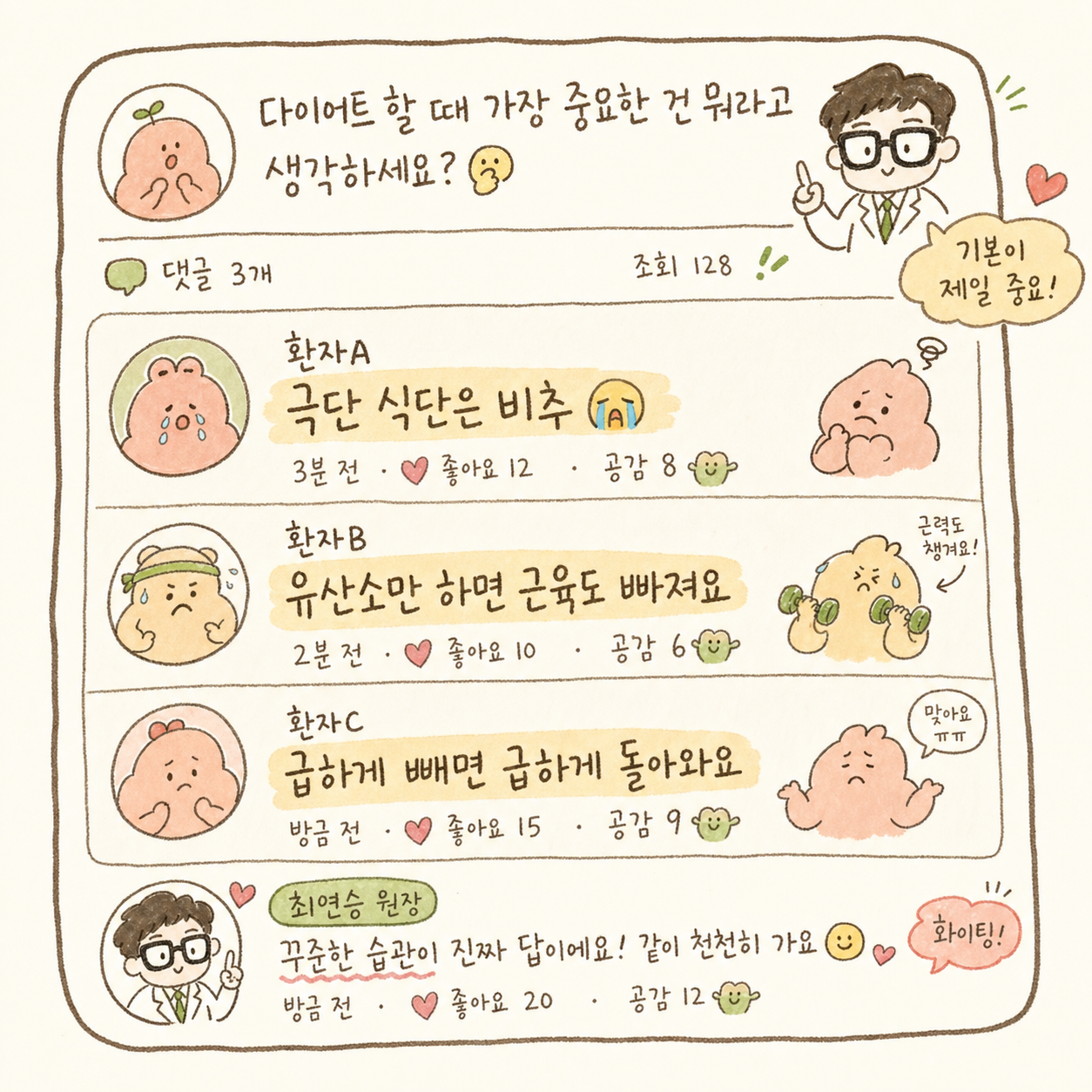
The most common myth is that 'eating less means faster weight loss.' In your 50s, this backfires. Extreme dieting causes your body to burn muscle first, further lowering your metabolism and creating a vicious cycle where you gain weight more easily.
The second misconception is that 'cardio alone is enough.' While walking or cycling are beneficial, preserving muscle is crucial in your 50s. Focusing only on cardio without strength training may lead to weight loss, but you'll lose valuable muscle mass too.
The third is the 'lose it all in a month' mentality. Your body isn't in your 20s anymore. With changed hormones and metabolism, slow and steady wins the race. As I tell my patients, 'The faster you lose it, the faster it comes back.'
Does This Approach Really Work for Weight Management?
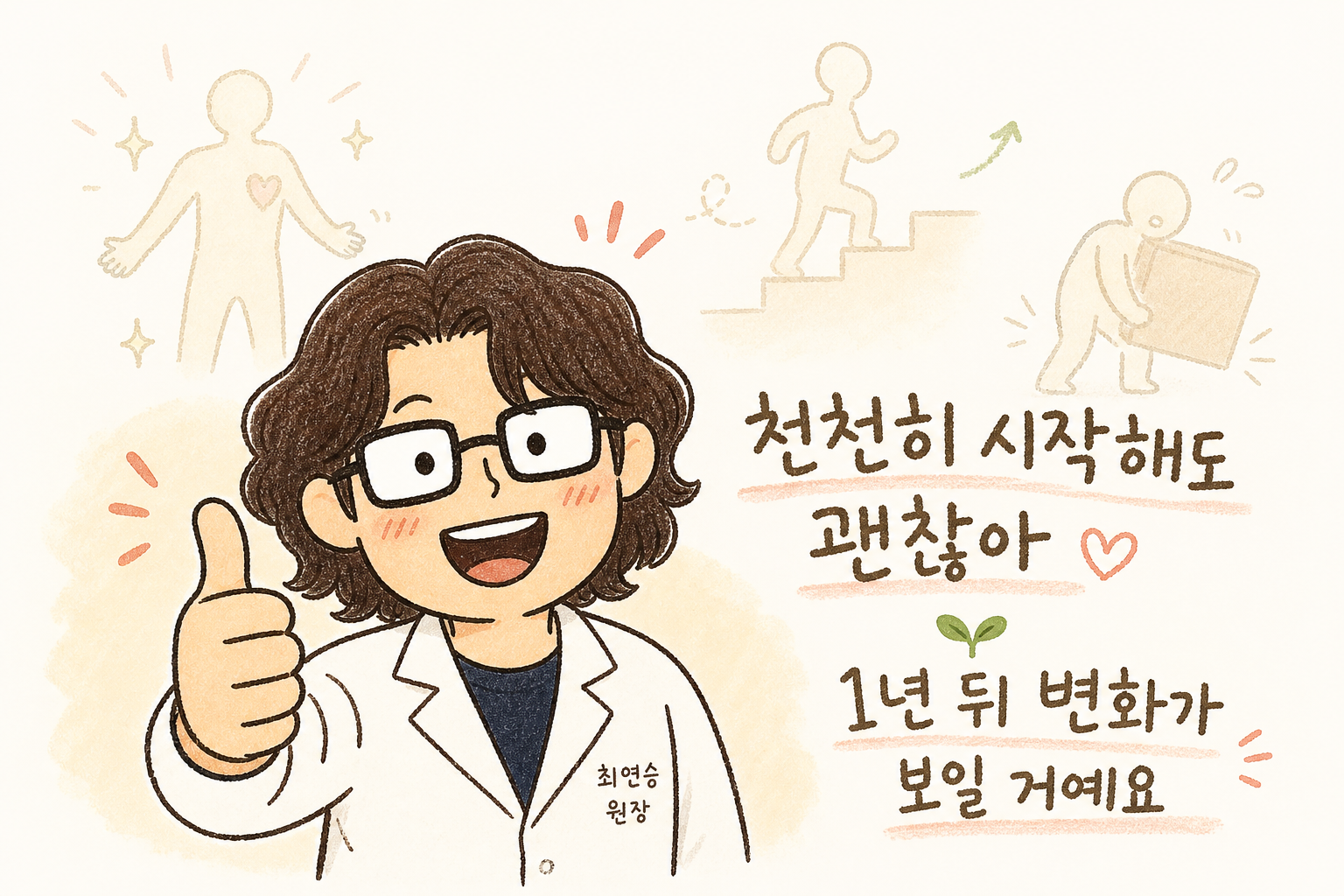
Let's be honest: muscle-preserving methods won't dramatically change the scale in a month. Patients used to quick results might find this frustrating.
However, the direction is clear. By maintaining muscle mass to prevent metabolic slowdown, your body becomes more efficient at managing weight even with the same diet. Compare losing 5kg through starvation (losing muscle) only to regain 7kg later, versus slowly losing weight while preserving muscle and maintaining the loss—the long-term benefits are obvious.
Plus, this approach offers benefits beyond weight loss. Breaking sedentary habits while increasing protein and strength helps manage not just obesity but also cardiovascular and blood sugar risks. You're not just losing weight—you're optimizing your entire body for your 50s and beyond. That's why I believe this slower approach is ultimately more sustainable.
Weight management in your 50s isn't about willpower—it's about strategy. Don't starve yourself; instead, focus on protein and strength to preserve muscle, and reduce sitting time. Build these three habits week by week, and you'll notice your clothes fitting better before you know it. If you're unsure where to start with diet and exercise, consider consulting a specialist. Baekrokdam's Baekrok Gambi-jung offers a supportive approach to weight management without extreme dieting. Rather than rushing, why not start with adding protein to your dinner tonight?