
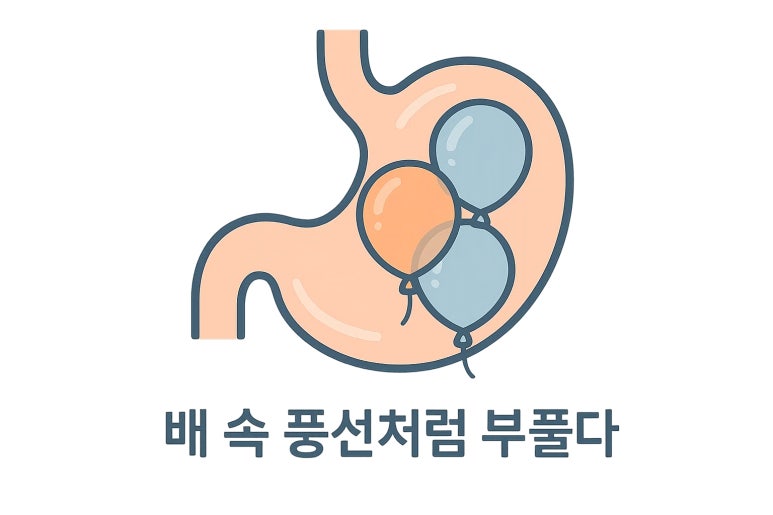
The Real Reason for Frequent Abdominal Gas

“My stomach gets bloated even if I eat just a little.”
This is a common complaint among patients. Some attribute it to carbonated drinks, while others blame flour. However, the actual cause cannot be explained by a single factor.
First, Intestinal Fermentation.
Carbohydrates that are not fully absorbed in the small intestine descend to the large intestine, where they are broken down by bacteria, producing gases such as hydrogen, methane, and carbon dioxide. Typical examples include lactose intolerance, Irritable Bowel Syndrome (IBS), and FODMAP sensitivity.
Second, Rhythm of Intestinal Motility.
In cases of stress or an irritable bowel, the timing of gas expulsion can be disrupted, making the same amount of gas feel more uncomfortable.
Third, Digestive Enzymes and Gastrointestinal Function.
If stomach acid is low or enzymes are insufficient, food cannot be fully broken down, which increases fermentation.
Fourth, Lifestyle Habits.
Eating quickly, chewing gum, drinking beverages through a straw, and smoking all increase air swallowing and exacerbate gas.
Fifth, Psychological Tension.
An imbalance in the autonomic nervous system can disrupt intestinal motility, causing gas to accumulate easily.
| Caution If you experience sudden weight loss, bloody stools, or persistent abdominal pain, it is not a simple gas problem, and medical consultation is absolutely necessary. |
Self-Management Tips
- Keep a food diary to track trigger foods
- Eat slowly for at least 15 minutes
- Gut balance: beneficial bacteria, traditional Korean medicine/probiotics if needed
- Restore intestinal motility rhythm through diaphragmatic breathing and relaxation training
| Key Takeaways
|