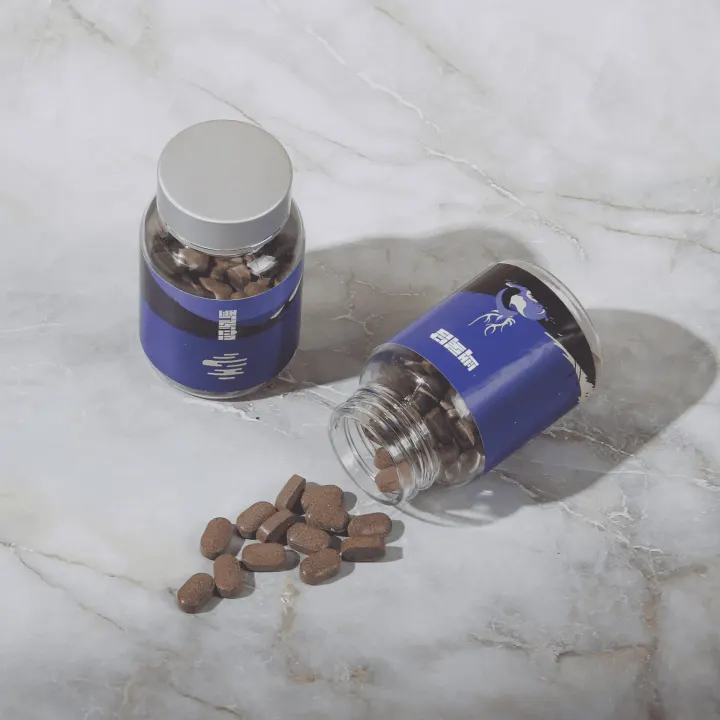
Herbal vs. Western Diet Pills: What’s the Difference?

Table of Contents
Last month, a patient named Sujin (pseudonym) walked into my office and immediately showed me her phone screen.
"Doctor, this is a drug called Wegovy. My friend said she lost 12kg in just three months. I was thinking about trying it too... but I came here because I wasn't sure how it differs from herbal medicine."
I receive questions like this very often these days. To be honest, when I first saw the clinical data for GLP-1 receptor agonists, I found it quite impressive.
What GLP-1 Drugs Have Demonstrated
In the STEP 1 clinical trial (involving 2,539 participants), administering 2.4mg of Semaglutide (the active ingredient in Wegovy) for 68 weeks resulted in an average weight loss of 17.3%. For someone weighing 100kg, that is a drop to nearly 83kg. This figure is overwhelming compared to any existing non-surgical weight loss method.
However, when I share this story with patients like Sujin, I always make sure to mention the data that follows.
One year after discontinuing the medication, approximately two-thirds of the weight lost was regained. The percentage of participants maintaining a weight loss of 5% or more dropped from 86.4% to 48.2%. Furthermore, nausea was reported in 43.9% of the treatment group during the administration period, which is quite high compared to 16.1% in the placebo group. The first 20 weeks, during which the dosage is increased, are particularly challenging.
Sujin asked me:
"Does that mean I have to take it for the rest of my life?"
I replied, "There is a high possibility of that."
How Herbal Medicine Approaches It Differently
At this point, I bring up herbal medicine. My intention is not simply to say "herbal medicine is better," but to explain that the fundamental mechanism of action is different.
Take Bangpungtongseong-san (BPTSS) as an example; it is a prescription designed to clear heat and eliminate waste products from the body. A meta-analysis of 7 randomized controlled trials (RCTs) involving 679 participants showed an average BMI reduction of 0.52 (P=0.003), and visceral fat reduction was confirmed after 24 weeks of administration. No serious adverse events were reported.
Looking strictly at the numbers, the weight loss margin is smaller compared to GLP-1 agonists. This is a fact.
However, what I observe in the clinic is more than just numbers. Patients receiving herbal treatment usually notice changes in their digestion first. By the second or third week, many say, "My appetite has changed" or "The bloating is gone." The body's rhythm changes before the numbers on the scale do.
I do not view this as a mere "side effect." I understand it as a process where the prescription schedule (taking medicine at set times) helps establish a rhythm of digestion, metabolism, and sleep.
Comparison Summary
Here is a summary for your convenience.
| Category | GLP-1 Drug (Semaglutide) | Herbal Medicine (BPTSS-based) |
|---|---|---|
| Avg. Weight Loss | 17.3% (68 weeks) | BMI -0.52 (24 weeks) |
| Post-Stop Maintenance | 2/3 Rebound (1 year) | Easier to maintain with lifestyle changes |
| Primary Side Effects | Nausea (43.9%) | No serious side effects reported |
| Mechanism | Appetite suppression (GLP-1 receptor) | Regulation of digestion & metabolism |
| Administration | Weekly subcutaneous injection | Oral (Decoction/Pills) |
| Personalization | Dosage adjustment | Customized by constitution & symptoms |
Which Choice is Right for You?
This is not a decision I can make for you. However, there are patterns I have repeatedly observed in the clinic.
Check for yourself:
- Do you frequently experience bloating or edema (swelling)?
- Have you experienced repeated yo-yo effects after stopping diet pills?
- Do you have a sensitive stomach?
If two or more apply, a constitution-based approach is worth considering first.
Cases where GLP-1 may be appropriate: Individuals with severe obesity (BMI over 30) who face urgent risks from metabolic diseases. Situations where rapid weight loss is medically necessary.
Cases where Herbal Medicine may be appropriate: Individuals suffering from indigestion, edema, or chronic fatigue. Those who struggle to lose weight even after reducing food intake. Those who have already experienced the yo-yo effect after stopping medication.
Sujin had a BMI of 26 and suffered from severe indigestion. After a constitutional diagnosis, I suggested herbal treatment, and Sujin agreed.
Frequently Asked Questions
Does the yo-yo effect occur with herbal diets?
Honestly, herbal medicine alone cannot completely prevent a yo-yo effect. However, because it changes digestive capacity and metabolic patterns, we see higher maintenance rates in clinical practice when combined with dietary adjustments.
Can I take Western medicine and herbal medicine together?
Whether they can be combined depends on the individual case, so you must inform both your prescribing physician and your TKM doctor.
Conclusion
I see patients like Sujin every week—people who come in with the names of trending medications and ask if they are right for them. Every time, I tell them, "There is no single right answer." However, starting from a place of accurately understanding your own body is the best way to ensure you have fewer regrets, regardless of the choice you make.
If you are curious about the right direction for your constitution and current state, we are here to help with a consultation at Baengnokdam Korean Medicine Clinic.
References