
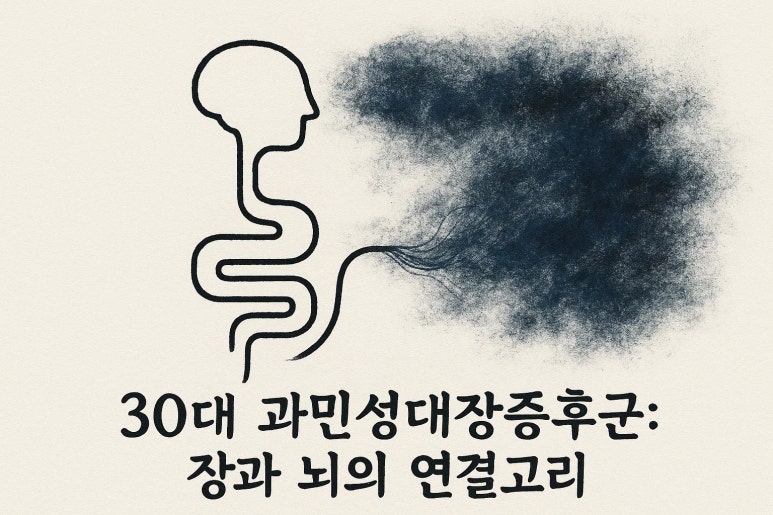
Helpful Massage Techniques for Irritable Bowel Syndrome

Have you ever started your day by rushing to the bathroom with severe stomach pain, only to experience torrential diarrhea or stubborn constipation?
After lunch, does your stomach swell up like a mountain, and do you find yourself breaking into a sweat, constantly checking your surroundings because of incessant rumbling sounds?
Among the patients in their 30s whom I see in my clinic, many come in exhausted, describing these difficulties and having been diagnosed with Irritable Bowel Syndrome (IBS).
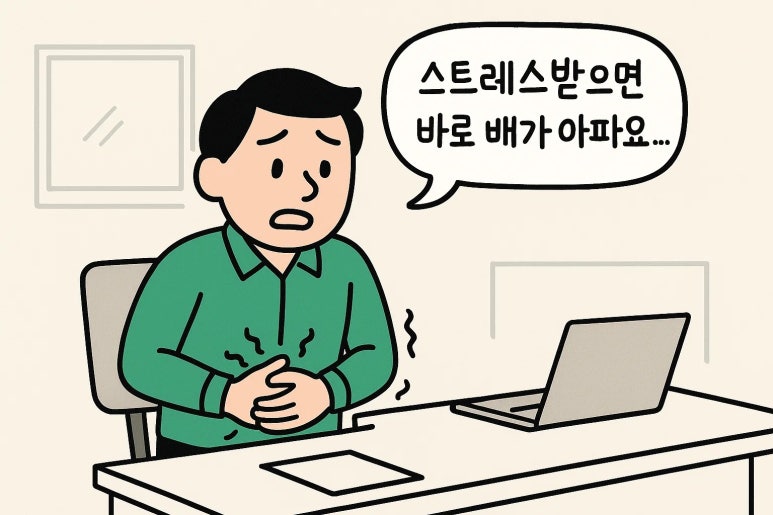
| “Doctor, my stomach hurts right away when I’m stressed. It always happens before important meetings or appointments. It’s so difficult that I’m even afraid to eat anything. Medication only provides temporary relief… Now, I’ve given up on a complete cure.” |
Whenever I hear such complaints, I realize that it's a pain far too great to simply dismiss as a ‘functional’ problem of the intestines.
This is because the intestines and brain are very closely connected, and the interaction between stress and the gut directly impacts them.
Perhaps the gut is the most honest organ for expressing emotions in our body?
In this article, for those in their 30s struggling with a gut that reacts sensitively to stress, I want to share my clinical experience and insights on abdominal massage techniques that can improve quality of life beyond medication.
Why does the stomach keep acting up?
Irritable Bowel Syndrome is not simply a problem caused by an overly sensitive gut.
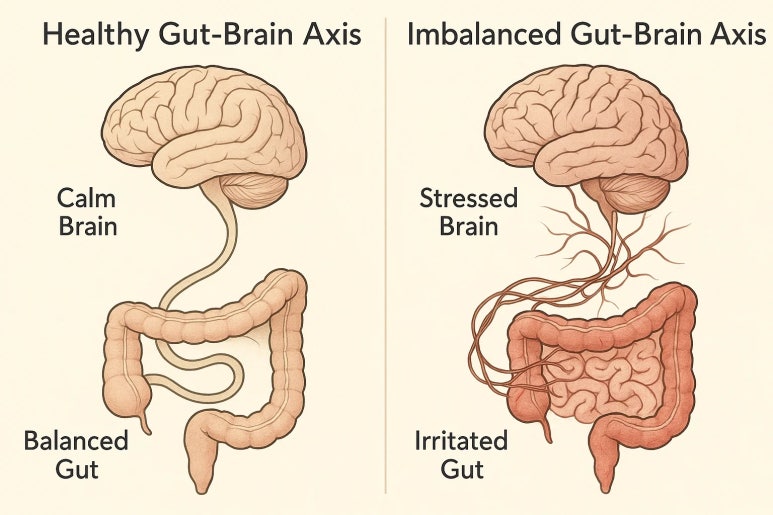
Modern medicine has revealed, through the concept of the Gut-Brain Axis, that the intestines and brain constantly interact via the nervous, hormonal, and immune systems.
Simply put, when the brain experiences stress, it can disrupt gut motility or sensory signal transmission; conversely, when the gut is uncomfortable, the brain can also experience anxiety or depression. Brain-Gut Interaction
The lifestyle of those in their 30s, including busy work lives, irregular eating habits, chronic stress, and sleep deprivation, can easily disrupt the balance of this complex Gut-Brain Axis.
This imbalance can lead to abnormal gut motility, gut microbiota imbalance, and increased gut mucosal hypersensitivity, causing various IBS symptoms such as abdominal pain, diarrhea, and constipation.
Gut problems go beyond mere digestive discomfort, robbing us of our emotions, sleep, concentration, and even our overall vitality in life.
How can abdominal massage help the gut?
I often compare the gut to the ‘root’ and ‘garden’ of our body.
Just as a garden needs watering and soil cultivation, the gut also requires careful nurturing.
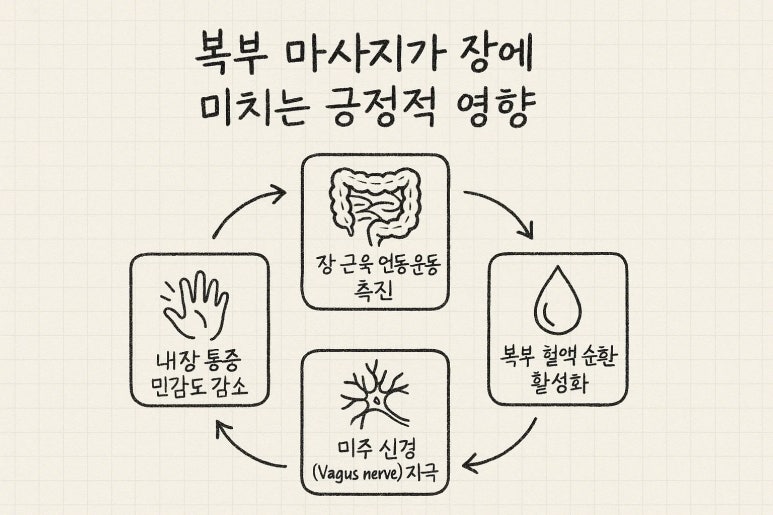
Abdominal massage goes beyond simple physical stimulation and can be an effective non-pharmacological management method for gently nurturing the garden that is our gut.
| The principles by which abdominal massage positively influences gut health can be explained in four main ways. First, gentle massage helps promote gut muscle peristalsis, which is particularly beneficial for patients with constipation-predominant Irritable Bowel Syndrome. Next, it activates abdominal blood circulation, facilitating nutrient supply to the intestines and waste elimination, which can also contribute to gut mucosal regeneration and inflammation reduction. Additionally, abdominal massage stimulates the Vagus nerve, calming the activity of the sympathetic nervous system responsible for stress responses and activating the parasympathetic nervous system responsible for digestion and rest, which plays a crucial role in restoring the balance of the Gut-Brain Axis. Finally, those suffering from chronic abdominal pain often experience visceral hypersensitivity, making them prone to pain from minor stimuli, but by relieving tension in the intestines through massage, it can help reduce visceral pain sensitivity. |
These mechanisms ultimately contribute to the alleviation of IBS symptoms such as abdominal pain, bloating, constipation, and diarrhea, and also have the effect of sending a positive signal to patients that they can take care of their own bodies.
“Can I try it too?” Jihoon's Story
| Kim Jihoon (pseudonym), in his early 30s, was a typical stress-induced IBS patient who unfailingly experienced sharp lower abdominal pain and diarrhea before important presentations. While his symptoms significantly improved after taking herbal medicine, discomfort still returned when he wasn't feeling well or was anxious. When I recommended abdominal massage, he was initially skeptical, asking, “Will that really help?” However, one month after consistently performing the massage for 10 minutes every night before bed, Jihoon said, “My stomach feels much softer than before, and going to the bathroom in the morning has become easier. Most importantly, my anxiety has decreased.” Although his symptoms hadn't completely disappeared, being able to manage them himself brought a significant change to Jihoon. |
Like Jihoon, massage can be a process of recovering agency in understanding and caring for one's own body, beyond mere symptom relief.
Now, I will explain basic abdominal massage methods that you can easily follow at home. First, you will need a space where you can lie down comfortably and warm hands; prepare massage oil if necessary. Begin by rubbing your palms together to warm them, then place your hands around your navel, breathing deeply in and out to prepare your intestines for relaxation. Next, gently stroke in large clockwise circles around your navel; this motion aligns with the direction of the large intestine's movement and aids bowel activity. Start gently, gradually increasing pressure, but only to a point where no pain is felt, repeating 5 to 10 times. Then, using both hands, gently stroke downwards from below the ribs, past the navel, towards the pelvis; this movement is effective in stimulating the overall movement of the small and large intestines, so repeat 5 to 10 times. Conclude by placing your hands back around your navel, imagining warm energy permeating your intestines, and breathing slowly.
It is important to consistently dedicate 5 to 10 minutes each day.
Important things to know before starting the massage
Abdominal massage is generally a safe and effective self-care method, but it is not suitable for everyone.
| In the following cases, abdominal massage should be avoided or performed only after consulting with a medical professional. If acute inflammatory diseases are suspected, such as severe abdominal pain, fever, or vomiting, massage should be stopped, and a hospital should be visited immediately, as these could indicate other conditions like appendicitis or enteritis. Additionally, during pregnancy or heavy menstruation, abdominal stimulation may cause discomfort, so caution is advised; especially during pregnancy, it should be done carefully after consulting a specialist. If there has been recent abdominal surgery, open wounds, or infection in the area, massage is contraindicated, and if severe inflammatory bowel diseases such as Crohn's disease or ulcerative colitis are in an active phase, massage could potentially worsen symptoms. In cases of thrombotic disorders or if taking anticoagulants, massage should be absolutely avoided as it could cause blood clots to dislodge or increase the risk of bleeding. It is always important to listen to your body's reactions, and if discomfort or pain is felt, it is crucial to stop immediately. |
| Even greater effects can be achieved by combining abdominal massage with healthy bowel lifestyle habits. Adequate hydration, regular meals and fiber-rich food intake, regular exercise, and sufficient sleep are fundamental for gut health. In particular, practicing stress management techniques also significantly helps in maintaining the balance of the Gut-Brain Axis. |
Irritable Bowel Syndrome is a chronic condition, but there are definitely things we can do ourselves.
I sincerely hope that what I've shared today will offer a small comfort and hope to those in their 30s who are going through a difficult time.
Even if it's not me, I wish you to find good medical professionals who can carefully examine your entire body and walk with you on the path to recovery.
Thank you for reading this long post.