

Irritable Bowel Syndrome Self-Diagnosis: Is It Simply Sensitivity?

Irritable Bowel Syndrome Self-Diagnosis: Is it Simply a Matter of Being Sensitive?
Irritable Bowel Syndrome: Is it Really Just a 'Sensitivity' Issue?
| "My stomach always feels bloated and gassy. I suddenly get stomach pains and break out in a cold sweat, and I often have to cancel important appointments because I feel like it would be a disaster if I couldn't find a restroom. Living like this, I feel like I'm going to go crazy." |
Many people express this frustrating discomfort, but when they actually undergo tests at the hospital, they often hear that 'nothing is wrong.' Nevertheless, these symptoms clearly cause significant pain.
The 'Hidden Dialogue' Between the Gut and Body: Clinical Cases and Diagnostic Criteria
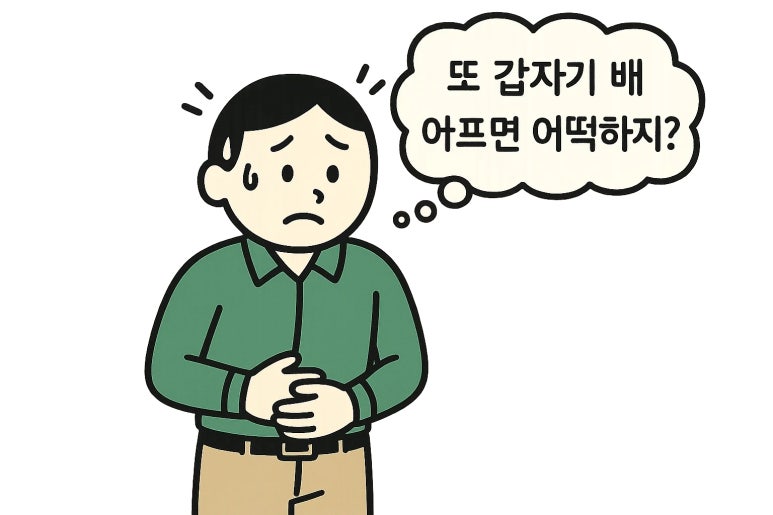
| According to the Rome IV criteria, Irritable Bowel Syndrome (IBS) can be diagnosed when 'recurrent abdominal pain, on average, at least 1 day per week in the last 3 months' is accompanied by two or more of the following three criteria: abdominal pain is related to defecation; there is an associated change in stool frequency; and/or there is an associated change in stool form (appearance). |
These diagnostic criteria indicate that there are very clear physical signals that are too distinct to simply dismiss as 'being sensitive.' Objectively viewing one's symptoms according to these criteria can be the first step towards recovery.
In my clinic, I listen more deeply to patients' stories based on these criteria. For instance, Jihoon (pseudonym), an office worker in his mid-30s, was struggling with chronic indigestion and recurrent abdominal pain.
| On days with severe work stress, Jihoon invariably experienced a sharp pain in his lower abdomen, followed by a sudden urge to rush to the restroom with diarrhea. While his symptoms would subside during his breaks on weekends, just thinking about going to work on Monday would make his stomach feel twisted from the morning. On some days, he would suddenly suffer from severe constipation, unable to have a satisfying bowel movement for several days, leading to the discomfort of a bloated abdomen. Perhaps due to the frequent diarrhea, he always felt tired and even dizzy. Since no specific abnormalities were found in detailed examinations, Jihoon sometimes blamed himself, wondering if he was faking his illness. |
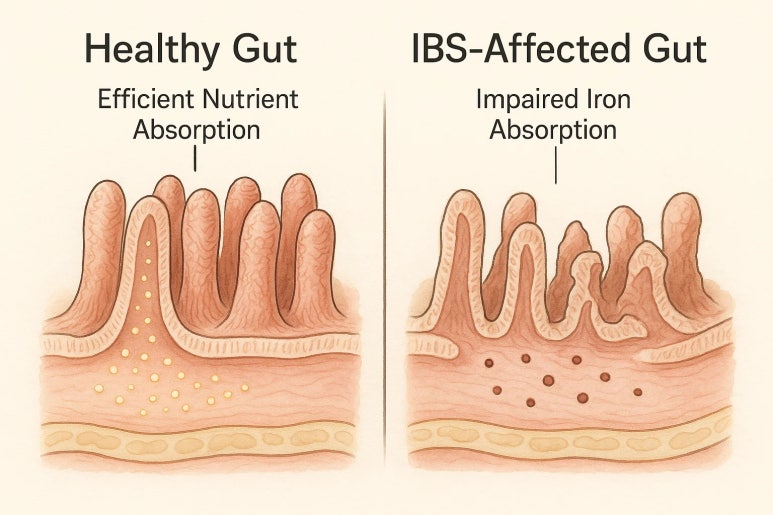
As in Jihoon's case, Irritable Bowel Syndrome (IBS) often accompanies systemic symptoms such as fatigue, headaches, and dizziness, in addition to core symptoms like abdominal pain, diarrhea, and constipation. Especially among young women, it is not uncommon to experience anemia along with IBS. According to a 2014 study, approximately half of IBS patients may experience mild iron deficiency. This is because intestinal dysfunction interferes with iron absorption, and chronic stress affects the body's energy metabolism, further intensifying fatigue.
I pay attention to this 'hidden dialogue' between the gut and the body. So, how does Korean traditional medicine view these complex symptoms?
Beyond Simple Symptom Suppression: A Korean Traditional Medicine Perspective and Treatment Clues
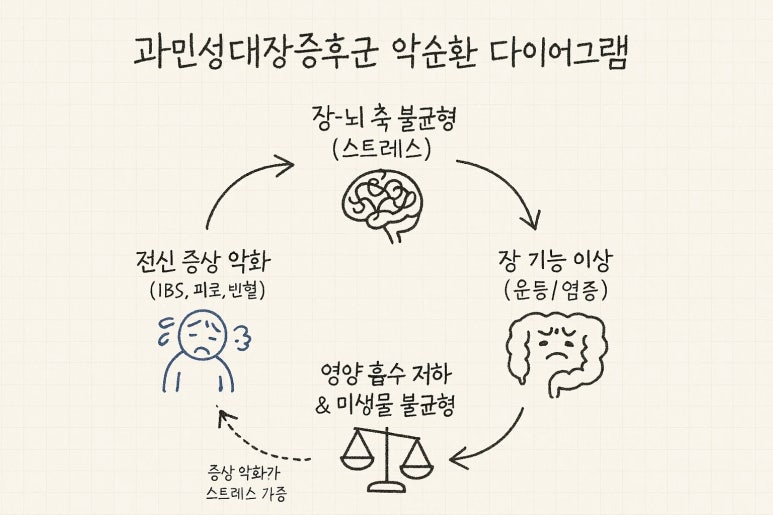
| Gut-Brain Axis Imbalance -> Excessive Stress Hormone Secretion -> Induction of Abnormal Gut Motility and Inflammatory Responses -> Worsening of Nutrient Malabsorption and Gut Microbiome Imbalance -> Weakened Immunity and Exacerbation of Systemic Symptoms (Fatigue, Dizziness) -> Vicious Cycle of Worsening IBS Symptoms and Anemia |
Understanding these complex causes becomes a crucial clue for IBS treatment. Herbal medicine (Hanyak) focuses on regulating intestinal function, improving Qi and Blood circulation, and increasing resistance to stress to restore overall body balance. By accurately understanding your symptom patterns and listening to your body's signals, you can draw your 'own map' for recovery.
Drawing Your Own Recovery Map: The Importance of a Balanced Approach
Indiscriminately trying specific diets or health supplements can actually worsen symptoms or lead to essential nutrient deficiencies. Especially in the case of iron supplements, some formulations can cause gastrointestinal upset, potentially exacerbating Irritable Bowel Syndrome symptoms, so they must be chosen carefully after consulting with a professional. |
The most important thing is a personalized approach tailored to your own body. It's beneficial to record and observe for yourself which foods cause you discomfort and in which situations your symptoms worsen.
Irritable Bowel Syndrome and anemia have a reciprocal relationship. Improving gut health aids iron absorption, and appropriate iron supplementation can reduce systemic fatigue, positively impacting IBS symptom management. Therefore, an integrated approach to managing both conditions together can be effective. |
Listening to the stories of our intricately linked bodies and minds, and finding clues for recovery within them, is the heartfelt advice I wish to give you. You are by no means 'sensitive people.' You are courageous individuals who respond to the important signals your body sends you, interpret those signals, and strive to move towards a better life. If you are still bearing all this pain alone, please seek out a healthcare professional like myself—a partner who will carefully examine your entire body. It doesn't have to be me. I hope you embark on a journey towards a healthier life with someone who will genuinely listen to your story. At the beginning of that journey, I sincerely hope that your gut and mind find comfort.