
Feeling Bloated and Loss of Appetite | Indigestion in a Stressed 20-Something Office Worker

Table of Contents
Busy Life, Why Does Your Stomach Feel Uncomfortable?
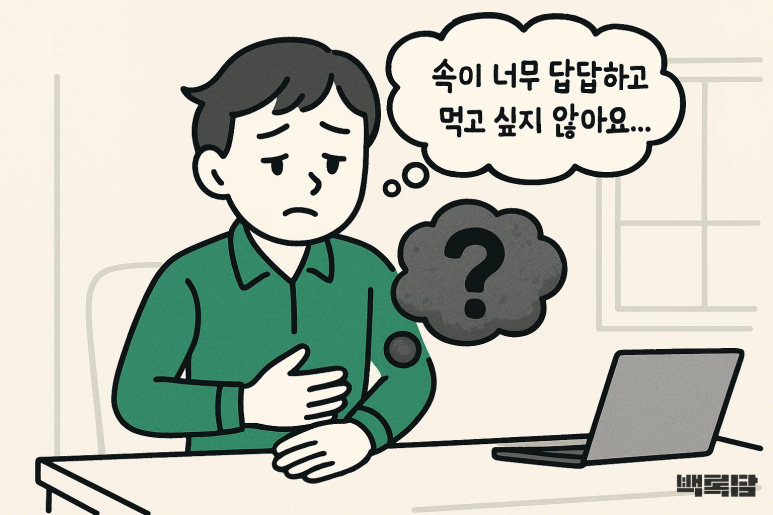
| "I wake up in the morning feeling nauseous, and I often skip lunch or eat something quickly. I don't even have an appetite after work. I'm worried I might develop a serious illness if this continues." |
One of my patients, Minjun (pseudonym, a male office worker in his 20s), was experiencing similar difficulties. Constantly plagued by work pressure, Minjun suffered from appetite loss accompanied by chronic indigestion. At first, he tried to manage by simply taking stomach medication, but the symptoms only seemed to temporarily alleviate before recurring. I didn't view Minjun's symptoms as merely a simple gastrointestinal issue. Instead, I interpreted them as the result of long-term accumulated stress disrupting our body's delicate gastrointestinal health balance.
| Minjun's daily routine involved sitting in front of the computer working late every night, and even on weekends, he was busy catching up on sleep or with appointments. He mostly ate delivery food or convenience store meals, and said he didn't even have time to drink a glass of water. Whenever his stomach felt bloated and uncomfortable, he became irritable, which in turn led to a vicious cycle of increased work stress. |
The Delicate Dialogue Between the Brain and Gut: The Essential Connection Between Stress and Digestion
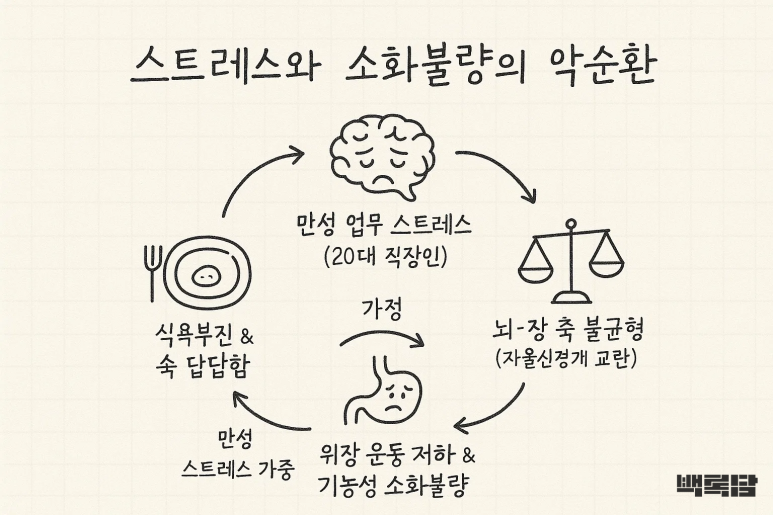
Our digestive system is far more affected by emotions than we might think. The brain and gut communicate closely, much like close friends, a connection known as the Gut-Brain Axis. When a stressful situation arises, the brain sends signals to the autonomic nervous system, which suppresses the activity of the parasympathetic nervous system (responsible for digestion) and activates the sympathetic nervous system (which induces tension). As a result, gastrointestinal motility decreases, digestive enzyme secretion diminishes, and even the protective function of the gastrointestinal lining can weaken. Our body's autonomic nervous system is like the conductor of a delicate orchestra. Stress disrupts the balance of this orchestra, turning the beautiful symphony of digestion into discord, ultimately leading to chronic indigestion. Just as traffic jams block the flow of all vehicles on a highway, stress slows down the entire digestive system, causing problems like functional dyspepsia.
Recovery Solutions for Your Body's Orchestra
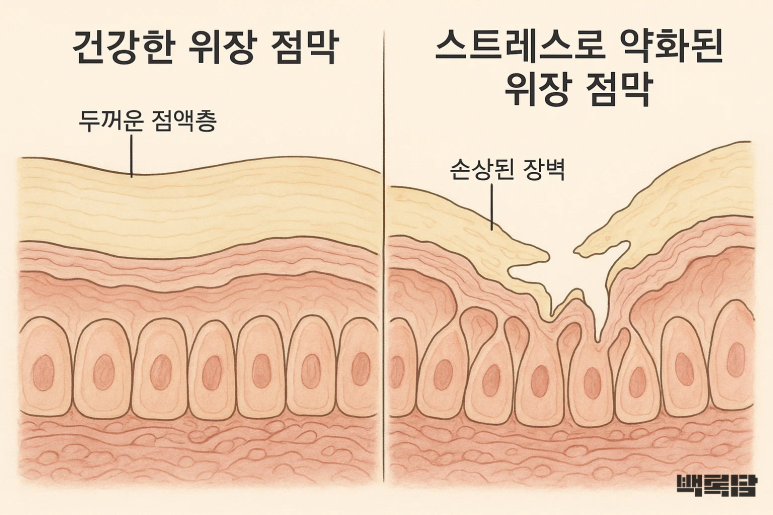
So, is there no way to escape this discomfort? I reviewed Minjun's lifestyle habits with him and began efforts to change his body's environment from a traditional Korean medicine perspective. I concluded that helping our body itself regain its harmonious balance, rather than simply suppressing symptoms, is the core of fundamental health management. These lifestyle improvements are the first step towards gastrointestinal health.
| It's best to eat meals slowly, in small portions, at regular times, and to maintain an empty stomach for 2-3 hours before bedtime. Additionally, taking a light walk after meals, instead of lying down immediately, aids digestion. Just 15 minutes of sunlit walking each day can positively impact your body by lowering stress hormone levels and improving digestive function. |
Small Practices Create Big Changes: Self-Care for Health
Furthermore, acupressure therapy can be a good alternative for alleviating chronic indigestion and appetite loss. Ancient medical texts such as Dongui Bogam mention various acupoints that regulate bodily functions through the circulation of Qi and blood. Modern research also reports that acupressure regulates gastrointestinal motility, and stimulating specific acupoints can lead to positive changes in gastrointestinal hormone secretion and autonomic nervous system activity. This type of acupressure is an important part of self-managed health care.
| Notably, Zusanli (ST36), though located on the leg, is known to enhance overall gastrointestinal function. Neiguan (PC6), on the wrist, is beneficial for nausea and acid reflux. Zhongwan (CV12), located between the sternum and navel, is an acupoint that helps balance the digestive process. Additionally, Tianshu (ST25), Qihai (CV6), and others are effectively used to relieve abdominal bloating, constipation, and diarrhea by influencing gas expulsion and bowel movements in the abdomen. |
Simply gently pressing these acupoints before going to bed each night or after a warm shower in the morning can relax the body and stimulate digestive function. However, it's important to gently massage for about 5 to 10 minutes with a comfortable amount of pressure, rather than pressing too hard indiscriminately.
| Acupressure can be used as a complementary therapy, but if severe pain or other unusual symptoms accompany it, you must consult a professional. Especially pregnant women or individuals with specific medical conditions should always consult a specialist before practicing acupressure for safety. |
A feeling of discomfort in your stomach and a lack of appetite isn't simply losing your hunger. It might be a desperate signal from your body asking you to pause and take care of yourself. In a busy daily life, small self-care habits that listen to your body and mind will come together to create a healthy path to recovery. I sincerely hope that you find medical professionals who will carefully examine your entire body, even if it's not me, and regain a healthy balance in your life.