Diet Without Exercise | Can You Really Lose Weight Without Exercise?

Weight Loss Without Exercise: Is It Really Possible?
This is probably a question many of you have asked at some point, especially those who find it hard to make time for exercise due to busy daily lives or physical limitations. I often hear vague hopes in my clinic, like, 'How wonderful would it be if I could lose weight without moving my body?'
However, weight management without exercise is more than just eating less or relying on trendy dietary supplements. It must be an endeavor to fundamentally understand and correct our body's environment.
| “Doctor, I can't even dream of exercising with my daily overtime and taking care of the kids. I barely have time to eat, so I either grab a quick bite or I'm so exhausted that I binge eat late at night. It feels like I swell up even if I just drink water, and my weight keeps increasing. Is there really no way to diet without exercise?” |
These voices resonate with the honest concerns of many patients I meet in my clinic. The inability to exercise itself acts as a stressor, leading to a vicious cycle of failed appetite control and weight gain.
To put it simply, weight loss without exercise is definitely possible. However, it requires much colder self-analysis and consistent effort in making small, actionable changes, more than we commonly imagine.
Patient A's Realistic Success Story: The Possibility of Weight Management Without Exercise
What does a successful case of weight management without exercise look like? Let's explore this through the story of patient A, whom I met in my clinic.
| Patient A, a working professional in her 40s, spent over 12 hours at the office every day, including her commute. Not only did she lack time for exercise, but even regular meals were difficult for her. When A first visited, she weighed 78kg with a body fat percentage of 35%, classifying her as obese, particularly with severe abdominal obesity. Frequent late-night meals, irregular sleep patterns, and chronic indigestion were key clues. I proposed a strategy to A focused on changing her body's 'environment' instead of exercise. First, she was instructed to stop late-night eating and maintain an empty stomach for 3 hours before sleep. Then, upon waking, she would drink a warm glass of water and aim to slowly walk for about 20 minutes while getting some sunlight on her way to work. For lunch, she was advised to choose protein-rich options at a restaurant near her office, but to eat only half the portion of rice. Dinner involved a light homemade meal after work, preferably finishing before 7 PM. Additionally, to manage stress, I suggested routines like meditating for 10 minutes after dinner or taking a warm foot bath. A month later, A achieved a 2.5kg weight loss and a 3cm reduction in waist circumference. The most significant changes were the improvement in chronic swelling and indigestion, and better sleep quality. This is a case that demonstrates the realistic possibility of weight loss through lifestyle improvements, even with exercise limitations. |
As seen in A's case, compensating for the lack of exercise isn't merely about reducing food intake under the guise of a "diet." The core is to normalize our body's metabolic system and create an environment where body fat is less likely to accumulate.
In Traditional Korean Medicine, our body is often compared to a 'bathtub' that needs to be managed so it doesn't overflow. Just as water accumulates if the drain is blocked, if the circulation of Qi, blood, and vital fluids is obstructed and 'Dampness-Phlegm' accumulates, body fluid balance can be disrupted, causing actual body weight to fluctuate by 1-2kg due to swelling. This is interpreted from the perspective of eliminating 'Dampness' and restoring 'organ balance'. In modern metabolic science, 'improved insulin sensitivity', 'hormonal balance', and 'sleep quality' are key indicators. Both perspectives agree that the body's environment is central to weight management.
Correcting the Body's Environment: Key Pathways for Weight Management Without Exercise
So, what are the specific key pathways to change the body's environment without exercise? I'd like to share the path I walk with my patients in the clinic.
| Correcting the Body's Environment: Key Pathways for Weight Management Without Exercise First, it's crucial to regulate appetite and insulin signals. This includes adopting a low-GI diet to reduce blood sugar spikes, ensuring sufficient protein and fiber intake, adhering to regular meal times, and avoiding late-night snacks. Second, ensuring quality sleep is an unmissable factor. To promote melatonin secretion, maintain a regular sleep schedule, avoid electronic devices before bed, and create a dark, cool bedroom environment. Third, stress management is essential for regulating cortisol hormone. Practice relieving stress through meditation, yoga, or light walks, get enough rest, and consistently work on reducing emotional eating. Fourth, improving hydration and circulation is at the core of Traditional Korean Medicine Dampness management. It's beneficial to drink plenty of water, limit excessive salt, and keep the body warm to promote circulation. Taking probiotics on an empty stomach in the morning can also be helpful. Lastly, optimizing energy availability, specifically increasing NEAT (Non-Exercise Activity Thermogenesis), should be considered. This means increasing activity that doesn't necessarily qualify as "exercise." Small habits that increase movement in daily life, such as standing while working, taking the stairs instead of the elevator, or walking short distances, create big changes. |
These lifestyle improvements focus on improving overall health indicators, beyond just reducing the number on the scale. For example, methods like intermittent fasting also have a higher chance of success when approached in the context of appetite signal regulation mentioned above, rather than merely restricting meal times.
Important Considerations When Dieting Without Exercise
So, what absolutely must we pay attention to when attempting to diet without exercise? Here are essential points for healthy and safe weight management.
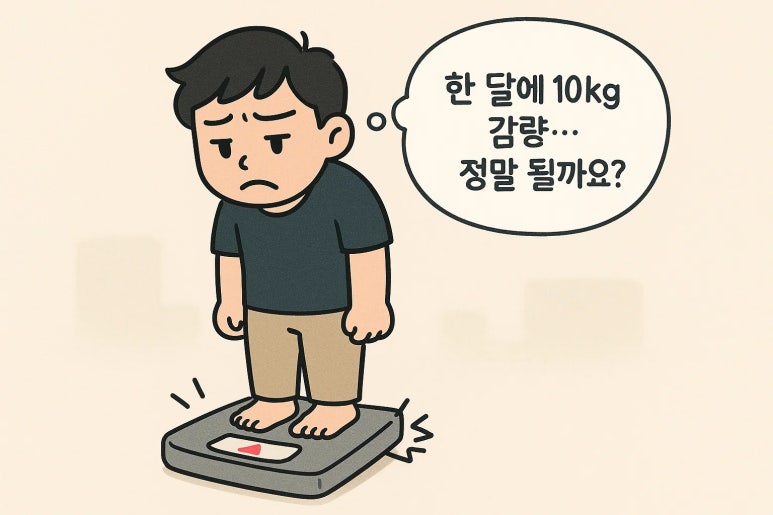
| Cautions for Dieting Without Exercise and Warnings About Dietary Supplements First, beware of unrealistic expectations. Excessive goals, such as losing 10kg in a month without exercise, can lead to frustration and easily trigger the yo-yo effect. It's important to focus on consistent and sustainable changes rather than short-term goals. Second, blind faith in dietary supplements is forbidden. Many supplements on the market serve only as 'aids' and can never replace improvements in diet and lifestyle. In fact, some products can cause serious side effects such as liver dysfunction or gastrointestinal disorders, so always consult a professional before taking them and carefully check the precautions. Third, be mindful of muscle mass loss. If you drastically reduce your food intake without exercise, muscle mass can decrease before body fat. This lowers your basal metabolic rate, making long-term weight loss more difficult and becoming a primary cause of the yo-yo effect. Maintaining sufficient protein intake and consistently increasing daily activity (NEAT) are crucial for preserving muscle mass. Lastly, it is essential to check for hidden diseases. If you experience unexplained weight gain or difficulty losing weight, you might have underlying conditions such as thyroid disorders or polycystic ovary syndrome (PCOS). In such cases, diet control alone has limitations, so you must seek medical examination to determine the exact cause and receive appropriate treatment. |
Even if it's not me, please consult medical professionals who will carefully examine your entire body. It's crucial to closely observe the small signals your body sends and, through this, find your own successful diet tips.
Finding Your Own Observation Metrics, More Important Than the Number on the Scale
Here's one more thing: beyond the number on the scale, what important observation metrics should we pay attention to?
| Observation Metrics More Important Than the Number on the Scale The habit of stepping on the scale every morning immediately after waking can actually cause psychological stress and make you overly reactive to temporary fluid fluctuations. It's important to observe your body with a broader perspective rather than getting caught up in the number itself. Instead, try to record: how you look in the mirror, if your clothes fit more comfortably, whether you have morning swelling, if your sleep quality has improved, if your digestion has gotten better, and how your energy levels change throughout the day. These subjective observation metrics are more accurate and practical clues that tell you how your body's environment is changing. Focus on making small changes that come together to paint a bigger picture. |
Dieting without exercise is not an impossible dream. However, rather than being an "easy" path where you don't have to exercise, it's closer to a delicate process of listening more closely to your body's signals and finding balance in life.
I hope this article can be a small anchor on your weight management journey.
Consistent observation and small actions will come together to create sustainable change.