Restoring BMR: Turn Your Body into a Fat-Burning Engine

Table of Contents
- Restoring BMR — Turning Your Body into a Fat-Burning Engine
- Why do you feel like you gain weight even when eating less?
- Managing Spleen Deficiency (Bi-heo) is the foundation of BMR recovery
- What is the reality of 'Metabolic Adaptation' that hinders BMR recovery?
- Protecting muscle mass and gradual intake increase helps restore BMR
- Three lifestyle points for restoring BMR
- Frequently Asked Questions
When meeting patients in the clinic, one of the most common complaints I hear is, "Doctor, I feel like I gain weight even if I only drink water." While it might seem impossible at first, a close look at their food diaries often reveals that they are indeed eating far less than the average adult's recommended intake, yet their weight remains stagnant.
The common thread among these individuals is that their body's 'combustion system' has been turned off due to repeated extreme dieting or irregular eating habits over a long period. To survive, our bodies adapt to low energy intake by spending less. Today, I want to talk in-depth about the principles and practices of restoring Basal Metabolic Rate (BMR)—rekindling the fire within your body.
Restoring BMR — Turning Your Body into a Fat-Burning Engine
Why do you feel like you gain weight even when eating less?
What we commonly call Basal Metabolic Rate (BMR) is the minimum energy required to maintain life. Energy is used in every process, from your heart beating and breathing to maintaining body temperature. However, if you suddenly and drastically reduce your intake for a diet, your body perceives this as an 'emergency.' It decides to save as much energy as possible because it doesn't know when the next fuel will arrive.
This is called Metabolic Adaptation. It is similar to forcibly lowering an engine's displacement. In the clinic, I often compare this to 'Power Saving Mode.' Just as a smartphone screen dims and performance is limited when the battery is low, our bodies slow down the metabolic rate to preserve energy. Once this state becomes fixed, your body perceives even a normal amount of food as 'excess calories' and tries to store it as fat. Without restoring BMR, you fall into a vicious cycle where you don't lose weight no matter how much you starve.
Managing Spleen Deficiency (Bi-heo) is the foundation of BMR recovery
In Traditional Korean Medicine (TKM), a decrease in BMR is often viewed as Spleen Deficiency (脾虛, Bi-heo)—a state where the energy centered around the digestive system has weakened. The Spleen system (脾系) in our body is responsible for the core role of converting food into Qi and Blood (氣血), which is our vital energy. When Spleen Qi is weak, even good food cannot be converted into energy, leading to the accumulation of waste products like Phlegm-fluid (痰飮, Dameum) or Water Toxicity (水毒, Sudok).
I once experienced my own body becoming bloated and heavy after excessive dietary restrictions. When I diagnosed myself, I was in a classic state of Spleen Deficiency. In such cases, the priority is not unconditional fasting but revitalizing the Spleen's function through warm medicinal herbs or foods. Only when the Spleen Qi is revived can the body gain the power to dissipate consumed energy as body heat and send it to the muscles. This is the true start of restoring BMR from a TKM perspective.
What is the reality of 'Metabolic Adaptation' that hinders BMR recovery?
Many people ask, "Won't my metabolism increase if I exercise more?" While exercise is important, pushing yourself with high-intensity workouts when you are in a state of severe metabolic adaptation can actually be counterproductive. The body is already struggling with a lack of energy; if you take more energy away, the body will fight to lower the metabolic rate even further for survival.
During this process, thyroid hormone levels may shift subtly, and leptin—the hormone that signals fullness—can drop sharply. One patient who visited me was eating only one sweet potato a day and doing two hours of aerobic exercise daily, yet she felt dizzy and was gaining weight. This isn't a matter of willpower; it's a powerful SOS signal from the body. To restore BMR, you must move away from the "eat less, move more" formula and create an environment where your body feels safe to spend energy.
Protecting muscle mass and gradual intake increase helps restore BMR
So, what specifically should you do? The most important concept is 'Reverse Dieting.' Instead of increasing your food intake all at once, you give your body time to adapt by increasing it slightly each week (e.g., by 50–100 kcal). The key here is to consume enough protein to prevent muscle loss, as muscles are the largest energy-consuming factories in our bodies.
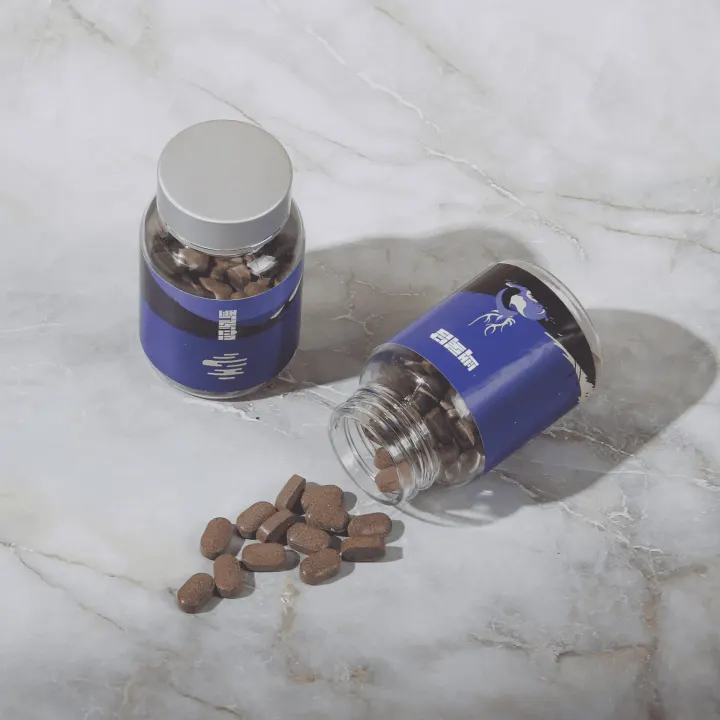
Additionally, to overcome a plateau, prescriptions in the Bangpungtongseong-san (防風通聖散) family can be helpful. They play a role in lowering internal heat toxins and aiding circulation to improve metabolic efficiency. Our Baekrok Gambi-jeong is also designed with this metabolic decline in mind; it doesn't just stop at suppressing appetite but focuses on increasing the body's circulatory power to help restore BMR. It's a process of opening the floodgates so a body that was only hoarding energy can begin to release it again.
Three lifestyle points for restoring BMR
Finally, here are some methods you can start immediately in your daily life.
First, improve your sleep quality. While you sleep, your body repairs damaged tissues and reorganizes metabolism-related hormones. Lack of sleep raises cortisol, a stress hormone that lowers metabolism and induces fat accumulation.
Second, pay attention to maintaining body temperature. It is a well-known fact that if your body temperature rises by just 1 degree, your BMR increases by about 10–15%. Habits like drinking warm water frequently and enjoying lower-body bathing (half-baths) are very helpful in boosting Yang Qi (陽氣) and activating metabolism.
Third, utilize fasting hours strategically. Rather than unconditional starving, maintaining a consistent fasting window of 12–14 hours a day improves insulin sensitivity, making your body more efficient at using energy.
Only when these efforts accumulate will your body feel reassured enough to say, "I can spend energy now without saving it." Please remember that restoring BMR is not a short-term battle, but a process of rebuilding trust with your body.
Frequently Asked Questions
Q. My BMR is already low; won't I gain more weight if I start eating again?
Initially, your weight may rise slightly due to water retention or glycogen storage. However, if you increase your intake very gradually while incorporating strength training, your metabolic engine will eventually start running again. You must pass this threshold to reach a state where you don't gain weight even when eating normal meals.
Q. How specifically does herbal medicine help in restoring BMR?
Herbal medicine doesn't just burn calories; it identifies and resolves the root causes of metabolic decline, such as Spleen Deficiency (脾虛) or Qi Stagnation (氣滯). Think of it as a helper that creates an environment where you can use more energy efficiently during the same movements by discharging unnecessary waste and aiding circulation.