Fat-Dissolving Injections: That Immediate Slimming Feeling... So Why Do Many People End Up Back Where They Started?

Table of Contents
In previous posts, we've discussed multiple times that obesity isn't simply a matter of calorie counting, but rather an issue of the body's metabolic flow and storage environment. This time, as an extension of that discussion, we aim to differentiate between the limitations and possibilities of localized procedures.
There's a common scenario we frequently encounter in the consultation room. People say that about a week after receiving fat-dissolving injections, their abdomen or thighs definitely feel lighter. When they look in the mirror, their silhouette appears different, and their clothes fit with more room. However, about a month later, they return with a similar sentiment: "At first, I really thought I was losing weight, but now it seems like I've gone back to how I was."
The answer to this question, simplified, often branches into two explanations: either the treatment wasn't effective, or the individual failed to manage their lifestyle. However, in actual clinical practice, neither of these is often entirely accurate. The problem is that expectations are set without distinguishing what fat-dissolving injections actually change and what they do not.
The Feeling of Reduced Swelling vs. Actual Fat Loss: Different Mechanisms
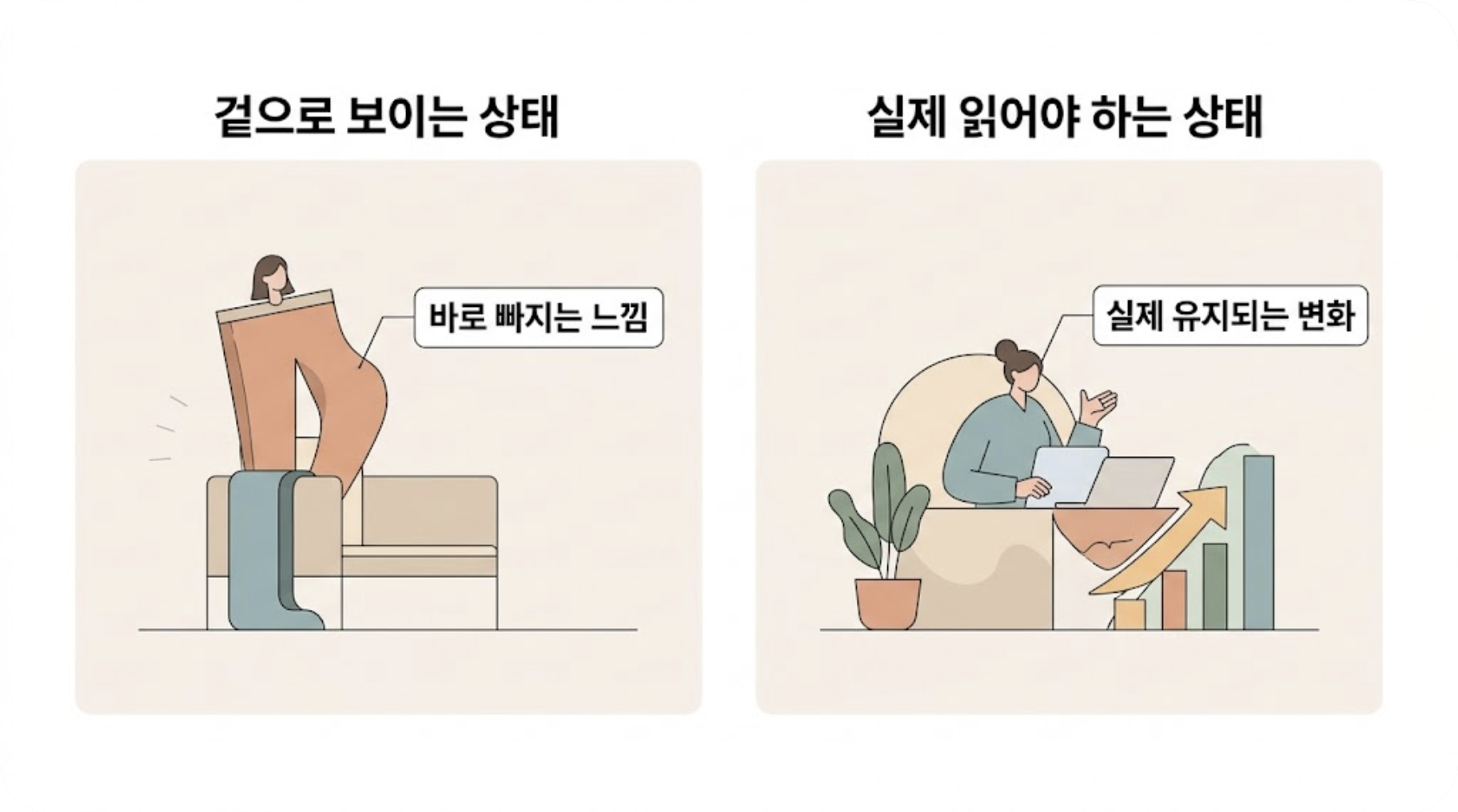
The immediate feeling of lightness after a fat-dissolving injection mostly stems from changes in swelling. This sensation is caused by temporary edema resulting from the injection solution being introduced into the tissue, which subsequently subsides as it drains through the lymphatic circulation. During this process, the skin may also appear slightly saggy or taut, leading to a visual perception of change.
May look similar, but should be interpreted differently
However, this does not immediately signify the permanent elimination of fat cells. The main components of fat-dissolving injections, such as deoxycholic acid or phospholipid-based substances, literally act to disrupt cell membranes. In other words, they "break down" fat cells, but this does not mean the cells become permanently incapable of regeneration. The triglycerides released from the broken fat cells travel to the liver via the lymphatic system and blood vessels, where they are processed as metabolizable energy sources.
A critical variable here is the liver's metabolic capacity and the overall energy balance. If the liver is already overloaded, or if energy intake routinely exceeds energy expenditure, the mobilized fatty acids will be re-stored in fat cells in other tissues. They might return to their original location or be relocated to different areas. This is the primary mechanism behind the phenomenon of "regaining fat" after fat-dissolving injections.
Why We Need to Distinguish Between Fat Cells and the Storage Environment
Many people understand that fat-dissolving injections "eliminate fat cells from that area." This statement is half true and half false. The number of fat cells in adults is generally constant; what primarily changes when obesity progresses is the size of the cells (the amount of fat stored). While fat-dissolving injections can reduce the size of cells in a specific area, the potential for surrounding immature pre-adipocytes or existing cells to expand again remains.
A quick look at the core structure
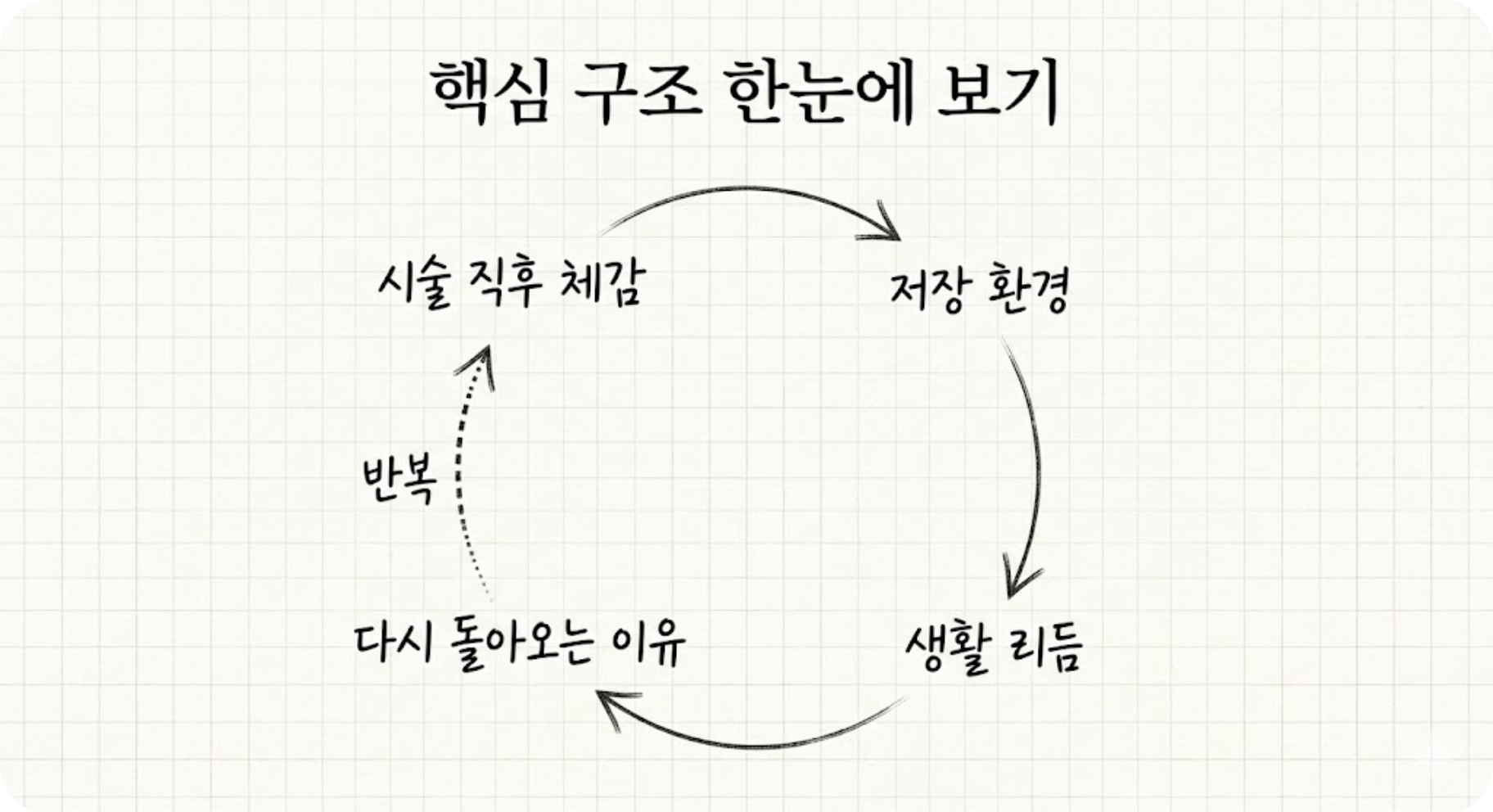
The more fundamental issue is the "storage environment." If this environment—which includes the body's tendency to store energy as fat, the degree of insulin resistance, patterns of stress hormone secretion, and sleep quality—doesn't change, then temporarily reduced localized fat will eventually be refilled over time. It's like how water quickly permeates dry ground, but in a humid environment, water tends to accumulate.
This doesn't mean that fat-dissolving injections are "useless." It simply means that their scope of effectiveness is clear. They are a tool for temporarily reducing localized fat accumulation, not a treatment for changing the body's overall metabolic environment. If only the former is repeatedly applied when the latter is needed, it will only lead to increased procedure costs and discomfort.
When Local Procedures Are a Meaningful Choice
So, when are fat-dissolving injections a reasonable choice? We can largely distinguish two situations.
First, for cases of localized obesity where overall body weight and body fat percentage are within a normal range, but fat is concentrated only in specific areas. If fat disproportionately accumulates in the abdomen, thighs, or upper arms while other areas remain lean, it's likely due to differences in fat cell distribution or the characteristics of the vascular and lymphatic systems in that particular area, rather than a systemic metabolic problem. In such cases, localized procedures are effective in reducing the size of cells in the target area, and the results are relatively stable if appropriate lifestyle habits are maintained afterward.
Second, in the refinement stage, after overall weight loss has already improved the metabolic environment, and localized fat remains. For instance, if fat persists only in the lower abdomen or love handles after losing 10kg, causing the silhouette to be uneven, a localized procedure at this point holds value as a finishing touch. Since the improved metabolic environment is already maintained, the risk of recurrence is relatively low.
Conversely, if fat-dissolving injections are repeatedly administered in a generally overweight state, or if individuals rely solely on the procedure without dietary control or exercise, it's difficult to expect satisfactory long-term results. This is less a problem with the procedure itself and more a problem with the selection of indications.
Criteria for Judgment Between Expectation and Reality
If you are considering fat-dissolving injections, there are a few things to check first. This includes understanding your current weight relative to your standard weight, your body fat percentage, and whether the issue is localized to a specific area or involves overall fat distribution. Additionally, you should examine whether there have been significant changes in your eating patterns or activity levels over the past 3 to 6 months, and what your sleep quality is like.
If the answers to these questions are not clear, prioritizing an understanding of your systemic metabolic flow is more important than proceeding with localized procedures. Repeating treatments without understanding why fat accumulates in certain locations and why it doesn't decrease is like simply applying ointment to a symptom.
Frequently Asked Questions
Q: I definitely felt slimmer a week after getting fat-dissolving injections. Does this mean I lost fat?
The change felt within a week primarily comes from reduced swelling. The actual breakdown of fat cells and the metabolism of their contents typically take 2-4 weeks, and your weight on the scale might not significantly change during this process. It's important to understand the time lag between initial perception and actual fat loss.
Q: If I get injections repeatedly in the same area, will I permanently stop gaining fat there?
Repeated treatments in the same area can reduce the number of fat cells there, making it relatively less prone to fat accumulation. However, surrounding cells can compensate by enlarging, or fat storage might shift to other areas. More importantly, if your overall energy balance remains positive, fat will inevitably be stored somewhere in the body.
Q: Will the results be maintained if I combine it with exercise and diet control?
Yes, that is the most crucial variable. Fat-dissolving injections are a "tool" to reduce localized fat, while exercise and diet are the "soil" that changes the metabolic environment. A tool alone offers temporary effects, but if the soil doesn't change, the results will easily revert.
To properly harness the effects of fat-dissolving injections, it's crucial to accurately understand their scope. Tools for addressing localized fat accumulation certainly exist, but changing the body's overall metabolic flow requires a different approach. We invite you to explore the start of fundamental change through a Baekrok Gambijeong consultation, which addresses both lifestyle habits and the metabolic environment.