Ultra-processed foods: Is there a bigger problem than just calories?

Table of Contents
- Ultra-Processed Foods: Are There Problems Beyond Calories? Ultra-Processed Foods: Are There Problems Beyond Calories?
- Why Responses Differ Even with the Same Calories
- Structure That Delays Satiety Signals
- Impact on Gut Microbiome Balance
- Actual Criteria to Change
- Frequently Asked Questions
- Points to Consider for the Next Step
Ultra-Processed Foods: Are There Problems Beyond Calories? Ultra-Processed Foods: Are There Problems Beyond Calories?
--- Patients often ask me in the clinic, "Doctor, I count my calories, so why am I not losing weight?" Looking at their diet diary, their daily intake seems appropriate. However, a closer look often reveals that the type of food is the problem. Even with the same calorie count, the body's response can be entirely different. ---
Why Responses Differ Even with the Same Calories
The core problem with ultra-processed foods (UPFs) is not the calorie count itself. Industrially processed foods often have their dietary fiber destroyed and are transformed into a structure where sugars and fats are rapidly absorbed. For example, 300 kcal from brown rice and side dishes will produce a distinctly different blood sugar response and insulin secretion pattern compared to 300 kcal from fast food. When insulin rises sharply, fat breakdown is inhibited, and instead, fat synthesis is promoted. If this cycle repeats, the body switches to a mode of storing energy rather than burning it. Even if calories are met, the metabolic flow is blocked. ---
Structure That Delays Satiety Signals
Ultra-processed foods create another problem: reduced chewing frequency, low dietary fiber, and intense sweetness prevent satiety signals from functioning normally. In fact, even when consuming the same caloric amount, people tend to feel hungry faster and eat more ultra-processed foods. This is not simply a matter of willpower. It's because the hormone ghrelin secreted from the stomach is delayed, and signals reach the brain's satiety center later. Processed foods disrupt the body's natural appetite regulation mechanisms. ---
Impact on Gut Microbiome Balance
Recent studies report that ultra-processed foods reduce gut microbial diversity. Specifically, artificial sweeteners, emulsifiers, and preservatives can weaken the protective function of the intestinal lining. A richer gut microbiota leads to smoother energy metabolism and inflammation regulation, and if this balance is disrupted, weight management becomes more difficult. Some aspects of this relationship have not yet been clearly established as causal. However, clinically, a recurring pattern of indigestion and weight stagnation is observed in patients who maintain diets high in food additives. ---
Actual Criteria to Change
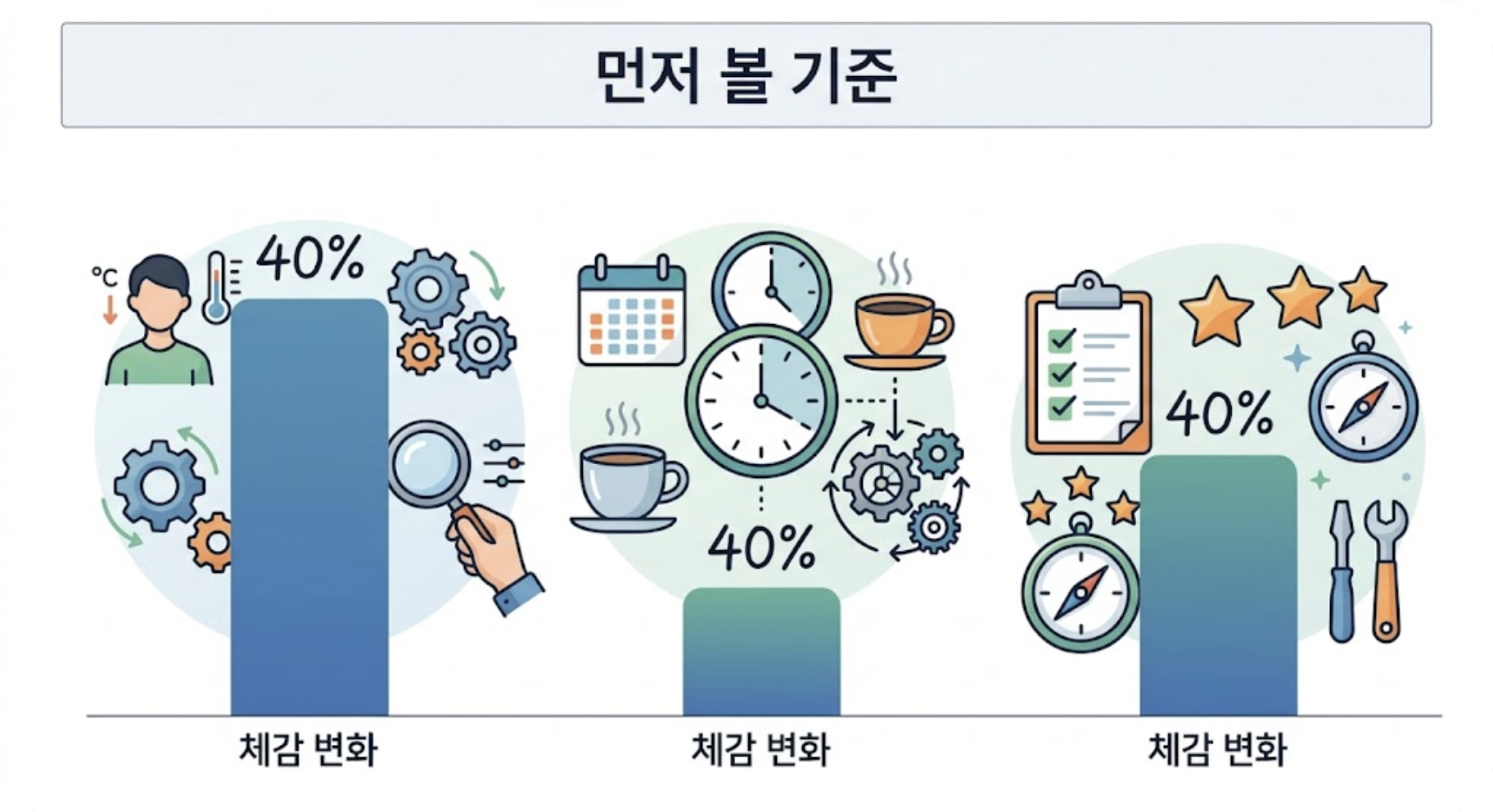
So, what criteria should we use to choose food? Here are some specific points to consider: First, when looking at the ingredient list, count how many additives there are, rather than food ingredients. It's best to avoid foods containing three or more emulsifiers, preservatives, or artificial sweeteners. Second, check the chewing texture. Foods that are too soft and melt quickly are digested too fast and are likely to cause blood sugar spikes. Third, reduce the number of times you open a package. Natural foods usually have simple or no packaging. By examining the types of food that fill your refrigerator, you can understand the direction of your current eating habits. ---
Frequently Asked Questions
"Are zero-sugar drinks okay?" Although artificial sweeteners have no calories, they can affect gut microbes and increase the brain's expectation for sweetness, leading you to seek out other sweet foods. Water or unsweetened tea should be your base, and zero-sugar drinks should be considered an occasional alternative.
"When I'm busy, I can't help but eat convenience store food." If possible, choose whole foods like salads, chicken breast, or hard-boiled eggs. They are digested more slowly and provide longer-lasting satiety than ramen, hamburgers, or snacks. Prioritize less bad choices over a perfect diet.
"It's hard to control my diet because I live with my family." Rather than eating completely different meals alone, adjusting the ratio of rice and side dishes within the family meal is more sustainable. Try an approach like taking less rice and filling up more on soup and vegetable side dishes (namul). ---
Points to Consider for the Next Step
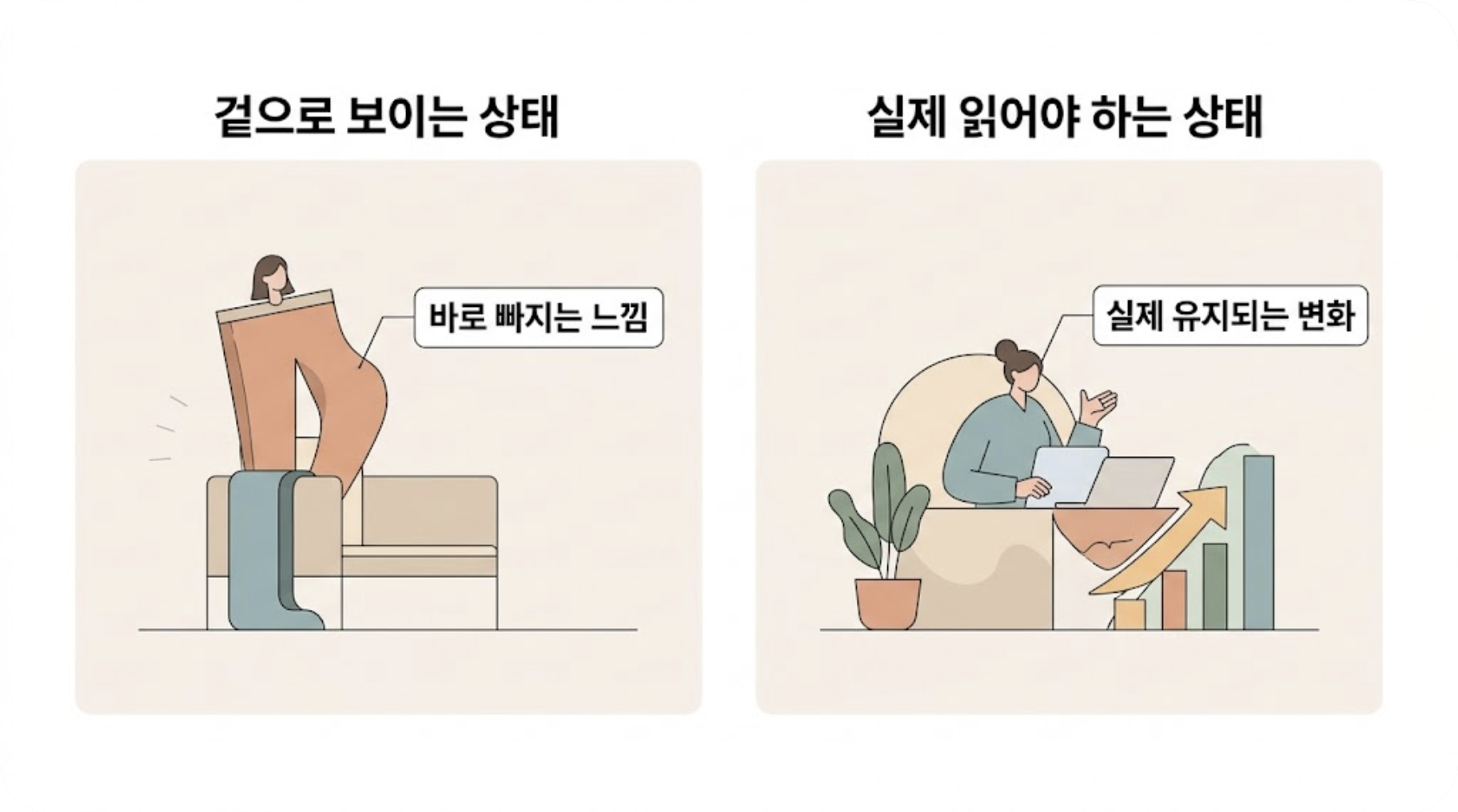
Reducing ultra-processed foods is just the beginning of weight loss. In the long term, a process of finding a meal structure suitable for one's individual constitution and metabolic state is necessary, as even with the same diet, people respond differently. At Baekrok-gam, we begin by reducing ultra-processed foods and work with you to find a personalized eating pattern that suits your individual constitution. Check your current eating habits and design sustainable changes through Baekrok-gam Weight Management Consultation. --- Comparison Illustration
Criteria Summary