Phlegm-Dampness Type Obesity and Edema — The Real Cause of a Constitution That Gains Weight Just from Drinking Water

Table of Contents
Phlegm-Fluid Obesity Edema
"I definitely ate less than yesterday, so why is my weight the same and why does my body feel even heavier?"
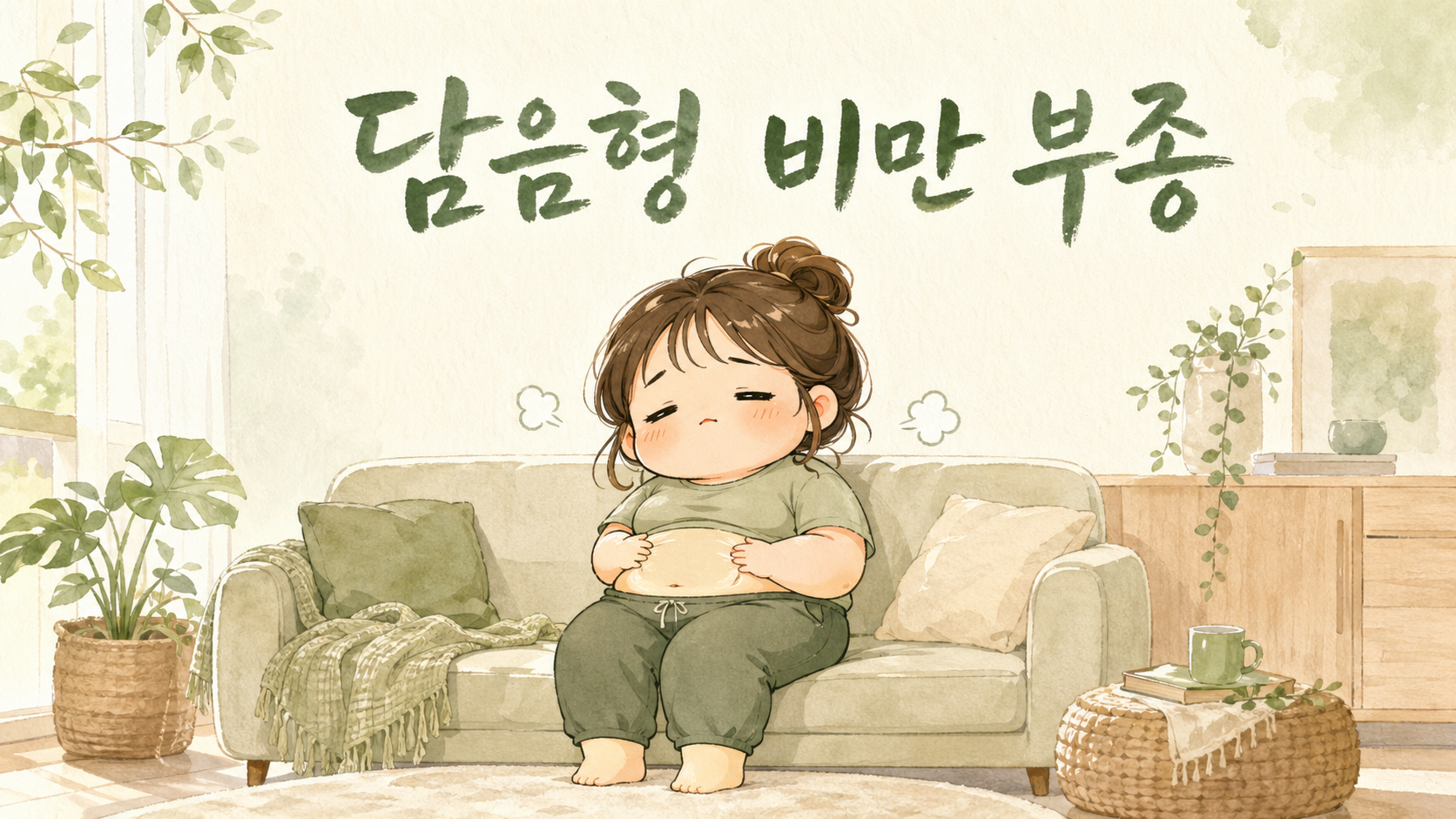
This is one of the questions I hear most often in the consultation room. The number on the scale might only differ by 0.5kg, but the 'heavy feeling' the patient actually experiences is much greater. A state where the skin does not bounce back immediately when the shin is pressed firmly with a finger, or where the face, hands, and feet are swollen upon waking up in the morning. We usually call this 'swelling,' but in Korean medicine, we view this from the perspective of Dam-eum (痰飮, phlegm-fluid).
It is not simply swelling because one drank a lot of water, but a process where the body's fluid metabolism system breaks down, and 'stagnant water' becomes fat and toxins. Today, I will explain step-by-step why this phlegm-fluid obesity edema occurs and how to approach it.
Phlegm-Fluid Obesity Edema, how is it different from simple swelling?
The expression 'swollen' that we commonly use is often a temporary phenomenon. It is a state of temporarily holding onto moisture because salty food was eaten the previous day. However, phlegm-fluid obesity edema is of a different nature. Here, Dam-eum (痰飮) refers to a 'pathological product' created when body fluids fail to circulate normally and clump together viscously.
To use a simple analogy, it is similar to when mud and fallen leaves accumulate where a clean stream used to flow, blocking the waterway and causing the stagnant water to rot. This stagnant moisture is not simple water, but combines with waste products and adheres to various parts of the body. If this persists for a long time, it goes beyond simple edema to accelerate actual fat accumulation, eventually leading to typical phlegm-fluid obesity where 'swelling becomes fat.'
Why does Yeong-wi-bul-hwa (營衛不和) cause edema?
In the classic of Korean medicine, 《Ling Shu (靈樞)》, the energy flow of our body is explained by dividing it into Yeong (營) and Wi (衛). Yeong (營) flows inside the blood vessels to supply nutrition, and Wi (衛) protects the body from outside the blood vessels and regulates fluid metabolism. A state where the balance between these two is broken is called Yeong-wi-bul-hwa (營衛不和).
From a modern physiological perspective, this is very similar to an imbalance of Starling forces. If the pressure inside the blood vessels is too high, or if the force pulling water outside the blood vessels becomes strong, moisture excessively leaks out into the interstitial fluid outside the vessels.
When this state occurs, lymph flow increases, but the discharge rate cannot keep up with the production rate, causing moisture to form layers under the skin. Symptoms such as "the flesh is soft and lacks elasticity" or "marks remain for a long time when the skin is pressed" can be seen as signals of fluid stagnation caused by this Yeong-wi-bul-hwa.
What is the correlation between Bi-heo (脾虛) and phlegm-fluid?
Then why do some people develop phlegm-fluid more easily? The key lies in Bi-heo (脾虛), which is the decline in function of the digestive system. In Korean medicine, the spleen (脾臟) is responsible for the 'un-hwa (運化, transport and transformation)' function. It acts as a pump that converts food into energy and distributes moisture evenly throughout the body.
What happens if the performance of this pump drops (Bi-heo)?
Moisture is not transported properly and becomes stagnant.
Stagnant moisture turns into viscous Dam-eum (痰飮).
This phlegm-fluid blocks the circulation of Qi and blood, further lowering metabolism.
Eventually, a vicious cycle repeats where energy is not consumed even if one eats little, leading to edema and obesity.
I also once had an experience where my metabolism completely collapsed while doing an excessive fasting diet, and my body would swell and feel heavy even if I ate just a little. I felt truly dizzy. The key to escaping phlegm-fluid obesity is not blindly starving, but first reviving this pump (spleen) function.
Step-by-step approach to resolving phlegm-fluid edema
To resolve phlegm-fluid obesity edema, you must not focus simply on 'removing water.' A step-by-step approach is needed to remove the cause of why the water stagnated.
Step 1: Discharge of stagnant moisture (phlegm-removing agents/diuretic action) First, the stagnant water must be removed. At this time, rather than unconditional diuretics, prescriptions like Bangpung-tongseong-san (防風通聖散), which lower internal heat and push out waste products through both urine and stool, are helpful.
Step 2: Recovery of pump function (Bo-bi-geon-bi) Even if the water is removed, if the pump (spleen) is broken, it will swell again quickly. The process of Bo-bi (補脾), which restores digestive function to prevent moisture from stagnating again, must be carried out in parallel.
Step 3: Turning on the metabolic switch Once fluid stagnation is resolved, an environment where fat burning is possible is finally created. From this point, it is good to balance the body's Yeong-wi (營衛) through light aerobic exercise and a low-sodium diet.
Frequently Asked Questions
Q. Why do I keep swelling even though I don't eat salty foods?
Beyond salt intake, if you are in a state of Bi-heo (脾虛), you may swell due to a decreased ability to regulate moisture. Especially if a state of Gan-ul (肝鬱), where energy clumps due to stress, occurs together, fluid metabolism becomes more stagnant. In such cases, management focusing on 'circulation' itself is necessary rather than just saltiness.
Q. Does weight really decrease just by removing the swelling?
Yes, it is possible. For people with damp-phlegm type obesity, the weight from "fluid retention" is quite significant compared to actual fat. With proper treatment and management to correct the imbalance of interstitial fluid, many people experience weight changes of about 2kg within the first 1-2 weeks. This is not fat being lost, but "unnecessary water" being removed. However, as the body becomes lighter, exercise efficiency improves, which eventually leads to fat burning.
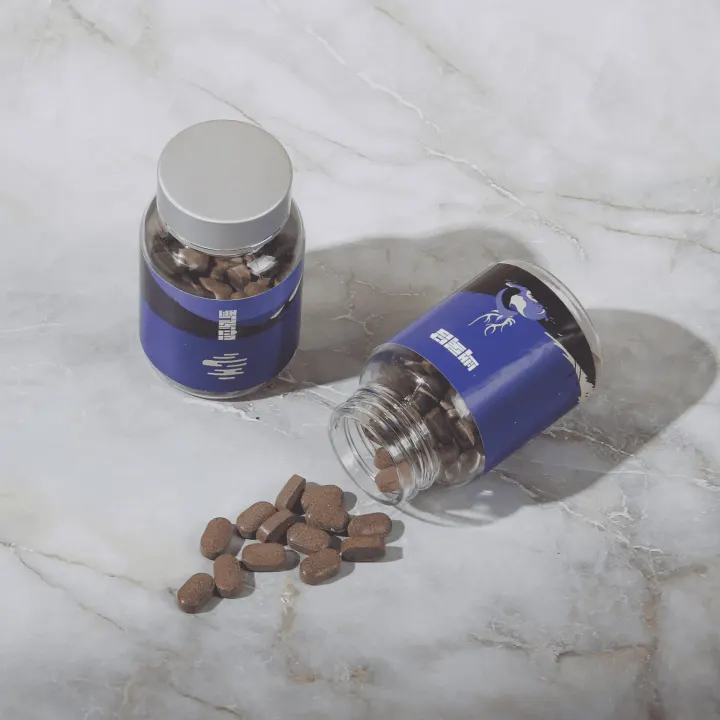
Damp-phlegm type obesity edema is not a simple matter of willpower—it is a problem with the body's internal water metabolism system. Please do not ignore the "heaviness" signal your body is sending, and it is advisable to check the fundamental circulation environment. If you need a more detailed assessment of your condition, receiving support from a systematic program such as [Baekrokgam Gambijeong] can also be a good approach.