
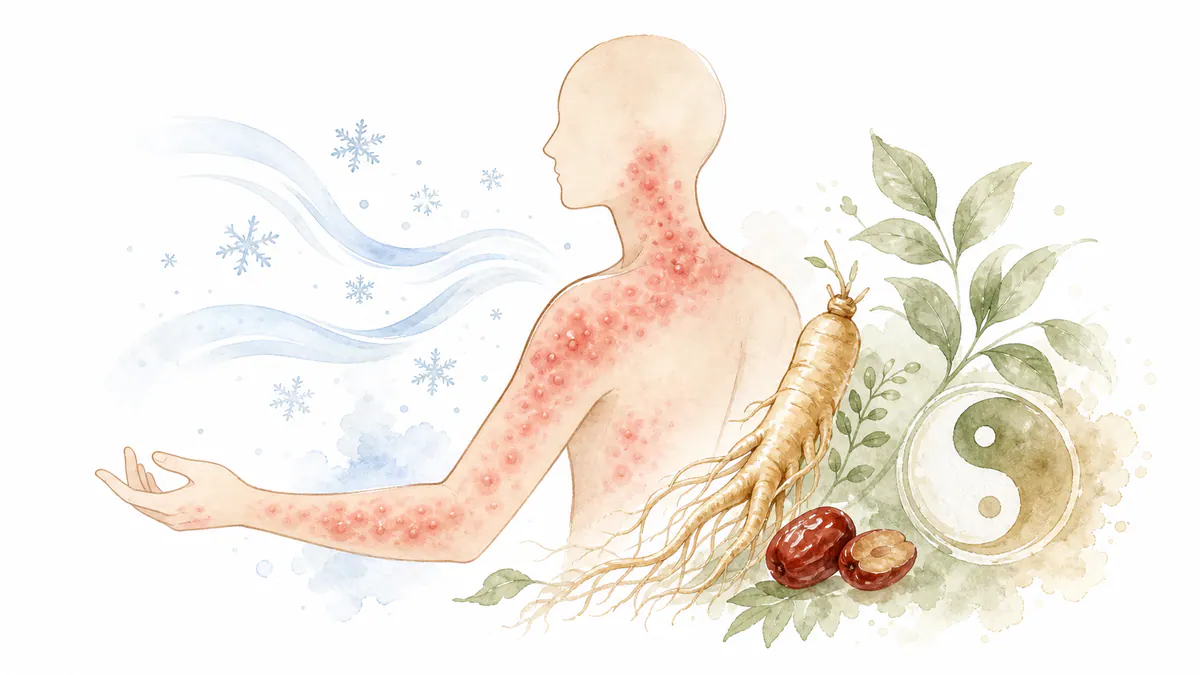
Small, dense wheals and redness
Multiple small wheals of about 1–4mm may appear, and the surrounding area may become red. Nearby wheals may merge, appearing as a wider area of swelling.
Cholinergic urticaria commonly presents as multiple small wheals (hives) about 1–4mm in size that appear within minutes after body temperature rises and sweating occurs due to exercise, hot environments, hot showers, spicy foods, or emotional stress. These wheals may be itchy, burning, or stinging, and can start on the torso and neck before spreading to the limbs and face. They usually subside quickly once the trigger is removed, but in rare cases, they may be accompanied by swelling of the lips or tongue, wheezing, difficulty breathing, dizziness, fainting, abdominal pain, or diarrhea. If you experience changes in breathing or consciousness, do not wait for skin symptoms to resolve; seek emergency evaluation immediately.
Cholinergic Urticaria Symptom Guide
Medical Evaluation Urgency by Symptom
| Observation | Possible Meaning | Action Now |
|---|---|---|
| Small itchy wheals after exercise or heat | Pattern of cholinergic urticaria | Medical evaluation after taking photos and recording triggers |
| Rash spreading from the torso and neck to the limbs | Typical distribution possible | Record duration and accompanying symptoms |
| Heat rash limited only to areas of skin contact | Other induced urticaria, such as heat urticaria | Differentiate through dermatology or allergy evaluation |
| Swelling of lips/tongue, wheezing, or difficulty breathing | Possible systemic reaction affecting the airway | Immediately go to the emergency room or call 119 |
| Dizziness, fainting, abdominal pain, and diarrhea | Possible severe systemic reaction | Immediate emergency evaluation |
What the clinic checks first
The core characteristic of cholinergic urticaria is the appearance of small, short-lived wheals immediately after a stimulus that induces sweating. However, since heat urticaria, exercise-induced anaphylaxis, and other types of hives can appear similar, triggers and systemic symptoms are distinguished during medical evaluation.
Multiple small wheals of about 1–4mm may appear, and the surrounding area may become red. Nearby wheals may merge, appearing as a wider area of swelling.
Along with visible wheals, you may experience itching, burning, or tingling sensations; please record these sensations occurring before and after the rash.
Lesions typically appear first on the torso and neck and may spread to the limbs and face. Please also mention if any areas, such as the palms or soles of the feet, are spared.
Check if wheals appear within minutes after sweating begins and subside relatively quickly after activity stops. If they persist for a long time, other causes will be considered.
If the rash is limited to skin that has come into direct contact with hot objects or heat, it may differ from cholinergic urticaria, which is linked to systemic sweating.
If hives occur during exercise along with difficulty breathing, low blood pressure, or fainting, a potentially life-threatening systemic reaction is evaluated first.
If wheals recur due to other stimuli such as pressure, cold, or sunlight, or without a clear trigger, a different type of urticaria is differentiated.
Rashes that last longer due to blocked sweat pores or infectious rashes may differ in progression and appearance, which are distinguished through a physical examination.
Note the exact time you started sweating due to exercise, heat, hot water, spicy food, or stress, and the time the wheals began to appear.
Since symptoms may disappear before your appointment, take photos of the small wheals and redness on your torso, neck, and limbs when it is safe to do so.
Record how long the lesions persist after you stop the triggering activity; however, do not intentionally repeat exercise or hot baths to attempt a self-diagnosis.
If your lips or tongue swell, your throat feels tight, or you experience wheezing and difficulty breathing, seek emergency care immediately as this may be anaphylaxis.
If you feel dizzy as if you might collapse or lose consciousness along with hives, do not travel alone; call 119 or seek help from an emergency room.
If abdominal cramps or diarrhea occur at the same time as skin symptoms, inform your medical provider so they can determine the extent of the systemic reaction.
Those who have experienced respiratory or circulatory symptoms should be evaluated by an allergy specialist before their next exercise session and follow their prescribed emergency plan.
Use photos and occurrence records to distinguish heat- and exercise-related reactions from other types of inducible urticaria.
At Baekrokdam, we only provide consultations for limited supportive care for recurring chronic discomfort after a diagnosis has been made and a plan for antihistamines and emergency medication is stabilized.
Consultation for Cholinergic Urticaria at Baekrokdam
If there is tightness in the throat, swelling of the tongue, wheezing, shortness of breath, or dizziness that feels like fainting, we will immediately connect you to emergency response.
We prioritize professional differentiation between cholinergic urticaria and other induced rashes by verifying the triggering scenario, onset time, photos, and duration.
To ensure the safety of using herbal medicine concurrently, please do not arbitrarily change your antihistamines or prescribed emergency medications and share all medications you are currently taking.
Please prepare information on triggering activities, the time you started sweating, photos of wheals, their distribution and duration, any respiratory, dizziness, or abdominal symptoms, and details of your allergy care and current medications.
When to seek urgent care
After a stimulus that causes sweating, small wheals may appear densely with surrounding redness, and the area may feel itchy or burning. It may start on the torso or neck and then spread.
They usually appear quickly after a trigger and subside relatively quickly once the activity stops. If they persist for a long time or show a different pattern, please differentiate them from other types of hives.
Stop exercising immediately. If you experience difficulty breathing, swelling of the tongue or throat, or dizziness, call 119 or go to the emergency room. Establish an emergency plan through professional medical evaluation before your next exercise.
Content reviewed:
This information supports, but does not replace, diagnosis or treatment by a qualified healthcare professional.