
Korean Medicine Treatment for Special Diseases & Burnout Syndrome
Burnout Syndrome · Occupational Burnout · Emotional Exhaustion· Burnout Syndrome
Incheon Songdo Baekrokdam Korean Medicine Clinic
Korean medicine treatment that creates the "strength to live again" by restoring autonomic nerves, cardiovascular health, and vital essence.
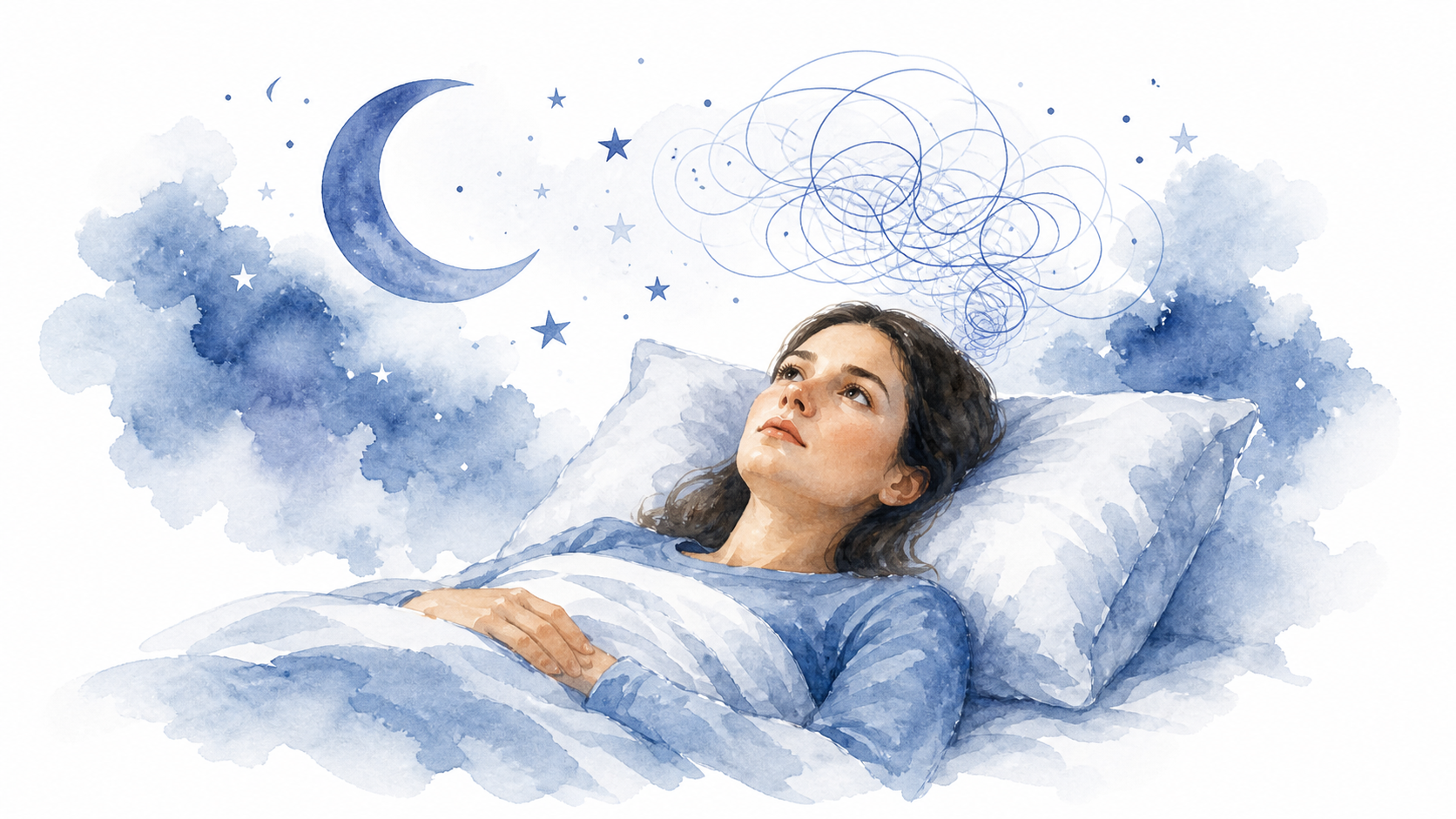
Does the commute suddenly turn into terror one day, and even simple tasks feel like a giant wall?Burnout, where both physical and mental fuel are exhausted, is not a simple lack of will, but a final SOS signal from your body. Do not worry and blame yourself alone. Baekrokdam will breathe life back into your extinguished vitality.
Burnout is a complex condition that causes an overall decline in physical function beyond simple mental fatigue. Baekrokdam Korean Medicine Clinic offers a systematic, customized Korean medicine solution through an integrated approach that replenishes depleted vital energy (Qi) and corrects misaligned blood circulation, helping you regain the joy of daily life and return to society healthily.
Core disease information at a glance
- Other names
- Burnout, Job Burnout, Emotional Exhaustion, Occupational Burnout, Burnout Syndrome
- Hanja
- 燃燒症候群
- Classification
- Work-related chronic stress response (Listed in WHO ICD-11)
- Main symptoms
- Emotional Exhaustion, Depersonalization (Numbness), and Reduced Achievement — 3 Axes
- Accompanying symptoms
- Chronic fatigue, Insomnia, Somatization (Headache/Digestion), Depression, Autonomic dysfunction
- Primary Affected Groups
- Office workers, teachers, medical staff, working moms, childcare providers, emotional laborers
- Traditional Korean Medicine Diagnosis
- Heart-Blood Deficiency + Kidney-Essence Deficiency + Liver Qi Stagnation + Autonomic Nervous System Imbalance
- Treatment
- Herbal medicine for autonomic/heart-blood/kidney-essence recovery + Rest guide + (If necessary) Western medicine collaboration
- Treatment Period
- Initial 3–6 months / Chronic 6–12 months
- Telemedicine
- Available (Tailored to work/schedule)
Commonly heard in the consultation room
Many patients visit with these symptoms
These are expressions often heard in the consultation room. If this sounds like you, you might want to suspect burnout syndrome.
Consult via non-face-to-face treatment →What is Burnout Syndrome?
Burnout Syndrome is a condition where the three-axis symptoms of "emotional exhaustion + depersonalization (numbness) + reduced personal accomplishment" caused by chronic stress from work or roles persist for more than 6 months. It is listed as an "occupational phenomenon" in the WHO ICD-11 and is particularly common among office workers, teachers, medical staff, working moms, and emotional laborers.
In Korean Medicine, burnout is viewed as'Deficiency of Heart-Blood + Deficiency of Kidney-Essence + Stagnation of Liver-Qi + Autonomic Nervous System Imbalance'a chronic combination of. Accumulated stress consumes heart-blood, weakens kidney-essence, and blocks liver-qi, creating a state where "recovery does not occur even with rest." Herbal medicine treats all of these in an integrated manner.
Let's address one misconception.Burnout is not a "lack of willpower."It is a deep change in the autonomic nervous system, endocrine system, and immunity; it is an area that requires physical recovery rather than overcoming it through willpower. Also, "quitting your job will cure it" is only partially true — chronic burnout takes time for the body to recover even after environmental changes.
In Western medicine, there is no standalone diagnosis, but it is listed as an "occupational phenomenon" in ICD-11, and accompanying depression, anxiety, and chronic fatigue syndrome are prescribed as separate diagnoses. Korean medicine views burnout itself through integrated pattern identification, so the direction of prescription is clear.
Medical Staff in Charge

Chief DirectorDr. Yeonseung Choe
The experience of pouring everything into work for 1-2 years and suddenly feeling "I can't do this anymore." Burnout syndrome, where fatigue persists even after sleep, work becomes numbing, emotions dull, and physical symptoms (headaches, indigestion, weakened immunity) surge, is not just "tiredness" but a total collapse of the autonomic nervous system, immunity, and endocrine system. Herbal medicine is a companion that restores the autonomic nervous system, cardiovascular health, and kidney essence to create the "strength to live again."
- Graduated from Gyeonggi Science High School
- Graduated from Kyung Hee University, Department of Pre-Korean Medicine
- Graduated from Kyung Hee University, College of Korean Medicine
- Current) Chief Director, Baekrokdam Korean Medicine Clinic
- Former) Chief Director, Miall Korean Medicine Clinic Incheon Songdo Branch
- Former) Director, Miall Korean Medicine Clinic Gangnam Main Branch
- Former) Chief Director, Dolbom Korean Medicine Clinic Seocho Main Branch
- [Books]
- Overcoming Polycystic Ovary Syndrome (PCOS)
- Overcoming Chronic Vaginitis - Symptoms, Causes, and Treatment
- Post-miscarriage Care as Important as Postpartum Care: Post-miscarriage Herbal Medicine A to Z
Burnout isChronic Stress + Lack of Recovery Opportunities + Individual Resiliencethe result of.
Main Causes of Burnout Syndrome — How It Accumulates
- 1 Chronic occupational stress
Accumulation of overwork, high intensity, and overload for over 1-2 years is the core cause.
- 2 Emotional labor
Cumulative burden of emotional suppression and absorbing others' emotions in roles like teachers, nurses, and customer service
- 3 Loss of sense of control
Lack of control over schedule and decision-making accelerates helplessness.
- 4 Lack of social support
If support from colleagues, family, or self-care is weak, recovery does not accumulate.
- 5 Hormonal fluctuations
The risk of burnout manifestation surges during pregnancy, postpartum, and menopause.
Burnout is3-axis symptoms + somatizationis diagnosed as.
Main symptoms of burnout syndrome — what patients actually feel
Emotional and cognitive domains
- Emotional exhaustion — depletion of emotions, feeling like there's nothing left to give
- Depersonalization (numbness) — cynicism, numbness, and detachment toward work and relationships
- Reduced personal accomplishment — loss of confidence and efficacy, helplessness
- Emotional blunting — emotional flatness where both joy and sadness are weakened
Somatization and immune domains
- Chronic fatigue (not relieved by sleep)
- Sleep disorders (difficulty falling asleep, early morning awakening)
- Headache, indigestion, abdominal pain
- Palpitations, autonomic dysfunction
- Frequent colds, weakened immunity
Burnout isSystemic physical symptoms come together.
If physical symptoms are present togetherIntegrative approach of Korean medicine is particularly effective.
Chronic burnout syndrome, Baekrokdam's approach
Summary— Burnout involves deep changes in the autonomic nervous and endocrine systems that cannot be recovered through rest alone. Herbal medicine restores the heart-blood, kidney essence, and autonomic nervous system to create a "body where rest works."
Why Baekrokdam focuses on herbal medicine
The goal of herbal medicine is not just to suppress external symptoms, but to create a body that recovers on its own without medication.
Burnout isAn area where Western medicine alone has no treatment. SSRIs only address comorbid depression, and Concerta only addresses comorbid ADHD. For the essence of burnout—chronic fatigue, autonomic collapse, and weakened immunity—Western medicine has few answers beyond "get some rest."
Herbal medicine directly restores the autonomic nervous system, heart-blood, and kidney essence. If Western medicine is "symptom-specific blocking," herbal medicine is "rebuilding the body's own resilience." It creates a body where rest works, building a foundation so that burnout does not recur even when returning to the same work or relationships.
Why it doesn't show up well on tests
Tests look at numerical values and structures, but the essence is often a 'body imbalance' that is not easily caught by tests.
Western medical tests (fatigue scale, MBI burnout inventory)Severity of symptomslook at these, but they do not comprehensively examine autonomic nervous system status, endocrine, and immune patterns. That's why the question "Why am I so tired when the tests are normal?" remains.
Korean medicine'Deficiency of Heart-Blood + Deficiency of Kidney-Essence + Stagnation of Liver-Qi + Autonomic Nervous System Imbalance'is diagnosed as a chronic combination of. We design the person's recovery path by synthesizing emotional, sleep, digestive, and immune status.
So how do we treat it — Baekrokdam's method
We examine the whole body through medical inquiry, pulse diagnosis, and abdominal diagnosis, and resolve the root cause together with herbal medicine.
We look at the mind, body, relationships, and environment as a whole. The combination of rest and herbal medicine is key.
- Burnout self-diagnosis + Pattern identification— MBI scale, symptom patterns, autonomic nervous system status, and assessment of comorbid depression/anxiety
- Pattern-specific herbal medicine— Recovery of autonomic nervous system, endocrine, and immunity through prescriptions tailored to the ratios of Heart Blood Deficiency, Kidney Essence Deficiency, and Liver Qi Stagnation
- Rest and environment guide— Proceeding with herbal medicine along with guides for phased leave of absence, work adjustment, and organizing interpersonal relationships
On top of thisAcupuncture treatment(GV20, HT7, CV4, KI3) andSleep and diet guideare performed in parallel to accelerate the recovery speed.
Clinical Pattern Differentiation of Burnout Syndrome
Burnout also has different roots for each patient. It is largely divided into 4 types.
Heart-Blood Deficiency Type心血不足
Those with prominent insomnia, palpitations, memory loss, and emotional numbness
Treatment Direction: Nourishing Blood and Calming the Mind(補血安神)
Kidney-Essence Deficiency Type腎精不足
Those whose core symptoms are deep lethargy, loss of motivation, and chronic fatigue (especially during menopause)
Treatment Direction: Tonifying the Kidney and Benefiting the Essence(補腎益精)
Liver Qi Stagnation Type肝氣鬱結
Those with prominent anger and frustration due to emotional labor and relationship stress
Treatment Direction: Soothing the Liver and Relieving Stagnation(疏肝解鬱)
Spleen-Stomach Deficiency Type脾胃虛弱
Those with weak digestion, appetite fluctuations, and chronic fatigue (especially working moms/childcare)
Treatment Direction: Strengthening the Spleen and Benefiting Qi(健脾益氣)
Adjusting the proportion according to the patient's stage,Autonomic nervous system, emotional, and physical recovery every 2–4 weeksAdjust the prescription by checking .

Progress of Burnout Syndrome Treatment by Stage
- Months 1–2 — Diagnosis and Emergency Stabilization
Soothe current exhaustion and begin the rest guide.
- Establish herbal medicine intake and soothe emergency symptoms (insomnia, palpitations, indigestion)
- Guide for short-term leave or work adjustment if necessary
- Sleep recovery clearly begins
- Months 2–6 — Autonomic nervous system and endocrine recovery
A period to create a "body where rest works" through the recovery of heart-blood and kidney-essence.
- Chronic fatigue recovers and rest becomes effective
- Emotional blunting softens and interest in work and relationships returns
- Physical symptoms (headache, digestion, immunity) stabilize
- Months 6–12 — Return to daily life and prevention of recurrence
This is the stage of building a foundation so that burnout does not recur even when returning to work or the same environment.
- Check if stability is maintained even after gradual reduction of herbal medicine
- Block recurrence by supplementing constitutional weaknesses (heart-blood, kidney-essence, liver-qi)
- Establishment of work, relationship, and self-care patterns
Burnout treatment consists of 4 stages: diagnosis, stabilization, recovery, and prevention of recurrence.
Chronic burnout (1 year or more) or comorbid depression, menopause, or postpartumisLong-term comorbidity of 1 year or moremay be needed.

Consult comfortably via non-face-to-face services for your current concerns.Herbal medicine prescriptions are available anywhere in the country.
A period to create a "body where rest works" through the recovery of heart-blood and kidney-essence.
Chronic burnout (1 year or more) or comorbid depression, menopause, or postpartumisLong-term comorbidity of 1 year or moremay be needed.
Conditions often confused with burnout syndrome
Burnout needs to be differentiated from other chronic fatigue and mental health disorders.
Unexplained fatigue for over 6 months. Burnout has job stress as a clear cause.
Emotional disorder unrelated to environment. Burnout recovers to some extent when away from work.
Overlaps with somatization of burnout. Managed together through an integrated Korean medicine approach.
Chronic fatigue due to cortisol deficiency. Often accompanies burnout — Korean medicine integration possible.
Similar chronic fatigue and emotional blunting. Differentiation via Western medical tests is essential.
Burnout syndrome treatment reviews
Burnout Syndrome Frequently Asked Questions
I can't take a break from work right now; will treatment help improve my work efficiency?
In Oriental medicine, burnout is viewed as 'Qi and Blood Deficiency,' a state of depleted energy. Forcing operation without fuel not only reduces efficiency but also damages the body's self-healing power. At Baekrokdam, we replenish deficient vital energy (Jeong-gi) and facilitate the flow of blocked energy, creating a physical foundation that allows you to focus on work naturally rather than just enduring it. While rest is best, if you cannot rest, Oriental medicine treatments that increase the body's resilience can be of practical help.
Herbal medicine is a financial burden; does it have a long-term effect on preventing recurrence?
Burnout is very likely to recur if the environment does not change. Oriental medicine treatment does not simply suppress symptoms temporarily but focuses on strengthening the energy of the 'Heart and Gallbladder (Sim-dam)' to resist stress. Customized herbal medicine tailored to your constitution reinforces 'Heo-ro' (consumptive disease), the root cause of chronic fatigue, building physical durability to overcome daily stress on your own even after treatment. This can be an economical choice in the long run by reducing frequent hospital visits and work absences.
I can't sleep even after taking sleep inductors; can Oriental medicine improve the quality of my sleep?
Sleep inductors force the brain to suppress activity to induce sleep, but you may feel less refreshed after waking up. In Korean medicine, this is viewed as 'deficiency of both the heart and spleen' or 'deficiency of the heart and gallbladder with fear,' and treatment is provided to stabilize the anxious mind and replenish deficient blood (血). Rather than artificial suppression, it creates an environment where the body can fall into a deep sleep on its own, helping to restore sleep rhythms and regain vitality even in irregular lifestyles such as shift work.
I thought it was a psychological issue, but is severe neck and shoulder pain also a symptom of burnout?
Yes, that's correct. Burnout is often accompanied by somatic symptoms. Excessive psychological tension causes 'liver qi stagnation,' which contracts muscles throughout the body and creates chronic pain. Heavy pain in the neck and shoulders and headaches are danger signals from the mind. At Baekrokdam, we perform integrated treatment that physically relaxes tense muscles with acupuncture and pharmacopuncture, and lowers internal fire (火) with herbal medicine to manage both physical pain and psychological anxiety simultaneously.
I am taking Western antidepressants or anti-anxiety medications; is it okay to combine them with Korean medicine treatment?
Yes, they can be taken together. Western medicine has strengths in acute emotional regulation, while Korean medicine is effective for restoring systemic vitality and alleviating side effects such as dry mouth and indigestion caused by medication. Baekrokdam establishes a complementary Korean medicine treatment plan considering the medications you are currently taking. Especially for those who want to gradually reduce drug dependency, Korean medicine treatment is an excellent partner that enhances the body's self-healing power.
How does Korean medicine diagnose burnout and determine the direction of treatment?
Baekrokdam performs objective tests such as stress index measurement along with pulse and tongue diagnosis. We define burnout not as simple fatigue but as the 'loss of vital energy (精氣),' and provide 1:1 customized treatment according to individual pattern identification, such as 'liver qi stagnation type' where stress is stagnant, or 'heart-spleen deficiency type' where nutrition and blood are lacking. Beyond simple advice to rest, Baekrokdam's treatment goal is to directly provide the energy needed to stand up again.
How do you distinguish between burnout syndrome and depression?
Burnout syndrome is primarily caused by emotional exhaustion occurring in the context of excessive work or specific stressful situations. While depression is a state of losing motivation in overall daily life, burnout syndrome is characterized by a sharp drop in work efficiency and becoming uniquely cynical only about one's job. However, if lethargy in office workers becomes prolonged, it can transition into depression, so it is important to find peace of mind and body through Korean medicine treatment.
My body feels heavy and it's so hard to wake up in the morning; is this also a symptom of burnout?
It might not just be a lack of sleep, but a typical physical signal that appears when mental and physical exhaustion deepens. In a state of adrenal fatigue syndrome where the body's energy is depleted, fatigue does not easily resolve even with sufficient rest, and the body feels incredibly heavy every morning. In such cases, it is helpful to gradually adjust the collapsed condition through herbal medicine or acupuncture treatment that replenishes vitality and balances the autonomic nervous system.
Special conditions to consider alongside burnout syndrome
These are chronic diseases that often appear with or are easily confused with burnout.