BRD Clinic
Only people currently living in Korea with their own Korean 010 mobile number can apply. Overseas residents are not eligible.

Chronic Fatigue Syndrome Treatment: Management to Reduce Post-Exertional Malaise and Herbal Medicine Support

Since there is no single treatment that guarantees a complete cure for Chronic Fatigue Syndrome, the standard approach is to prioritize managing the most debilitating symptoms. To reduce Post-Exertional Malaise (PEM), 'pacing'—which involves identifying individual activity limits and balancing rest and activity—is recommended, while comorbid issues such as sleep, pain, and orthostatic intolerance are addressed individually. In this process, Baekrokdam tracks the patterns of post-exertional worsening and sleep recovery, utilizing Korean herbal medicine in a supportive role to aid recovery.

Actual Treatment Flow

Chronic Fatigue Syndrome: Illustration for this condition

Key points

  1. 1As there is no definitive cure for Chronic Fatigue Syndrome, activity management to reduce Post-Exertional Malaise (PEM) is the foundation of treatment.
  2. 2Prioritize managing the most severe symptoms, such as sleep, pain, and orthostatic intolerance; high-intensity exercise based on standards for healthy individuals may actually be harmful.
  3. 3Baekrokdam tracks patterns of post-exertional worsening and decreased sleep recovery, using Korean herbal medicine as a supplement to help reset the body's recovery limits.

Approach based on symptom patterns

Check which type your symptoms are closest to

The primary discomfort of Chronic Fatigue Syndrome varies from person to person. Compare the three patterns below to identify the type closest to your experience. Depending on the type, the priority symptoms to manage and the focus of care at Baekrokdam will differ.
Main PatternDifficulties in Daily LifeFocus of Care at Baekrokdam
Poor Sleep Recovery TypeDo not feel refreshed after sleep, struggle in the morning, and feel sleepy during the dayTrack the relationship between sleep quality and worsening of symptoms after activity
Post-exertional malaise typeSymptoms rebound significantly even after minor activityIdentify and manage individual activity limits
Multi-symptom typeDaily life is limited by overlapping dizziness, cognitive decline, and painPrioritize symptoms to determine the order of management
Mixed typeThe above patterns overlap and symptoms fluctuateRecord symptom changes to reduce rebound effects

What the clinic checks first

Does increasing exercise unconditionally speed up recovery?

In ME/CFS, symptoms can worsen after physical or cognitive activity that exceeds an individual's limits. Rather than uniformly applying high-intensity exercise based on healthy standards, it is important to practice pacing—recording activity and rest to find a range that does not cause a rebound effect.

More detail

Treatment Basics: Activity Management to Reduce Post-Exertional Malaise

What is PEM?

Post-Exertional Malaise (PEM) is a pattern where symptoms worsen following physical or cognitive activity. Recording which activities cause which symptoms to worsen and how long recovery takes helps in determining individual activity limits.

Pacing: Balancing Activity and Rest

Pacing is a method of identifying individual physical and cognitive activity limits and adjusting activity and rest within those boundaries. The key is to maintain a consistent daily activity level to avoid a 'crash' or rebound effect after excessive activity.

Avoiding Forced Exercise as Treatment

Standard high-intensity exercise prescriptions for healthy individuals can be harmful in cases of Chronic Fatigue Syndrome. While exercise is not completely forbidden, it must be approached individually within a range that does not exacerbate symptoms.

Priority Symptom Management: Sleep, Pain, and Orthostatic Intolerance

Sleep Issues

Non-restorative sleep is a core symptom of Chronic Fatigue Syndrome. If you have difficulty falling asleep or wake up frequently, check your sleep hygiene and seek a separate evaluation for sleep disorders if necessary.

Pain Management

If muscle or joint pain is present, we examine the impact of pain on activity levels and sleep. While prioritizing the most severe symptoms, we separately record whether post-exertional worsening increases.

Orthostatic Intolerance

If you experience dizziness or heart palpitations when standing up, we evaluate other causes, including orthostatic intolerance. If you experience fainting, chest pain, or severe palpitations, do not dismiss them as chronic fatigue and prioritize related medical evaluation.

Baekrokdam's Supportive Korean Herbal Medicine Approach

Treatment Without Promises of a Complete Cure

Baekrokdam does not view Chronic Fatigue Syndrome as a simple 'matter of resting.' Our goal is to distinguish between changes caused by sleep, anemia, thyroid issues, or post-infection, as well as patterns of post-exertional worsening, to reset the body's recovery limits.

The Supportive Role of Korean Herbal Medicine

Korean herbal medicine plays a supportive role in aiding recovery while maintaining activity management and priority symptom care. The primary symptoms we focus on vary depending on whether the patient is the sleep-recovery deficit type, the post-exertional worsening type, or the multi-symptom type.

Using Short-lived Treatment Responses as Clues

If previous treatments provided only short-lived or insufficient responses, those experiences serve as clues for medical evaluation. We review which treatments were effective to what extent and which symptoms remain.

Treatment and follow-up

Among those who visit a Korean medicine clinic for 'Chronic Fatigue Syndrome,' many have already tried medications and lifestyle management, only to find that their discomfort returns after a brief period of relief. Baekrokdam does not look at a single isolated symptom. We examine the overall flow—how worsening symptoms after activity, unrefreshing sleep, and cognitive decline overlap, leading to a rebound when an individual's activity limit is exceeded. Rather than promising a specific cure, our treatment centers on maintaining activity regulation and managing priority symptoms such as sleep and pain, while providing supportive Korean herbal medicine to aid recovery. We verify the effectiveness of the treatment through changes felt in daily life, such as post-exertional malaise, sleep, concentration, and daily activity levels.

Options to discuss

We examine the sequence in which discomfort begins

We do not use the same prescription just because the diagnosis is the same. We examine the sequence leading to your current discomfort: when it started, what made it worse, and the flow of how post-exertional malaise, unrefreshing sleep, and cognitive decline overlap to cause a rebound when your activity limit is exceeded.

Korean herbal medicine is tailored to current symptoms

The same symptom manifests differently in every person. We distinguish whether you primarily exhibit the sleep recovery deficiency type (unrefreshing sleep and morning struggles), the post-exertional malaise type (significant rebound after minor activity), or the multi-symptom type (daily life limited by overlapping dizziness, cognitive decline, and pain), and we adjust the Korean herbal medicine prescription as we observe how your body changes.

We do not discard previous treatments

We listen carefully to what improved and what remained after previous treatments. Experiences where you did not recover as expected also serve as important clues to find where causes overlap and to set priorities for the next treatment.

Limits and cautions

When relief occurs only while taking medication and then recurs

Rather than the fact that there was a brief improvement, we look at how long the comfortable state lasted and which discomforts returned first after reducing or stopping the medication. The clue to the recurrence lies in that sequence.

When a single symptom disrupts daily life

If changes in sleep, digestion, diet, or activity have occurred alongside 'Chronic Fatigue Syndrome' symptoms, please do not endure them separately. Knowing what was uncomfortable first and how daily life changed afterward makes it easier to determine what to prioritize in treatment.

When you are unsure what needs to improve

We do not rely solely on the feeling that 'it seems a bit better.' Before treatment, we record the following changes: post-exertional malaise, sleep, concentration, and daily activity levels. We continue or adjust the prescription while reviewing these actual changes together.

What to track

  • Weekly changes: post-exertional malaise, sleep, concentration, and daily activity levels
  • The most difficult time of day and the activity performed at that time
  • Frequency of existing medication or management needed, and the duration of comfort
  • The flow of how discomfort increases and then subsides after sleep, meals, or activity
  • Newly developed symptoms or changes in previous patterns

How Baekrokdam approaches care

At Baekrokdam, we center our treatment on the evaluation of other treatable causes, pacing, and the management of priority symptoms such as sleep and pain. We carefully analyze the flow of post-exertional malaise, unrefreshing sleep, and cognitive decline, and we coordinate Korean herbal medicine treatment as a support that does not compromise these standard management practices or the individual's energy limits. Acupuncture and lifestyle adjustments are also integrated only as much as necessary, while ensuring that post-exertional rebounds do not increase.

  • When the discomfort first began and the most difficult moment of the day
  • Medications, procedures, and lifestyle management used so far, and the duration of comfort
  • Whether your actual symptoms are closer to: the 'poor sleep recovery type' (not feeling refreshed after sleep and struggling in the morning), the 'post-exertional malaise type' (symptoms rebounding significantly after minor activity), or the 'multi-symptom type' (daily life limited by a combination of dizziness, cognitive decline, and pain).
  • Whether your symptoms change in conjunction with changes in sleep, diet, digestion, or activity levels.
  • Changes to record starting before treatment include post-exertional malaise, sleep, concentration, and the amount of daily activity.

Addressing recurring patterns with herbal medicine

We do not define the pattern of symptoms—where post-exertional malaise, unrefreshing sleep, and cognitive decline overlap and cause a rebound when individual activity limits are exceeded—by a uniform constitutional type. We determine the direction of the herbal medicine prescription by looking at your most distressing symptoms and your current life rhythm.

Acupuncture treatment connected to specific discomforts

Acupuncture is not a process added identically for everyone. We identify areas where tension and sensitivity are prominent, as well as discomforts that interfere with sleep and activity, and integrate acupuncture with herbal medicine as needed.

Adjusting prescriptions based on the body's response

The changes to be monitored from before treatment are as follows: post-exertional malaise, sleep, concentration, and the amount of daily activity. We adjust the proportion of herbal medicine and acupuncture treatments by observing whether the amount of comfortable time increases or whether existing management becomes less necessary.

New neurological abnormalities, chest pain, shortness of breath, unexplained fever, weight loss, or thoughts of self-harm should not be dismissed as chronic fatigue and must be evaluated immediately. For acute worsening, infections, structural issues, or emergency signals, examinations and standard treatments from the relevant medical departments take priority. Herbal medicine treatment is not an alternative therapy that arbitrarily replaces existing medications or guarantees results in advance. Please share your current medications and test results; if there is no measured response or if symptoms worsen, the diagnosis and treatment direction will be re-evaluated.

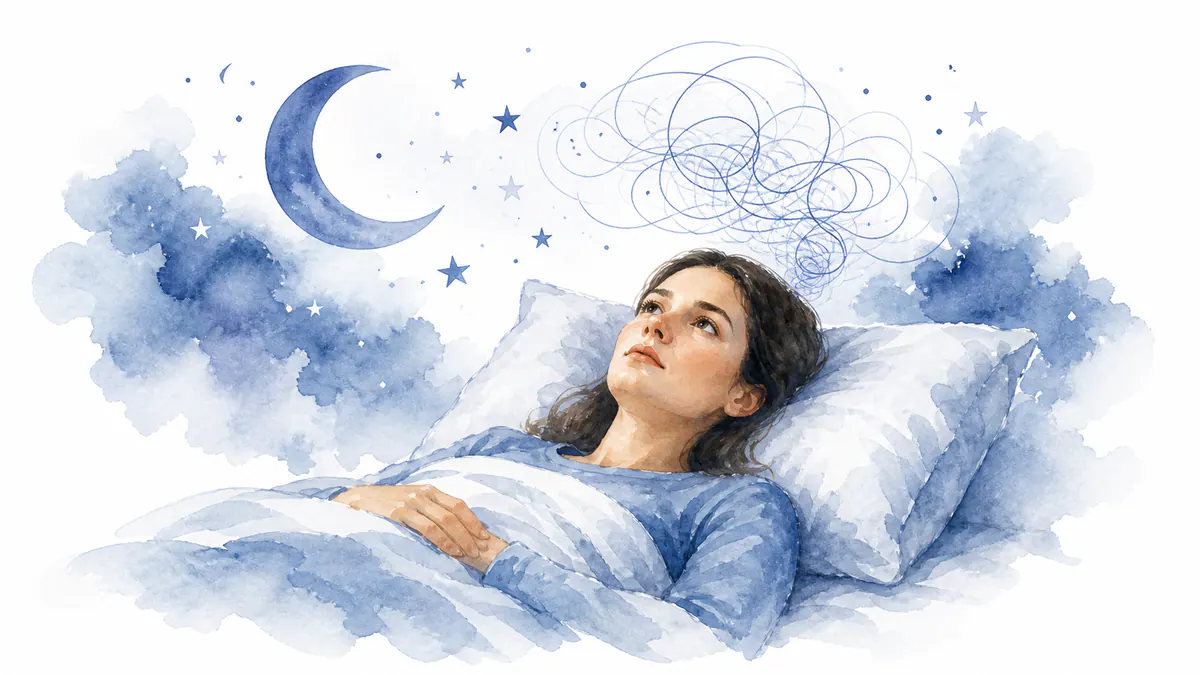
At Baekrokdam, we do not resolve Chronic Fatigue Syndrome through a single diagnosis or a list of prohibitions.

Chronic Fatigue Syndrome treatment: examining what to verify regarding your symptoms

You may have been searching for answers because 'I don't feel refreshed even after sleeping, and it's hard to wake up in the morning.' If these changes occurred suddenly, please first verify the necessary tests and medical evaluations. If the symptoms are long-term or recurring, we will examine the responses before and after treatment as well as remaining daily discomforts to decide together what to manage or treat first.
01 · Please let us know first

The most difficult moments and when it first began

Please record and bring the duration and response to any treatments already received, the reasons for discontinuation, current medications, and the situations where you feel the most discomfort.

02 · Things to verify first

Whether symptoms appeared suddenly, or are long-term/recurring

We first distinguish between danger signals and conditions that may appear similar, such as the 'poor sleep recovery type' (unrefreshing sleep and difficult mornings), the 'post-exertional malaise type' (significant rebound after minor activity), or the 'multi-symptom type' (daily life limited by dizziness, cognitive decline, and pain). In clinical practice, the sequence is: first, test for causes such as anemia, thyroid issues, sleep disorders, inflammation, or medication $ ightarrow$ then, manage priority symptoms while adjusting activity and rest within current energy limits $ ightarrow$ finally, track the amount of possible daily activity within a range that does not cause a rebound. New neurological abnormalities, chest pain, shortness of breath, unexplained fever, weight loss, or thoughts of self-harm should not be dismissed as chronic fatigue and must be evaluated immediately. For long-term or recurring cases, we examine the diagnosis, response to previous treatments, and the impact on daily life together.

03 · Baekrokdam Consultation

Reviewing previous treatments and remaining discomforts

If discomfort persists even after acute risks are resolved, if there is an insufficient response to existing Western medical treatments, or if options are limited due to side effects, contraindications, or the burden of medication, we review the frequency of symptoms, sleep, activity, and treatment history. At this time, we explain the context and limitations of considering herbal medicine as a concurrent or separate option; we do not promise specific effects or suggest the arbitrary discontinuation of existing medications.

If it is still unclear what to change first in your case after reading the information on Chronic Fatigue Syndrome, please come for a consultation with your treatment history, responses, side effects, current symptoms, test results, and current medications. After the consultation, we will together monitor changes in post-exertional malaise, sleep, concentration, and the amount of daily activity.

Frequently asked questions

Can Chronic Fatigue Syndrome be completely cured?

Currently, there is no single treatment that completely cures Chronic Fatigue Syndrome. Instead, the standard of care is to maintain daily functioning through activity pacing to reduce post-exertional malaise (PEM) and by managing priority symptoms such as sleep and pain. At Baekrokdam, we consider supportive Korean herbal medicine treatment to assist in this process.

Can exercising actually make my condition worse?

High-intensity exercise prescriptions designed for healthy individuals can worsen symptoms in those with Chronic Fatigue Syndrome. Rather than forcing a set amount of exercise, you should record changes in symptoms following physical and cognitive activities to adjust activity and rest within your individual energy limits.

Which symptoms does Korean herbal medicine help with?

At Baekrokdam, we use Korean herbal medicine as a supportive treatment depending on the pattern: poor sleep recovery, post-exertional malaise, or multi-symptom types involving dizziness, cognitive decline, and pain. While herbal medicine does not guarantee a complete cure, it plays a role in aiding recovery while maintaining activity pacing and priority symptom management. Please discuss your current symptoms and any previous treatments during your consultation.

Can Chronic Fatigue Syndrome be confirmed with a single test?

There is no single specific test to screen for or confirm ME/CFS. We evaluate symptoms, changes in activity capacity, medical history, and physical examinations, and use blood and urine tests to rule out other conditions that cause similar fatigue. Even after a diagnosis, if new symptoms or functional changes occur, we must re-examine whether there are other treatable conditions coexisting.

Sources

  1. CDC — Manage ME/CFSAbsence of a curative treatment for ME/CFS and principles of priority symptom and activity management
    Open source
  2. CDC — Diagnosing ME/CFSAbsence of a specific test for ME/CFS and principles of excluding similar diseases
    Open source
  3. Centers for Disease Control and Prevention (CDC) — ME/CFSPost-exertional malaise, non-restorative sleep, and cognitive or orthostatic symptoms
    Open source

Content reviewed:

This information supports, but does not replace, diagnosis or treatment by a qualified healthcare professional.

The clinic is outside telephone hours

You can leave your inquiry now.

Leave an inquiry Call anyway