Only people currently living in Korea with their own Korean 010 mobile number can apply. Overseas residents are not eligible.
Peripheral Neuropathy Treatment: Distinguishing Between Correcting Causes and Managing Neuralgia and Gait
Treatment for peripheral neuropathy begins by correcting identified causes such as diabetes, vitamin deficiencies, causative medications, compression, or immune diseases. For neuropathic pain, medications from different classes than general painkillers or topical treatments are used. For muscle weakness and balance or gait issues, rehabilitation therapy, orthotics, or foot protection may be necessary. Do not arbitrarily discontinue causative medications or pain medications. Sudden paralysis, bowel or bladder dysfunction, or sensory abnormalities on one side of the body require an emergency neurological evaluation first.
Peripheral Neuropathy Treatment Guide
Key points
1First, treat identified causes such as diabetes, nutrition, medication, or compression.
2Treat pain, sensory loss, and muscle/gait issues separately.
3Immediately evaluate rapid paralysis, bowel/bladder dysfunction, or symptoms on one side of the body.
Treatment Options
Treatment roles are divided based on the cause and the damaged nerve function
We manage the cause and function together rather than simply lowering the pain level.
Current Situation
Priority Treatment
Scope of Care at Baekrokdam
Diabetes or nutritional deficiency confirmed
Blood glucose management, deficiency supplementation, and foot care
Maintaining cause-based treatment and consultation on sleep and sensory changes
Started after using a causative medication
Review possibility of medication adjustment with the prescribing physician
Recording remaining discomfort while following the medication plan
Neuropathic pain is the primary symptom
Adjust pain medication and local treatments starting from low doses
Consider combining Korean herbal medicine treatment with management of nighttime pain and sleep
Decrease in muscle strength, balance, and gait occurs first
Neurological care, rehabilitation, assistive devices, and fall prevention
Consultation on maintaining rehabilitation and recovery after activity
What the clinic checks first
Can peripheral neuropathy be cured by taking only blood circulation medication?
Peripheral neuropathy has various causes, including diabetes, nutritional deficiencies, medications, compression, and immune diseases. The cause must be identified, and pain, sensation, and muscle strength issues must be treated individually.
More detail
Correct Identified Causes First
Manage Diabetes and Metabolic Status
Managing blood glucose within a safe range helps slow the progression of diabetic neuropathy and reduce the burden of symptoms.
Identify Nutritional Deficiencies and Causative Medications
Deficiencies such as Vitamin B12 are treated with necessary supplementation, and possibilities related to medication should be discussed with the prescribing medical staff for alternatives or adjustments.
Compression and Immune Causes Require Different Treatments
Local nerve compression may require orthotics or rehabilitation, while immune-mediated neuropathy may require immunotherapy; therefore, the specific cause must be diagnosed.
Manage Pain and Functional Decline Separately
Adjust Neuropathic Pain Medication Starting from Low Doses
Medications such as amitriptyline, duloxetine, pregabalin, and gabapentin are adjusted by medical staff based on efficacy and side effects such as drowsiness or dizziness.
Consider Topical Patches or Ointments for Localized Pain
If the area of pain is limited, topical treatments such as lidocaine or capsaicin are considered.
Protect Muscle Strength and Gait with Rehabilitation and Orthotics
Physical therapy, orthotics, and walking aids are used for ankle weakness and decreased balance, and feet with diminished sensation should be checked daily for wounds.
Address Remaining Discomfort at Baekrokdam After Primary Treatment
Maintain Neurology and Internal Medicine Treatment
Do not arbitrarily change the treatment plan for blood glucose medications, pain medications, or the underlying disease, and share recent test results.
Korean Herbal Medicine Treatment Categorizes Pain, Sensation, and Sleep
We determine the scope of combined treatment by identifying which symptoms remain among nighttime burning sensations, sensory loss with nighttime awakenings, or difficulty walking.
Re-verify the Cause if There Is No Functional Change
Compare not only pain but also the range of sensation, muscle strength, balance, gait, and foot wounds; if symptoms worsen, move up the neurological evaluation.
Treatment and follow-up
The treatment of 'peripheral neuropathy' requires looking at both the response to the cause-based treatment and the remaining discomfort. Baekrokdam examines the progression where blood sugar, nutrition, and medication effects overlap with the decline of sensory and motor functions in peripheral nerve damage. While maintaining neurological and internal medicine examinations, cause-based treatment, and rehabilitation, we consider combining Korean herbal medicine treatment within a scope that helps with nerve hypersensitivity and recovery. Response is determined by the range of numbness and pain, as well as sensory, muscle strength, balance, and gait functions.
Options to discuss
First, confirm the cause-based treatment and the response
We confirm the cause, the start date of treatment, and any improvements or remaining changes, and examine the chronological flow of how blood sugar, nutrition, and medication effects overlap with the decline of sensory and motor functions in peripheral nerve damage.
Korean herbal medicine treatment is tailored to the remaining discomfort
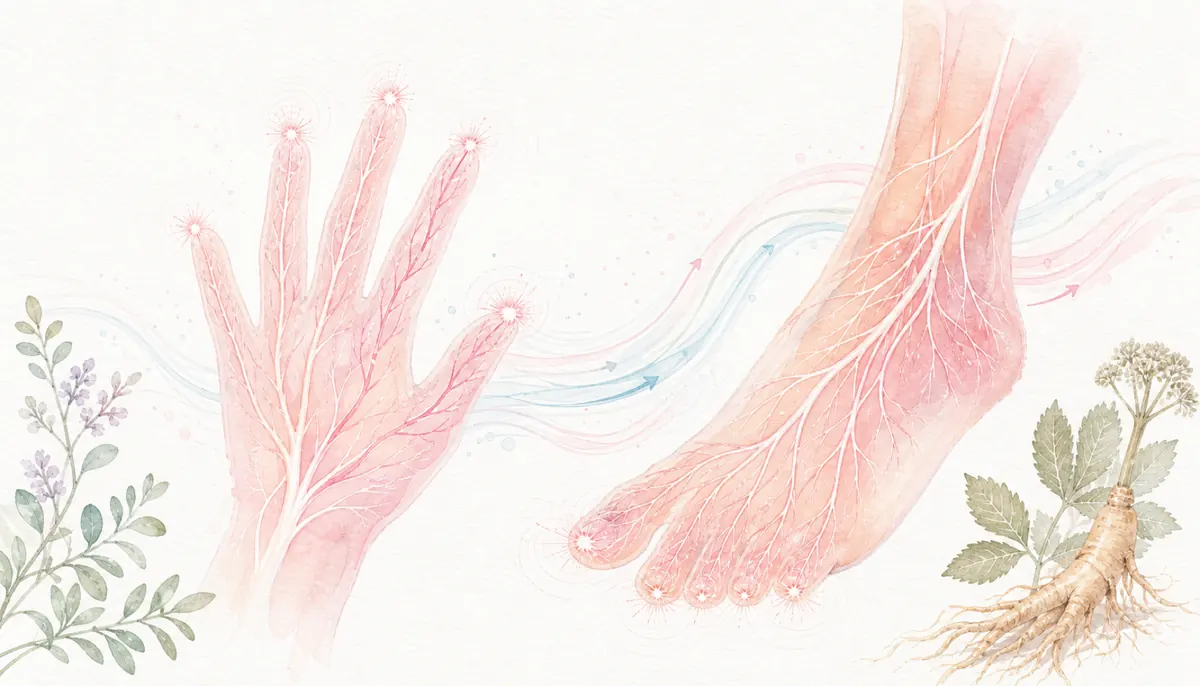
We distinguish between the most prominent patterns—metabolic/diabetic type (rising symmetrically from the tips of both feet), toxic type (burning sensations and sensory loss following medication), or compressive/local type (loss of strength along a single nerve path)—and adjust the scope of treatment without arbitrarily changing existing medications.
Adjust the direction based on functional records
By comparing the range of numbness and pain, and sensory, muscle strength, balance, and gait functions using the same criteria, we re-verify the diagnosis and neurological care plan if there is no change or if the condition worsens.
Limits and cautions
When pain has decreased but sensory issues remain
Since the speed of pain reduction and the recovery of sensation and muscle strength may differ, each is recorded separately, and the risk of foot wounds and falls is continuously monitored.
When side effects or burdens of medication occur
Do not stop pain medication or cause-based medication on your own; first adjust them with the prescribing medical staff and review all medications being taken.
When there is no expected change in function
If there is no change or new weakness in the range of numbness and pain, or in sensory, muscle strength, balance, and gait functions, the cause is re-evaluated rather than repeating the same treatment.
What to track
Weekly changes: range of numbness/pain, sensory, muscle strength, balance, and gait function
Current treatment and the timing of start or changes
Changes in nighttime pain and sleep
New weakness and daily functioning
Recent examinations and medical appointment schedule
How Baekrokdam approaches care
In Baekrokdam's peripheral neuropathy care, we analyze the flow where blood sugar, nutrition, and medication effects overlap with the decline of sensory and motor functions in peripheral nerve damage. While the goal of Korean herbal medicine treatment is to support nerve recovery and reduce hypersensitivity while maintaining cause correction and rehabilitation, it does not replace the examination or standard treatment for acute neurological deterioration.
Timing of diagnosis and distribution of symptoms
Medications and rehabilitation received, along with effects and side effects
Recent examinations and the plan for the underlying cause
Whether the pattern is closer to metabolic/diabetic type (rising symmetrically from the tips of both feet), toxic type (burning sensations and sensory loss following medication), or compressive/local type (loss of strength along a single nerve path)
Follow-up changes: range of numbness/pain, sensory, muscle strength, balance, and gait function
Examine recurring patterns with Korean herbal medicine
Rather than concluding based on a specific constitution type, we look at the cause-based treatment and functional changes together with the flow of how blood sugar, nutrition, and medication effects overlap with the decline of sensory and motor functions in peripheral nerve damage.
Acupuncture treatment is linked to the necessary discomfort
If pain and tension interfere with sleep or daily activities, we provide the necessary care while avoiding areas of sensory loss and ensuring safety.
Adjusting prescriptions based on measured function
We compare the range of numbness and pain, as well as sensory, muscle strength, balance, and walking functions; if symptoms worsen, we do not insist on the current prescription and instead re-discuss the neurological care plan.
Rapidly progressing paralysis, bowel or bladder dysfunction, sensory abnormalities on one side of the body, and foot wounds suspected of infection require prompt professional evaluation. For acute worsening, infections, or structural issues, examinations by the relevant medical department and standard treatments take priority; Korean herbal medicine is not a substitute treatment that arbitrarily replaces existing medical care.
Baekrokdam's perspective on treating peripheral neuropathy
Maintaining cause-based treatment while addressing pain, sensation, and mobility
Rapidly progressing paralysis, bowel or bladder dysfunction, sensory abnormalities on one side of the body, and foot wounds suspected of infection must first be addressed with neurological examinations and standard treatments. If numbness, burning sensations, or sensory loss persist chronically even after treating the cause, you may consult Baekrokdam regarding the scope of concurrent Korean herbal medicine treatment.
01 · Initial Check
Screening for rapidly progressing weakness first
If paralysis, bowel/bladder dysfunction, or symptoms on one side of the body occur suddenly, do not wait for an appointment and seek a neurological evaluation immediately.
02 · Treatment Coordination
Reviewing cause-based treatment and function
We review causes related to blood sugar, nutrition, or medication, as well as responses to pain medication and rehabilitation, alongside recent test results.
03 · Consultation at Baekrokdam
Integrating Korean herbal medicine for recurring pain and sleep issues
By documenting numbness, pain, sensation, and walking ability, we determine the scope of concurrent treatment and the criteria for re-evaluation.
Please bring diagrams of symptom distribution, blood sugar/nutrition/neurological test results, a history of medications and treatment for the underlying cause, and photos of your feet.
Frequently asked questions
Can peripheral neuropathy improve if the cause is found?
If the correctable cause is treated, recovery is possible or progression can be slowed; the speed of recovery varies depending on the extent and duration of the damage.
Are general painkillers effective for neuropathic pain?
Neuropathic pain responds differently to general painkillers, so medical staff will adjust the treatment using different classes of medication or local therapies.
Can I receive pain medication and Korean herbal medicine treatment together?
The scope of concurrent treatment is determined after reviewing side effects, all current medications, and the underlying cause; do not discontinue prescribed medications arbitrarily.
Sources
NINDS — Peripheral NeuropathyCorrection of causes, neuropathic pain, and treatment of muscle strength and gait function