
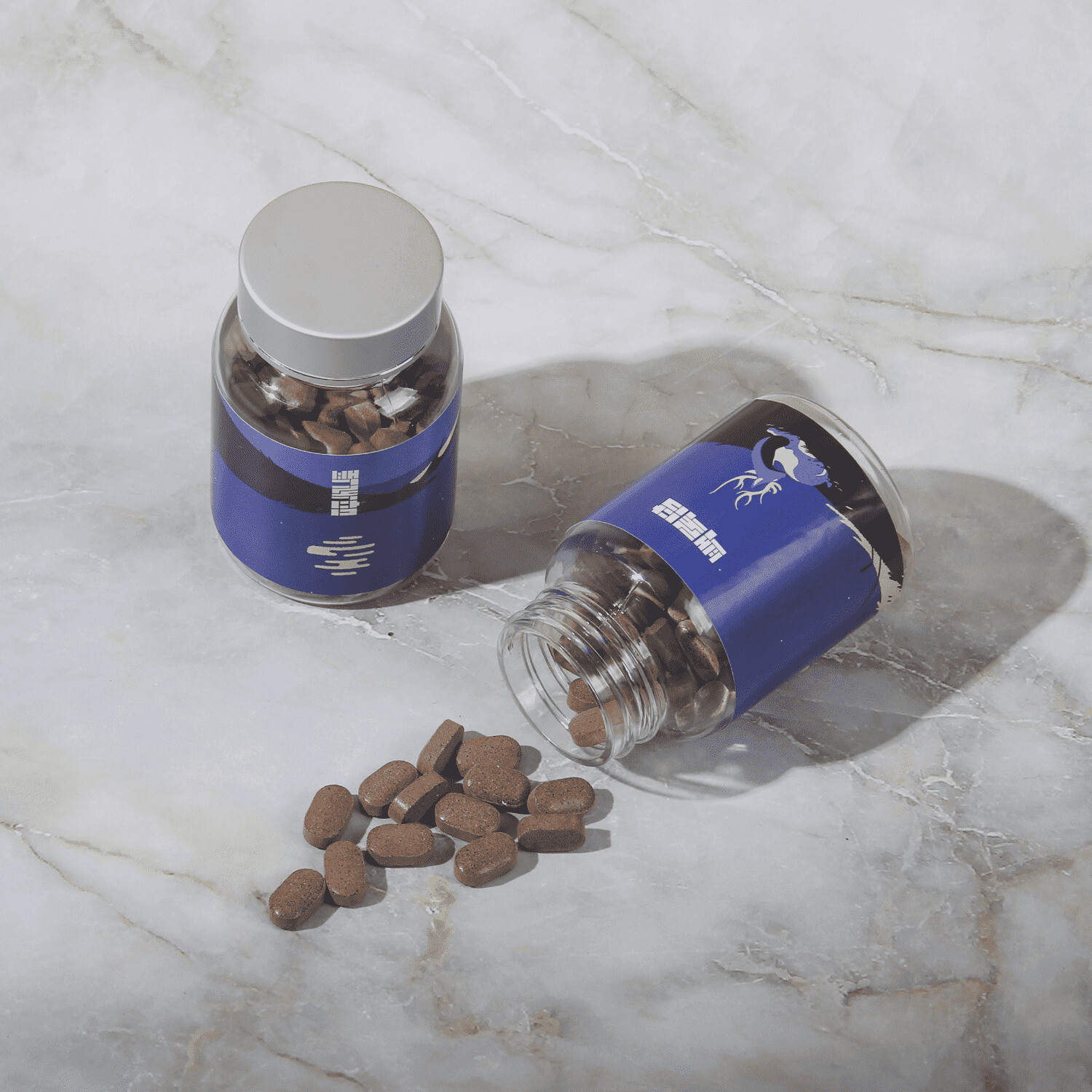
한약 병행·약물 상호작용
Q. Can I lose weight with herbal medicine alone without exercise? Are there benefits and realistic limitations?
A.
It is possible but with clear limitations. Herbal medicine can help improve constitution and regulate appetite, offering short-term supportive effects. However, without exercise, maintaining muscle mass and increasing basal metabolic rate is difficult, and long-term weight management requires lifestyle changes. Effects vary greatly by individual constitution and condition, so realistic expectations are important.
📝 Detailed Answer
Many people wonder about this. In my early days as a Korean medicine doctor, I also thought that just taking herbal medicine would lead to weight loss, but reality is not so forgiving. In Traditional Korean Medicine, obesity is approached through concepts like Spleen Deficiency (脾虛, biheo) or Phlegm-Fluid Retention (痰飮, dameum). When spleen function is weak, the body cannot properly metabolize food, leading to accumulation of dampness and waste, which results in weight gain. Herbal medicine can help regulate this fundamental metabolic function, stabilize appetite, and reduce edema. Advantages include: first, customized prescriptions based on individual constitution targeting specific causes (e.g., Spleen Deficiency, Phlegm-Fluid, Liver Depression); second, some patients experience effective appetite suppression and sustained satiety; third, for those unable to exercise at all, herbal medicine alone may lead to initial weight loss. However, disadvantages are also clear: first, without exercise, muscle mass is hard to maintain, leading to decreased basal metabolic rate and easy rebound; second, herbal medicine alone has limitations in maximizing fat burning or reshaping the body; third, individual responses vary greatly—some may see no effect, and long-term use can be costly. Ultimately, it depends on the situation. Herbal medicine is meaningful as a short-term adjunct, but true weight management effects emerge when combined with exercise and dietary control. It is not a panacea, but it can serve as a starting point to rebalance the body.
#feasibility
#pros-cons

Expert Verified
Dr. Yeonseung Choe
Chief Director