
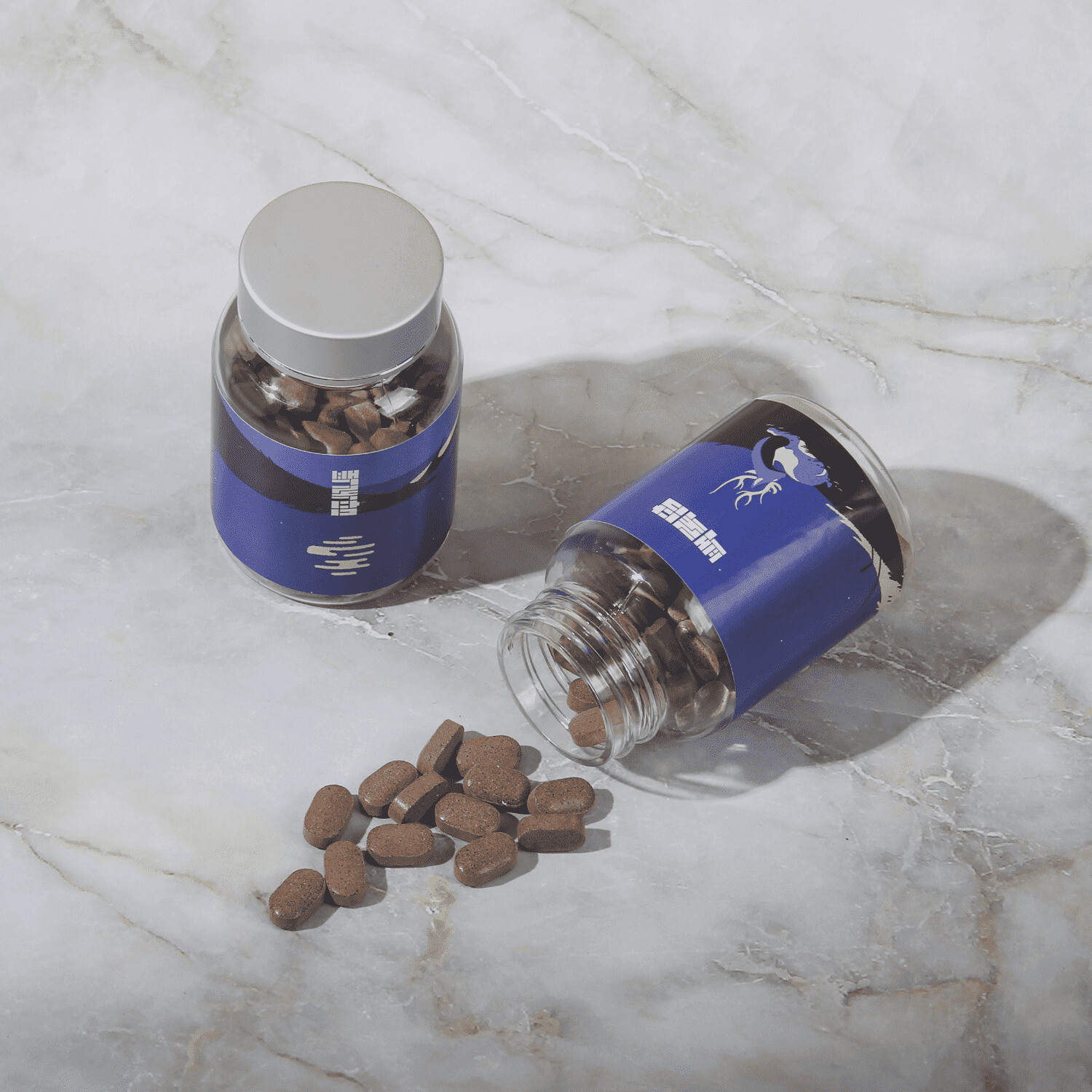
한약 병행·약물 상호작용
Q. I'm a busy professional with very little free time. Can I lose weight by taking herbal medicine alone without following a strict diet?
A.
While herbal medicine helps suppress appetite and boost metabolism to aid weight loss, completely ignoring your diet is difficult. However, you don't need an extreme regime like eating only chicken breasts; simply eating slightly less than usual is a sufficient starting point. We can optimize the plan based on your physical condition.
📝 Detailed Answer
As someone who has experienced the struggle of balancing work lunches and overtime, I understand that a 'perfect diet' is often unrealistic for professionals.
The advantage of Traditional Korean Medicine (TKM) prescriptions is clear: they naturally suppress appetite to reduce hunger and increase your basal metabolic rate to help the body expend energy more efficiently. Specifically, by resolving 'Dameum' (痰飮)—the stagnation of metabolic waste and fluids in the body—you will likely feel your body becoming significantly lighter.
However, if you maintain your usual eating habits without any adjustments, the effectiveness of the medicine may be offset, leading to very slow weight loss. Conversely, restricting your intake too aggressively can lead to 'Bi-heo' (脾虛), or Spleen Deficiency, which weakens digestive function and leaves you feeling fatigued and depleted of energy.
Ultimately, it is less about whether weight loss is 'possible' and more about the 'level of efficiency' you desire. Rather than a rigid diet, I recommend a 'relaxed approach'—simply reducing your typical portion size by 20-30%.
Since the response to herbal medicine varies depending on an individual's constitution (Sasang typology) and current health status, I suggest visiting the clinic to discuss your eating habits and health together so we can create a sustainable, personalized plan.
#feasibility
#pros-cons

Expert Verified
Dr. Yeonseung Choe
Chief Director