
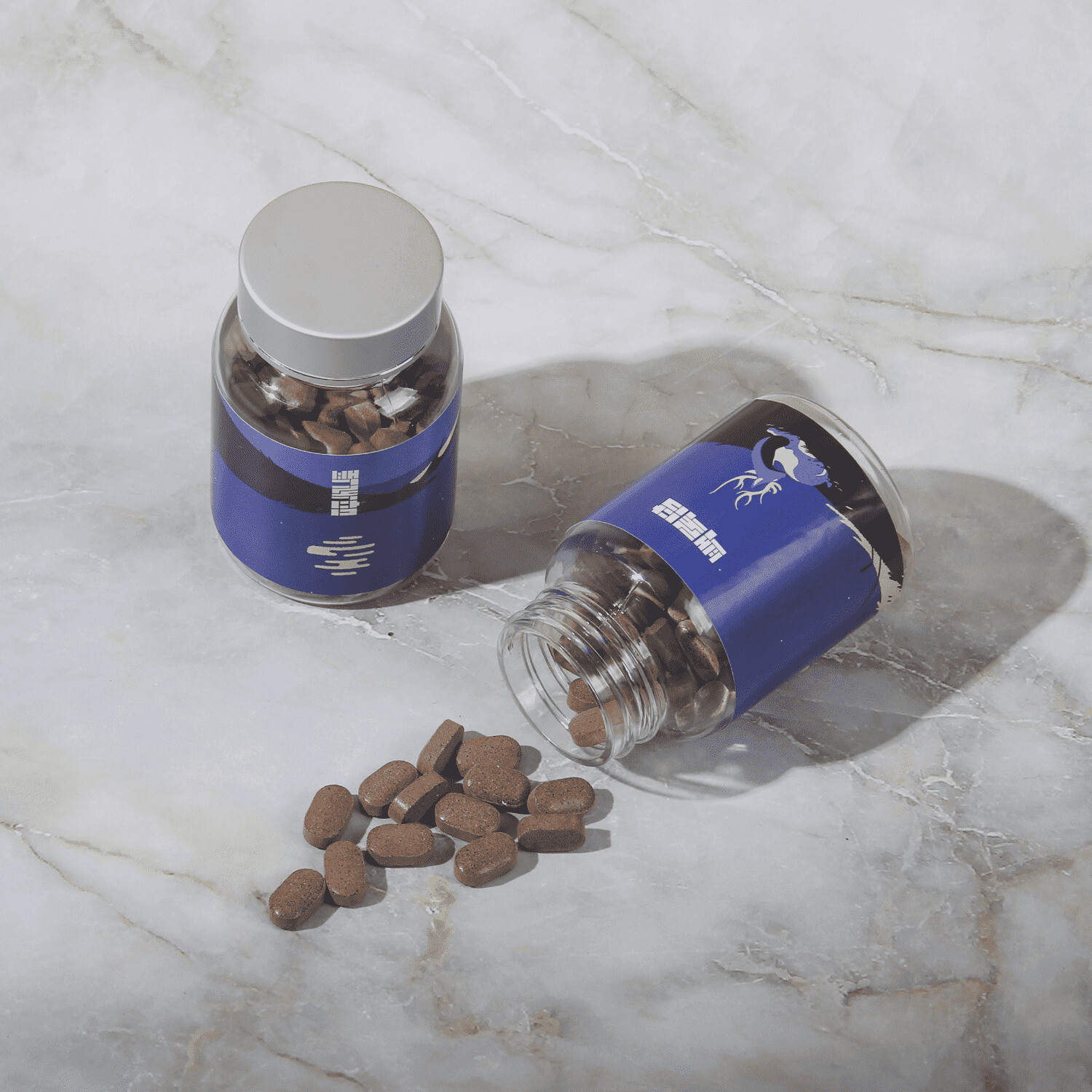
한약 병행·약물 상호작용
Q. Will taking Korean medicine diet pills really help me lose weight? Can it improve my body constitution, and what precautions should I take?
A.
Yes, herbal medicine can help with weight control by improving your body constitution. However, it doesn't work the same for everyone, and lifestyle changes are important. Advantages include relatively few side effects and overall body regulation; disadvantages include slow effects and cost. Ultimately, it depends on your individual condition and consistency.
📝 Detailed Answer
Many people think of Korean medicine diet pills as 'pills that make you lose weight just by taking them', and I used to think that way too. In reality, herbal medicine is not simply aimed at reducing weight; it focuses on correcting fundamental imbalances in the body. For example, in spleen deficiency (biheo, 脾虛), when the spleen function is weak, the body cannot properly digest and absorb food, leading to a constitution prone to weight gain. By strengthening the spleen with herbal medicine, metabolism improves and weight control becomes possible naturally. Also, if pathological factors like phlegm-fluid retention (dameum, 痰飮) or blood stasis (eohyeol, 瘀血) have accumulated, the approach is to remove them. In terms of advantages, first, side effects are much fewer compared to Western diet pills, and it addresses the overall balance of the body. Second, since it is expected to improve body constitution, research suggests that the yo-yo effect is relatively less. Disadvantages are also clear: the effect is not rapid; you usually need to take it consistently for about 2-3 months to feel changes, and the cost of herbal medicine may be burdensome. Also, please remember that if you only take herbal medicine and do not change your lifestyle at all, it is difficult to see significant results. In conclusion, to the question 'Do Korean medicine diet pills work?', I have to answer 'It depends on the situation.' It is likely to work well for those with spleen deficiency or phlegm-fluid retention, but if the main cause is simply overeating or lack of physical activity, lifestyle correction comes first. What I learned from some trial and error is that herbal medicine is a tool to change your basic body constitution, not magic. I recommend visiting a clinic for a consultation to accurately diagnose your current condition and establish a customized prescription along with a diet and exercise plan.
#feasibility
#pros-cons

Expert Verified
Dr. Yeonseung Choe
Chief Director