
한약 병행·약물 상호작용
Q. If I take herbal medicine for weight loss, can I lose weight without dietary control?
A.
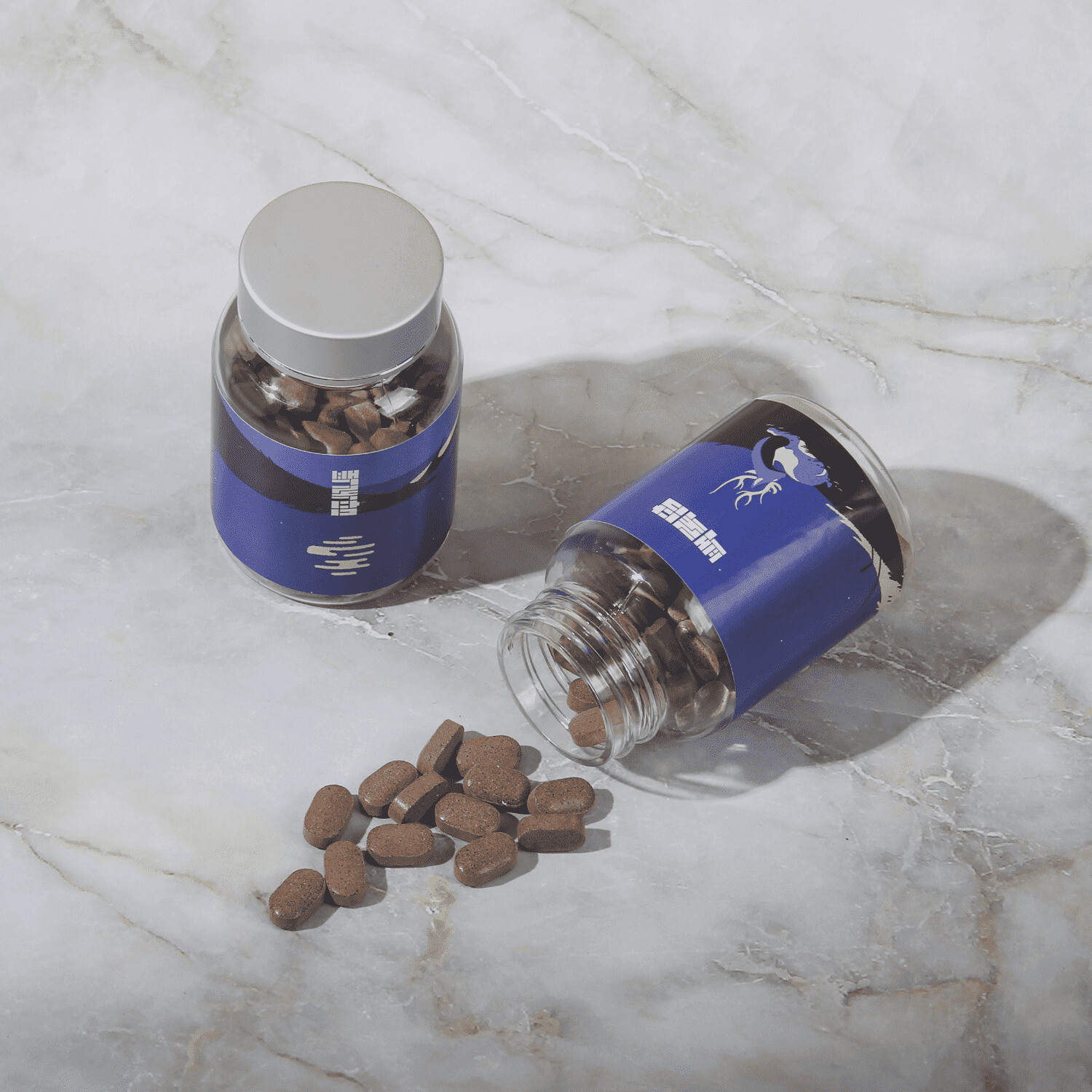
Yes, herbal medicine can help reduce appetite and boost metabolism, so some weight loss may occur even without strict dieting. However, the effect is limited and rebound weight gain is common. I initially thought ‘just taking the medicine would be enough,’ but in the end, eating habits are the key.
📝 Detailed Answer
Herbal medicine can indeed support weight loss. In Traditional Korean Medicine (TKM), obesity is often viewed as a result of spleen deficiency (pi xu, 脾虛) or accumulation of phlegm-fluid (dam eum, 痰飮)—excess moisture and waste in the body. Herbal formulas are designed to strengthen the spleen and resolve dampness and phlegm, which naturally reduces appetite, improves digestion, and makes the body feel lighter. However, the premise ‘without dietary control’ requires caution. On the positive side, herbal medicine can suppress appetite and promote metabolism, leading to modest weight loss. It may also reduce bloating by clearing internal damp‑heat or blood stasis (eo hyeol, 瘀血), and often resolves accompanying issues like constipation or menstrual irregularities. On the downside, relying solely on the medicine can lead to rebound appetite and weight regain once it is stopped. Since prescriptions must be tailored to each person’s constitution and symptoms, effects vary. Moreover, consistent use for at least 4–8 weeks is needed for results, and neglecting diet during that time significantly reduces effectiveness. In conclusion, ‘taking only herbal medicine without dietary control’ may produce some weight loss, but the amount is limited and hard to maintain long‑term. Think of herbal medicine as a navigation system that sets the direction, while diet and exercise are the steering wheel. Both must work together to safely reach your destination.
#feasibility
#pros-cons

Expert Verified
Dr. Yeonseung Choe
Chief Director