
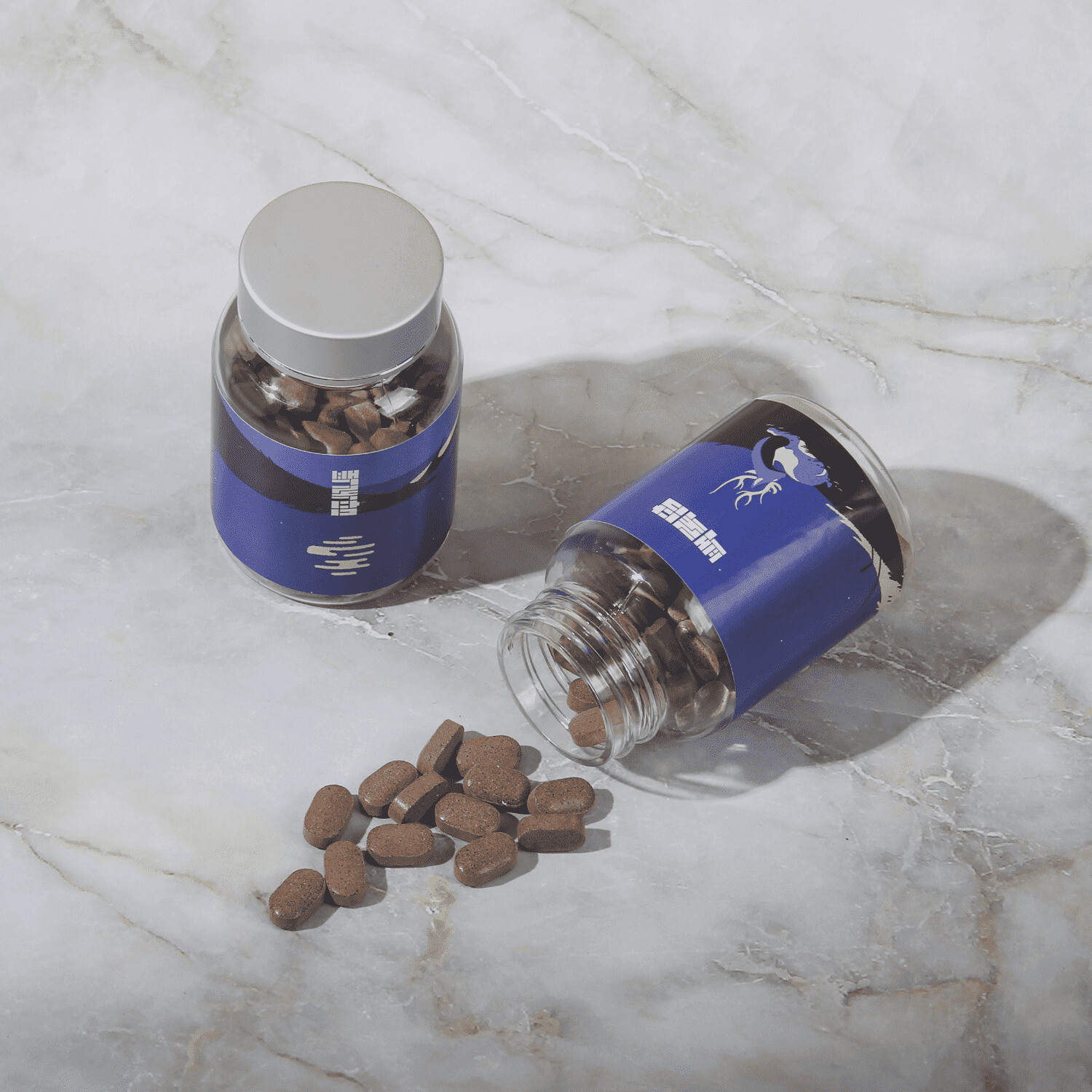
한약 병행·약물 상호작용
Q. If I take Korean herbal medicine for weight loss, can I lose weight without dietary control?
A.
It is rare to lose weight with herbal medicine alone without dietary control. Herbal medicine can help regulate appetite and metabolism, but without fundamental habit changes, the effect is limited and the risk of weight regain is high. Both approaches should go together.
📝 Detailed Answer
For those who are not sure about this, I thought the same at first: 'Can I just take herbal medicine?' However, after some trial and error, I learned that herbal medicine works to balance the body. For example, if you have spleen deficiency (biheo) leading to poor digestion or dampness-phlegm (seupdam) causing bloating, herbal medicine can strengthen spleen function and promote metabolism, reducing appetite and increasing energy expenditure. Advantages: first, appetite is noticeably suppressed, leading to naturally eating less. Second, the body feels lighter and less bloated, making it easier to increase physical activity. Third, accompanying symptoms like constipation or menstrual irregularities often improve. On the other hand, there are clear disadvantages. First, without fundamentally changing calorie intake, weight loss may be very slow or plateau. Second, relying solely on herbal medicine without dietary control can lead to disappointment and a high risk of weight regain after stopping. Third, herbal medicine is not equally effective for all constitutions; for conditions dominated by phlegm-fluid retention (dameum) or blood stasis (eohyeol), dietary control is even more critical. In conclusion, 'it depends on the individual.' Herbal medicine is a powerful tool, but it cannot completely replace dietary control. The most stable and sustainable change comes from combining both. It would be best to discuss an appropriate diet tailored to your constitution during a consultation.
#feasibility
#pros-cons

Expert Verified
Dr. Yeonseung Choe
Chief Director