
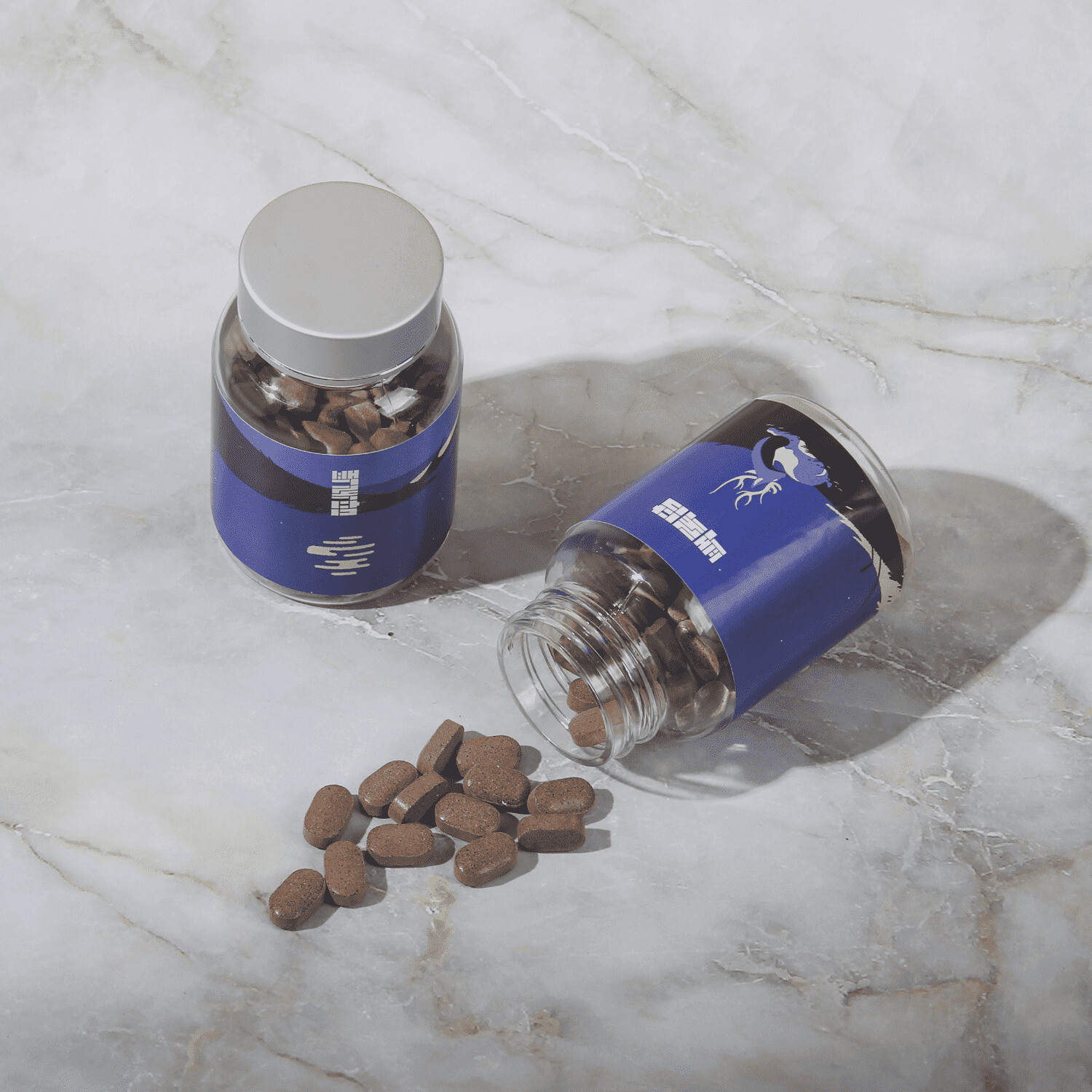
Herbal Combination & Drug Interactions
Q. Will I still lose weight with herbal medicine if I don't control my diet at all?
A.
While TKM herbal medicine boosts metabolism to aid weight loss, relying solely on medication without any dietary management is difficult. The core purpose of herbal dieting is to reduce the pain of forced fasting and regulate appetite, helping you naturally reduce your food intake.
📝 Detailed Answer
To be honest, when I first studied dietetics, I wondered if medication alone could do everything. The conclusion is that without any dietary control, the efficiency of weight loss inevitably decreases. However, 'dietary control' here does not mean blindly starving yourself.
The advantages of Traditional Korean Medicine (TKM) for weight loss are clear. First, it increases your basal metabolic rate, allowing your body to burn more energy even at rest. More importantly, it signals satiety to the brain to reduce food cravings. It also helps reduce edema by removing 'Dameum' (痰飮)—a state where waste products accumulate and stagnate in the body.
On the other hand, there are limitations. Even if the medicine suppresses your appetite, weight loss may be slow if you continue to consume excessive sugars or refined flour. Additionally, some individuals may experience side effects such as heart palpitations, which requires precise dosage adjustment by a practitioner.
Ultimately, your specific body constitution is key. Some patients suffer from 'Bi-heo' (脾虛), where weak digestive function leads to low energy metabolism, necessitating a 'metabolic switch.' Others may have 'Eo-hyeol' (瘀血), where blood stasis hinders circulation, meaning circulation must be addressed first.
Rather than viewing it as a restrictive diet, think of it as a process of creating a state where you feel full even while eating less, tailored to your specific constitution. Let's work together to find a comfortable and sustainable method for you.
#feasibility
#pros-cons

Expert Verified
Dr. Yeonseung Choe
Chief Director
Last reviewed 2026.05.01