
Concept
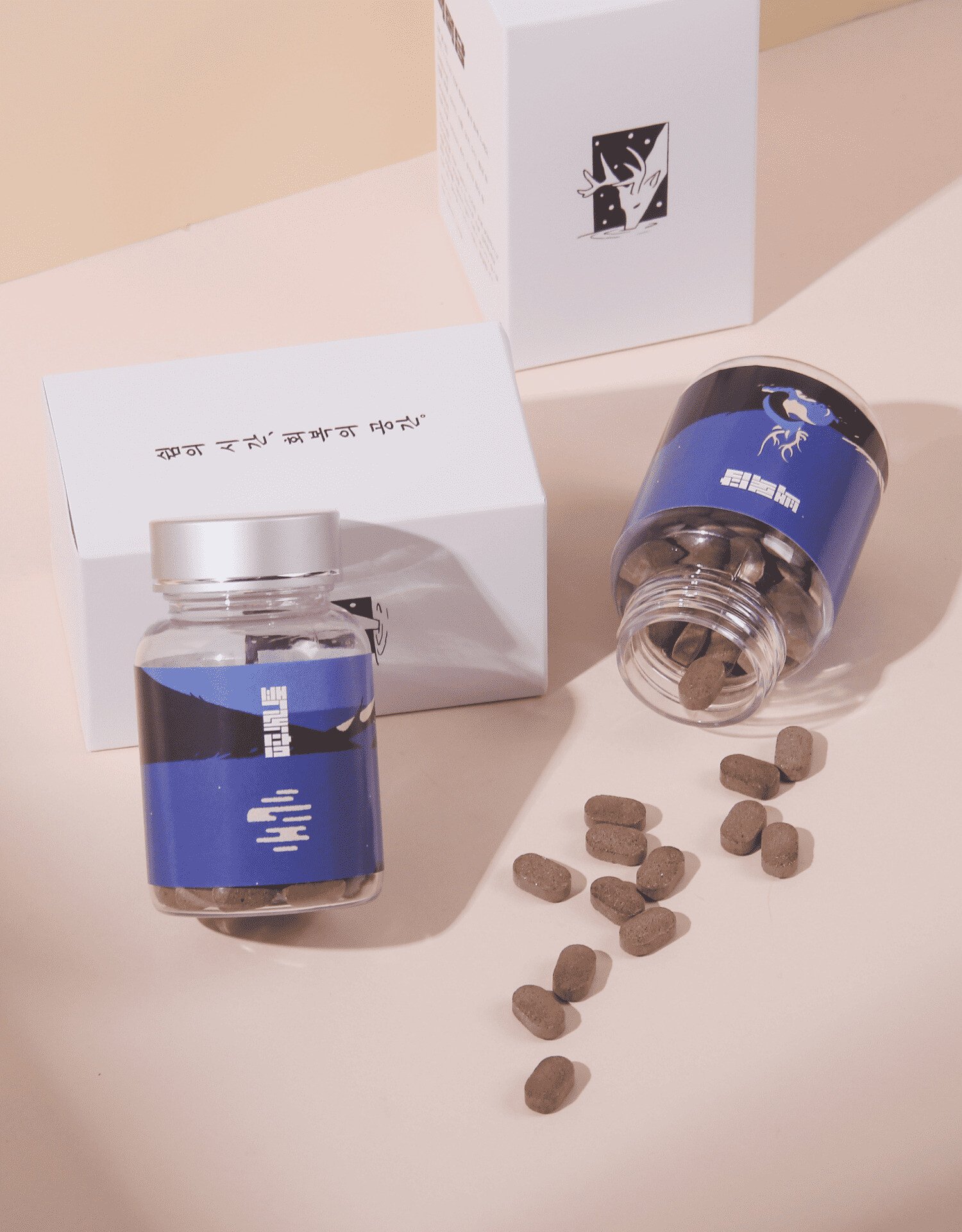
Q. What is the difference between Gambi-hwan (pills) and Gambi-jeong (tablets)?
A.
Simply put, it is the difference between traditional herbal pills and modern tablets. While the ingredients and therapeutic principles are identical, they differ in convenience and absorption speed. Patients sensitive to the scent of herbal medicine generally prefer tablets, while those who prefer a traditional delivery method choose the pills.
📝 Detailed Answer
Ultimately, the most important factor is not the formulation, but how well it suits your body. Here is a detailed explanation of the differences from a Traditional Korean Medicine (TKM) perspective:
1. Absorption Speed and Mechanism: Hwan (pills) are formed by clumping powdered medicine, allowing them to dissolve and act gradually in the body. In contrast, Jeong (tablets) are compressed, allowing for a more precisely engineered digestive absorption path.
2. Managing Dam-eum (Phlegm-Fluid) and Eo-hyeol (Blood Stasis): Both formulations contain the same active ingredients designed to eliminate Dam-eum (metabolic waste/phlegm-fluid) and Eo-hyeol (blood stasis/stagnation). However, tablets offer superior homogeneity, allowing for more precise dosage control.
3. Consideration of Bi-heo (Spleen Deficiency): For those with Bi-heo (a state of weakened digestive function), the texture of traditional pills can sometimes feel burdensome. In such cases, the ease of swallowing tablets reduces both physical and psychological stress.
4. Convenience: Pills retain the characteristic aroma of herbal medicine, providing the sensation of taking a traditional remedy. Tablets have almost no scent, making them ideal for discreet administration, such as in a professional workplace.
In conclusion, the weight loss principle remains the same regardless of the form. Since the choice depends on your digestive capacity and sensitivity to scents, I recommend visiting the clinic to decide which option is best for you after a consultation.

Expert Verified
Dr. Yeonseung Choe
Chief Director