
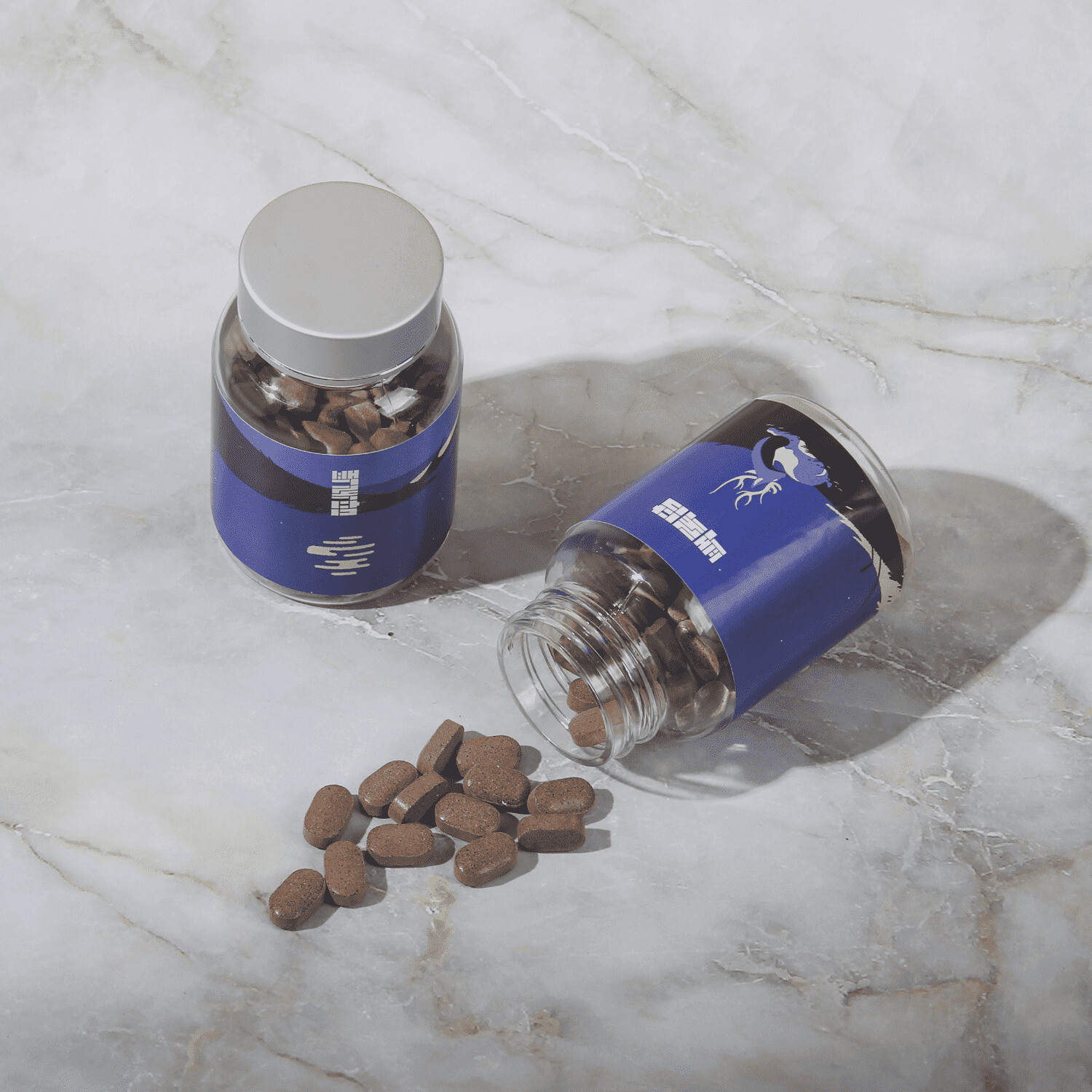
Remote Prescription Process
Q. I live in Dongtan. Can I receive a non-face-to-face prescription for diet herbal medicine?
A.
Yes, non-face-to-face treatment is possible. Steps: ① Reserve an initial consultation via the hospital app or website → ② Fill out a medical questionnaire and send photos of your body and tongue → ③ The TKM doctor performs pattern identification (constitution and condition diagnosis) and prescribes → ④ Herbal medicine is delivered to your home. However, initial consultations are ideally in-person, but remote appointments may be allowed depending on the situation—please confirm during your consultation.
📝 Detailed Answer
At first, I wondered how herbal medicine could be prescribed remotely, but it turns out to be quite systematic. However, according to Traditional Korean Medicine principles, an initial consultation is ideally conducted in person because pulse diagnosis and abdominal palpation (腹診, bokjin) are important. But if distance or time constraints are an issue, much can still be assessed through photos and video. For diet-related cases, we can differentiate patterns such as spleen deficiency (脾虛, biheo)—where weak spleen function leads to waterlogged constitution—phlegm-fluid (痰飲, dameum)—where dampness and waste accumulate—or blood stasis (瘀血, eohyeol)—where blood circulation is blocked—all through careful history taking and images. The process is step-by-step: first, book a 'non-face-to-face initial consultation' on our Baekrokdam app or website. Second, complete the detailed medical questionnaire (eating habits, digestion, sleep, bowel movements, etc.) and send photos of your face, tongue, and full body. Third, the TKM doctor performs pattern identification and formulates the herbal prescription. Fourth, the decoction or pills are prepared and shipped to you, and you can provide feedback via text or phone during the course of medication. If you have severe edema or underlying conditions, it is safer to visit in person. Although remote care is convenient, I personally recommend an in-person first visit to ensure nothing is missed. But if you just want to have a preliminary consultation, feel free to book without pressure.
#step-guide
#ordered-list

Expert Verified
Dr. Yeonseung Choe
Chief Director
Last reviewed 2026.05.08