
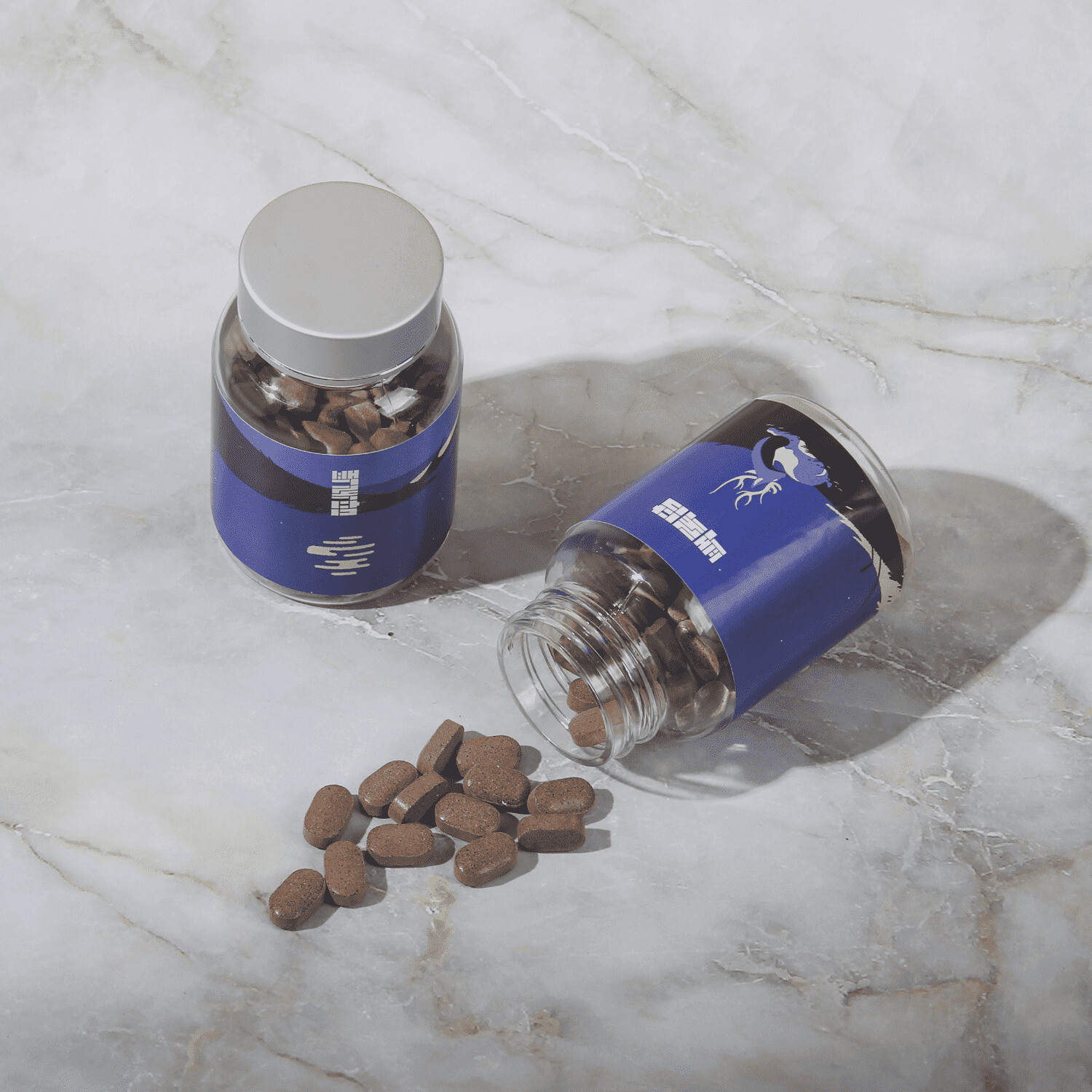
Remote Prescription Process
Q. What do I need to prepare for a non-face-to-face Korean medicine diet consultation in Pyeongtaek?
A.
To receive a non-face-to-face prescription, please prepare four key items: (1) a photo of your ID for identity verification (first visit), (2) a simple log of your diet and exercise over the past 1–2 weeks, (3) recent body measurements such as weight and waist circumference (photos or numbers), and (4) a list of any medications or supplements you are currently taking. Once you provide this information, we can conduct a consultation and issue a herbal medicine prescription if appropriate.
📝 Detailed Answer
I initially felt awkward about prescribing herbal medicine remotely, wondering if it could be reliable without taking the pulse directly. However, after years of practice, I realized the core of non-face-to-face treatment lies in the inquiry (問診, munjeon). In Korean medicine, pattern identification (辨證, byeonjeung) uses four diagnostic methods—inspection, listening/smelling, inquiry, and palpation (望聞問切, mangmunmunjeol)—but the symptoms and lifestyle habits you describe are the most crucial. For diet treatments, conditions like spleen deficiency (脾虛, biheo), phlegm-fluid retention (痰飮, dameum), and blood stasis (瘀血, eohyeol) can often be assessed well from changes in body shape, digestion, fatigue, and bowel patterns. In a remote consultation, I always check: (1) trends in weight and body fat percentage—rapid fluctuations suggest spleen deficiency, while abdominal fat suggests phlegm or stasis; (2) meal patterns—skipping meals or frequent late-night eating weakens spleen function, but overeating or binge eating suggests stomach heat (胃熱, wiyeol) or phlegm-heat (痰熱, damyeol); (3) sleep and stress—insomnia or chronic stress leads to liver depression (肝鬱, ganul) which hinders weight loss; (4) underlying diseases and medications—if you have used weight-loss drugs like GLP-1 agonists (e.g., Wegovy, Saxenda), I check for gastrointestinal damage, as discontinuation often causes rebound weight gain due to spleen deficiency. Based on all this information, we customize herbal medicine to your constitution and condition. Even remotely, we provide 1:1 chat or video calls to answer your questions. Prescriptions are sent to a pharmacy, and you can receive the herbal medicine by courier. However, I recommend that non-face-to-face care is more suitable for follow-up visits (second session onward) rather than initial consultations. For first-time patients, an in-person visit to check pulse and abdominal palpation (腹診, bokjin) is safest. But if you want to start with a consultation, we can open that door non-face-to-face—please feel free to contact us.
#step-guide
#checklist

Expert Verified
Dr. Yeonseung Choe
Chief Director