
Remote vs. In-Person
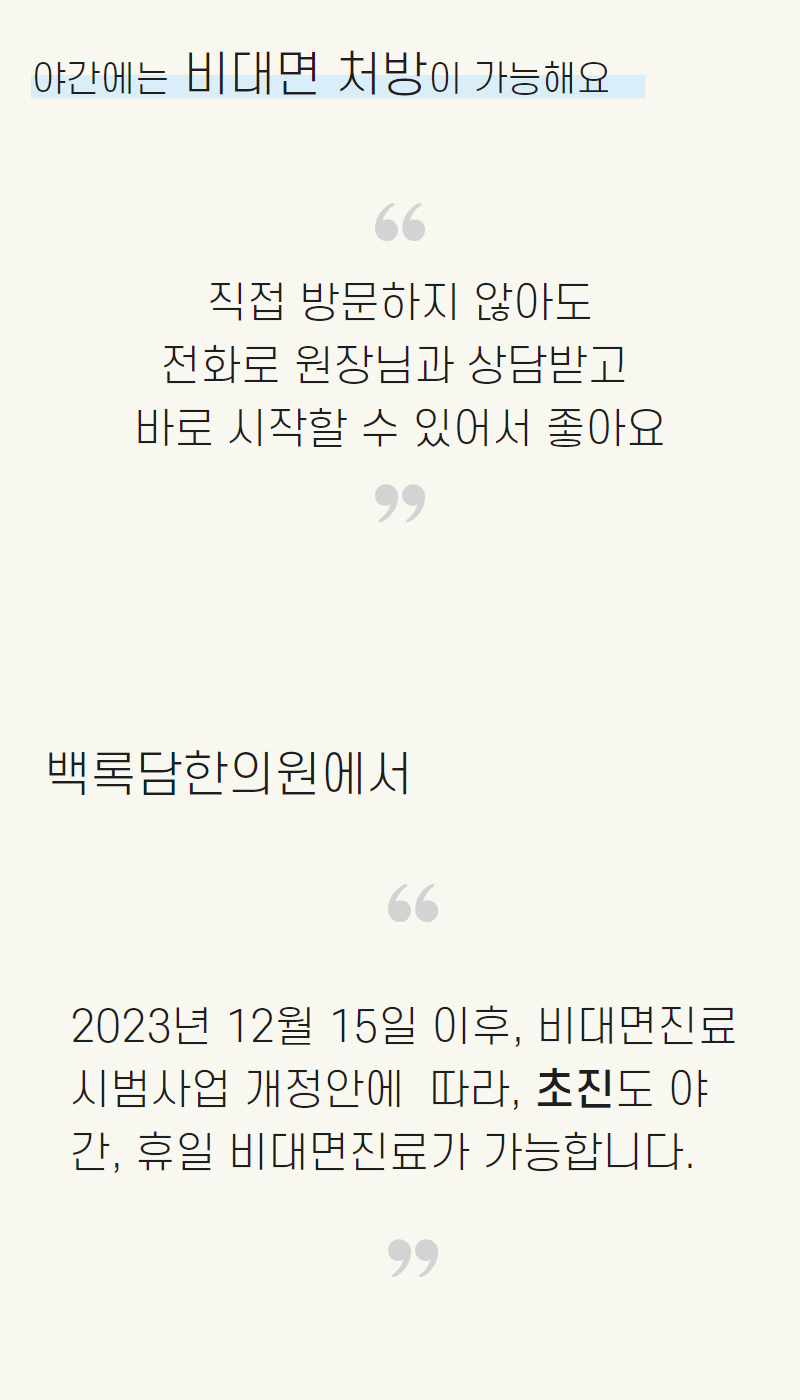
Q. I see a lot of non-face-to-face diet herbal medicine prescriptions these days. How is that different from visiting a clinic in person?
A.
Non-face-to-face prescriptions offer great time efficiency, which is a huge advantage for busy professionals. However, the core of diet herbal medicine is not just weight loss, but correcting the body's internal imbalance. While remote options often rely on questionnaires leading to 'generalized' prescriptions, in-person visits allow the practitioner to perform pulse diagnosis and physical assessments to create a 'personalized' formula. It is essentially a choice between convenience and precision.
📝 Detailed Answer
To be honest, I understand the appeal of remote consultations when life gets hectic—the convenience is undeniable. However, as a Korean Medicine Doctor, I must emphasize that the success of a diet depends on accurately identifying 'why' your specific constitution is prone to weight gain.
For instance, some patients suffer from Dam-eum (痰飮, phlegm-fluid retention), where metabolic waste accumulates, while others may have issues stemming from Eo-hyeol (瘀血, blood stasis) that hinders circulation. Furthermore, if a patient has Bi-heo (脾虛, Spleen deficiency/weak digestive function), using a generic appetite suppressant without addressing the underlying weakness can lead to severe nausea and cause them to give up midway. Having experienced dizziness myself during overly restrictive dieting in the past, I truly empathize with that struggle.
In-person consultations use pulse diagnosis (Jin-maek) and tongue diagnosis (Seol-jin) to capture these subtle nuances, minimizing side effects and maximizing efficacy. Here is a brief comparison:
| Category | Non-Face-to-Face Prescription | In-Person Consultation (Baek-rok-dam) |
| :--- | :--- | :--- |
| Accessibility | Very High (App/Phone) | Requires Visit |
| Diagnostic Method | Questionnaires & Consultation | Pulse, Tongue, and Physical Exam |
| Nature of Prescription | Standardized Customization | 1:1 Precision Customization |
| Side Effect Management | Post-feedback based | Real-time monitoring and adjustment |
| Psychological Support | Low | Direct communication and encouragement |
In conclusion, while remote options are a viable alternative if you are in a rush, if you desire a fundamental improvement in your constitution, I recommend visiting the clinic at least once to accurately map out your body's unique needs.
#comparison
#comparison-table

Expert Verified
Dr. Yeonseung Choe
Chief Director