
Postpartum Home Training: Belly Recovery and Core Guide

Table of Contents
- Why Postpartum Weight Management Feels Especially Difficult
- Seeing Home Training Possibilities Through Real Examples
- Baekrokdam's Perspective on Postpartum Recovery
- Practical Points for Restoring Abdominal Muscle Function
- How to Set Exercise Intensity by Stage
- Diet and Mindset for Healthy Weight Loss
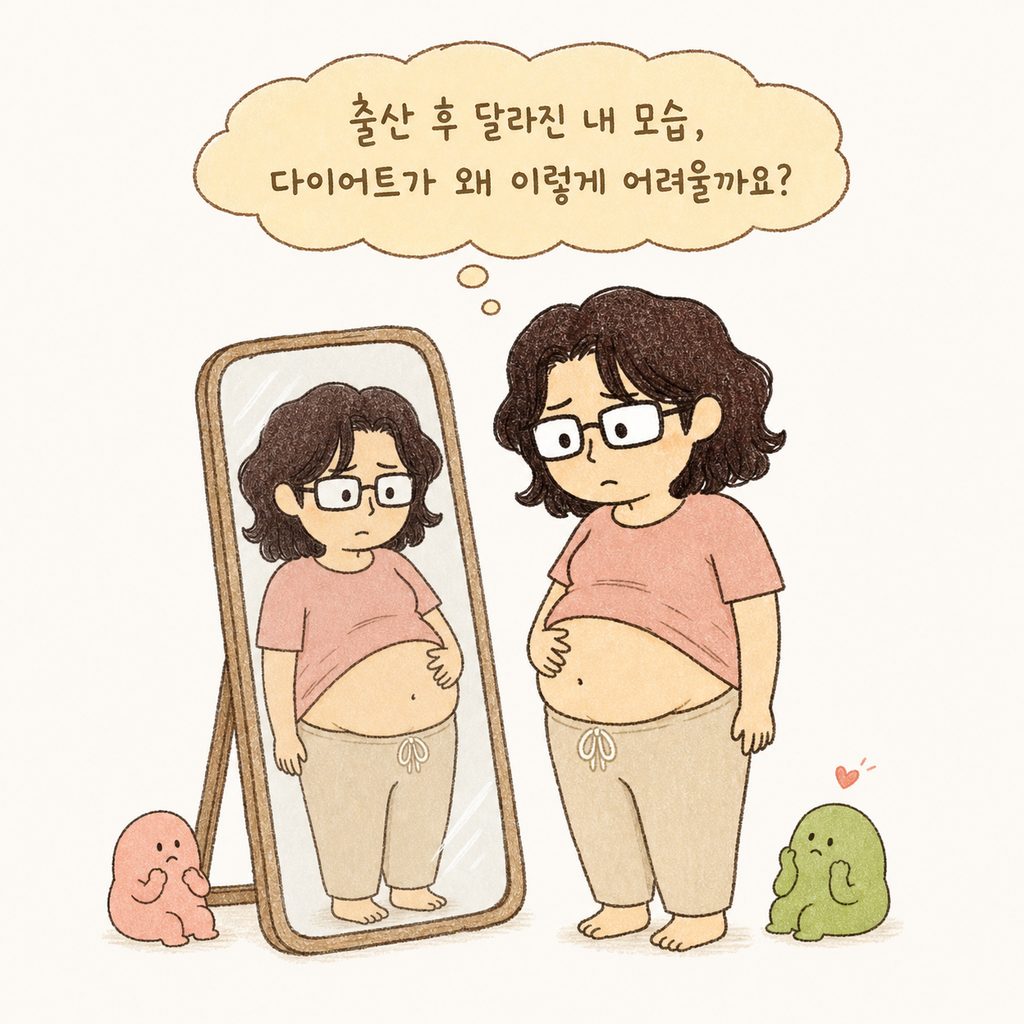
After giving birth, seeing your reflection can feel strange. Not only do your clothes no longer fit the way they used to, but many people come to the clinic feeling distressed by the sudden weight gain and sagging belly.
Why Postpartum Weight Management Feels Especially Difficult
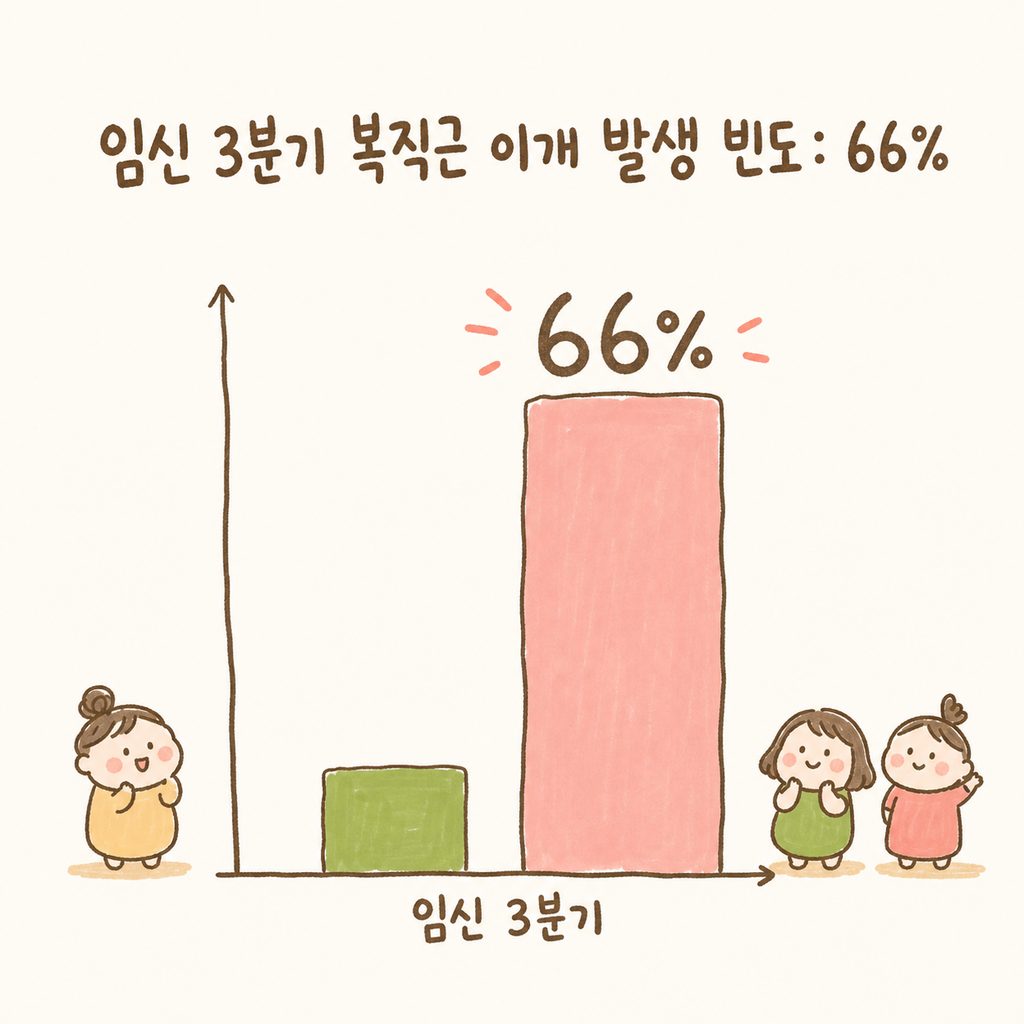
The slow weight loss after childbirth isn't due to weak willpower. During pregnancy, the belly expands causing the Diastasis Recti Abdominis (DRA) where abdominal muscles separate to the sides. Research shows that approximately 66% of third-trimester pregnant women experience this functional decline.
When muscles can't properly support the abdomen, starting an aggressive diet can easily lead to back pain or joint damage. If you experienced gestational diabetes, postpartum weight management is directly linked to reducing Type 2 diabetes risk, so you need to approach it more carefully. However, suddenly cutting food intake significantly isn't sustainable either. You need a step-by-step strategy.
Seeing Home Training Possibilities Through Real Examples
Recently, singer and actress Kim Yoon-ji made headlines for losing 16kg after childbirth. She gained over 16kg during pregnancy but now maintains 47kg at 168cm. It's said she's actually lighter than she was before pregnancy.
What stands out is that she achieved this through home training without any special external coaching. She says she included stretching to loosen up, movements to target the abdomen and core, and squats to strengthen the lower body in her routine. Combining light resistance training with cardio this way raises basal metabolism, so you gain less fat and lose less muscle.
Baekrokdam's Perspective on Postpartum Recovery
In Korean medicine, postpartum recovery isn't viewed as simple weight loss, but as a process of restoring the balance of qi and blood disrupted by pregnancy and childbirth. Right after delivery, joints are loose and metabolism is decreased. Rather than frantically trying to sweat it out, prioritizing stabilizing the body's center should come first.
If you do high-intensity exercise while postpartum wind or swelling persists, you'll easily deplete your energy. That's why I emphasize the "aesthetics of waiting" to my patients—removing waste products from the body and gradually restoring muscle function. You should only start exercising once your body is ready, so you can lose weight healthily without yo-yo effects.
Practical Points for Restoring Abdominal Muscle Function
Starting with sit-ups right away can be dangerous for postpartum individuals. First, you need an approach that restores the function of the abdominal wall. In one study, 95% of the group that followed a mobile app-based exercise program showed improvement in Diastasis Recti Abdominis (DRA).
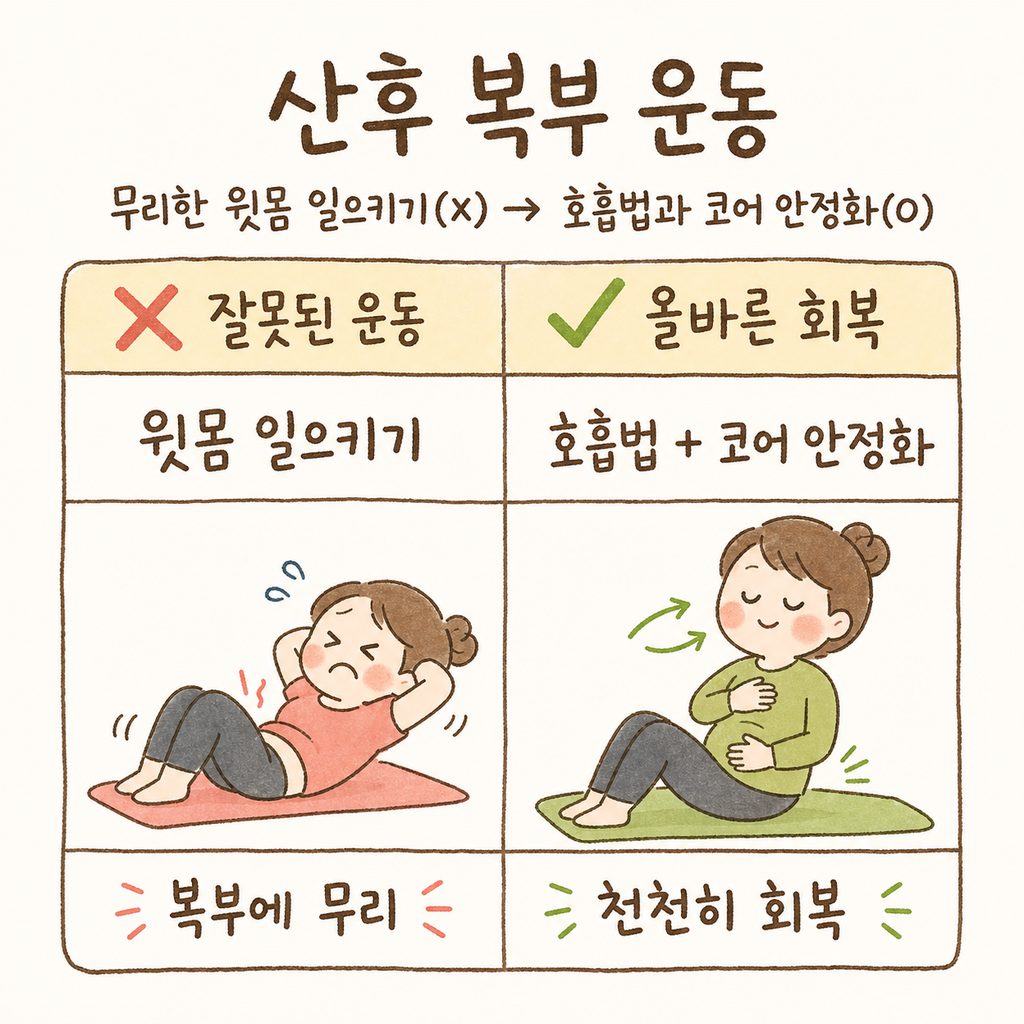
Let me share some methods you can try at home. First, try changing your breathing technique. Inhale through your nose and exhale through your mouth, gently pressing your navel downward and focusing on the feeling of drawing in your abdomen. Next, align your pelvis by moving it left and right, then curl up from your tailbone along your spine one vertebra at a time and hold for about 5 seconds. Repeat this sequence. Only after stabilizing the core this way should you increase intensity for safety.
How to Set Exercise Intensity by Stage
Exercise should gradually increase in intensity, like climbing stairs. Instead of pushing hard from the start, I recommend starting with walking or Kegel exercises.
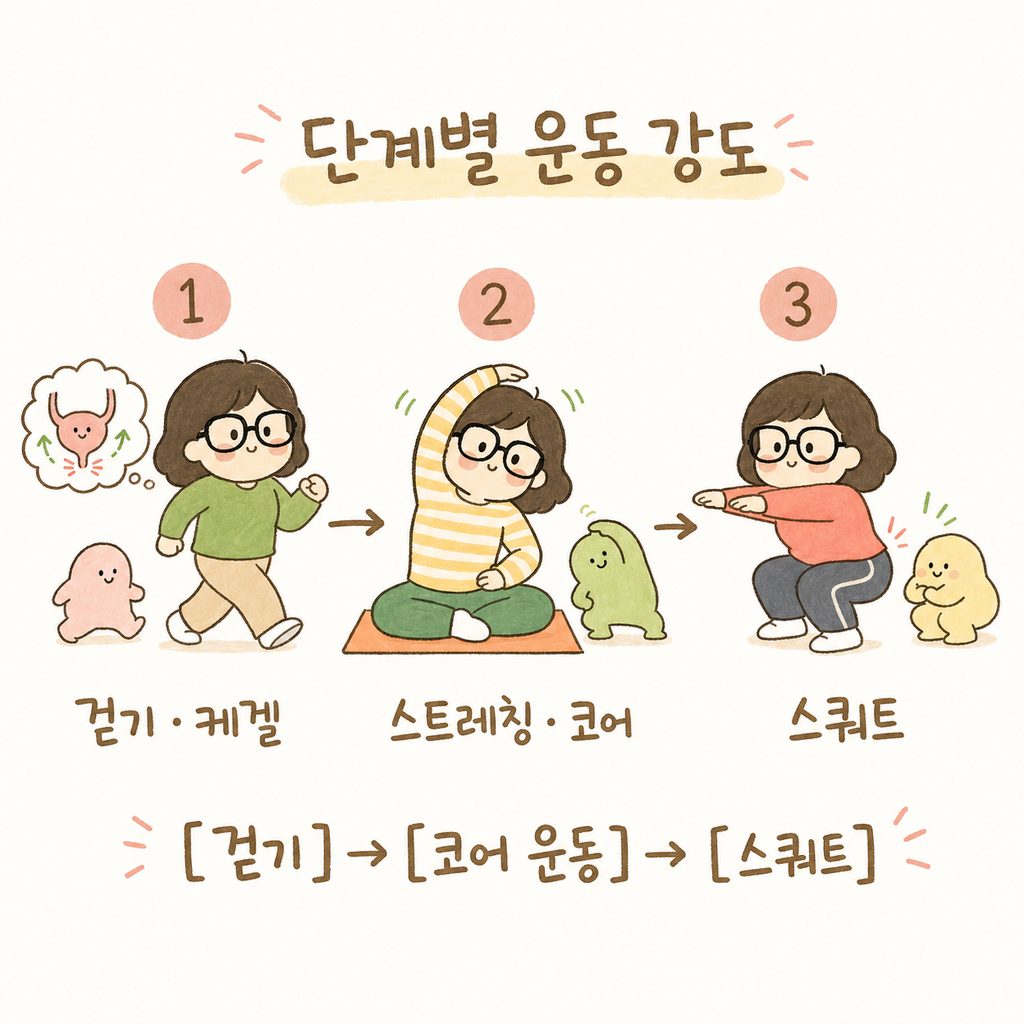
After that, add stretching and light core exercises, then gradually expand to squats that build lower body strength. For cardio, maintaining 65~75% of maximum heart rate (220 minus your age) at moderate intensity is considered appropriate. Increasing daily activity by moving with your child is also a great approach. If you stay consistent with a long-term perspective like Kim Yoon-ji did for about 6 months, you'll definitely feel the changes in your body.
Diet and Mindset for Healthy Weight Loss
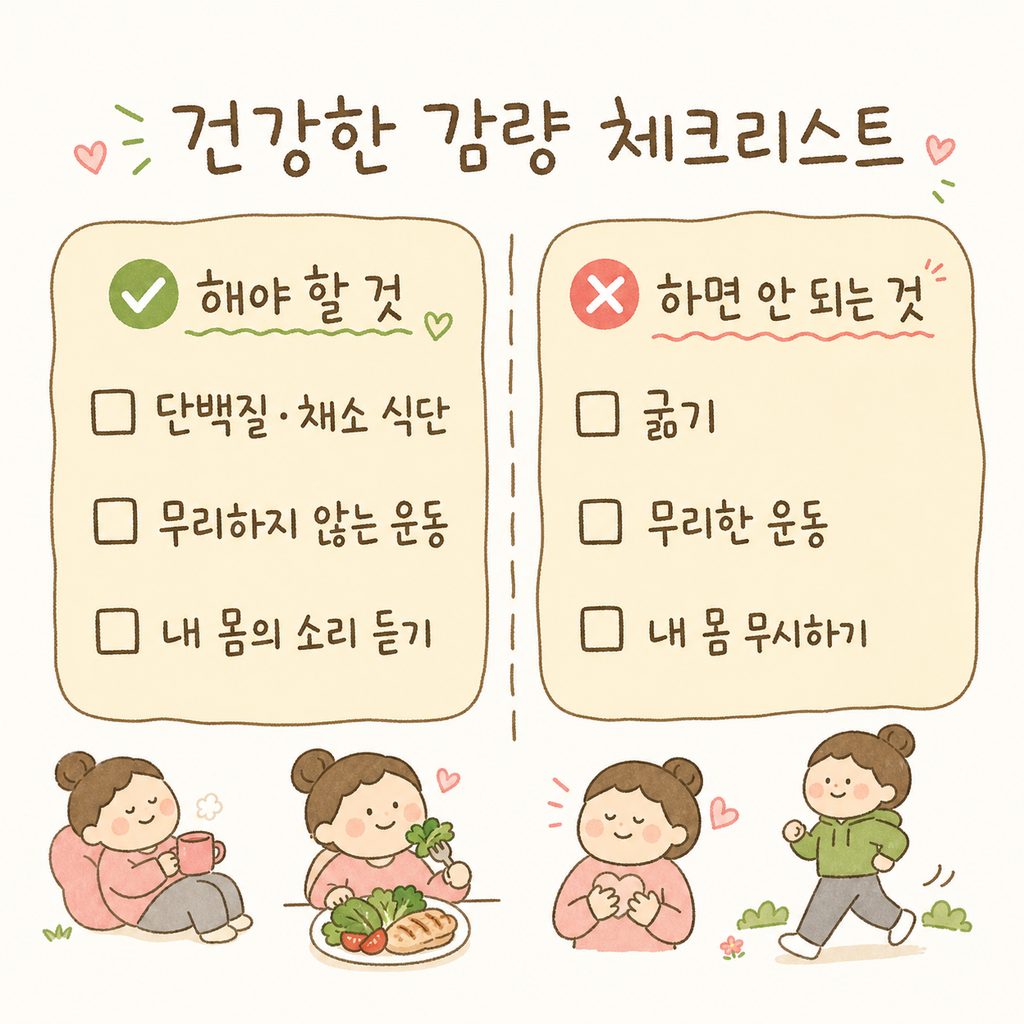
Diet is just as important as exercise. However, being on too strict a diet while breastfeeding or when your energy is depleted can actually be harmful. Don't starve yourself recklessly—it's wiser to focus on quality protein and vegetables while incorporating activities that support calorie expenditure.
Mothers I see in the clinic often confide, "My husband eats fine, but I feel like I'm walking this lonely path alone." I understand that feeling deeply. I hope you can view your current efforts as a process of increasing your body's recovery resilience and becoming a healthier mother for your child. Let go of urgency and listen to your body's signals.
Some of you may feel that your body's recovery is unusually slow or that your metabolism has declined, leaving you feeling limited by exercise alone. In such cases, combining our Baekrok Gambi-jung program can help break through metabolic plateaus and achieve more effective results. I hope you find a healthy weight loss method that suits your body type rather than following an aggressive plan. Try the exercises I shared today one by one and let me know how it goes at your next visit.
References