Weight Loss in a Week or Month: Speed and Calorie Deficit

Table of Contents
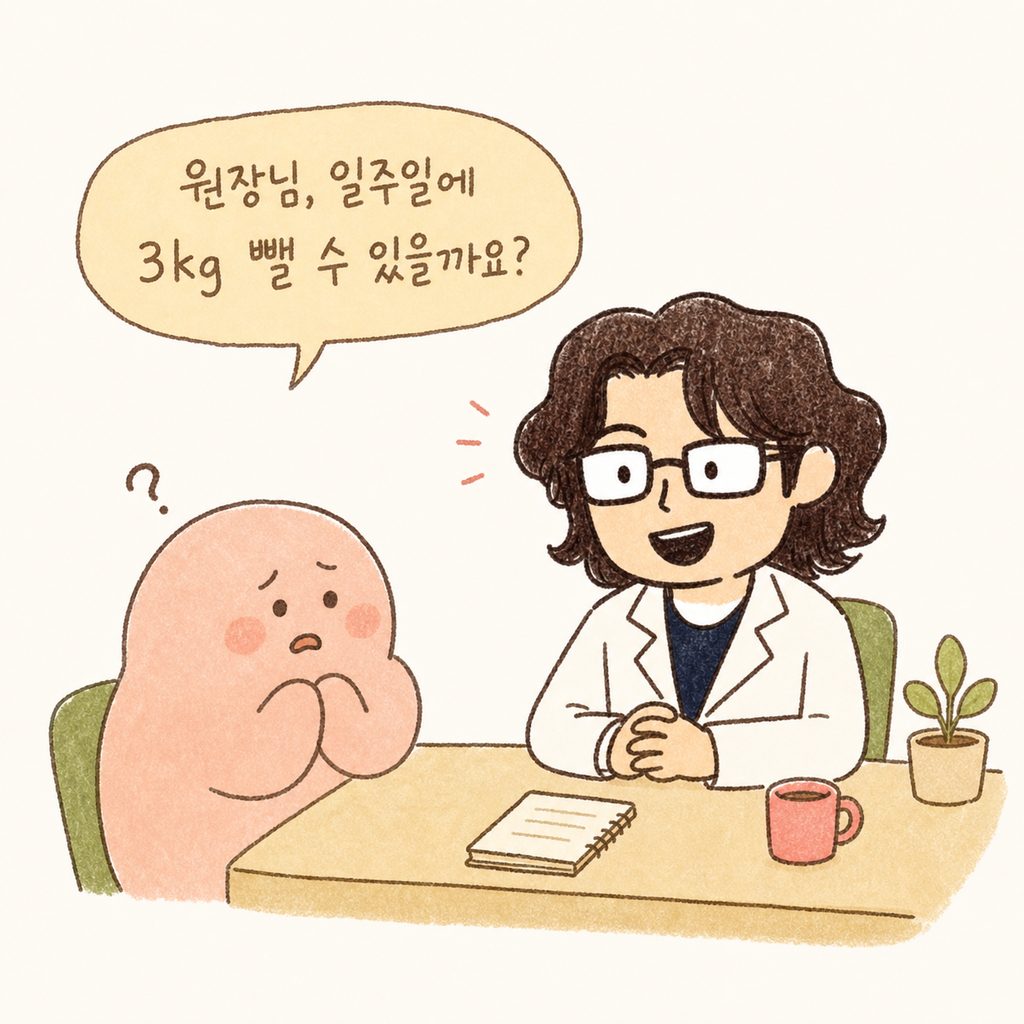
In the clinic, I often hear questions like, "Doctor, can I lose 3kg in a week?" or "I want to lose exactly 5kg in a month." While I understand the urgency, our bodies have a healthy pace for responding to weight management.
What's More Important Than the Name of the Diet Plan
Many people look for specific named diets first. However, when setting short-term plans for a week or a month, it is much safer and more effective to first establish three criteria: calories, nutrition, and sustainability.
The core of weight management is surprisingly simple. If calorie intake is less than calorie expenditure, you lose weight. Various studies show that a calorie-restricted diet is the most suitable and cost-effective method for weight loss compared to complex methods. Sometimes people rely on expensive organic products, premium high-protein breads, or pricey supplements, but these choices often result in a thinner wallet rather than significant weight loss.
Realistic Weight Loss Speed for Healthy Results
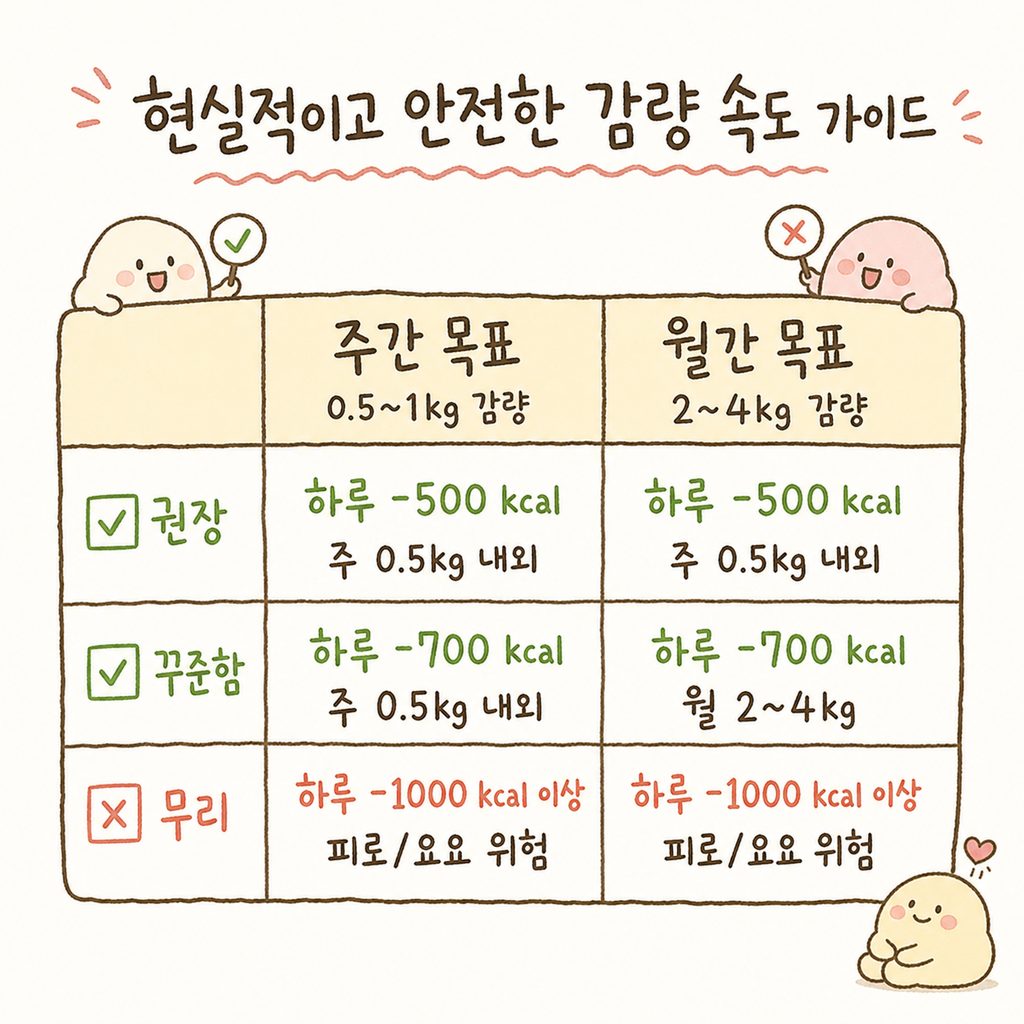
So, what specific goals should you set? Here is a summary of the safe weight loss speeds recommended in medicine and obesity studies.
On a weekly basis, a loss of 0.5–1.0kg is the most realistic. To burn 1kg of body fat, a deficit of approximately 7,700kcal is required. Calculating this, to lose 1kg a week, you need to adjust about 1,100kcal per day through diet and exercise; for 0.5kg, it's about 550kcal per day. Data from the Korean Society for the Study of Obesity also explains that reducing just 500kcal a day can lead to a loss of about 0.5kg per week.
Looking at a month (4 weeks), a loss of about 2–4kg is appropriate. Generally, losing 3–5% of your body weight per month is recommended as a safe and realistic goal. For example, for someone weighing 70kg, 2–3kg a month is a range that does not strain the body.
Why Rapid Short-term Weight Loss is Dangerous
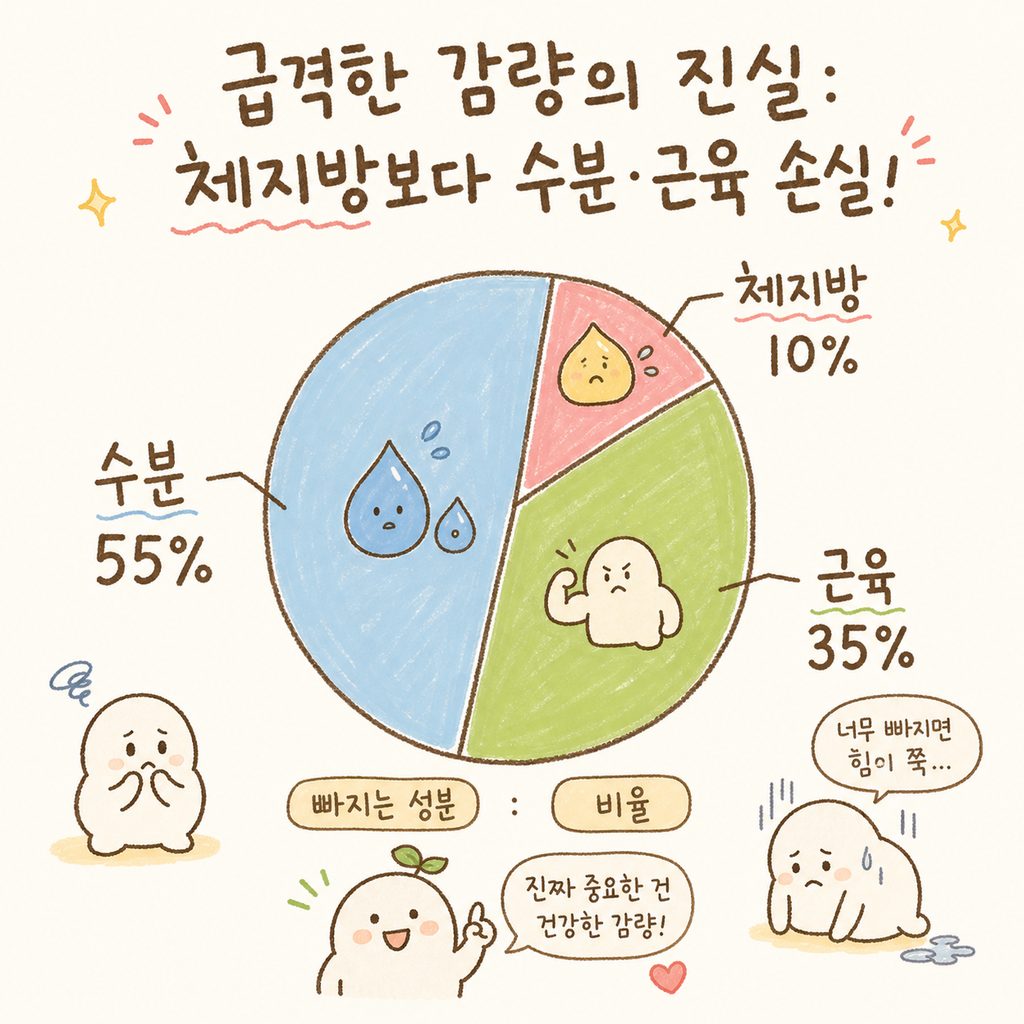
Dramatic numbers like "-3kg or -5kg in a week" often seen on YouTube or social media should be viewed with caution. Weight lost so quickly consists of a much higher ratio of water and muscle loss than body fat.
If you lose more than 1kg a week too hastily, your basal metabolic rate drops, increasing the risk of muscle loss. Side effects such as sagging skin, hair loss, gallstones, and irregular periods have been reported in this process. In particular, studies show that following a Very Low-Calorie Diet (VLCD) for more than 8 weeks increases the risk of fatigue, hair loss, and gallstones, so it is best to avoid excessive plans.
Metabolism and Weight Loss from a Korean Medicine Perspective
In Korean medicine, we don't just focus on reducing numbers; we prioritize how smoothly the body's metabolism is functioning. Blindly starving to lose weight consumes the body's 'Qi' (energy) and actually slows down metabolism further.
This is exactly what I emphasize in the clinic. Extreme restrictive diets that do not suit one's constitution trick the body into a 'starvation state,' leading to a yo-yo effect where you gain weight easily even when eating very little later. Therefore, instead of just lowering calories, you must clear away damp-phlegm (waste products) and boost metabolism to create an environment where the body uses energy naturally.
Actionable Points You Can Start Today
So, where should you start right now? Here are the realistic practices I recommend.

First, try starting by reducing about 500–700kcal a day. The easiest way is to cut out sugary drinks with high-fructose corn syrup, snacks, bread, and late-night meals.
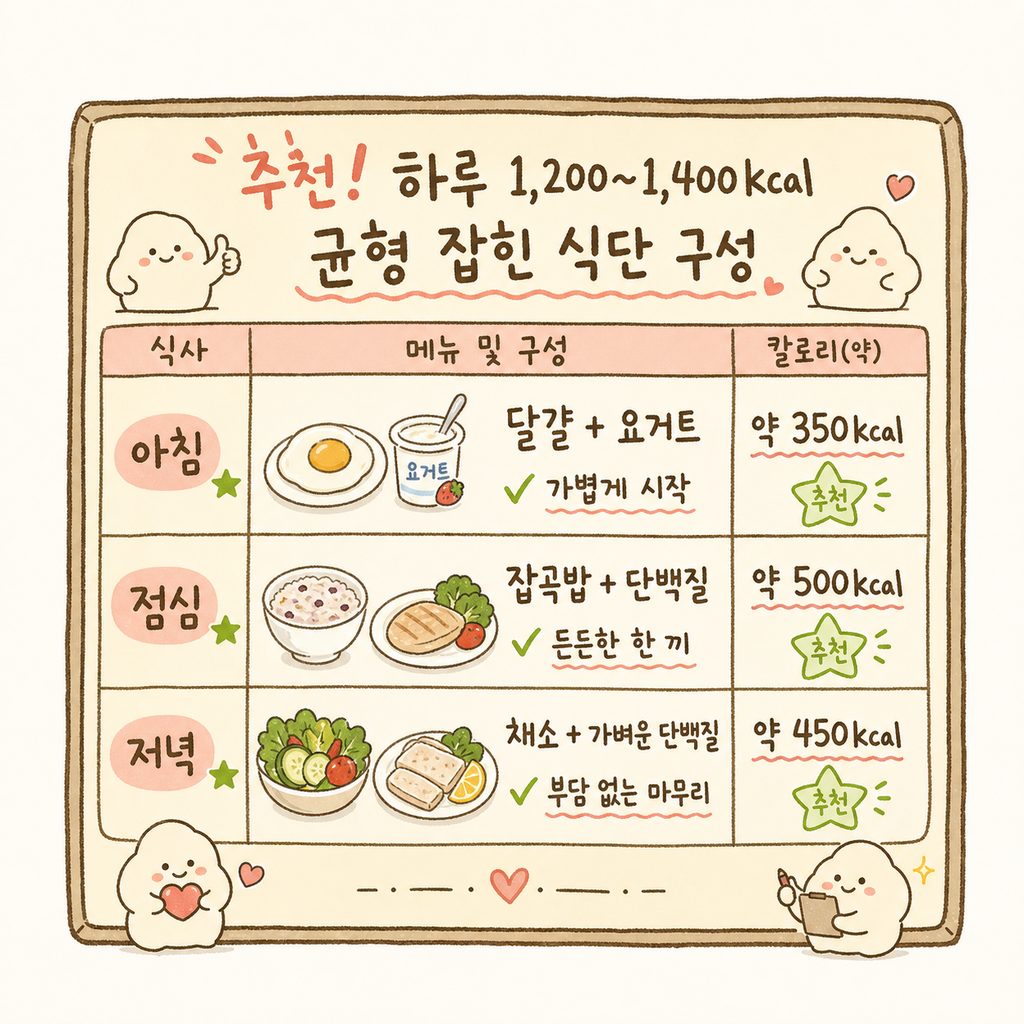
Aim for a daily diet of about 1,200–1,400kcal.
Breakfast: 1–2 boiled eggs, a little Greek yogurt and nuts, salad greens
Lunch: Half a bowl of multigrain rice with seasoned vegetables and protein-based side dishes
Dinner: A light meal centered on protein and vegetables
By creating a calorie deficit while maintaining nutritional balance, your body can get on a healthy weight loss track without becoming exhausted. Even when I am busy between consultations and miss a meal, I try to stick to these simple basic principles.
I understand the urgency, but weight management should ultimately be a process of caring for yourself. Rather than a harsh plan, try moving forward slowly at a pace your body can comfortably accept. If you find it difficult to manage your diet alone or are worried about a low metabolism, considering the Baekrok Gambi-jung program to achieve more efficient and healthy results is also a great strategy. Give it a try, and feel free to tell me how your body has changed during your next visit.
References