
Diet Motivation: Staying Motivated, Habits & Mindset

Table of Contents
"I'll start again tomorrow"—if you've ever tried dieting, you've probably thought this at least once.

Why Willpower Alone Isn't Enough
You want a healthy body, but moments when you feel like giving up are inevitable. When you can't resist late-night snacks or wake up to find no change on the scale during a plateau, your motivation wavers. Many people in these situations tend to blame themselves, thinking "I'm just not意志strong enough."
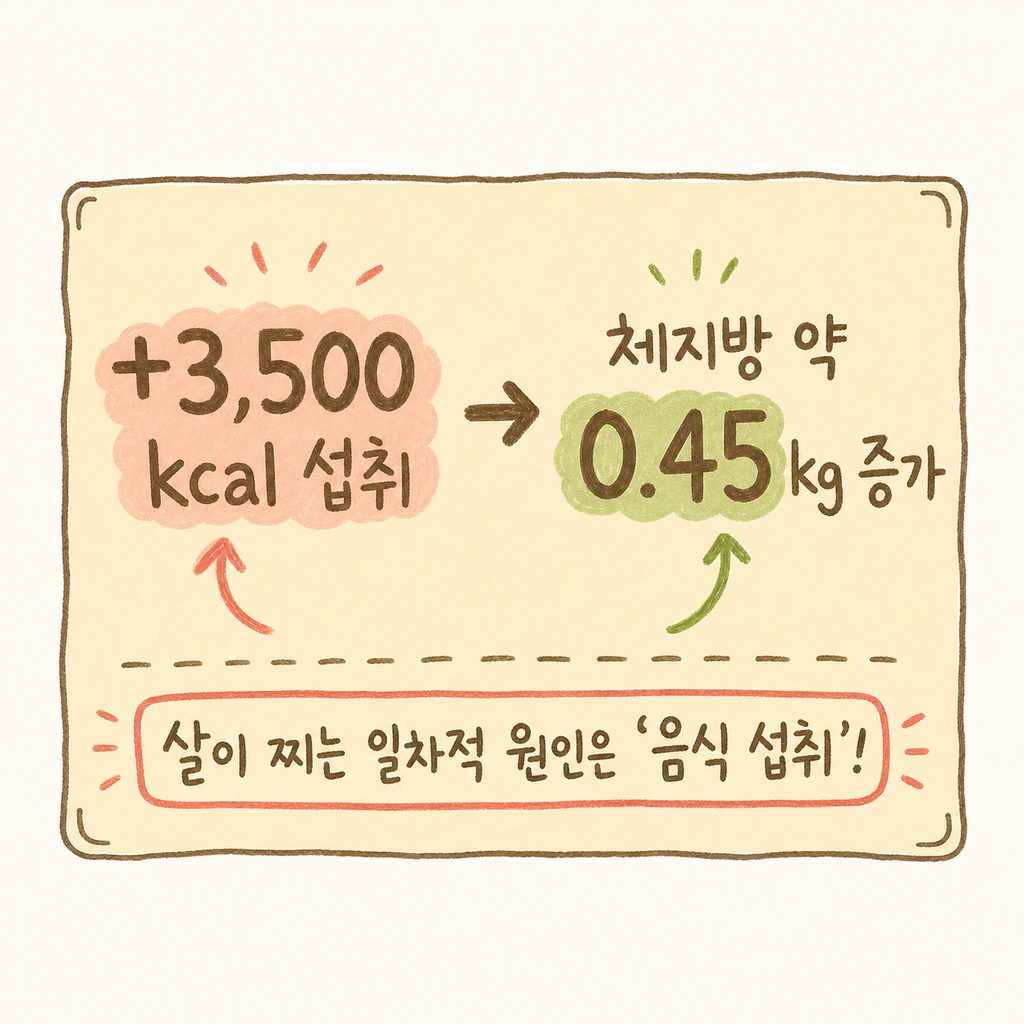
However, weight management isn't simply about losing weight—it's a marathon where you must constantly battle temptations. Remember that working out harder won't necessarily make you lose fat. According to nutrition and metabolism theory, it's generally known that consuming an additional 3,500 calories leads to approximately 0.45kg of body fat gain. In the end, the primary cause of weight gain is food intake.
The Change That Motivation Brings
What lifts us back up when our determination falters is motivation. This isn't just a mood boost—it's like an inner compass that helps you keep your goals in sight. Using real transformation stories, inspiring quotes, or photos delivers positive stimulation to the brain, increasing the likelihood of taking action.
Those who succeed have clearly defined personal motivation triggers. Taking mirror selfies to track progress or posting verification photos on social media are typical examples. Seeing others' transformation stories and gaining confidence with "I can do this too" is an essential process for finding vitality within monotonous meal plans and exercise routines.
A Metabolic Perspective from the Clinic
From a Korean medicine perspective, overall body balance and metabolism are prioritized over simply eating less and moving more. The reason we're vulnerable to food temptations isn't just connected to psychological issues—it also relates to our physical condition.
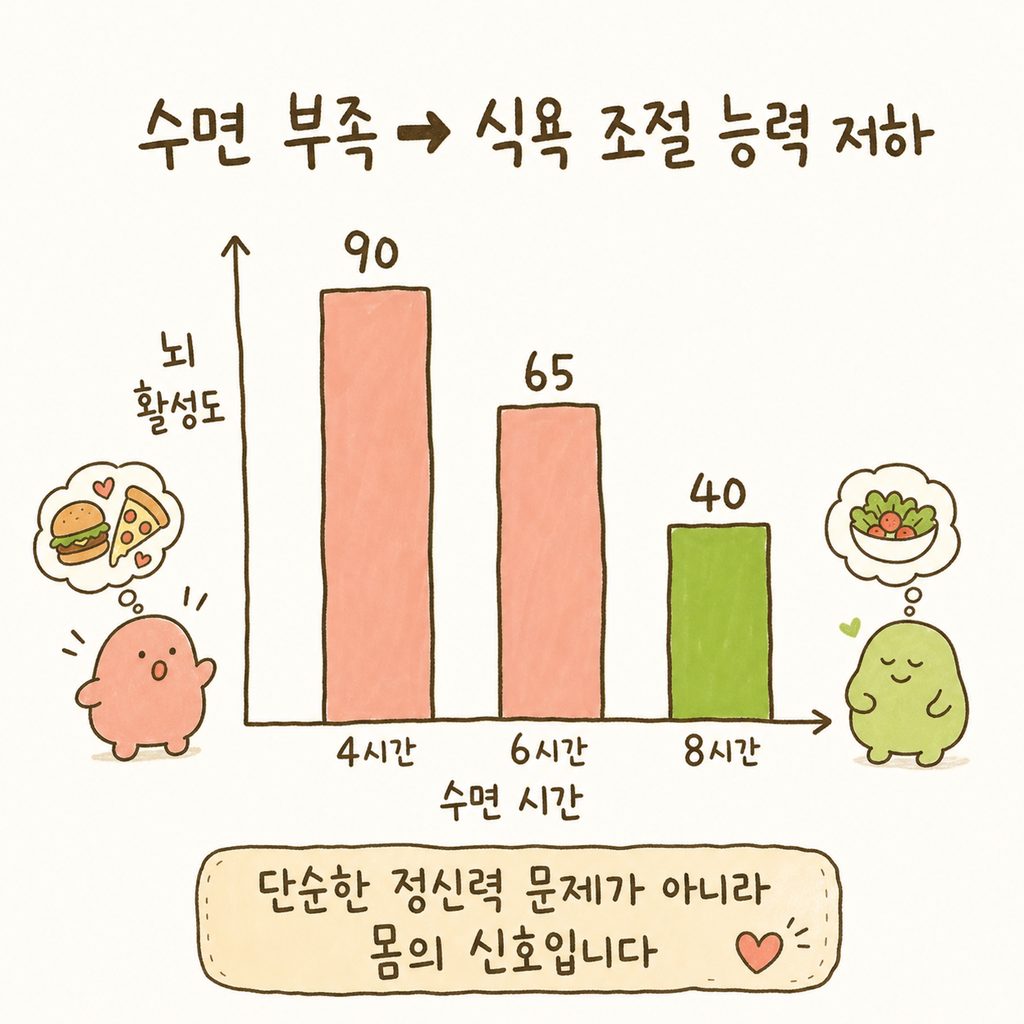
According to one study examining 52 adolescents aged 12–18 (46% female)[1] to see how sleep duration affected brain activation in response to food images, the findings suggest that sleep state is closely related to appetite regulation. When physical conditions like sleep or stress deteriorate, the brain becomes more sensitive to food images, ultimately making us more susceptible to powerful food cravings. This isn't simply a matter of mental strength—it's a signal from our body's system.
Motivation Tips You Can Start Using Now
Rather than vaguely resolving to "work harder," creating a specific environment is important. Here are practical methods I often recommend to patients in the clinic.
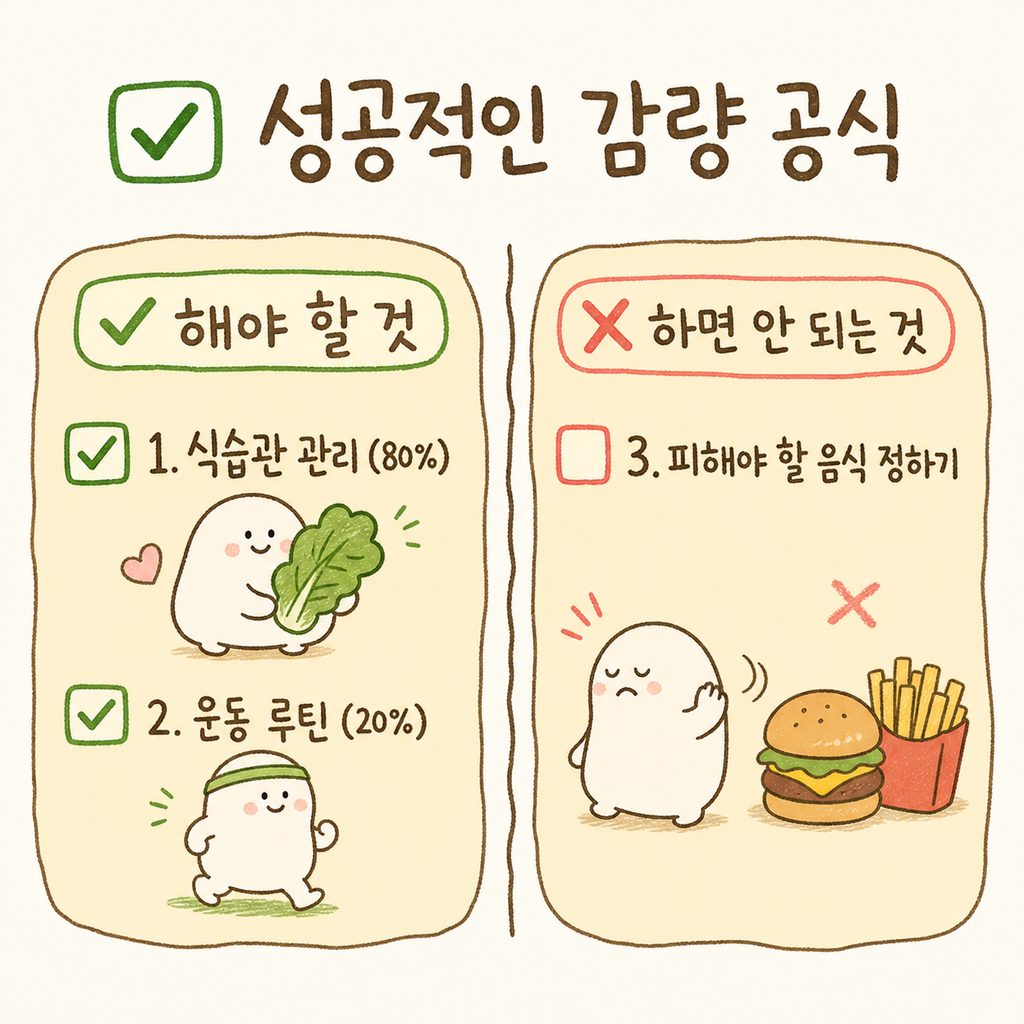

First, visualize motivating quotes and photos. Place them on your smartphone wallpaper, refrigerator, or exercise journal—somewhere you'll see them often—so they can be powerful when you're tempted to give up.
Second, try applying the 80/20 rule. In weight loss, 80% depends on what you eat, and the remaining 20% depends on what you do—meaning exercise. Rather than trying to lose weight through exercise alone, finding balance between diet management and exercise is much more effective.
Finally, just as important as deciding what to eat, clearly define the foods to avoid. By creating a diet plan that works for you and eliminating bad habits one by one, you can quickly enter the weight loss phase.
Weight management is a journey to regain a confident life. There may be slumps and moments of wavering, but you can start again each time by encouraging yourself.
If managing diet and exercise together feels overwhelming, try the Baekrokdam program. By balancing your body's metabolism and losing weight healthily, you can expect more effective results. Next time I see you at the clinic, let me know which quotes were most helpful for you.
References
[1] Sleep duration differentially affects brain activation in response to food images in adolescents with overweight/obesity compared to adolescents with normal weight. (Sleep, 2019) — https://pubmed.ncbi.nlm.nih.gov/30649528/
References