Diet Kiwi Smoothie: Fiber, Low-Calorie Recipe, and Satiety Tips

Table of Contents
When you are managing your diet, there are moments when you want something bright, sweet, and refreshing. Holding back every craving can be stressful, but choosing any drink without checking the calories can also feel worrying.

Why Kiwi Can Help a Diet Snack Feel More Satisfying
When choosing fruit during weight management, the key is not only sweetness but also nutrition and satiety. Kiwi contains dietary fiber, vitamin C, and potassium, so it can be a useful fruit when you want a light snack that still feels satisfying.
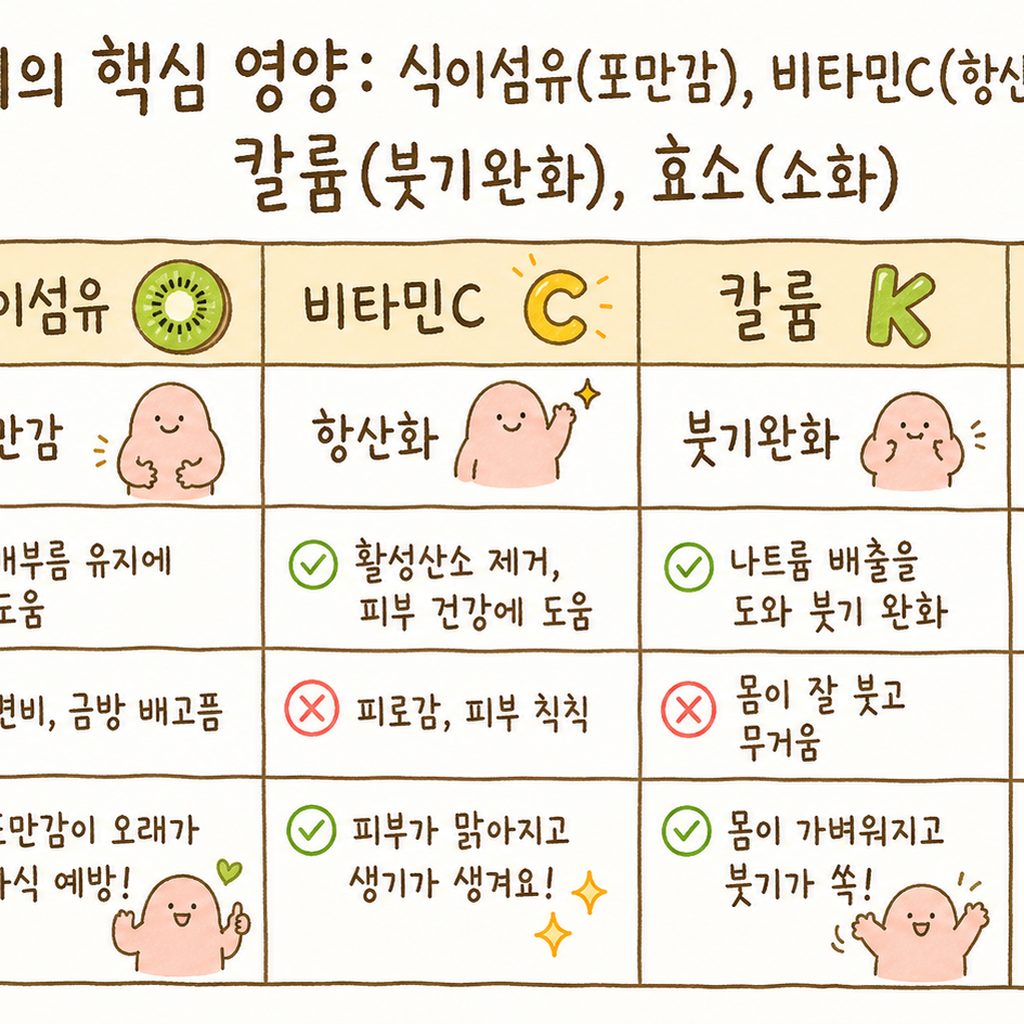
Blending kiwi with vegetables can also make it easier to take in micronutrients. On days when you sweat a lot during exercise, this kind of simple smoothie can help replace some of the nutrients you may have missed.
Why a Smoothie Is Better Than Juice
Many people drink kiwi as juice, but juicing removes much of the pulp and fiber. If the fiber is removed and only the sweet liquid remains, the drink can become less helpful for weight management.
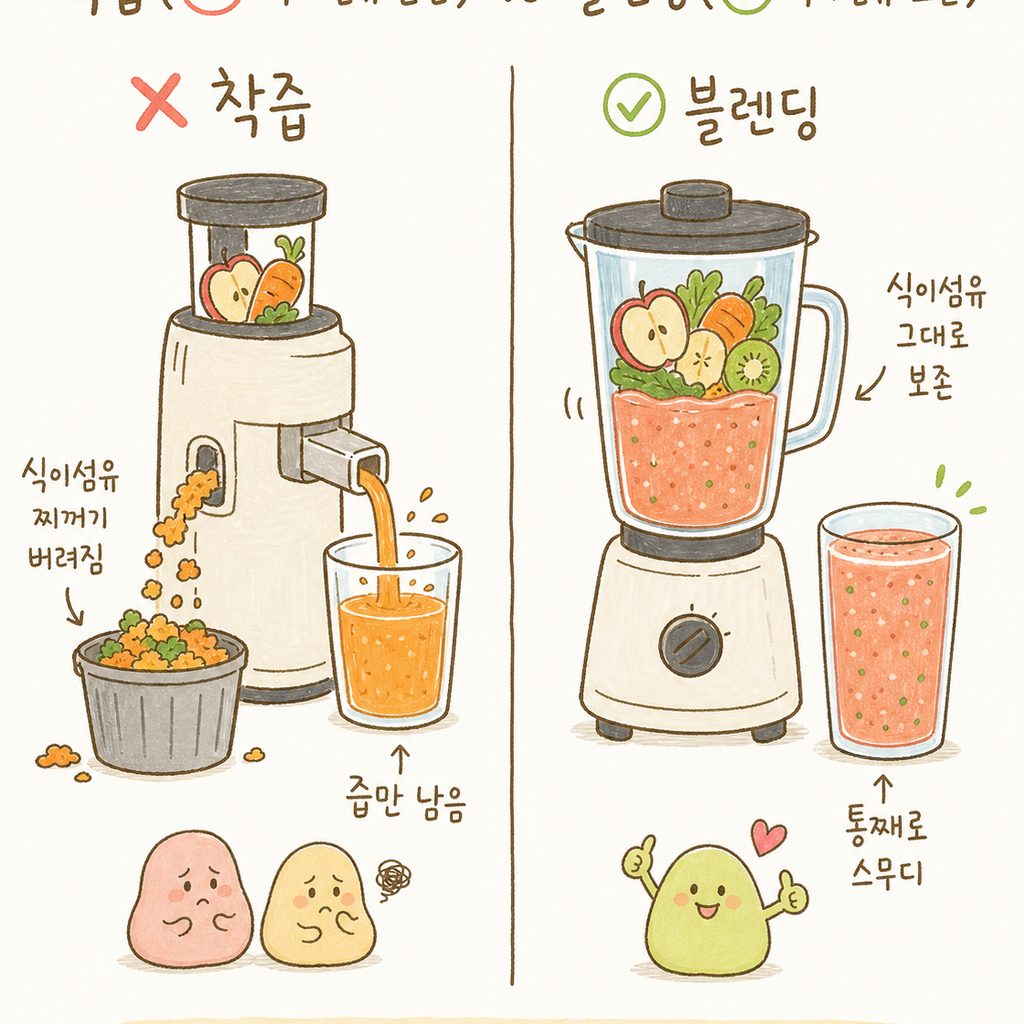
For that reason, a smoothie that blends the whole fruit is usually the better option. Keeping the fiber helps slow the pace of sugar absorption and supports longer satiety. In the end, the result depends less on kiwi alone and more on the total calorie balance and meal pattern.
Be Careful When Drinking It on an Empty Stomach
Some people drink smoothies as a breakfast replacement. If your stomach is sensitive, however, kiwi's acidity may trigger heartburn or abdominal discomfort when taken on an empty stomach.
In that case, try it after a meal or combine it with ingredients that feel gentler for your digestion. Your own digestive response should guide the timing and portion size.
A Metabolism-Focused View of Nutrition
In Korean medicine, weight management is not only about cutting calories. We also look at whether the body's metabolic rhythm is being supported in a sustainable way. Extreme restriction can lower energy and make long-term management harder.
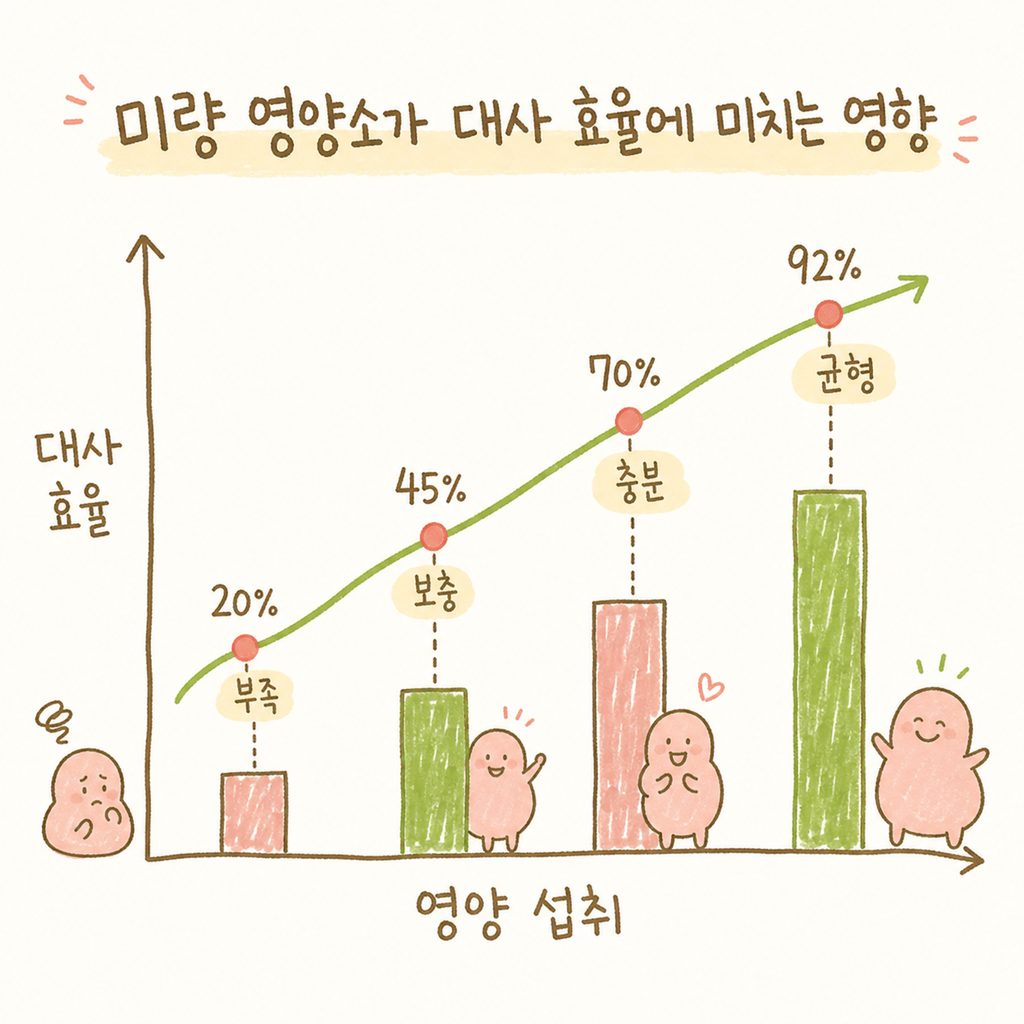
A kiwi smoothie can be a practical way to add vitamins and minerals while keeping the meal light. It is not a treatment by itself, but it can be a useful support when it fits your overall plan.
A Simple Low-Calorie Recipe
The most important part of a diet smoothie is recipe design. A small ingredient change can shift the calories quickly.
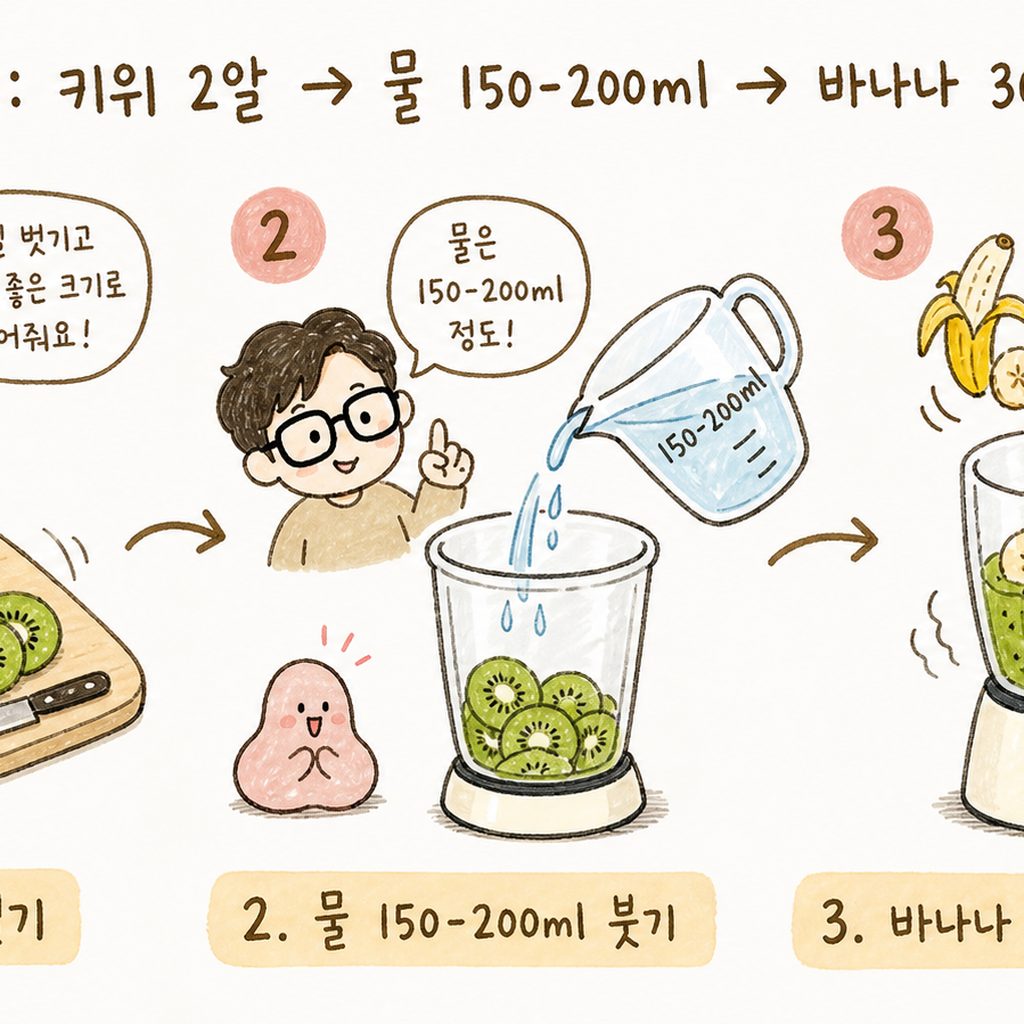
For one serving, peel and cut two kiwis. Add 150~200 mL of cold water or ice. If you want more fiber and micronutrients, add a handful of spinach or kale. A little lemon juice can brighten the flavor without adding sugar.
If the sourness feels too strong, add only a small amount of banana or apple, about 30~50 g. Reducing the liquid slightly can make the smoothie thicker and more filling.
The Small Detail That Keeps Calories Lower
The easiest mistake is adding sweeteners without noticing. Honey, sugar, or 100 mL of packaged fruit juice can quickly add extra calories. If weight management is the goal, it is better to keep these additions minimal.

A standard kiwi smoothie made this way is usually about 250~350 mL and roughly 200~300 kcal, depending on the exact ingredients. Aim for a taste that feels slightly less sweet than a dessert drink. Over time, your palate may adjust enough for kiwi's natural freshness to feel satisfying.
A small recipe change can make diet management feel more sustainable. If weight loss or meal planning feels difficult to manage alone, Baekrokdam can help you review your constitution, metabolism, and daily routine more carefully.