
Chicken Breast Guide: Protein Intake, Recipes & Tips

Table of Contents
When starting a diet, chicken breast is usually the first item in the shopping cart. However, eating it every day can be daunting. Many people worry about it being dry and getting tired of it quickly, wondering if there is a way to eat it nutritiously while still being delicious. In the clinic, I often see patients sighing, "Director, there's nothing to eat but chicken breast." I often have the same concerns when I have to grab a quick meal between consultations.

Check the amount of protein your body needs first
Eating a lot of chicken breast blindly isn't always good. The key is the appropriate amount for your weight and condition. Generally, the recommended protein intake for adults is set at a certain level per kg of body weight, so the first step is to estimate how much your body actually needs based on this standard.
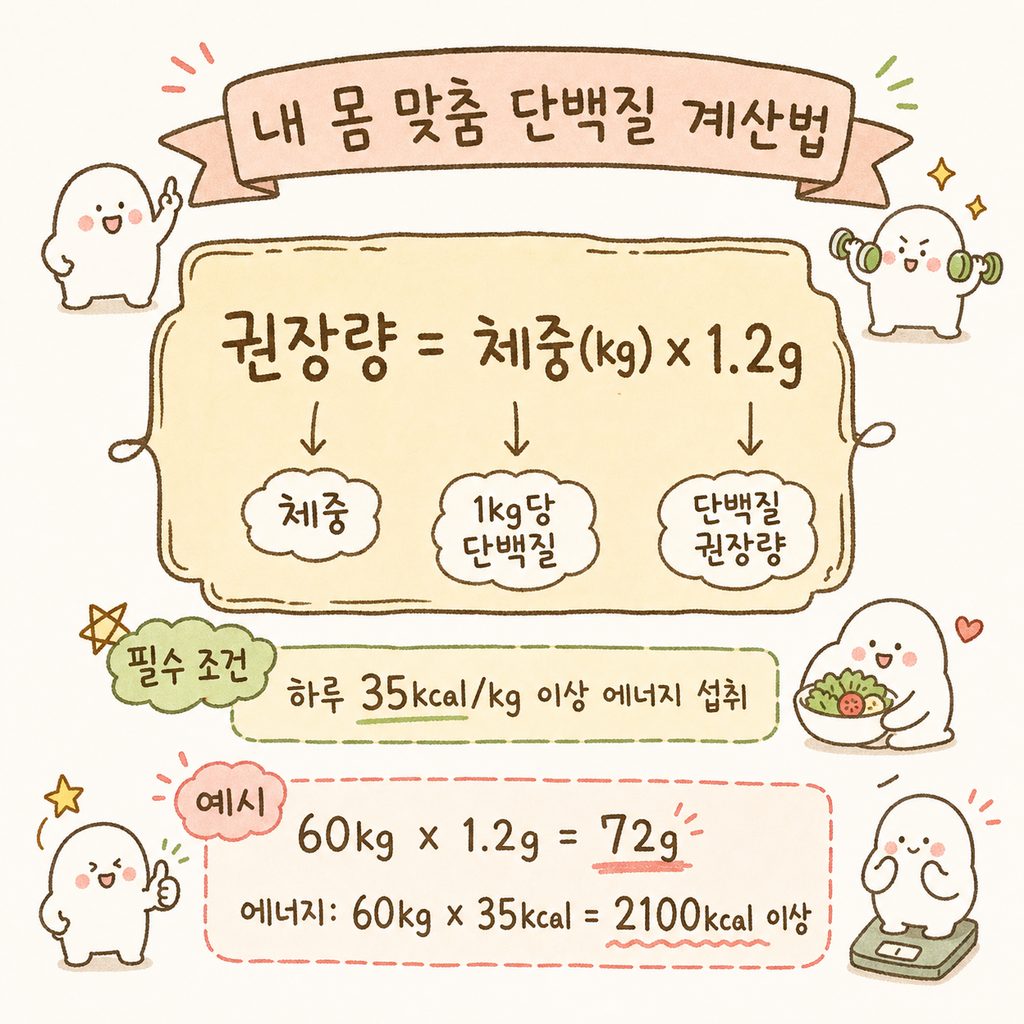
In particular, if energy intake is too low, it is difficult to preserve muscle no matter how much protein you consume. EASL guidelines recommend an energy intake of at least 35 kcal/kg of body weight per day and advise against protein restriction. You must consume appropriate amounts of carbohydrates and fats so that protein is not wasted as an energy source and is properly used to build muscle and tissue.
How to choose and manage chicken breast
With so many products on the market, it can be difficult to choose. In this case, look at the state of the raw materials and the changes during the storage process. PubMed research data shows results comparing and evaluating fat sources that affect the nutrient digestibility and growth performance of chicken breast. Not only the protein content but also the type of oil or fat processed together determines nutrient absorption.
Chemical changes that occur during storage should also be handled with care. A study published in Food Chemistry: X shows that chemical changes during storage affect the formation of heterocyclic amines. Choose products that are as fresh as possible, and even if you store them frozen, strictly follow the expiration date and storage temperature.
Moist recipes to eliminate dryness
The reason many people give up on chicken breast is the texture. However, you can eat it much more softly just by slightly changing the cooking method. First, the key is to flatten the meat to a thickness of 2–5 cm. This allows heat to be transferred evenly, cooking it through to the inside while keeping it moist.
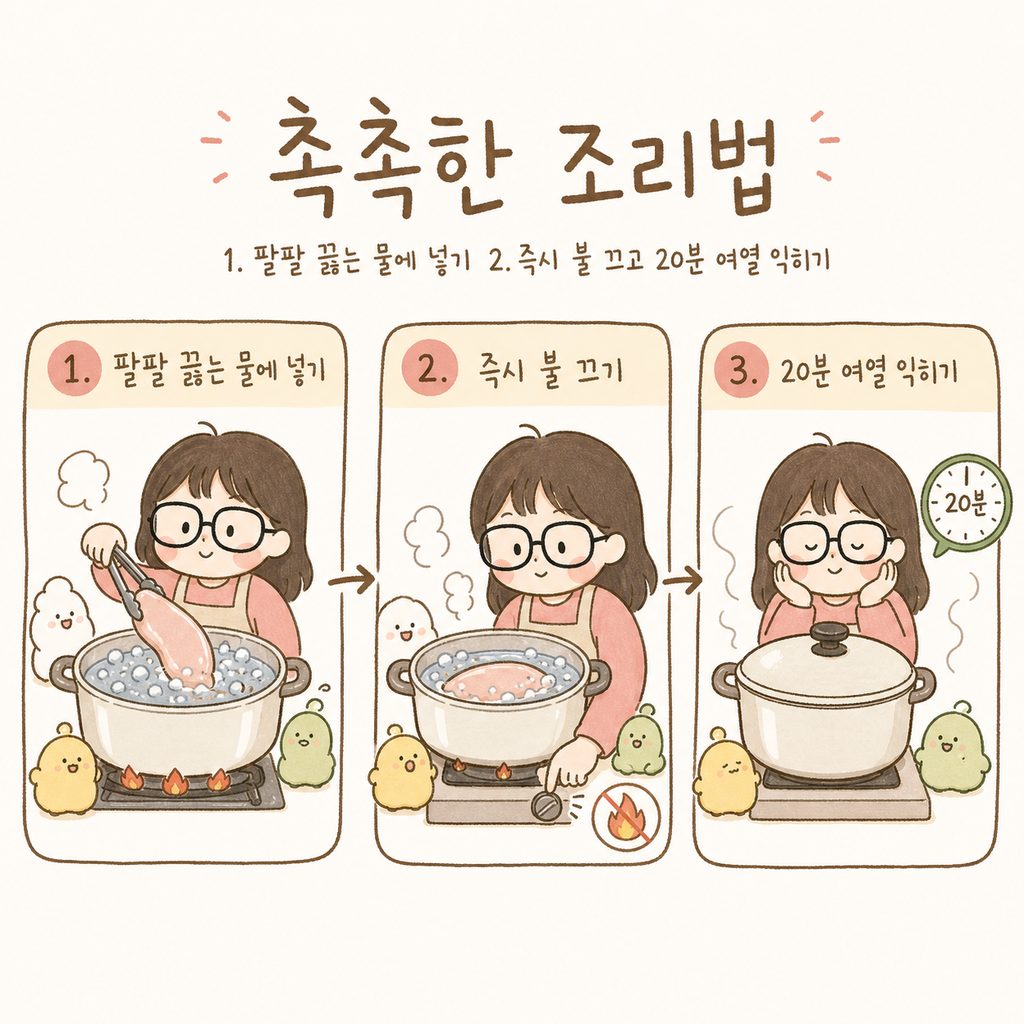
Rather than cooking it quickly over high heat, I recommend cooking it slowly at a low temperature. My favorite method is to turn off the heat as soon as I put the chicken breast in boiling water and let it cook with residual heat for about 20 minutes. This keeps the internal temperature around 65–70°C, preventing excessive protein denaturation and significantly reducing dryness.
Other proteins to include besides chicken breast
If you insist on only chicken breast every day, your mind is bound to get exhausted. Diversifying your protein sources ensures nutritional balance and helps you maintain your diet/weight management for a longer period. Try using lean meats that are low in fat and rich in protein. Pork tenderloin, hind leg, and beef eye of round are excellent low-fat protein sources comparable to chicken breast.
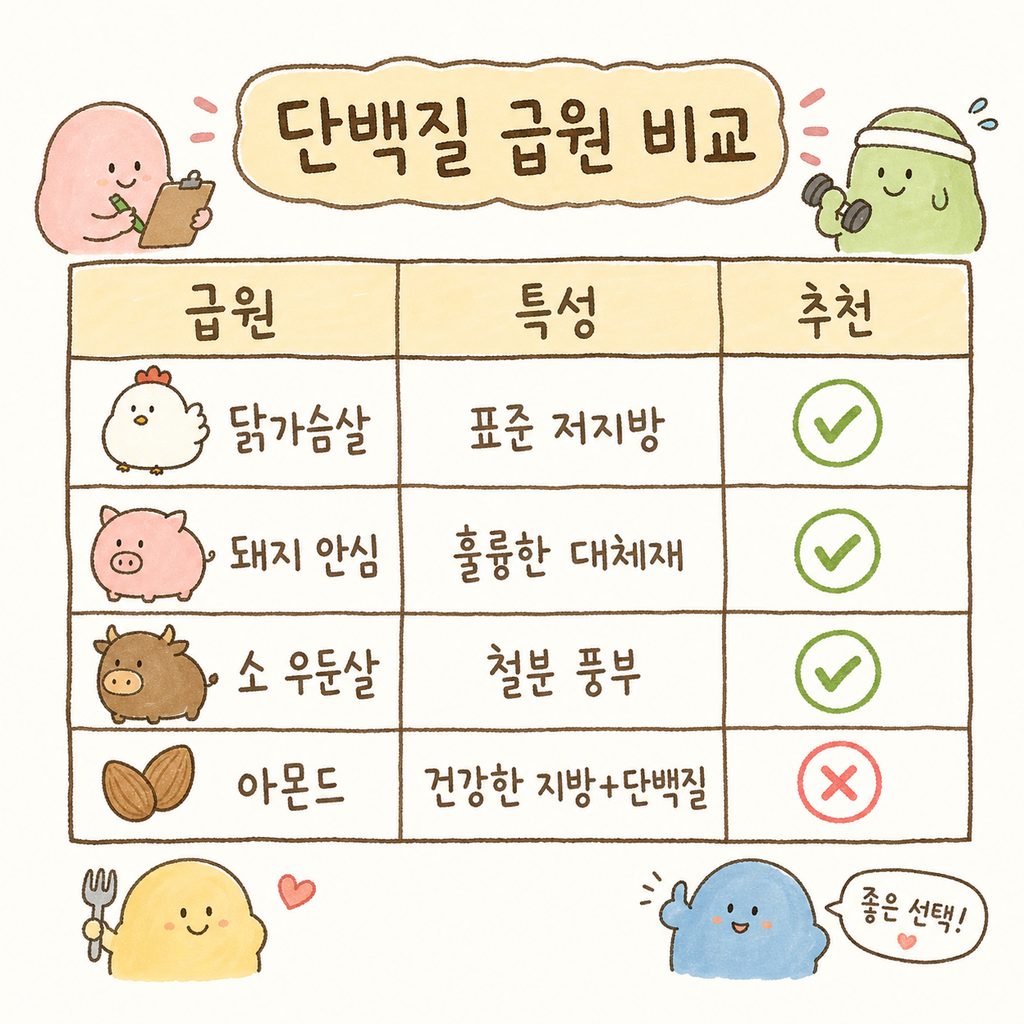
Nuts are great for snacks. About 1/4 cup of almonds provides approximately 7g of protein. Although the fat content is somewhat high, they contain good fats that help heart health, making them suitable for supplementing essential fatty acids that are often lacking during a diet/weight management.
Setting daily intake and weight loss goals
So, how much should you eat a day? Experts suggest that if your goal is diet/weight management and muscle formation, you should set a daily protein target and fill about half of it with chicken breast. Ideally, eat about 100–200g of chicken breast per day and fill the rest with a variety of tofu, eggs, beans, fish, and dairy products.
Your mindset regarding the speed of weight loss is just as important as your diet. Rather than losing weight excessively in a short period, I recommend reducing it slowly by about 0.5–1kg per week. You must lose weight gradually while maintaining a balanced diet filled with fruits, vegetables, and whole grains to prevent the yo-yo effect and keep your metabolism healthy.
3 Best chicken breast combinations recommended by the Director
Here are some combinations that rarely get boring, which I often share with patients in the clinic.
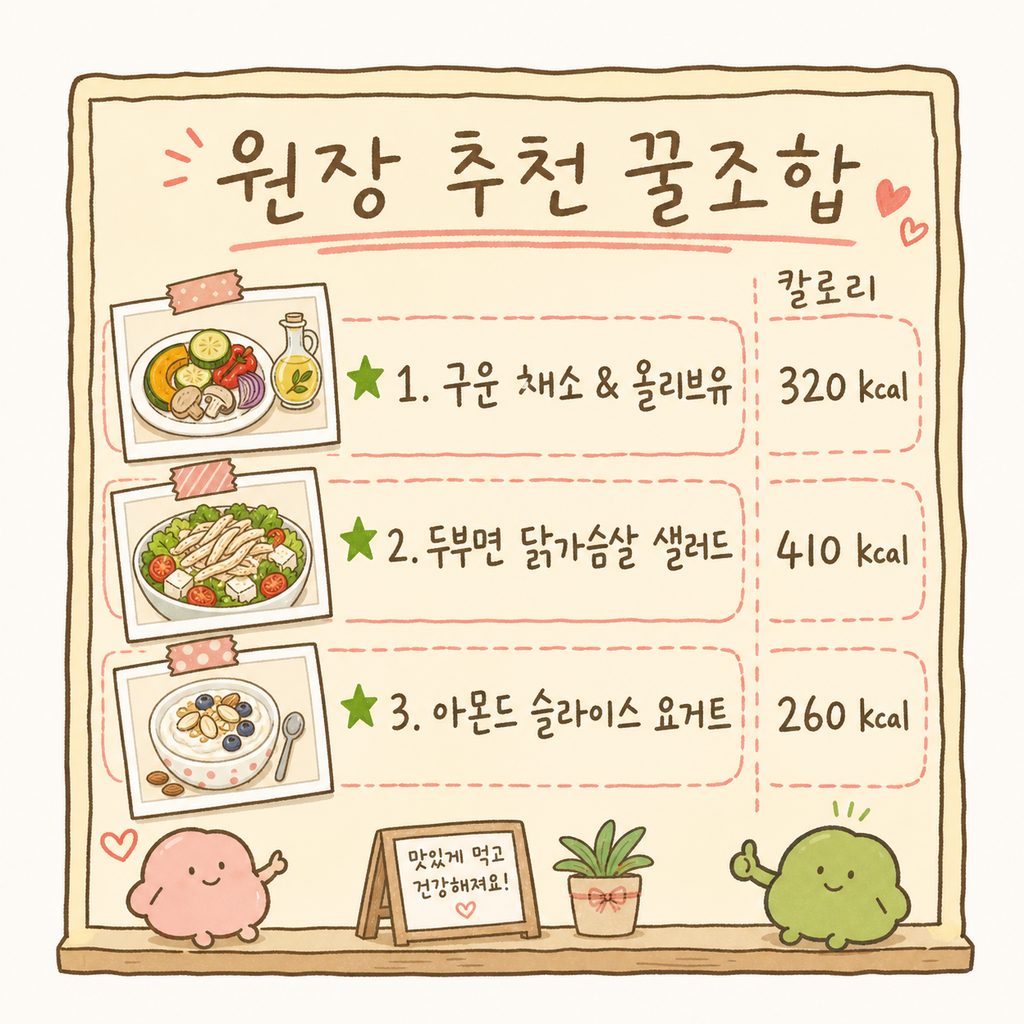

Roasted Vegetables and Olive Oil: Lightly sauté broccoli, asparagus, and bell peppers in olive oil and eat them with chicken breast. As mentioned in PubMed studies, appropriate healthy fats help nutrient absorption and keep you full longer.
Tofu Noodle Chicken Salad: Use tofu noodles instead of flour noodles and add shredded boiled chicken breast. Adding oriental dressing or lemon juice allows you to fill up on protein refreshingly.
Almond Slice Yogurt Salad: Try sprinkling almond slices on a chicken breast salad. Adding the nuttiness of 1/4 cup of almonds enhances the texture and naturally increases protein intake.
Healthy diet/weight management is not just about starving or eating only one type of food; it is a process of strategically filling the nutrients your body needs. Try applying the cooking methods and protein distribution methods I mentioned today one by one to your daily life. One small habit can make a bigger difference than you think.
If you feel frustrated because your diet management isn't going as planned, or if you are curious about a more efficient weight loss approach tailored to your constitution, feel free to let me know. The Baekrok Gambi-jung program will help your metabolism flow and allow you to expect better results. Give it a try, and let me know how the diet worked for you at your next consultation.