Chicken Breast & Ramen Seasoning: Calories and Sodium

Table of Contents
- Why Are We Drawn to Ramen Seasoning for Chicken Breast?
- What Is Actually in a Packet of Ramen Seasoning?
- How Does the Chicken Breast and Ramen Seasoning Combo Change Things?
- Signals Your Body Sends When Eaten Daily
- Salty Diets from the Perspective of Baekrokdam Clinic
- Practical Points to Apply Starting Today
Ever struggled with dry chicken breast while on a diet? You might have searched for this after hearing that a packet of ramen seasoning makes it edible and wondered, "Is this actually okay?"
Why Are We Drawn to Ramen Seasoning for Chicken Breast?
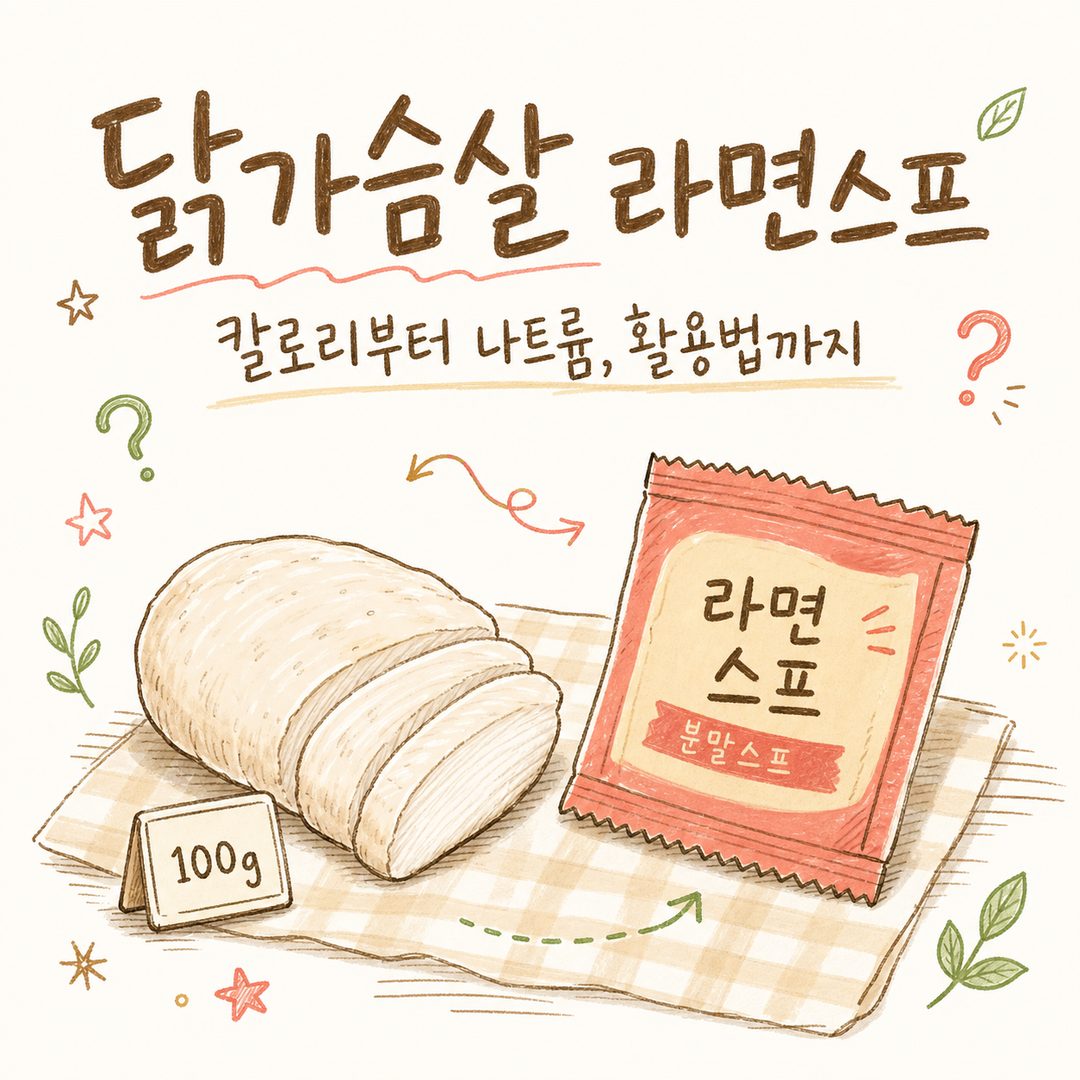
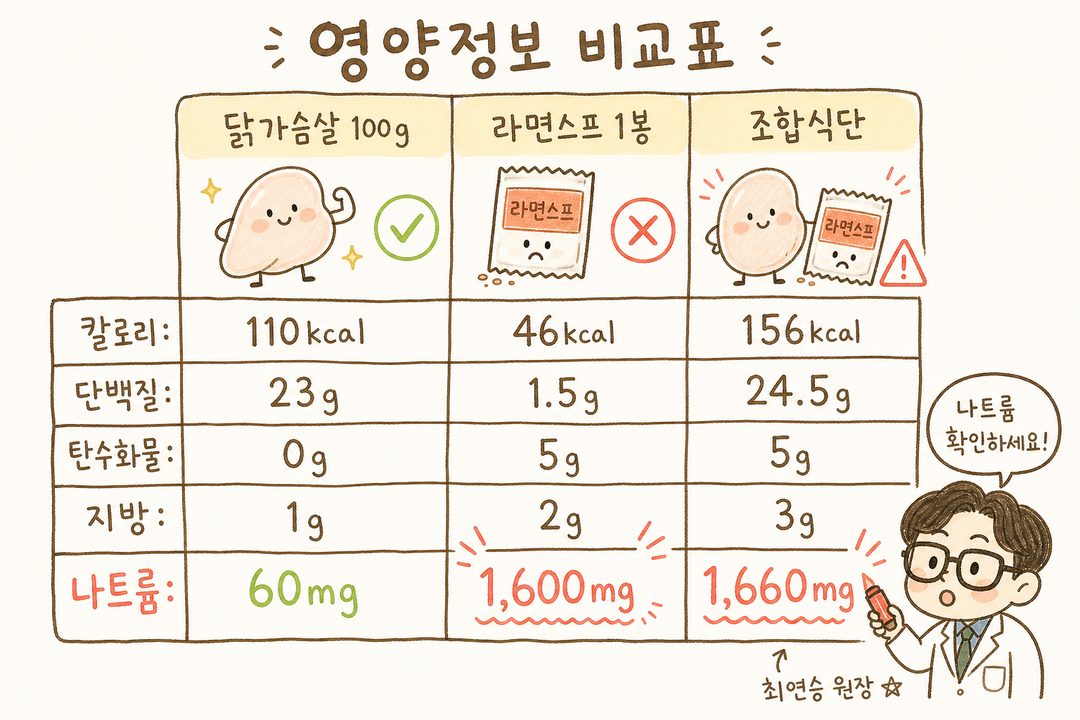
Chicken breast is an incredibly clean ingredient. When boiled, 100g contains about 110kcal, 23–25g of protein, and almost zero carbohydrates or fats. It is a staple of any diet/weight management plan. The problem is that after eating it the same way every day, your palate eventually rejects it. When coaching patients on their nutrition, I often hear, "Doctor, I just can't swallow chicken breast anymore." That is when the most common savior appears: a packet of ramen seasoning. Its stimulating, familiar umami flavor instantly revives the appetite.
What Is Actually in a Packet of Ramen Seasoning?
Let's look at the facts. According to the nutrition site FatSecret, one serving of ramen seasoning is about 46kcal. Other data generally places it in the 30–60kcal range. A single packet weighs roughly 15–20g, and if used entirely, it amounts to about 37–49kcal. Nutritional data shows it contains approximately 5–8g of carbohydrates, 1–2g of protein, and 1–3g of fat. In terms of calories alone, it isn't much.
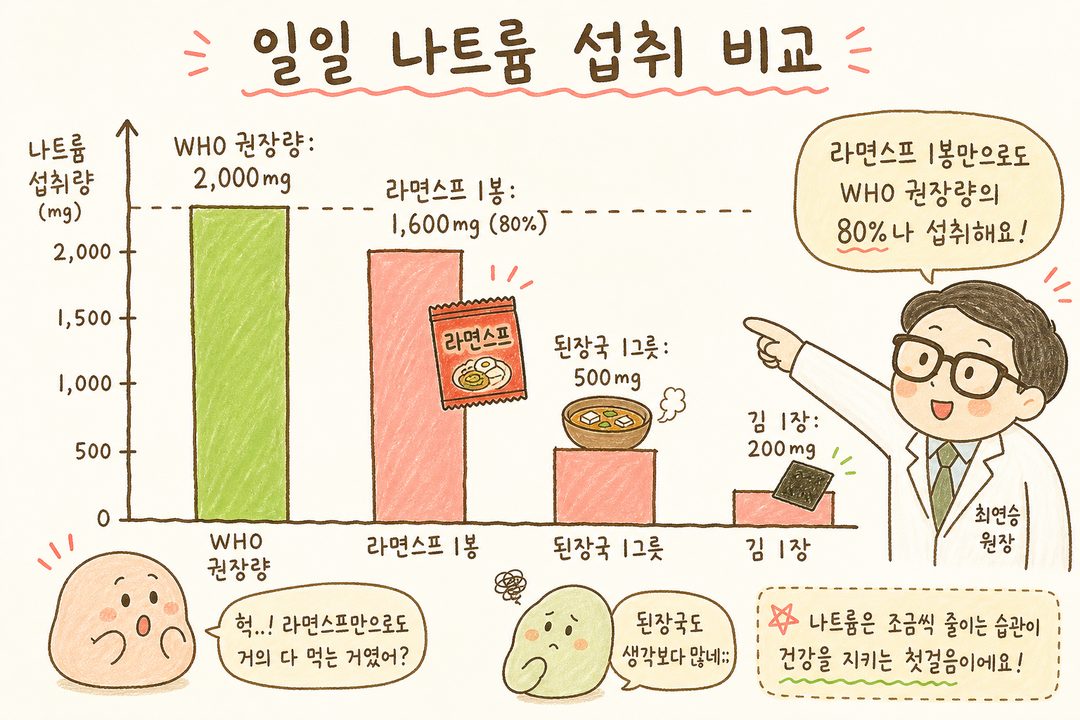
The real issue is sodium. Some nutritional data shows that ramen seasoning contains 21,194mg of sodium per 100g. Per packet, this translates to 1,400–1,800mg, and depending on the product, it can go up to 2,000mg. Since the WHO recommends a daily sodium intake of under 2,000mg, one packet of ramen seasoning can fulfill almost your entire daily limit. While the calories are light, the sodium is heavy—a point emphasized by all nutritional resources.
How Does the Chicken Breast and Ramen Seasoning Combo Change Things?
By removing the ramen noodles and using only the seasoning, you drastically reduce carbohydrates and calories while keeping the protein intact. Reviews in diet/weight management communities often mention, "Thanks to ramen seasoning, I was able to stick to chicken breast for over a month when I couldn't stand it plain." In terms of diet sustainability, it is certainly helpful.
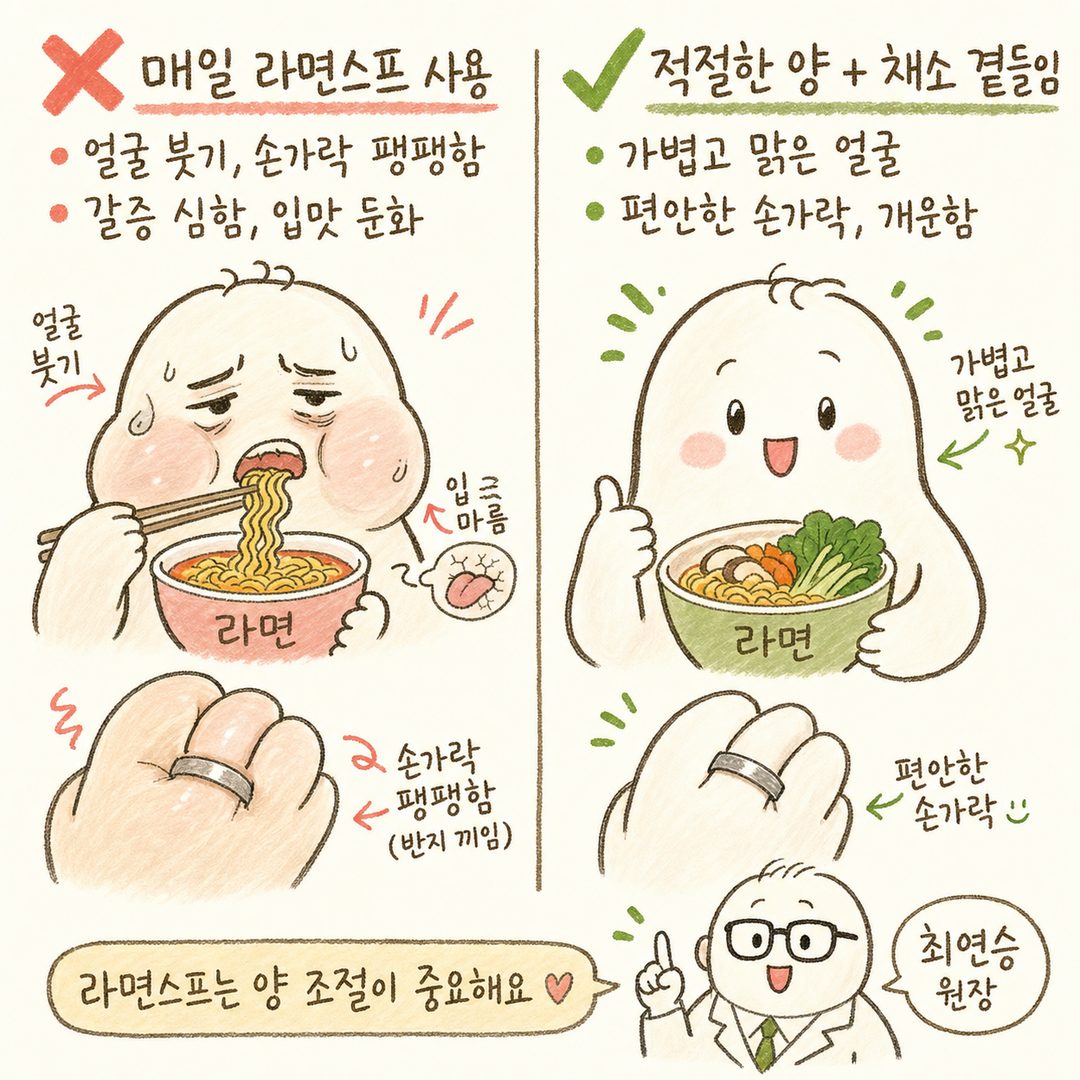
However, if you eat it this way every day, many people find their hands and feet swelling within a few days, and the number on the scale in the morning may be higher than usual. This is primarily caused by water retention, not fat gain, but it can be very discouraging. Therefore, "how you eat it" is the real key.
Signals Your Body Sends When Eaten Daily
When a salty diet continues for several days, the body reacts quite honestly. Your face is puffy in the morning, rings feel tight on your fingers, and intense thirst makes you reach for drinks. Your palate also begins to seek stronger stimulation, making you want saltier and spicier food for the next meal. If this repeats, you may hit a plateau where weight doesn't drop even if you eat the same amount.
Particularly for those who usually have cold hands and feet or sedentary workers with low activity levels, edema from the same amount of ramen seasoning lasts longer. Keeping a brief note of your body's signals will give you a sense of "how many days I can tolerate this diet."
Salty Diets from the Perspective of Baekrokdam Clinic
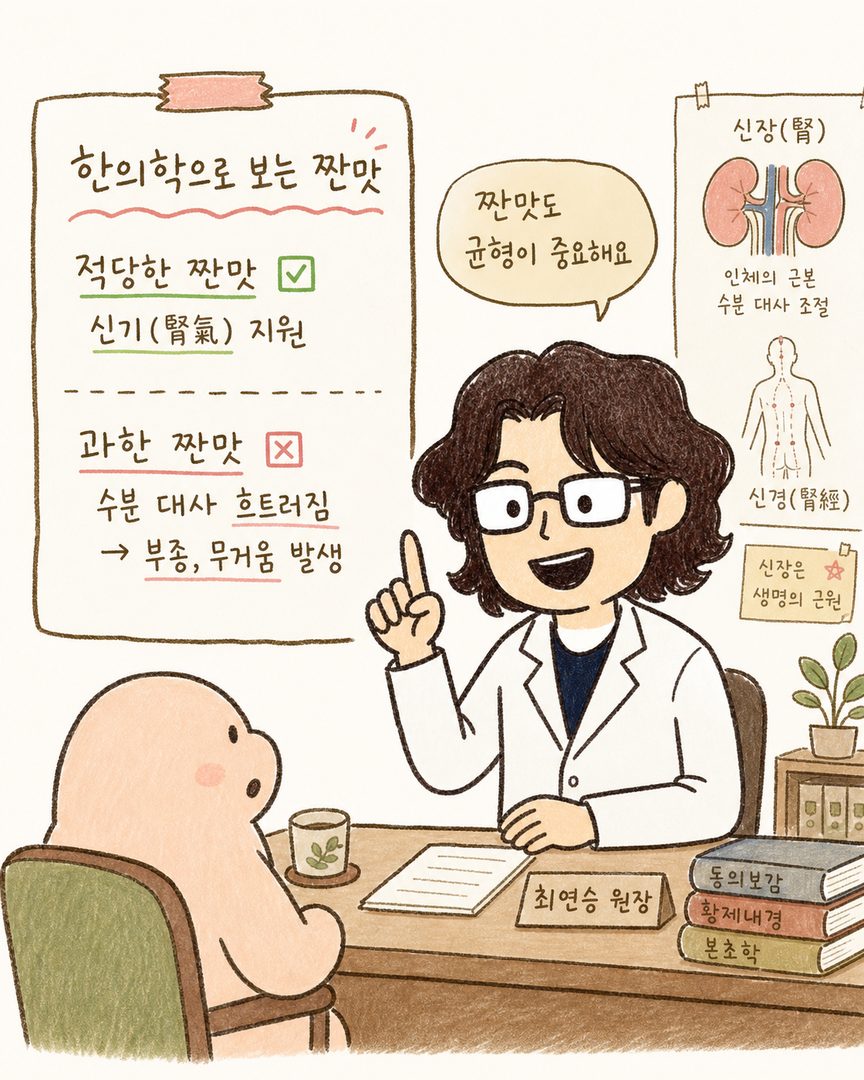
In Korean medicine, the salty taste is paired with the Kidneys (腎). While a moderate salty taste supports Kidney Qi (腎氣), an excess is believed to disrupt water metabolism, leading to edema and a feeling of heaviness. Among those who experience frequent swelling and heavy mornings during a diet/weight management program, we often find cases where calories are well-managed but hidden sodium is high.
From a constitutional perspective, those with Yang Deficiency (陽虛) or Qi Deficiency (氣虛) tendencies—who often have cold extremities and swell easily—are more sensitive to salty stimuli. Even with the same amount of salt, their edema lasts longer, and they easily reach for sugary drinks due to severe thirst. If you are pairing chicken breast with ramen seasoning, these individuals should be more conservative with the amount. Furthermore, a diet consisting only of chicken breast is too narrow in nutritional scope. Without dietary fiber from vegetables, seaweed, and whole grains, constipation and a sense of stagnation will follow. This is why a Korean medicine diet emphasizes "clearing well" more often than just "eating less."
Practical Points to Apply Starting Today
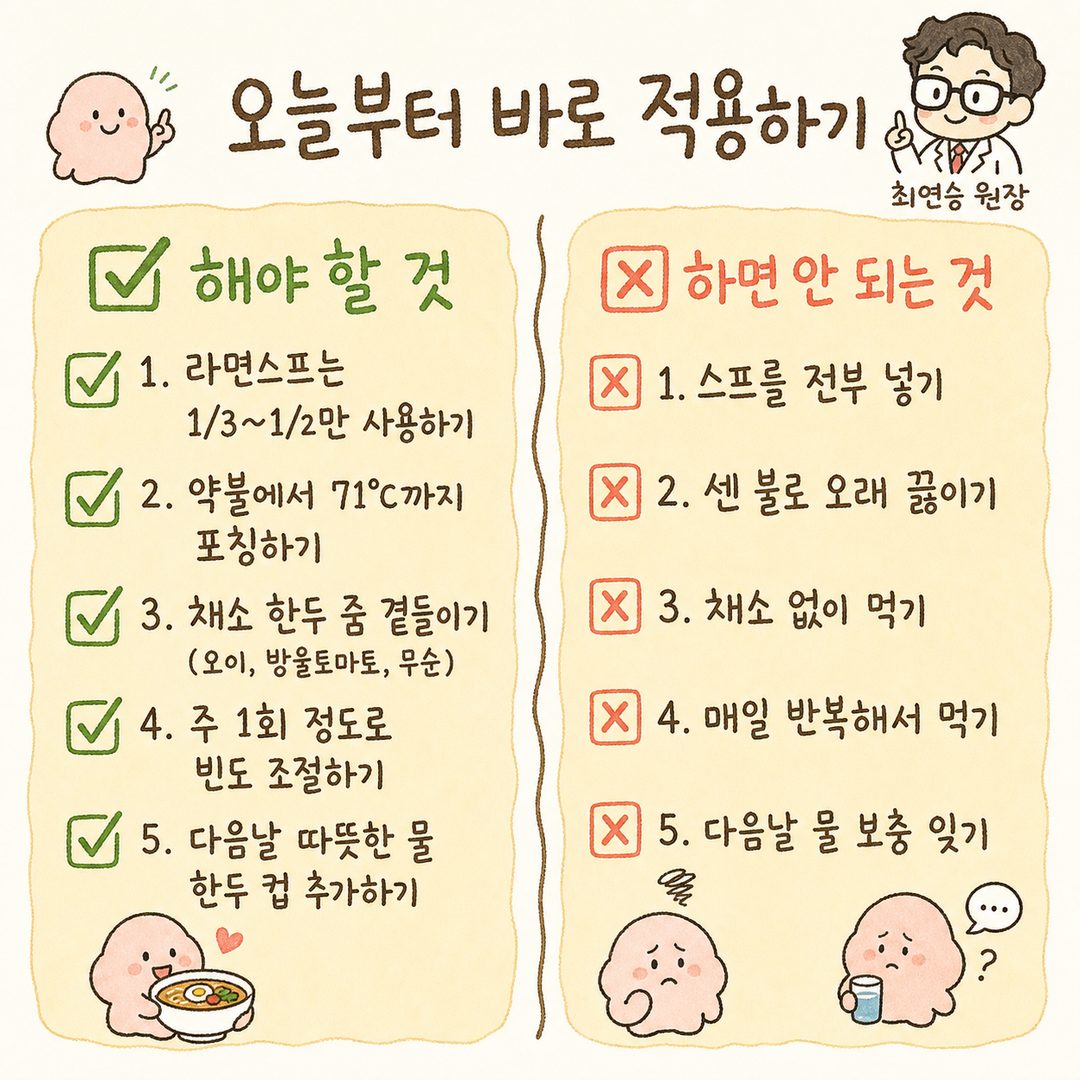
You don't need to memorize anything complex; just keep these five points in mind:
Don't use the whole packet of ramen seasoning; use only 1/3 to 1/2. Sodium is the real burden, not the calories.
Poaching chicken breast in water over low heat keeps it moist. It is safe from food poisoning once the internal temperature reaches 71°C.
Even official recipes suggest pairing 30g of chicken breast with cucumber, cherry tomatoes, and radish sprouts. Adding just a handful or two of vegetables significantly changes the volume of the meal.
Limit meals using ramen seasoning to about once a week. Daily use is a shortcut to edema and a dulled palate.
Drinking one or two more cups of warm water than usual the next day will help alleviate water retention.
Following just these steps will result in a diet that is "flavorful yet less heavy on the body."
Sprinkling ramen seasoning on chicken breast can be a reliable strategy to sustain a diet/weight management plan for a month or two if used wisely. However, never forget the variable of sodium. Three small habits—reducing the amount, adding vegetables, and controlling frequency—are enough. If you feel lost in planning your diet or find yourself swelling and unable to lose weight despite eating the same amount, I recommend checking your constitution and adjusting your diet and lifestyle with Baekrok Gambi-jung. We often see patients in the clinic with similar concerns, and in many cases, a single minor adjustment changes the entire flow.